The Colourful History of Bo-Kaap: More Than Just Pretty Houses
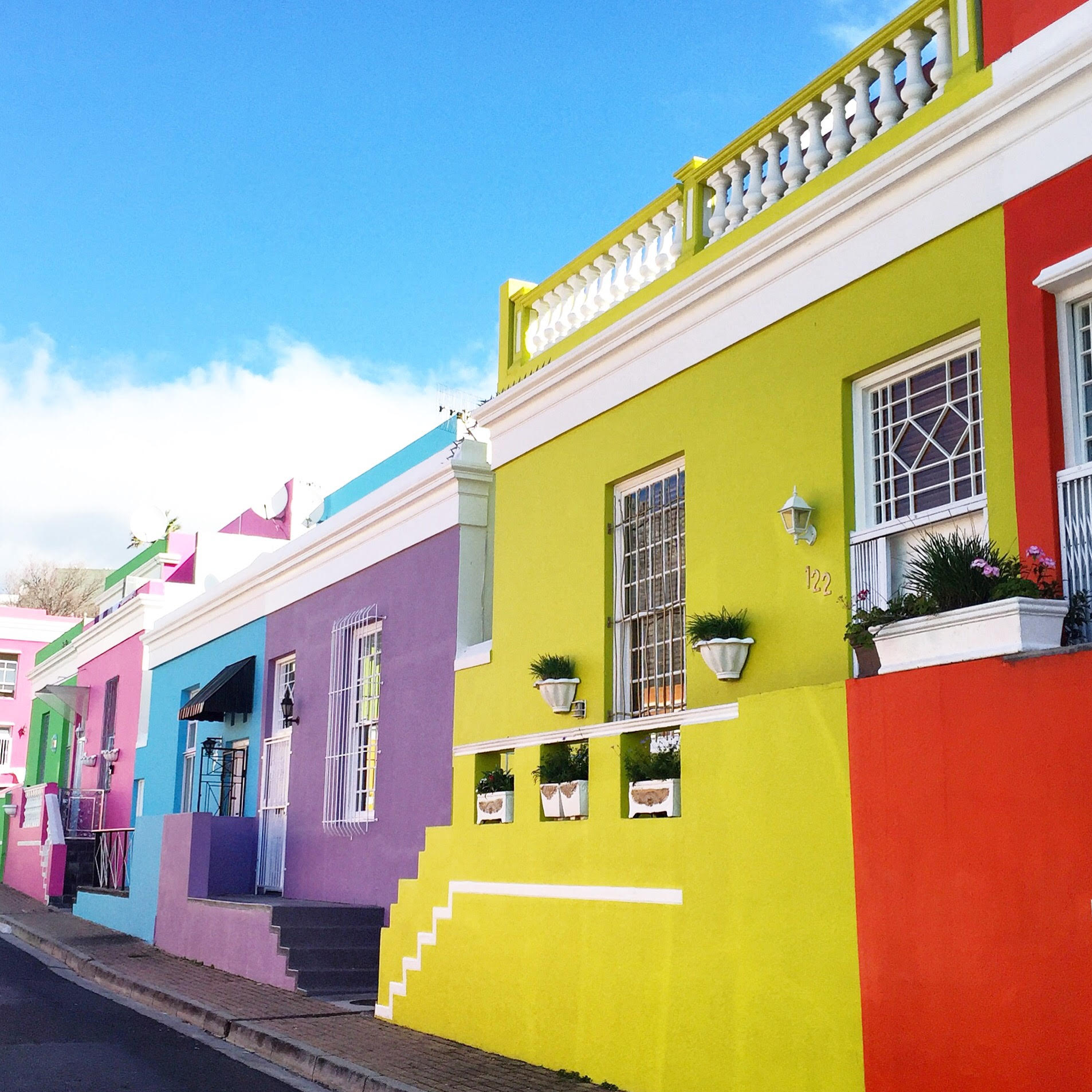
Perched on the slopes of Signal Hill, just above the bustling heart of Cape Town, lies one of the city’s most vibrant neighbourhoods — Bo-Kaap. With its kaleidoscope of brightly painted homes, cobblestone streets, and the distant call to prayer echoing through the air, Bo-Kaap is often photographed, yet rarely understood. For many visitors, it’s simply a postcard-perfect stop on their Cape Town itinerary. But beneath the colours lies a story — one of resilience, identity, and community.
🌈 A Splash of Colour with Deep Roots
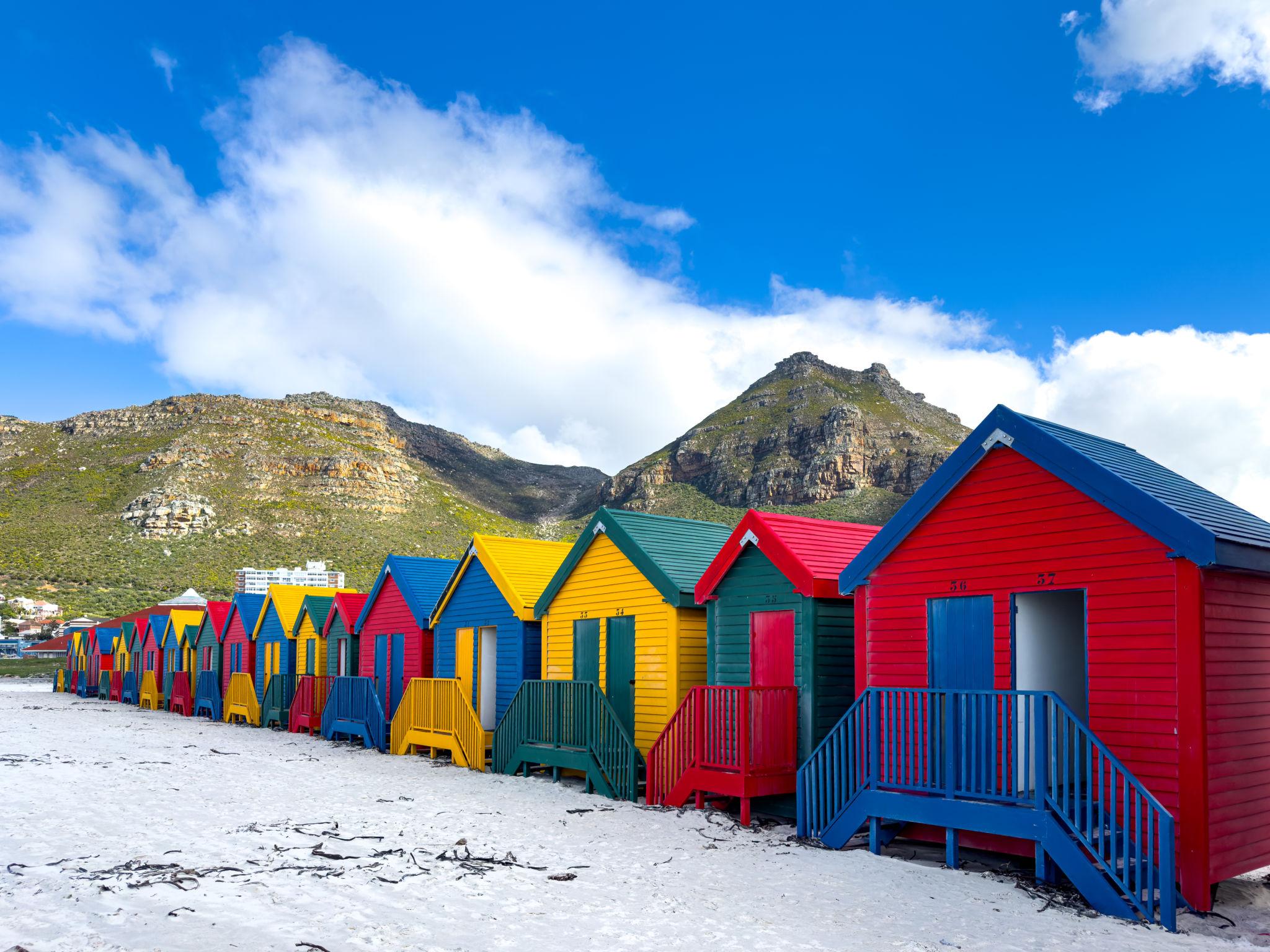
At first glance, Bo-Kaap seems like an artist’s dream — houses painted in brilliant pinks, blues, greens, and yellows that seem to dance in the sunlight. But these colours carry meaning.
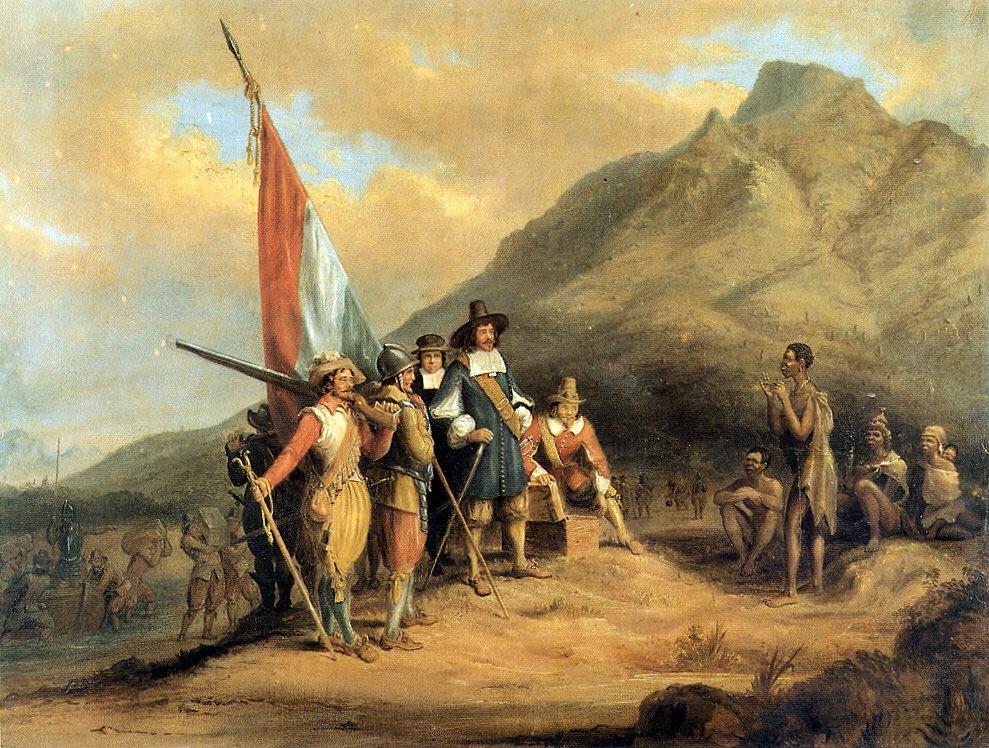
In the 18th century, Bo-Kaap was home to the Cape Malay community, descendants of enslaved people and political exiles brought to the Cape from Southeast Asia, India, and parts of Africa. Under Dutch colonial rule, these people were forbidden from expressing their cultural identity freely — including how they dressed or decorated their homes.
The Bo-Kaap homes were painted different colours as an expression of freedom and joy, after the end of Apartheid, in 1994, when residents could finally purchase their homes after generations of leasing under a white-only rule. Each bright, bold coat of paint became a declaration of independence — a symbol of pride, ownership, and hope. While the tradition of colourful houses likely began in the late 20th century after the lifting of the lease rule and the end of the apartheid-era restrictions on home ownership, there isn’t a single, precise date for when the tradition started.

🕌 Faith, Family, and the Call to Prayer
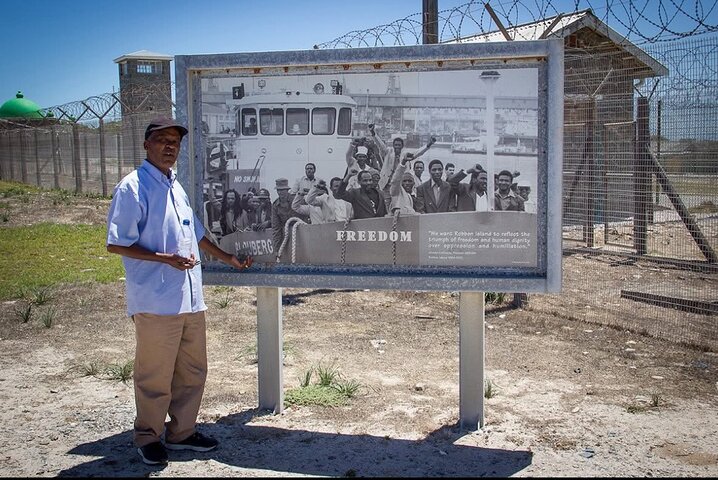
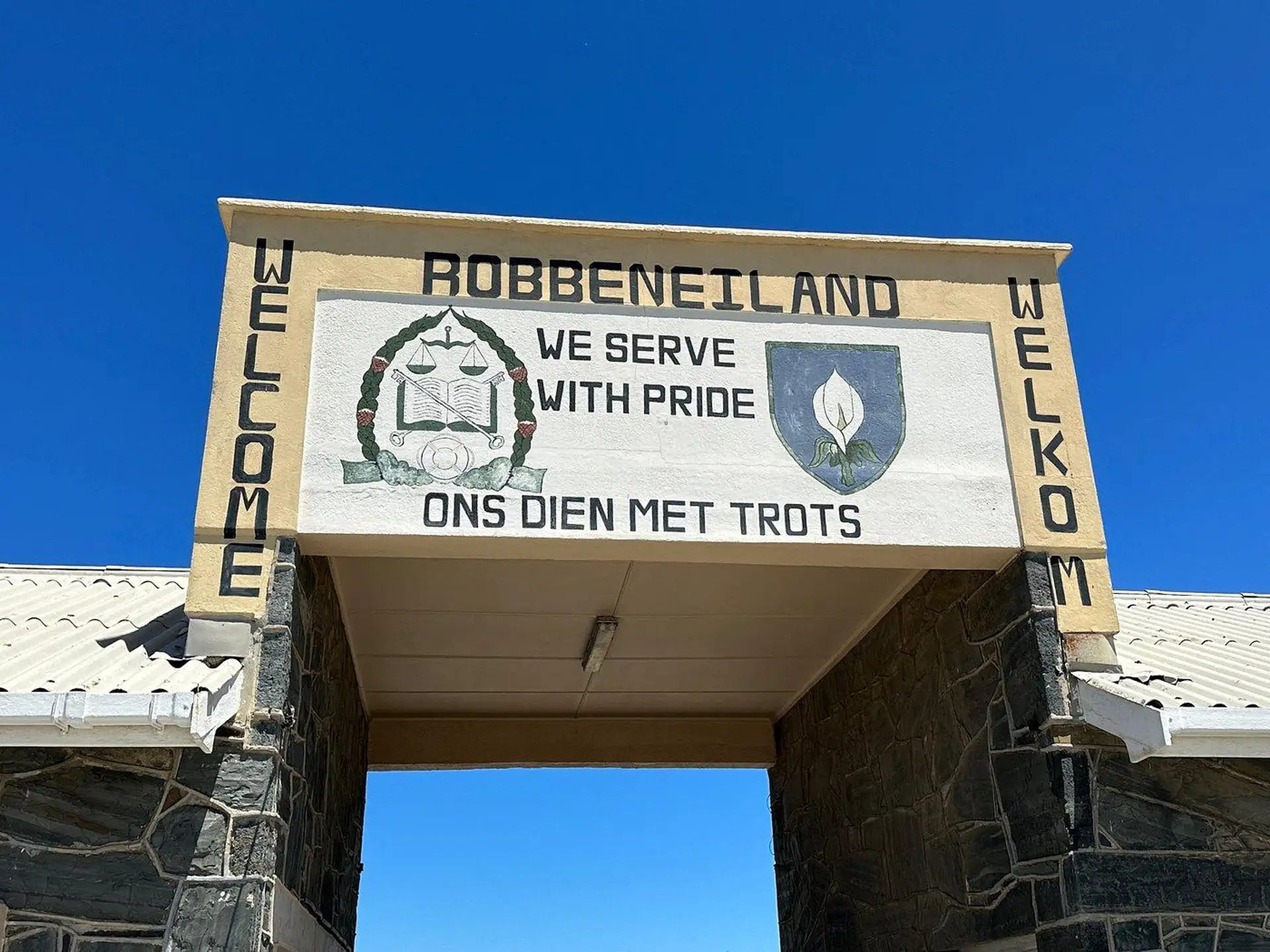
Tuan Guru was an Indonesian Prince exiled to the Cape of Good Hope by the Dutch East India Company in 1780, where he became a central figure in South African Islam. While imprisoned on Robben Island, for 11 years, he wrote four full copies of the Quran from memory. Historians have checked all of Tuan Guru’s handwritten Qurans. They found less than four total errors across all four Qurans. He established the first madrasah (Muslim Religion School) and the first Mosque, Auwal Mosque, in South Africa, built in 1794, leaving a lasting legacy on the country’s Muslim community and cultural history.
Islam played — and continues to play — a vital role in shaping Bo-Kaap’s identity. Many of the early residents were devout Muslims who preserved their traditions, language, and culinary heritage despite centuries of oppression. The sound of the adhan (call to prayer) drifting across the neighbourhood is more than just a religious moment — it’s a thread connecting past and present.
🍛 Flavours of Bo-Kaap
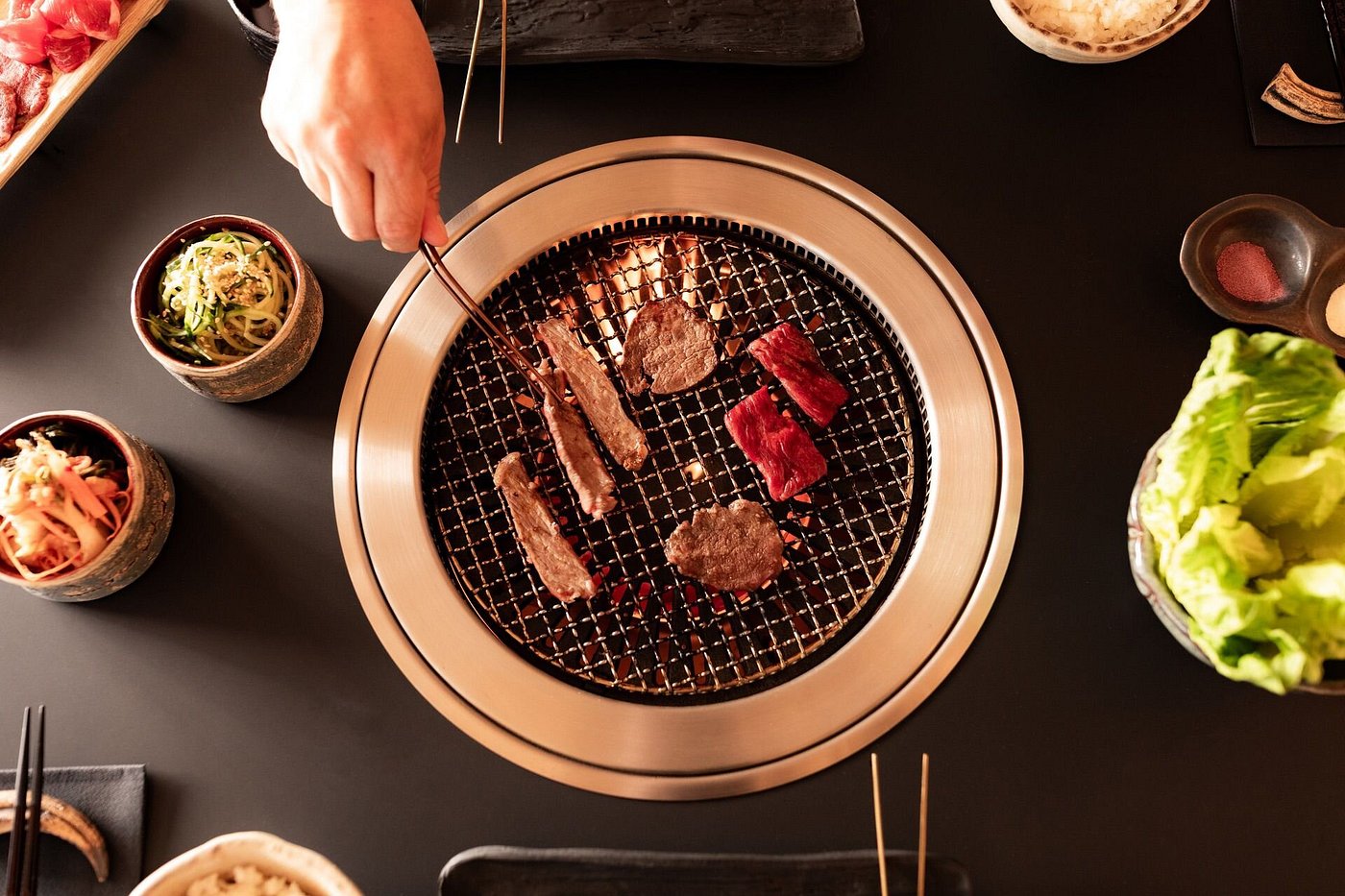
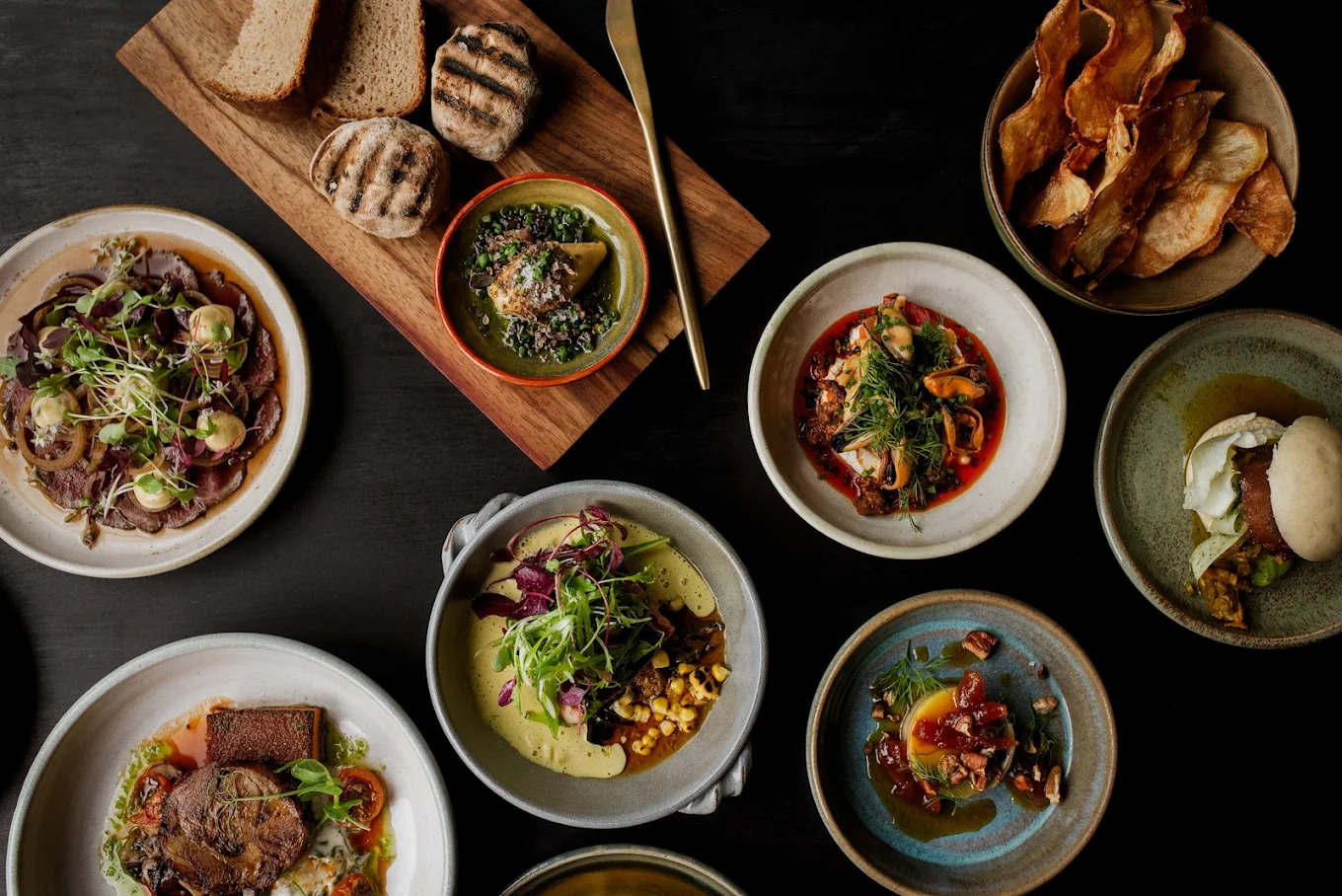
No visit to Bo-Kaap is complete without indulging in its rich Cape Malay cuisine — a fusion of aromatic spices, hearty stews, and sweet delights that reflect its diverse roots. Think fragrant curries, samoosas, bobotie, and koesisters dusted with coconut.
Join a local cooking class — many families open their kitchens to travellers, sharing recipes passed down through generations. It’s an experience that fills more than your stomach; it fills your soul.

🏘️ A Living Heritage
Bo-Kaap isn’t a museum — it’s a living, breathing neighbourhood. Families who have lived here for centuries still gather on stoops to chat, share meals, and celebrate holidays. But gentrification has brought change and challenges. Rising property prices and Property Developers threaten to displace long-standing residents and erode the community’s character.
Locals have responded with remarkable resilience. Heritage associations and community groups are fighting to preserve Bo-Kaap’s identity and have successfully had it declared a Heritage Protection Area and Bo-Kaap has 19 sites declared as National Heritage Sites, ensuring its protection from unsustainable development and preserving its rich cultural, architectural, and historical landscape.

📸 Visiting Respectfully
It’s easy to get lost in the Instagram-worthy facades, but Bo-Kaap deserves more than just a few snapshots. When visiting:
- Be respectful — it’s a residential area, not a theme park.
- Ask before photographing residents or their homes.
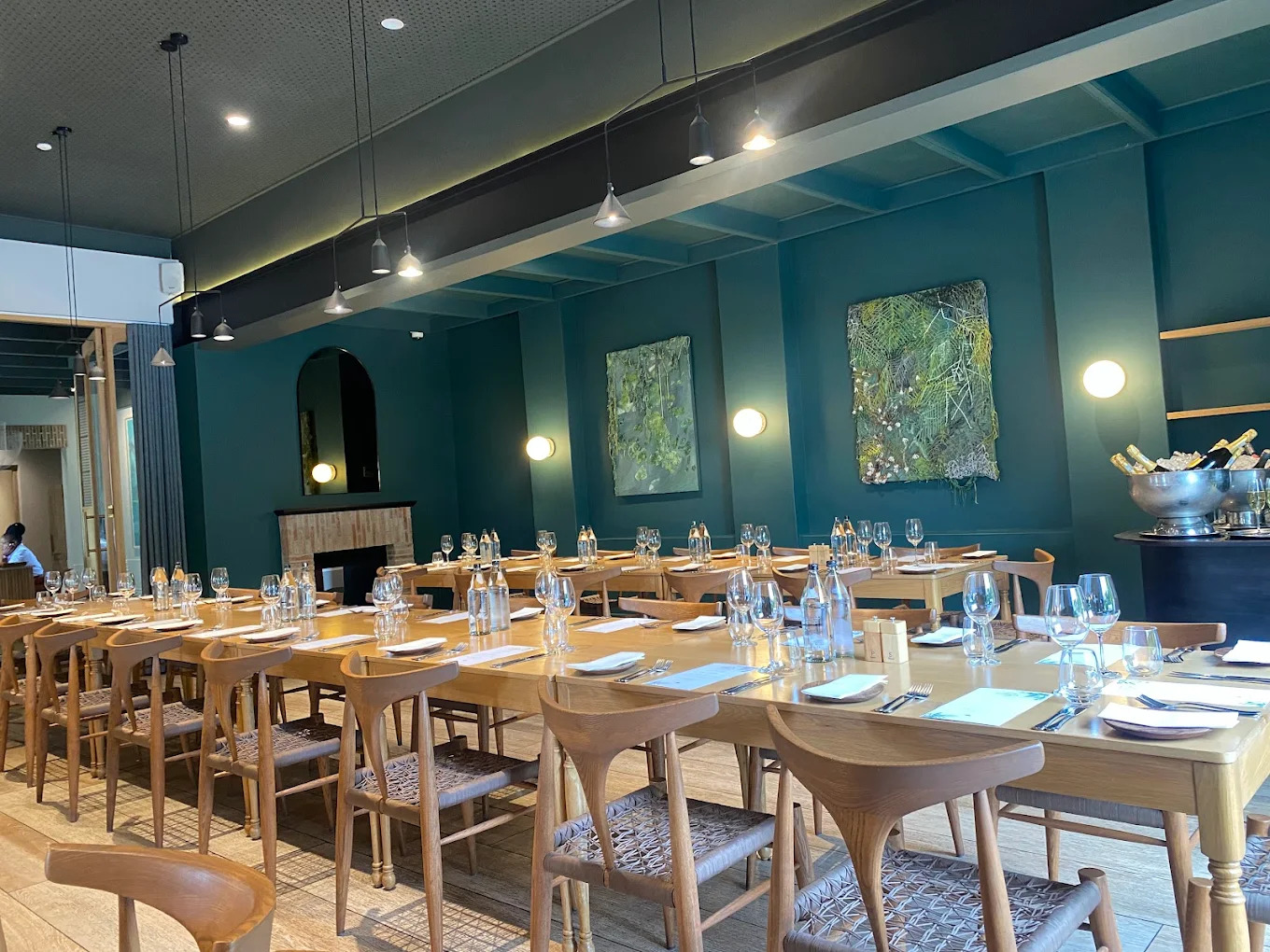
- Support local businesses — buy spices, crafts, or enjoy a meal at Bo-Kaap Kombuis Restaurant, a family-run eatery.
- Take a walking tour with a local guide to learn the real stories behind the colours.
The history of Bo-Kaap is just one compelling chapter in the city’s rich narrative. For more essential cultural sites that reveal Cape Town’s complex story, be sure to read our full guide to Cape Town’s World-Class Museums.
❤️ More Than Just Pretty Houses
Bo-Kaap’s beauty is undeniable — but its soul lies in its people, its faith, and its enduring spirit. The colours on the walls may draw you in, but it’s the stories — of freedom, family, and cultural pride — that stay with you long after you’ve left.
So next time you wander through those vibrant streets, remember: you’re not just walking through one of Cape Town’s oldest neighbourhoods. You’re walking through a living monument to resilience, creativity, and community — one brushstroke of history at a time.

Contact Us
Don’t just take a photo uncover the real story. Book a private tour with a local expert to experience the vibrant heart of Bo-Kaap.
For a deeper dive into the community’s heritage and the complex history of the Cape Malay people, consider visiting the official Bo-Kaap Museum, which is housed in one of the oldest buildings in the area and provides critical context to the neighbourhood’s identity and struggles.