Exciting Wheelchair-Friendly Things to Do in Cape Town
Accessible for people who use wheelchairs or have limited mobility.
Easy to Get Around & Relaxed Strolls in a Wheelchair:
V&A Waterfront waterfront
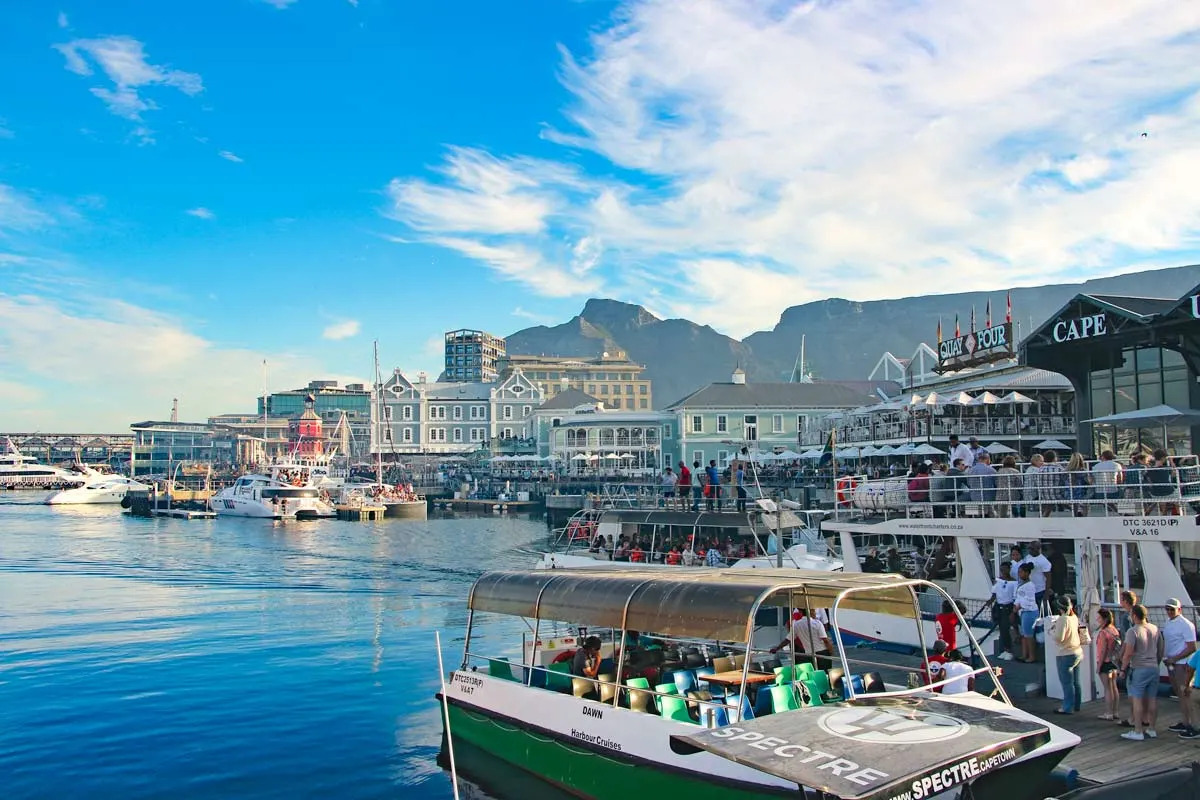
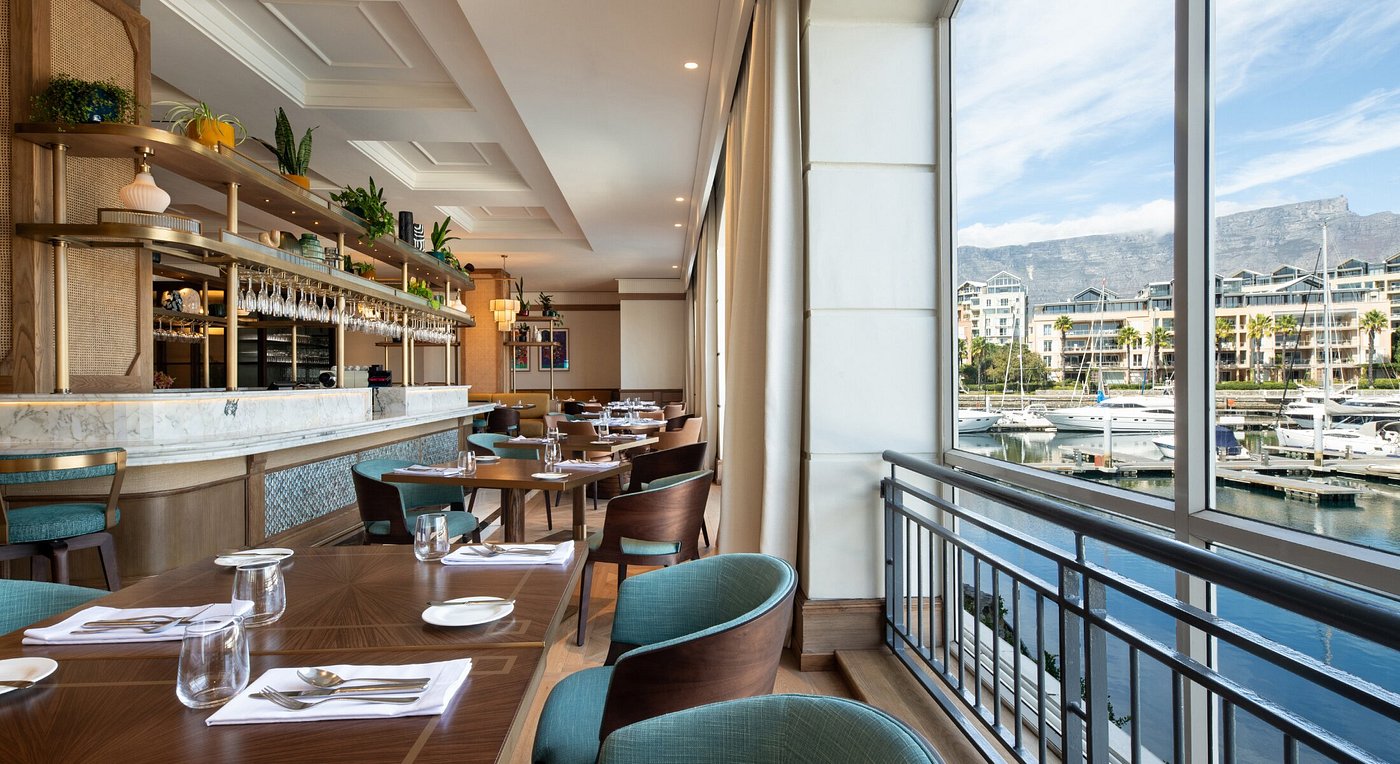
The entire V&A Waterfront precinct is mostly wheelchair-friendly with wide, flat walking areas that are easy to roll on, as well as, lifts. It’s great for a leisurely day out exploring shops, restaurants, markets and views over the harbour. Many museums and exhibitions (like Zeitz MOCAA) are also wheelchair-accessible here. Most entrances and public zones are step-free, and where there are steps, there are usually ramps or alternative accessible routes nearby. There are disabled parking bays in all of the main parking garages for easier drop-off and access. You’ll find accessible toilets in convenient locations throughout the precinct.
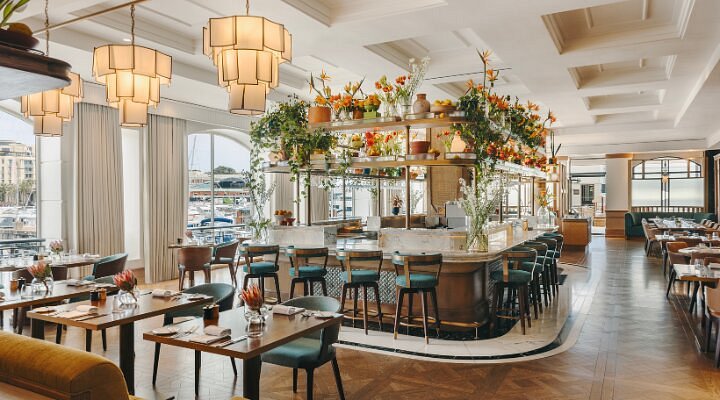
The main promenade and shopping areas are paved and smooth, with gentle gradients rather than steep slopes which are good for wheelchair movement. Places like The Watershed (the large craft and food market) are on flat ground too, though some cobbled spots can feel a bit bumpy under wheels. Many dining venues at the Waterfront have accessible entrances and seating, though it helps to call ahead to ensure they reserve a comfortable space for you. The Cape Wheel at the V&A Waterfront, with wheelchair-accessible cabins, offers 360° panoramic views of Cape Town. It’s a lovely way to see the city from above. The Two Oceans Aquarium is also an accessible attraction with ramps and wide walkways. The V&A Waterfront is one of Cape Town’s most accessible outdoor destinations with ramps, level surfaces, good facilities and a lively atmosphere, making it easy to spend hours exploring without major mobility barriers.
Sea Point Promenade
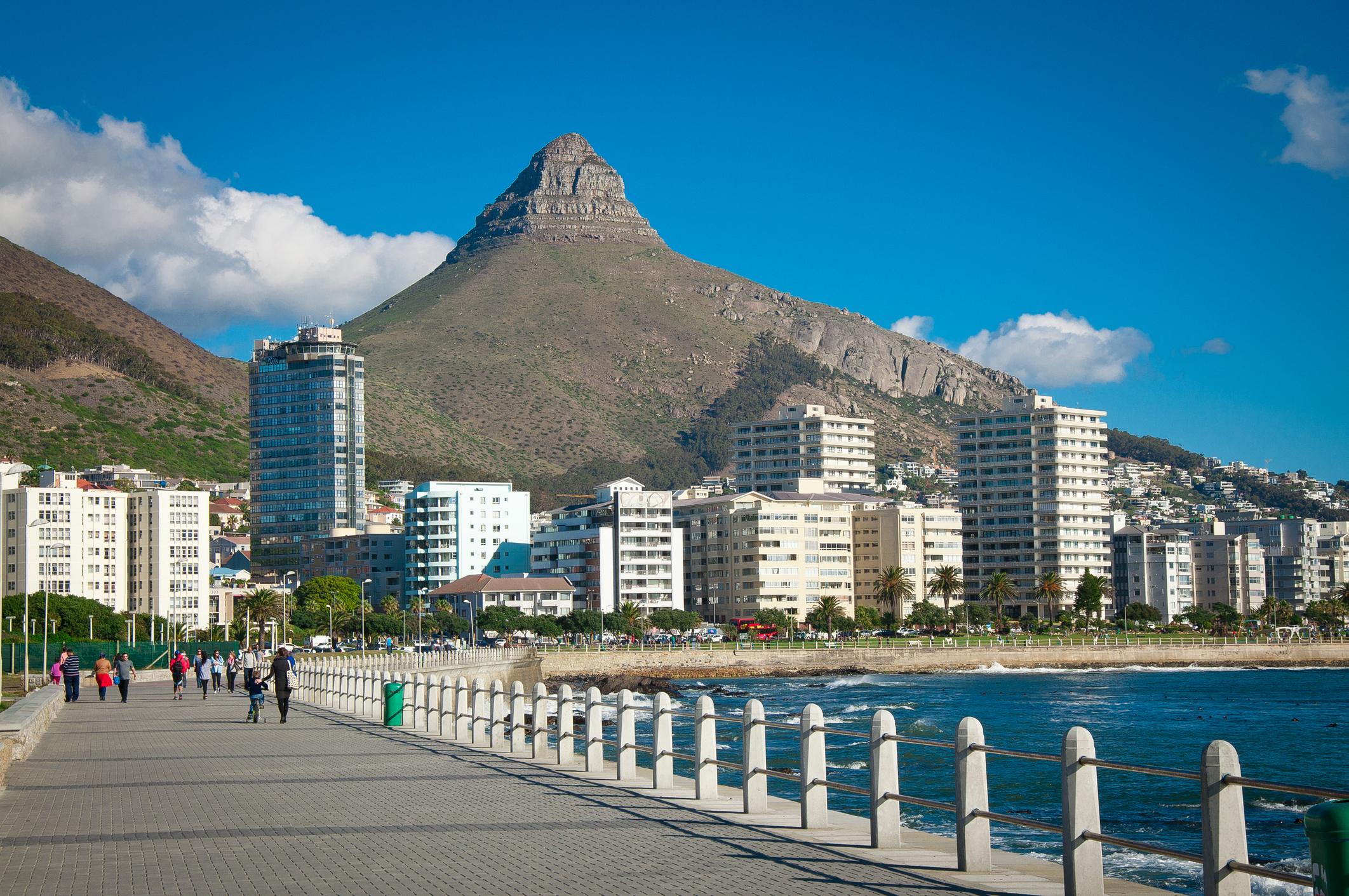
Exploring the Sea Point Promenade by wheelchair is highly recommended, as it is one of Cape Town’s most accessible outdoor spaces. The Sea Point Promenade features a 3.8km stretch of flat, wide, and paved pathways that wrap around the Atlantic coastline. The entire promenade is level and well-maintained, providing a smooth surface for both manual and motorized wheelchairs.Designated wheelchair-accessible parking bays are available at various points, including the Sea Point Pavilion Parking Lot and 397 Sea Point Promenade Parking.Public facilities along the route include clean, accessible toilets designed for wheelchair users and those with carers.
Points of Interest:
- Sea Point Swimming Pools: The pavilion includes a ramp for easier access to the pool area.
- Public Art: You can easily view various art installations located directly on the paved route.
- Pavillion Gardens: Offers shaded seating and level pathways for a more tranquil experience away from the main thoroughfare
Green Point Urban Park

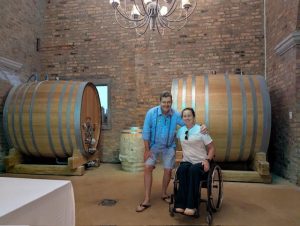
Exploring the Green Point Urban Park by wheelchair is a seamless experience, as it was specifically designed with universal access in mind. The 12.5-hectare park offers a peaceful, flat environment with stunning views of Table Mountain and the Cape Town Stadium. Wide, paved, and flat pathways wind throughout the entire park, making it easy to navigate for both manual and motorized wheelchairs. While the internal winding paths of the labyrinth are too narrow for wheelchairs, it is encircled by careful designed resting benches include dedicated spaces for wheelchairs.
The labyrinth area features “touch labyrinths” at wheelchair height, allowing visitors to trace the patterns with their fingers while enjoying the scent of surrounding lavender. The park includes innovative triple-level water fountains designed for standing adults, wheelchair users, and pets. The park features an inclusive playground with equipment like nest swings and inclusive accessible to children with limited mobility.
Designated wheelchair-accessible parking is available directly at the main entrance on Fritz Sonnenberg Road. Multiple clean, wheelchair-accessible public toilets are located within the park, typically near the snack bar or entrance. Tea in the Park is a fully accessible, dog-friendly restaurant with ramped entrance and level seating. The park is a short distance from MyCiTi bus stops and the City Sightseeing “Hop-On Hop-Off” bus (Stop 12), both of which are wheelchair accessible. If you enjoy community events, the Green Point Parkrun held every Saturday morning follows a flat, 5km route that is fully inclusive for wheelchair participants.
Table Mountain Cableway Tablemountain
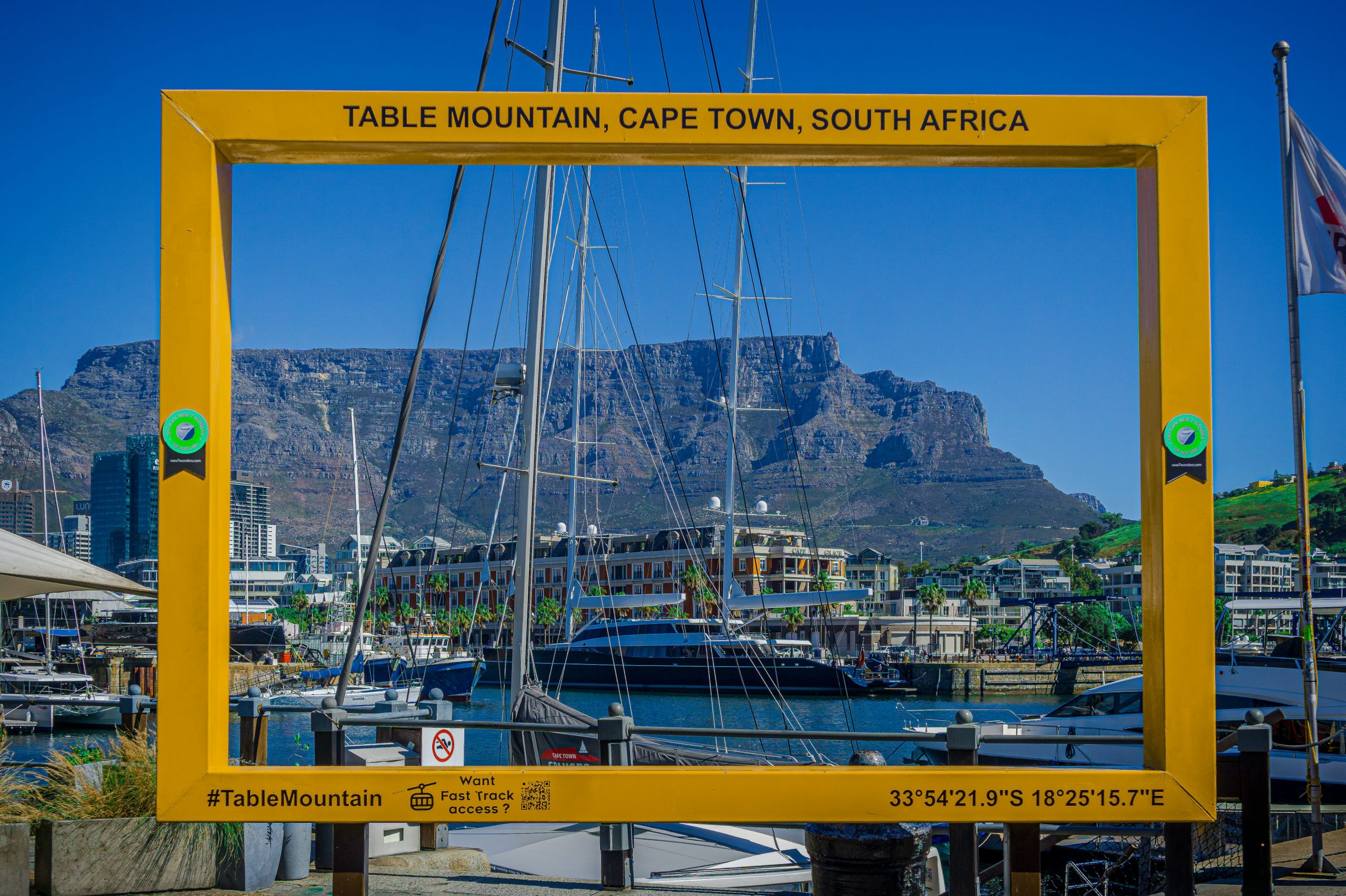
Exploring Table Mountain by wheelchair is a world-class experience, with the Table Mountain Aerial Cableway providing full accessibility from the lower station to the summit. The aerial cable car up Table Mountain has ramps, paved paths and accessible viewpoints at the top, making panoramic vistas possible for wheelchair users too. Wheelchair users receive priority ticketing and skip-the-line access to the lifts that lead to the cable car boarding platform. The Cable Car features level flooring and rotating bases, ensuring every passenger gets a 360-degree view regardless of where they are positioned. Visitors with physical impairments and one accompanying assistant are eligible for discounted tickets. The summit features a series of circular routes with paved or chip-stone surfaces. While some areas have stairs, there are sufficient level walkways to enjoy the major viewpoints.
The TEN67 Eatery is equipped with ramps, and a special elevator provides access to the VIEWS by De Grendel Wine Bar. Accessible toilets are located both at the Lower Cable Station and inside the building at the Upper Cable Station. The Shop at the Top has ramped access, though the interior can be narrow when busy. Dedicated disabled parking bays are available at the Lower Cable Station. Simply show your valid parking disc to the “green team” staff upon arrival. A dedicated Wheelchair Navigation Route Map is available to help you avoid stairs and steep inclines.
Kirstenbosch National Botanical Garden sanbi
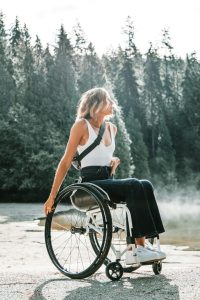
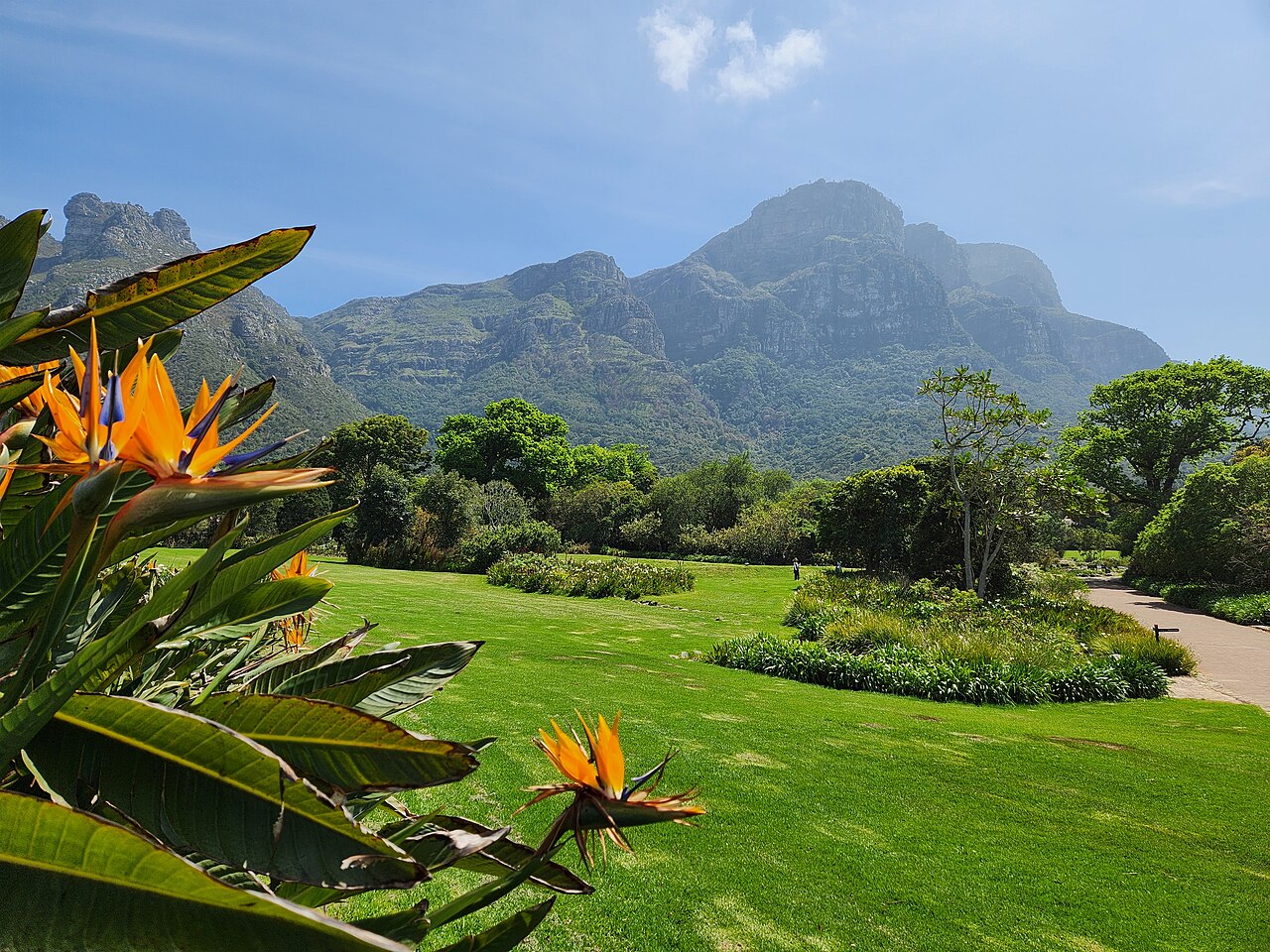
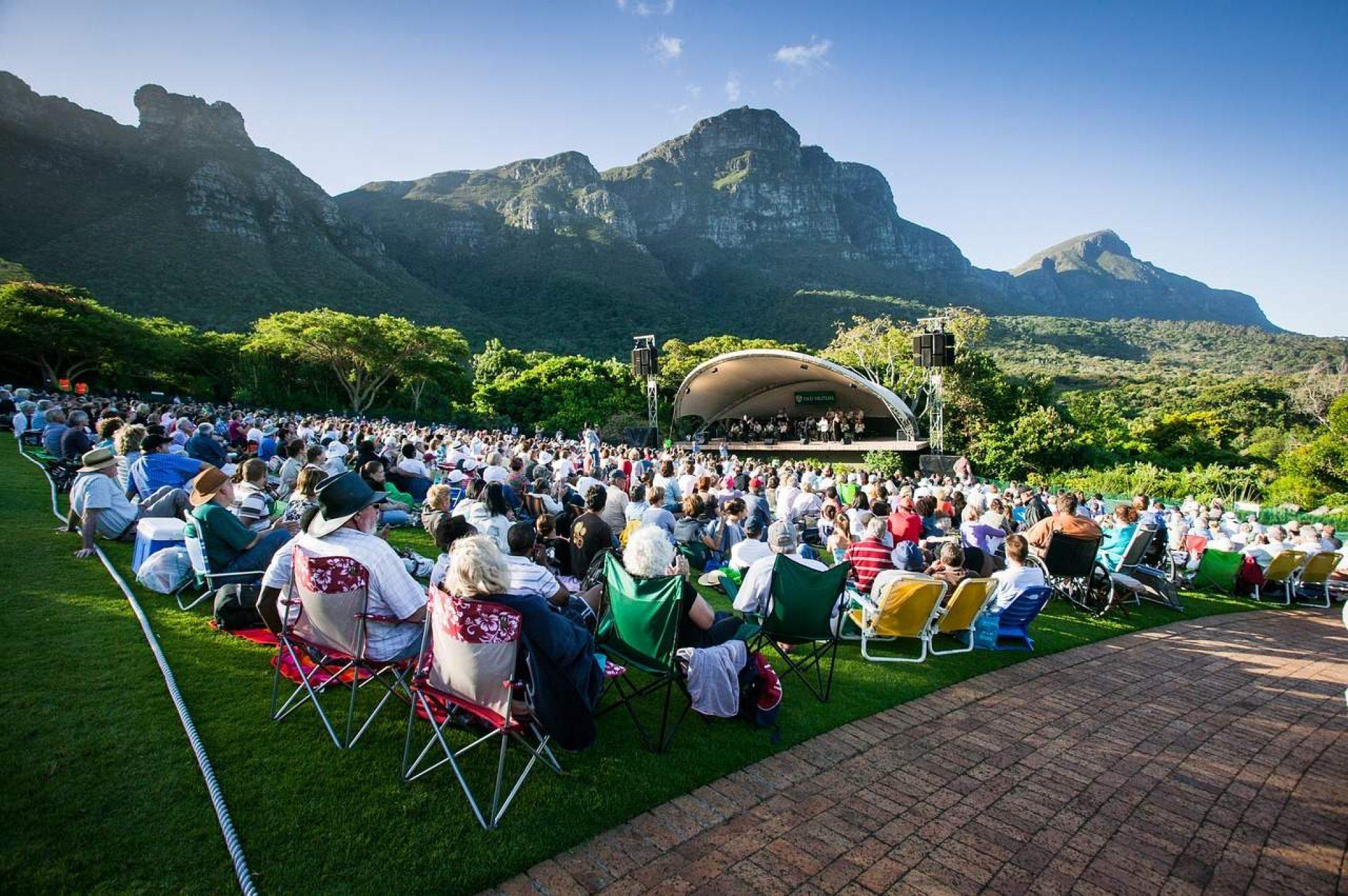
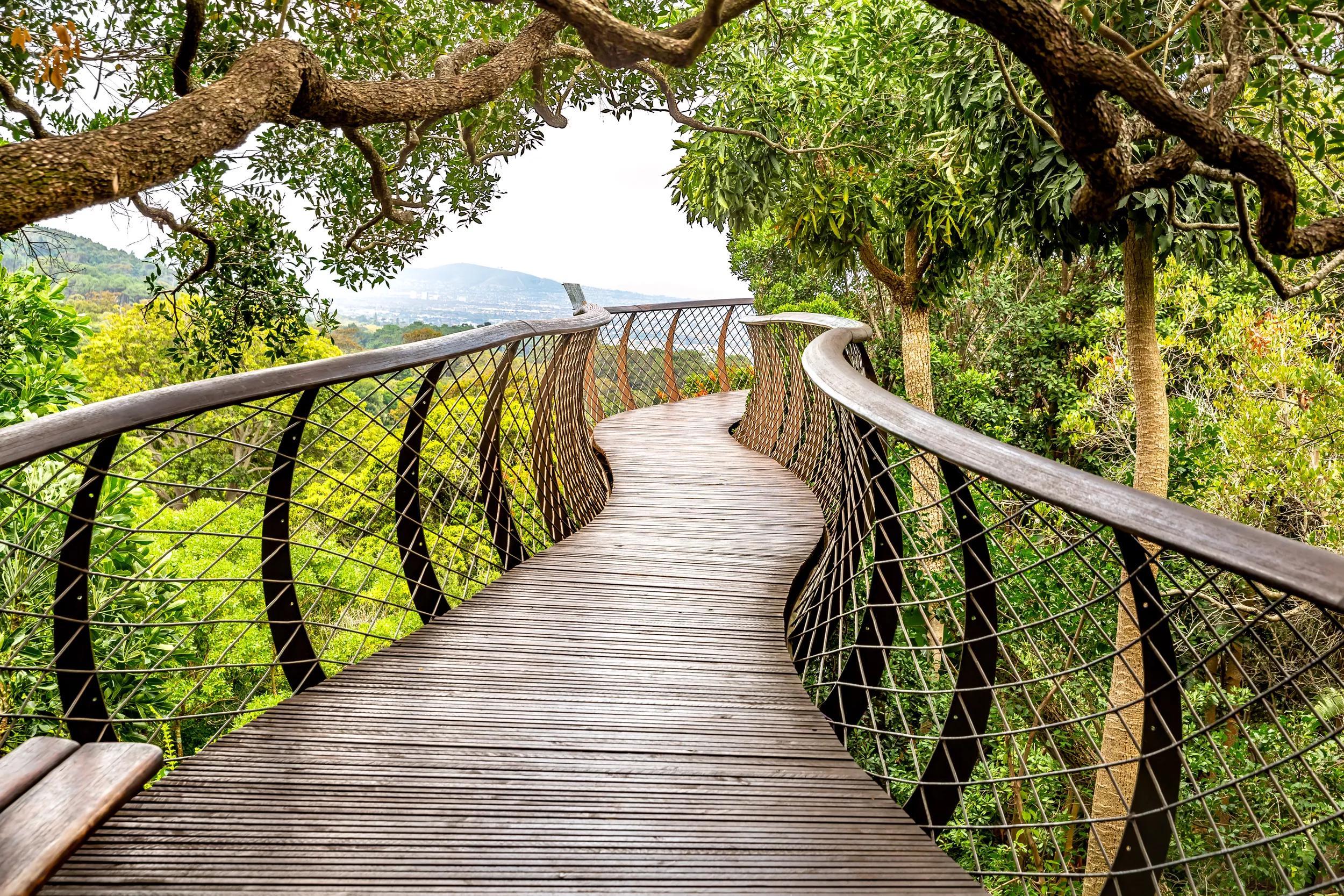
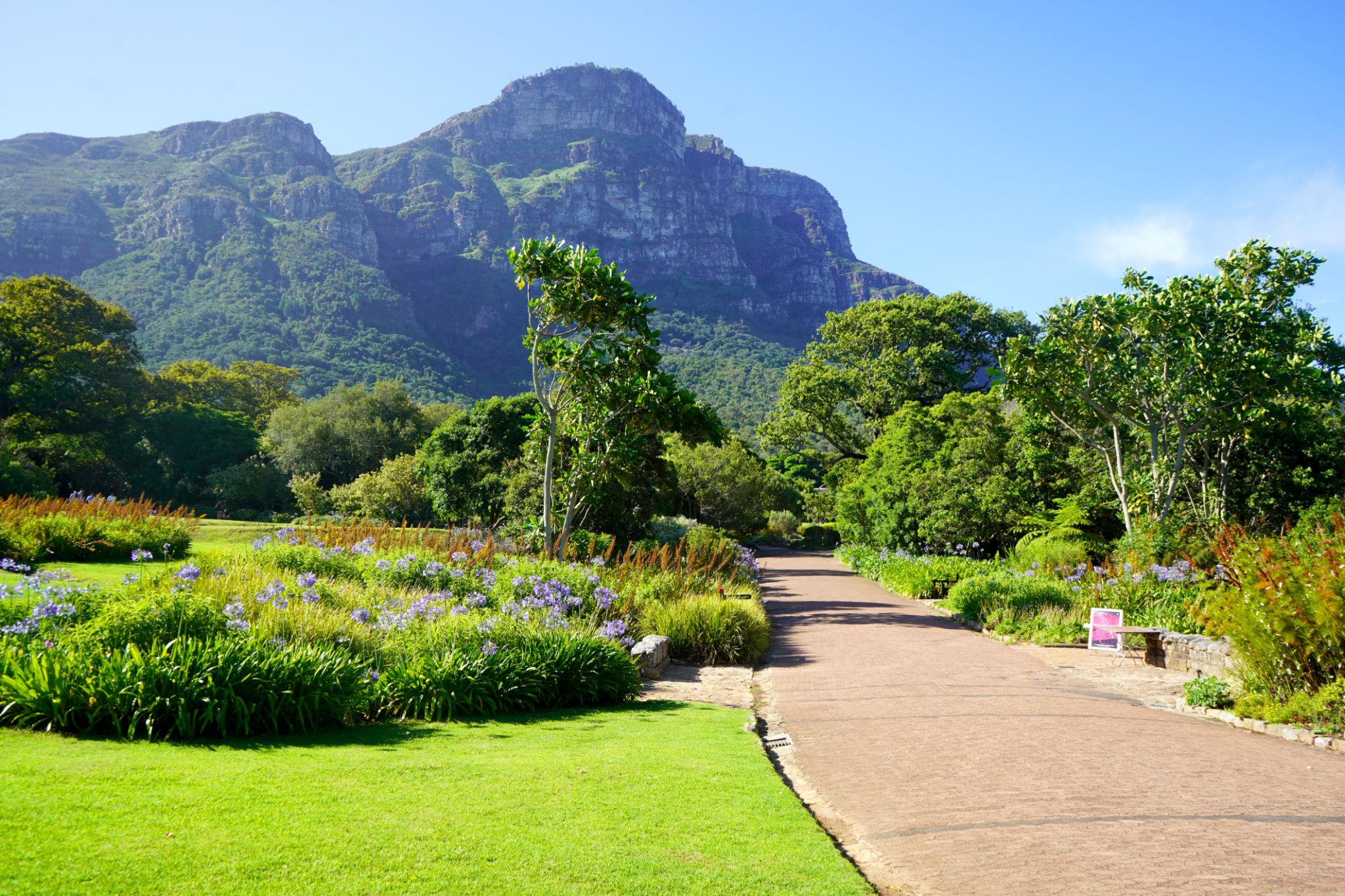
Exploring Kirstenbosch National Botanical Garden by wheelchair is highly rewarding, though it requires strategic planning due to the garden’s position on a steep mountain slope. Approximately 50% of the cultivated garden is considered wheelchair-friendly, featuring paved paths and ramped facilities. The Centenary Tree Canopy Walkway (“The Boomslang”) is a 130-metre elevated walkway that is wheelchair-accessible. However, it is located on a steep upper slope. Visitors are advised to enter via Rycroft Gate (Gate 3) and use the vehicle-access gate for the shortest path to the eastern entry point. Assistance is strongly recommended to navigate the mulch paths and gradients leading to it.
The flattest and most accessible sections include the area between Gate 1 and Gate 2, the Main Lawn, the Conservatory, and the Sculpture Garden. The Braille Trail is a circular trail through the forest and is step-free and uses guide ropes. While wheelchair-accessible, the surface can be rough and uneven, so assistance is advised. Designated disabled parking bays and “stop-and-drop” zones are available at Gate 1, Gate 2 and Gate 3. Spacious, accessible restrooms are located at the main visitor centres and within the garden’s restaurants. Because of the garden’s steep gradient, manual wheelchair users will likely require a companion to assist with uphill sections. Power wheelchair users should ensure their batteries are fully charged.
Boulders Beach Penguin Colony sanparks
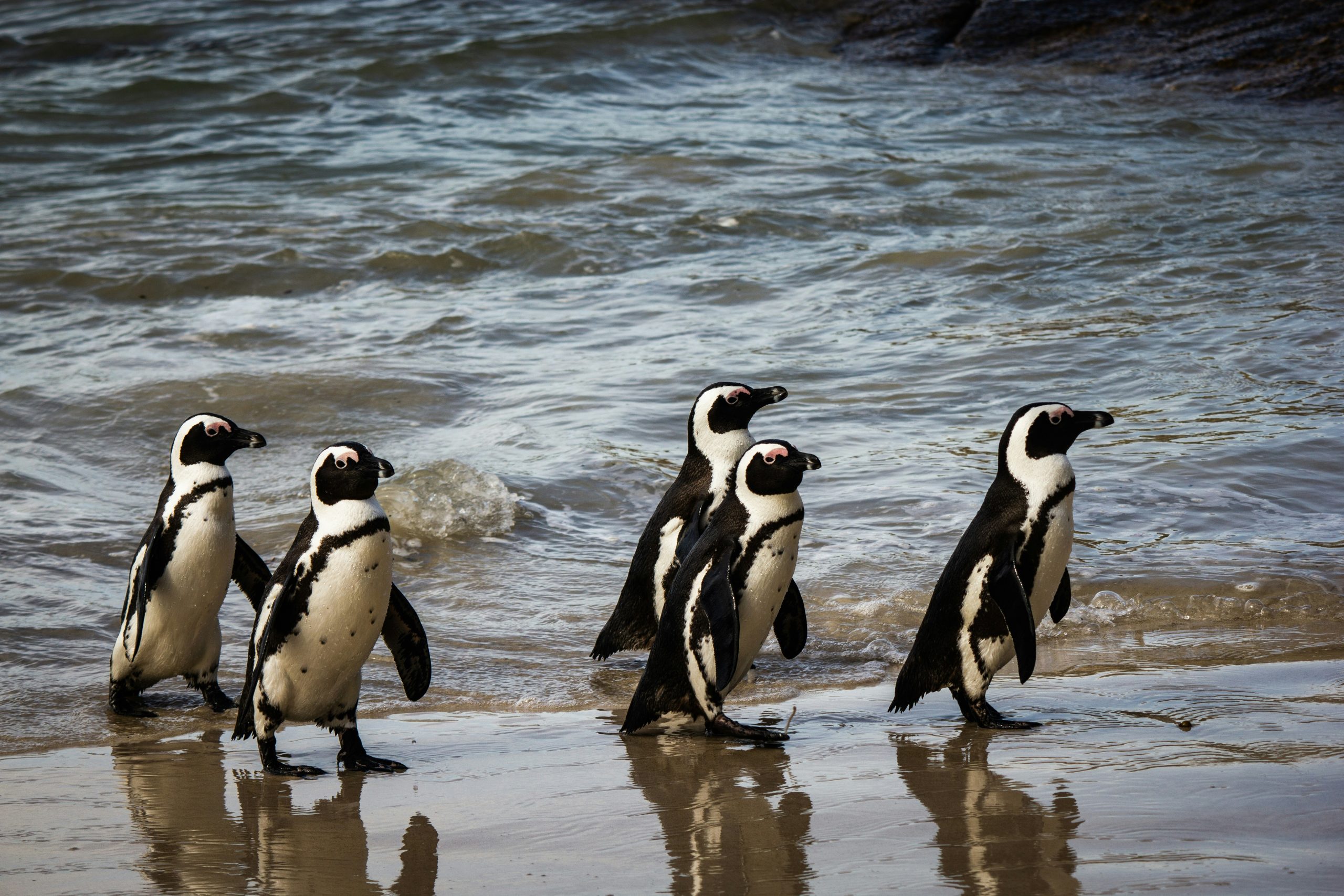
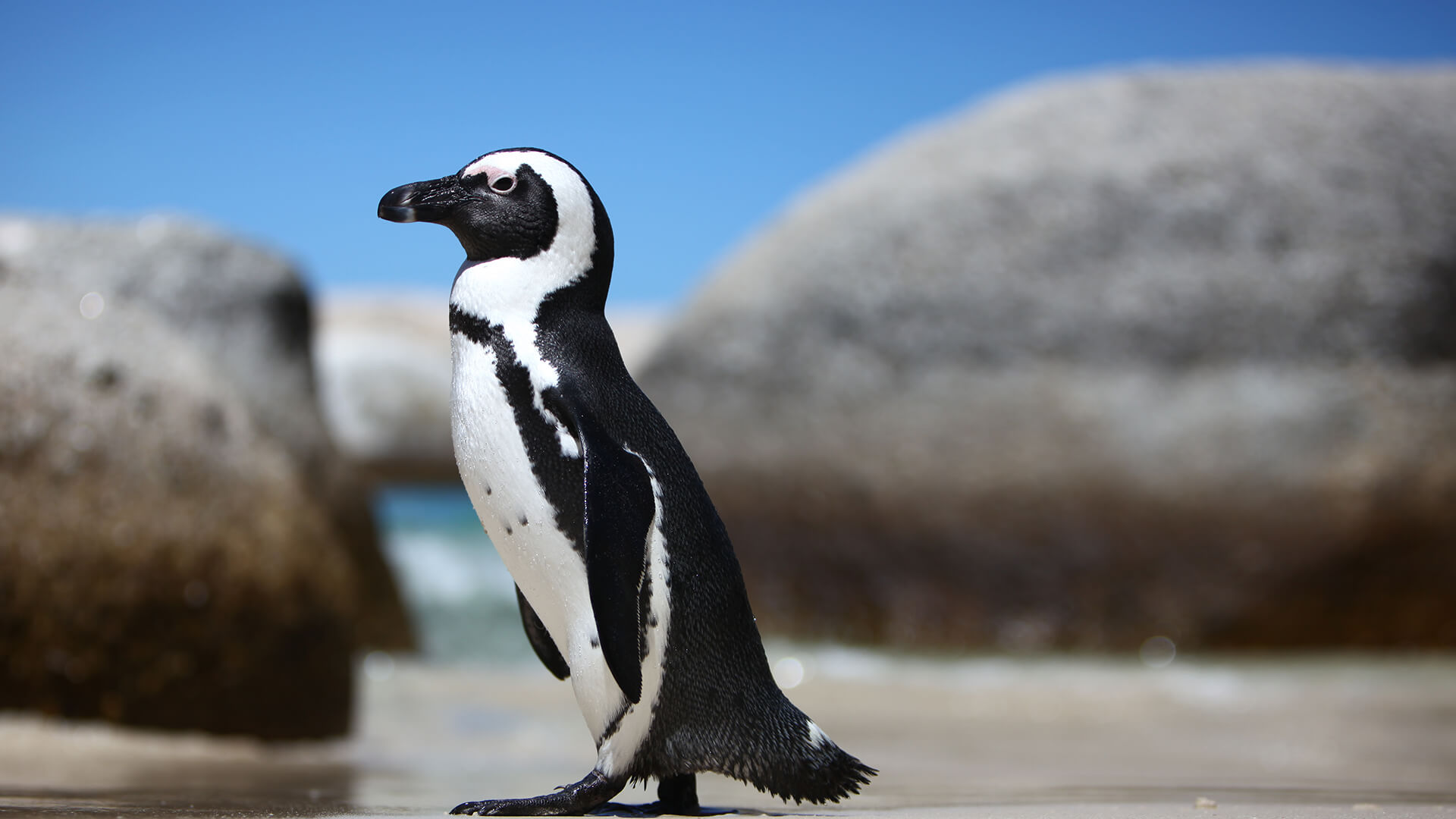
Exploring the African penguins at Boulders Beach Penguin Colony, in a wheelchair, is a wonderful and very doable experience if you’re visiting from Cape Town. There’s a network of wide, wheelchair-friendly wooden boardwalks around the penguin colony that let you get close to the African penguins without needing to navigate sand or uneven ground. These raised paths wind through vegetation and dunes right to the main viewing areas. From these boardwalks you’ll be able to see the African penguin up close in their natural habitat, watch them waddling, nesting, and interacting, all from a smooth and firm surface that’s suitable for most wheelchairs.
The boardwalks also include resting spots and gentle ramps to help you move around comfortably. There’s often designated wheelchair parking near the entrance and accessible toilets with grab rails and adult-changing facilities. The reserve also has a visitor centre with information about penguin conservation and the best spots to view them and it’s also wheelchair accessible too. The real highlight for wheelchair users is the boardwalk and penguin viewing platform. The actual sandy swimming beach at Boulders itself isn’t wheelchair-friendly because of the sand and steps. You can still experience the environment, coastal views, and penguins without going onto the sand which for many people is enough to make the visit magical.
Tips for Your Visit to the Penguins
- Arrive early to get good parking and quieter boardwalk experiences, especially during peak season (summer months).
- Respect the boundaries by stay on the boardwalk and avoid approaching the penguins too closely; they are protected and can bite if startled.
- Bring water, sun protection, and a camera. Penguins are adorable and active throughout the year.
Table Mountain National Park sanparks
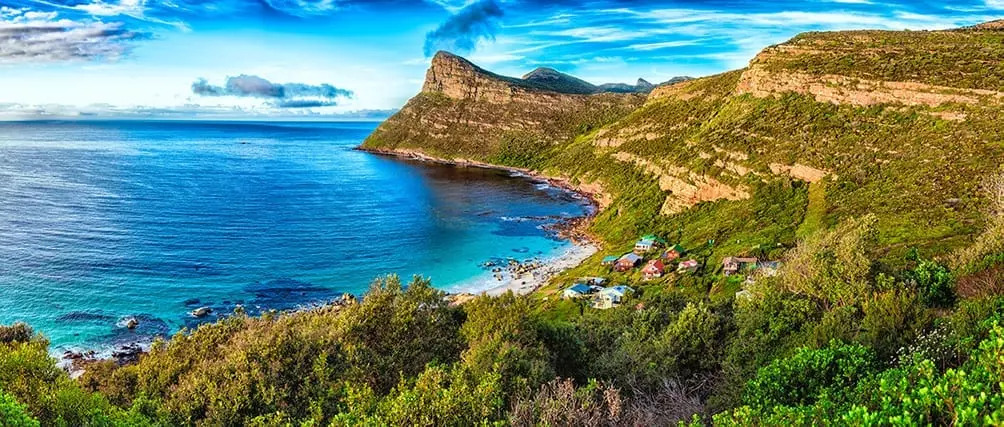
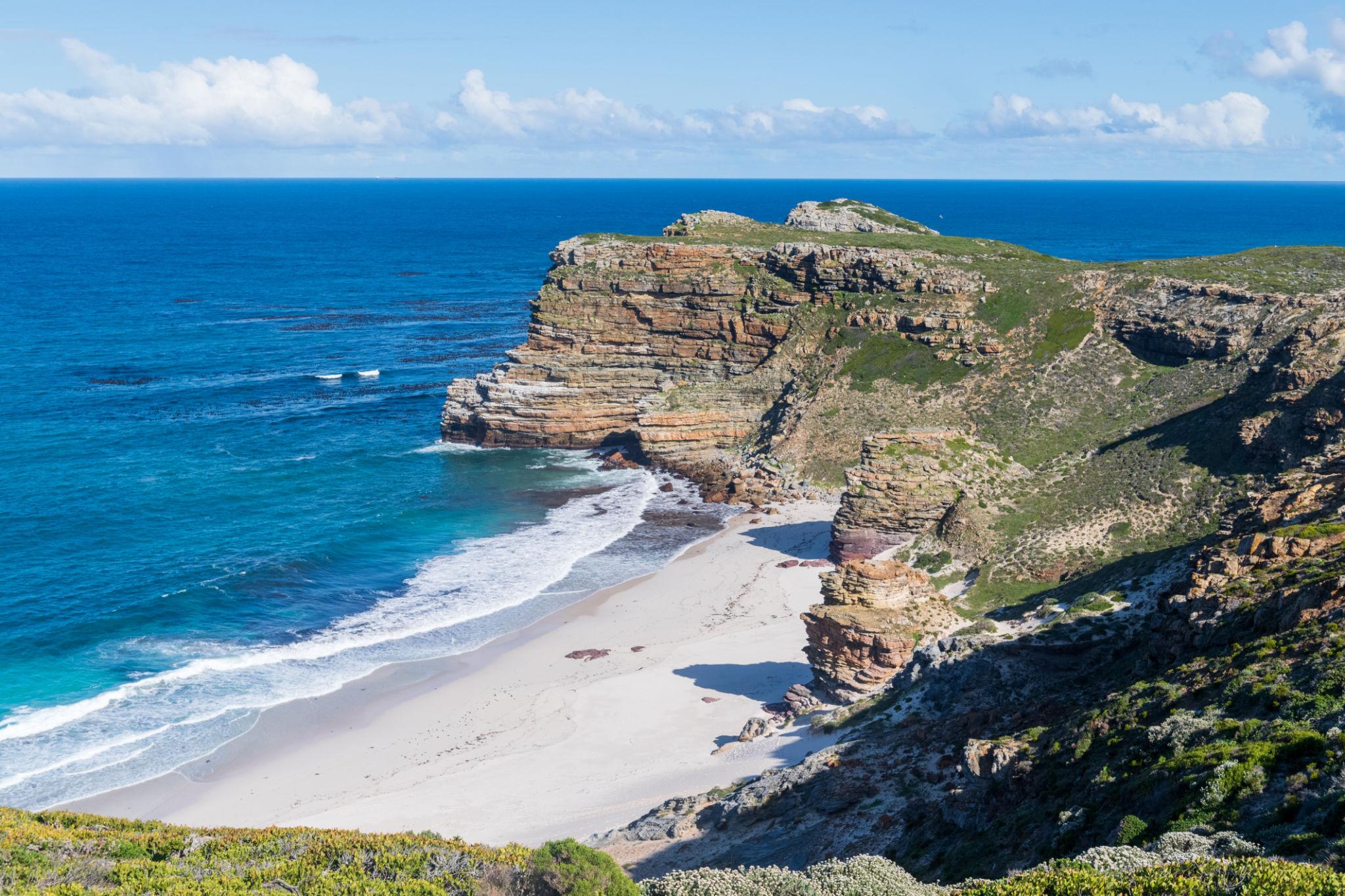
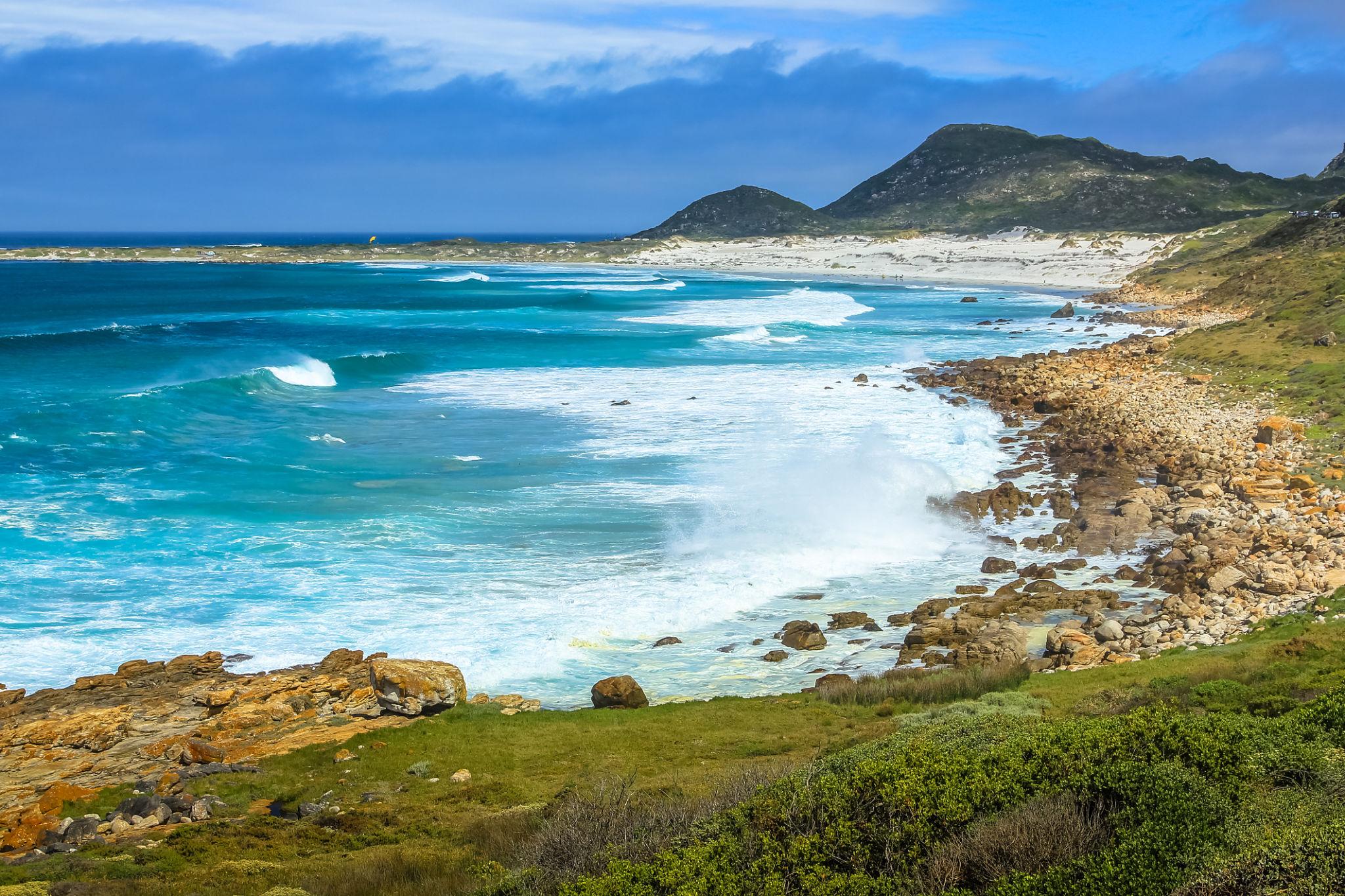
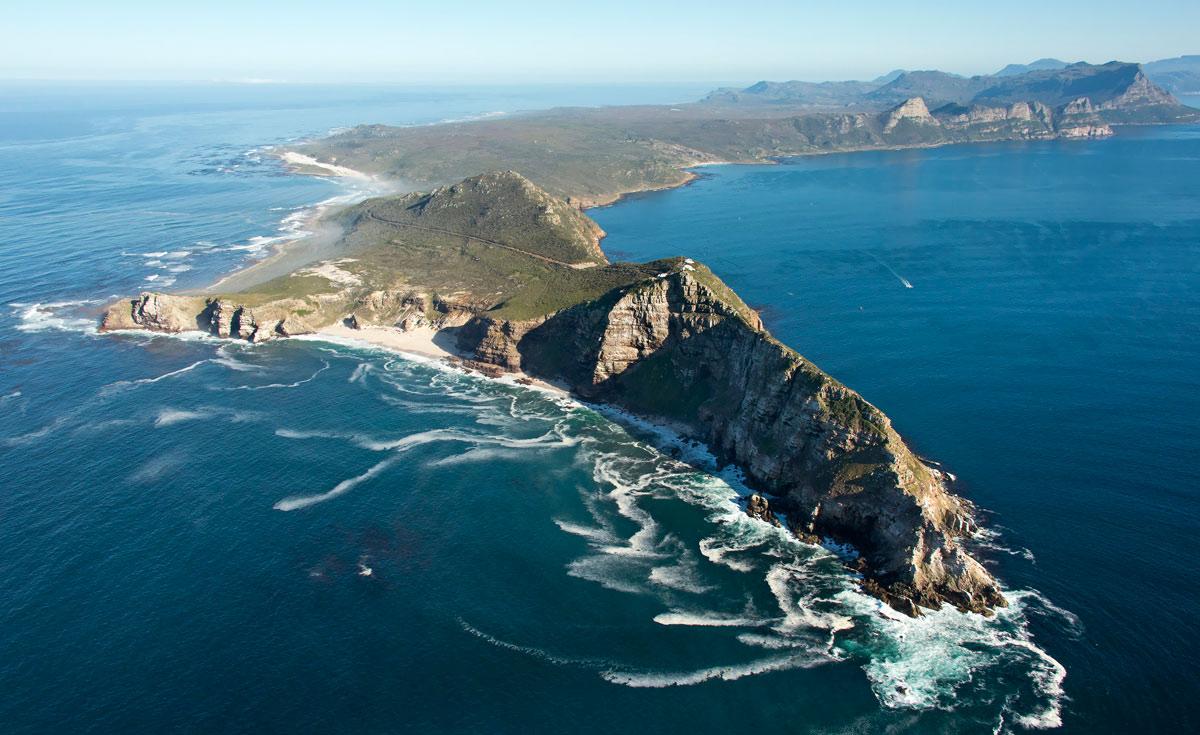
Visiting Cape Point Nature Reserve in a wheelchair can be a truly rewarding experience. The sweeping ocean views, rich flora and wildlife, and dramatic coastal scenery make it a memorable day trip from Cape Town. Here’s what to expect and how to plan your visit with mobility challenges in mind. The reserve is part of Table Mountain National Park and is accessed by road; most people arrive by hired car, tour shuttle, or private driver. Roads around the reserve are paved and accessible, with designated parking bays for people with mobility impairments close to key facilities.
One of the best parts of Cape Point for wheelchair users is the Flying Dutchman funicular. It’s a wheelchair-friendly train that takes you from the main car park to an elevated viewing area overlooking the dramatic False Bay coastline. There is a special gate and ramp for wheelchairs to board, and the ticket area is accessible too. The lighthouse itself isn’t wheelchair accessible because it’s reached by stairs. You can still enjoy the spectacular views from the funicular upper station and nearby platforms. Around the funicular upper station and other key lookout points, there are well-maintained paths and viewing platforms that are easier to navigate in a wheelchair. Ramps and gentle slopes replace many sets of steps. Some paths around the reserve, especially closer to beaches or deeper nature trails, can be uneven and hilly — so a companion and possibly additional support may be helpful for those sections.
Two Oceans Restaurant (near the lower funicular station) and several shops have wheelchair access and space inside. Accessible toilets are available in several spots, including near the funicular and restaurant. Buffels Bay is a popular picnic spot with parking close by; fairly easy access for wheelchairs, though entering the water will require assistance. Other beaches like Diaz, Maclear or Olifantsbos are not easily accessible due to steps or rough paths.
Large mammals you may encounter:
- Eland – the largest antelope, often grazing in open areas.
- Cape Mountain Zebra – a rarer zebra species adapted to rugged terrain.
- Bontebok – distinctive antelope with white and chestnut coat, usually found grazing.
- Chacma Baboons – the reserve’s most visible primate; can be bold around people.
Smaller mammals, often present though not always easy to spot:
- Rock Hyrax (“dassie”) – small furry mammals on rocks and cliffs.
- Caracal and Small-spotted Genet – shy carnivores that are occasional sightings.
- Cape Clawless Otter – found near rock pools and shoreline.
Cape Point also boasts about 250 bird species, thanks to its mix of coastal, fynbos and cliff habitats.
Two Oceans Aquarium aquarium
The aquarium has wheelchair-friendly entrances and routes throughout the venue, including ramps and wide paths between exhibits. Accessible toilets and facilities are available inside. There are parking bays for wheelchair users close to the aquarium entrance if you’re driving. Smooth floors and clear signage make it easier to roll through most of the aquarium’s galleries without having to navigate stairs or difficult transitions.
The aquarium is designed so that most exhibits are viewable from wheelchair height, and you won’t miss out on the highlights:
- Kelp Forest Exhibit – tall tanks filled with local marine flora and fish.
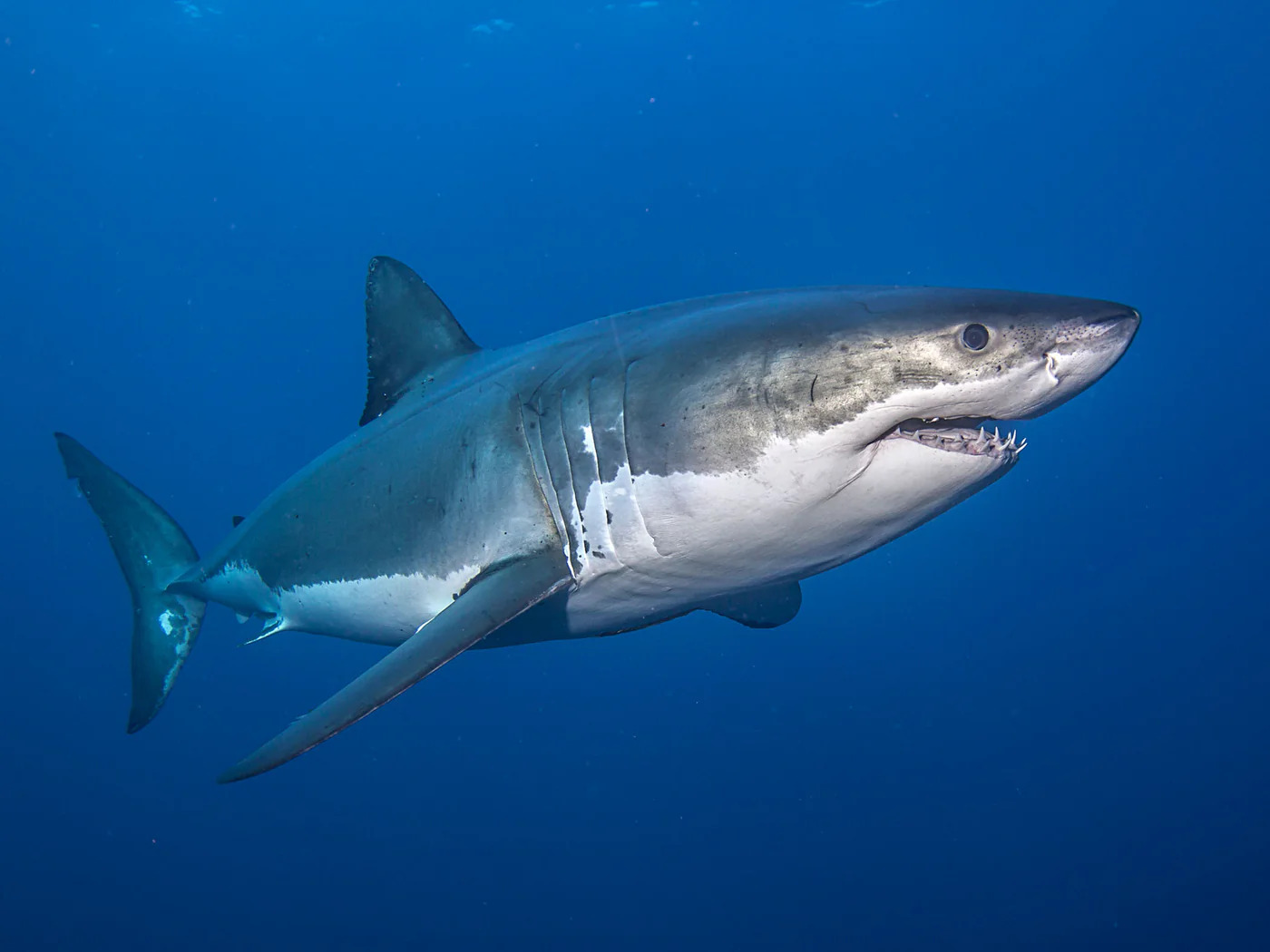
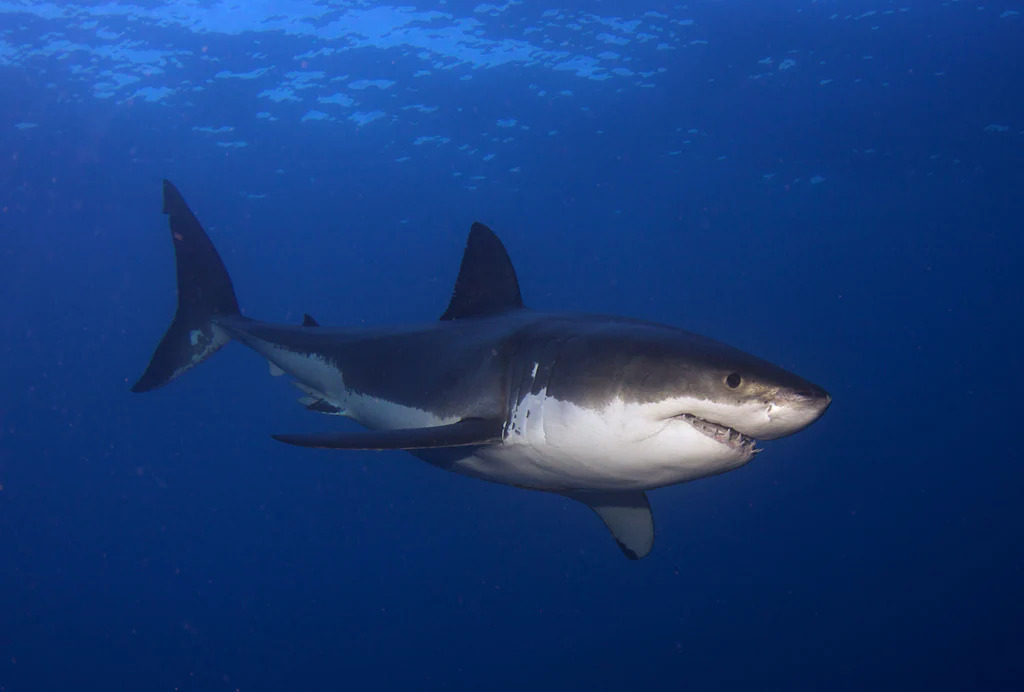
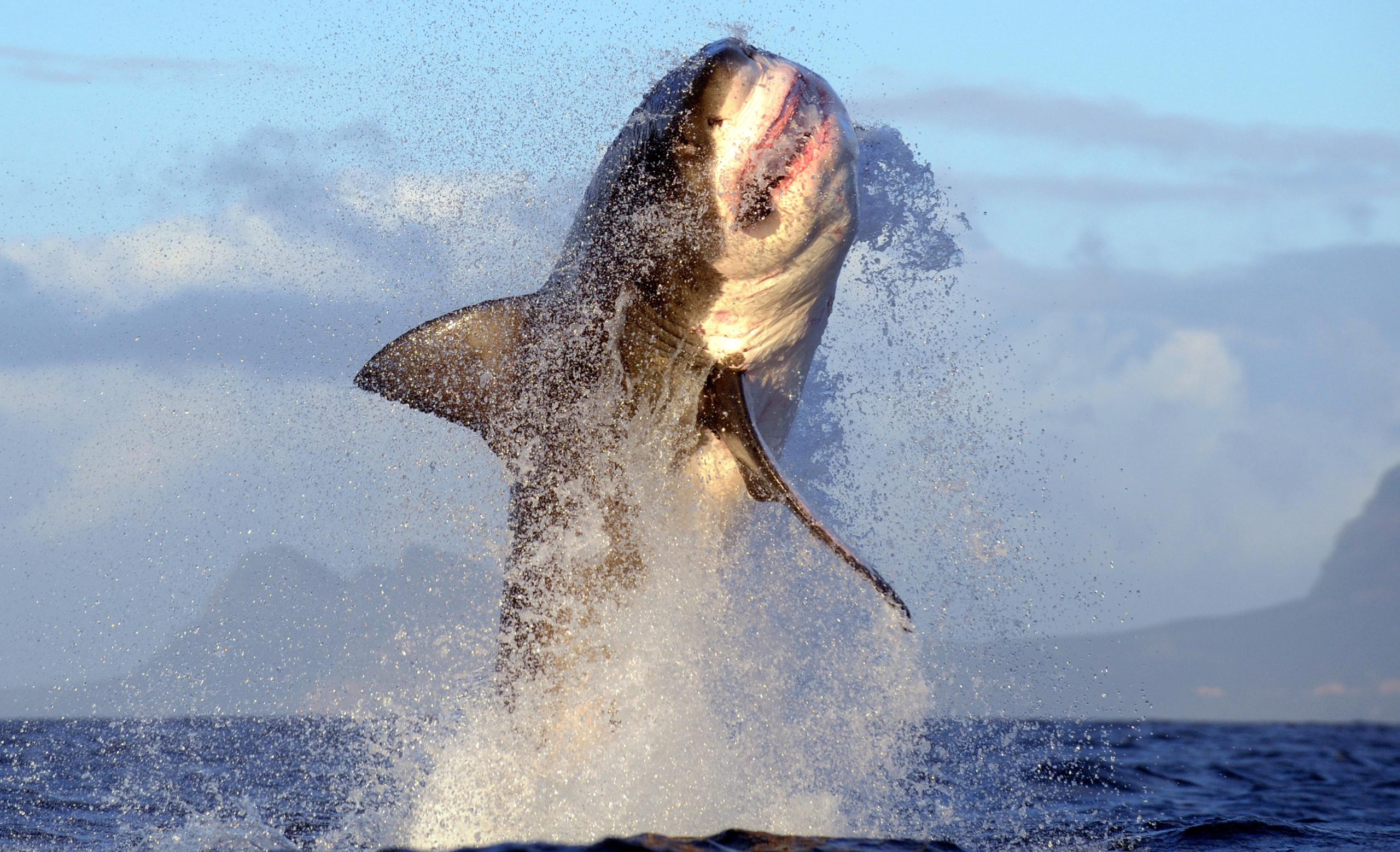
- Shark exhibits and feeding times — check the schedule on arrival.
- Penguin area – watch the playful penguins from accessible viewing areas.
- Touch pool and smaller interactive exhibits at accessible height.
Most people find that they can take their time exploring each section without feeling rushed which is especially nice if pacing matters. It’s worth booking tickets online (especially in busy seasons) so you can go straight in. Staff can point you to accessible restrooms and quieter areas to pause if you want a shorter visit or rest between exhibits. There are cafés and lounges inside and nearby at the V&A Waterfront, most with accessible seating. Visiting Two Oceans Aquarium in a wheelchair is usually a very comfortable and enjoyable experience. You’ll get to see fascinating marine life up close in a well-laid-out space with access support where needed.
Artscape Theatre Centre
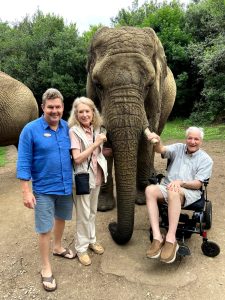
Here’s what it’s like to explore Artscape Theatre Centre in Cape Town in a wheelchair from getting to the venue and moving around the spaces to enjoying performances and facilities comfortably. There are dedicated parking bays for physically challenged visitors in the car park accessed from Jan Smuts Street, plus a drop-off area in the tunnel between the Opera and Theatre wings — ideal if you’re being dropped off or need a short walk. These must be booked in advance and are first-come, first-served. The theatre has level or ramped access from multiple entrances — including to the box office and main foyers — so you won’t need to navigate steps to enter. Automated sliding doors at the main entrances make it easier to enter and exit when rolling in a wheelchair. Public lifts (elevators) connect the ground floor box office foyer to all levels of the foyers, so you can access different areas without stairs.
In the Opera House, there are designated wheelchair spaces (around 12 spots). These must be booked in advance so they’re reserved for you. In the Theatre auditorium, there are also a few wheelchair spots available, and your companion can sit beside you. Note: some smaller venues like the Arena may not be wheelchair accessible due to layout and safety constraints, so it’s worth checking ahead for specific shows.
Accessible toilets are available on multiple levels of the venue including in the Marble and Chandelier foyers and the lower Theatre foyer with doors and spaces suitable for wheelchair users. There’s also a comfort room with accessible features where you can rest or attend to personal needs; ask front-of-house staff to assist you. Accessible seats and parking bays are limited, so book early by contacting the Artscape Box Office. Arriving at least 30 minutes before curtain time gives you time to park, enter, and get settled before the performance begins. Make sure to reserve companion seating beside your wheelchair spot when booking. It ensures you and your guest can enjoy the show together. Front-of-house staff are supportive and can help you navigate ramps, lifts, toilets, or even assistive listening equipment if needed.
Surf Emporium Adaptive Surfing surfemporium
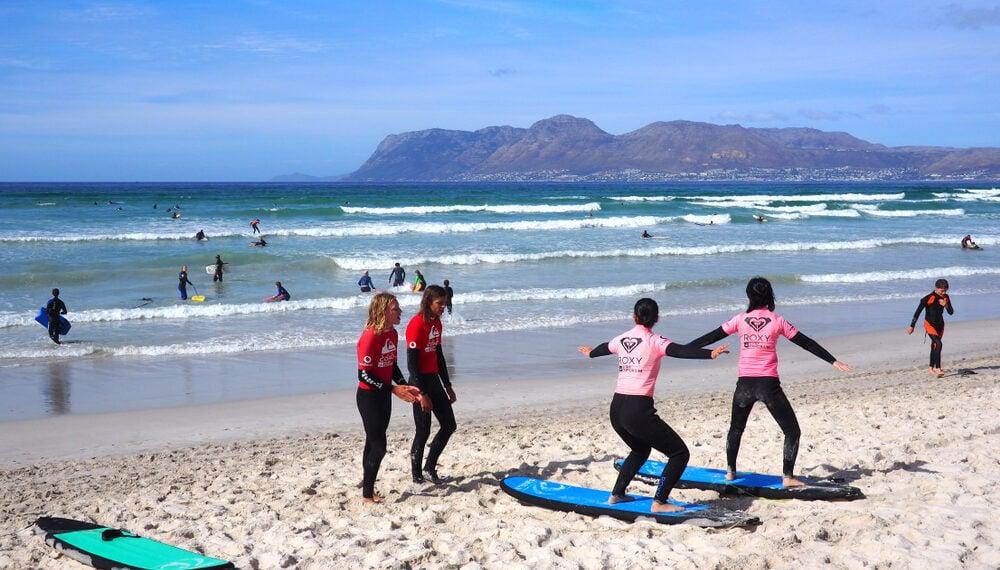
Here’s what surfing with a disability at Surf Emporium in Cape Town is like, especially if you’re interested in adaptive or accessible surfing experiences at Muizenberg Beach.
At Surf Emporium, adaptive surfing is designed to make the joy of catching waves accessible to people with a wide range of disabilities — whether physical (like paralysis or amputations), visual impairments, or other challenges. It’s part of a growing global movement (often called para‑surfing) where adaptive surfers ride waves using specialized techniques and support. Adaptive surfing lessons are customized to each person’s ability level. Coaches and volunteers help participants enter the water safely, get on the board, and catch a wave. Lessons usually run around 90 minutes, with 40–60 minutes spent in the water learning skills, balance and confidence.
First‑time adaptive surfers may be accompanied by qualified adaptive surf coaches and several volunteers, especially for people who need help with paddle‑in, positioning, or waves. The number of helpers depends on the specific needs and ocean conditions. Surf Emporium and associated adaptive surfing organisations divide participants into categories based on how they surf:
- Standing or kneeling
- Seated or prone positions
- Requiring assistance to paddle or launch
- Visually impaired surfers also take part with adapted support at sea

Many adaptive surfers describe the experience as empowering and exhilarating. The thrill of being on the board, feeling the ocean push you, and catching a wave can be hugely rewarding. For some, it’s not about competition. It’s about connection with the sea, confidence and the simple joy of movement. The vibe is welcoming and encouraging: Surf Emporium and partnering coaches create a space where participants are cheered on by volunteers and peers alike. Lessons can be private, part of group clinics, or even a volunteer‑led team building experience.
Surfing boosts strength, balance and coordination and adaptive surfing makes these benefits available to people who might not otherwise try a water sport. Many participants find the ocean environment therapeutic, helping with stress relief, confidence and well‑being. Adaptive surfing has grown globally and is now part of international competitive frameworks showing that surfing is not just possible, but competitive and inclusive.
Adaptive lessons often require advance booking (usually at least 2 days) so Surf Emporium can assign the right coaches and volunteers. Bring a wetsuit (Cape Town’s water can be cold), towel and sun protection. Assistance getting to/from the water and help with gear may be necessary depending on needs. If you’re supporting someone or want to be part of the experience, volunteers are often welcomed and play an important role in making adaptive surfing possible.
Contact Cape Ability Tours to book your wheelchair-friendly, personalised experiences in and around Cape Town, South Africa.