Top 12 Adventure Activities in Cape Town (Ultimate 2026 Guide)
Cape Town isn’t just one of the most beautiful cities in the world. It’s one of the most adventurous. Where else can you summit a mountain at sunrise, paraglide over the Atlantic by lunch, and dive with sharks the next morning?
If you’re planning a trip and craving adrenaline, this guide covers the top 12 adventure activities in Cape Town, from iconic bucket-list thrills to lesser-known outdoor gems.
1. Hike Up Table Mountain Tablemountain
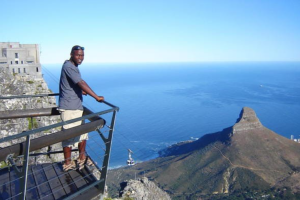
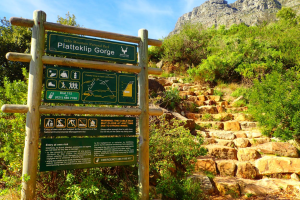
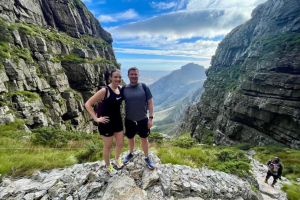

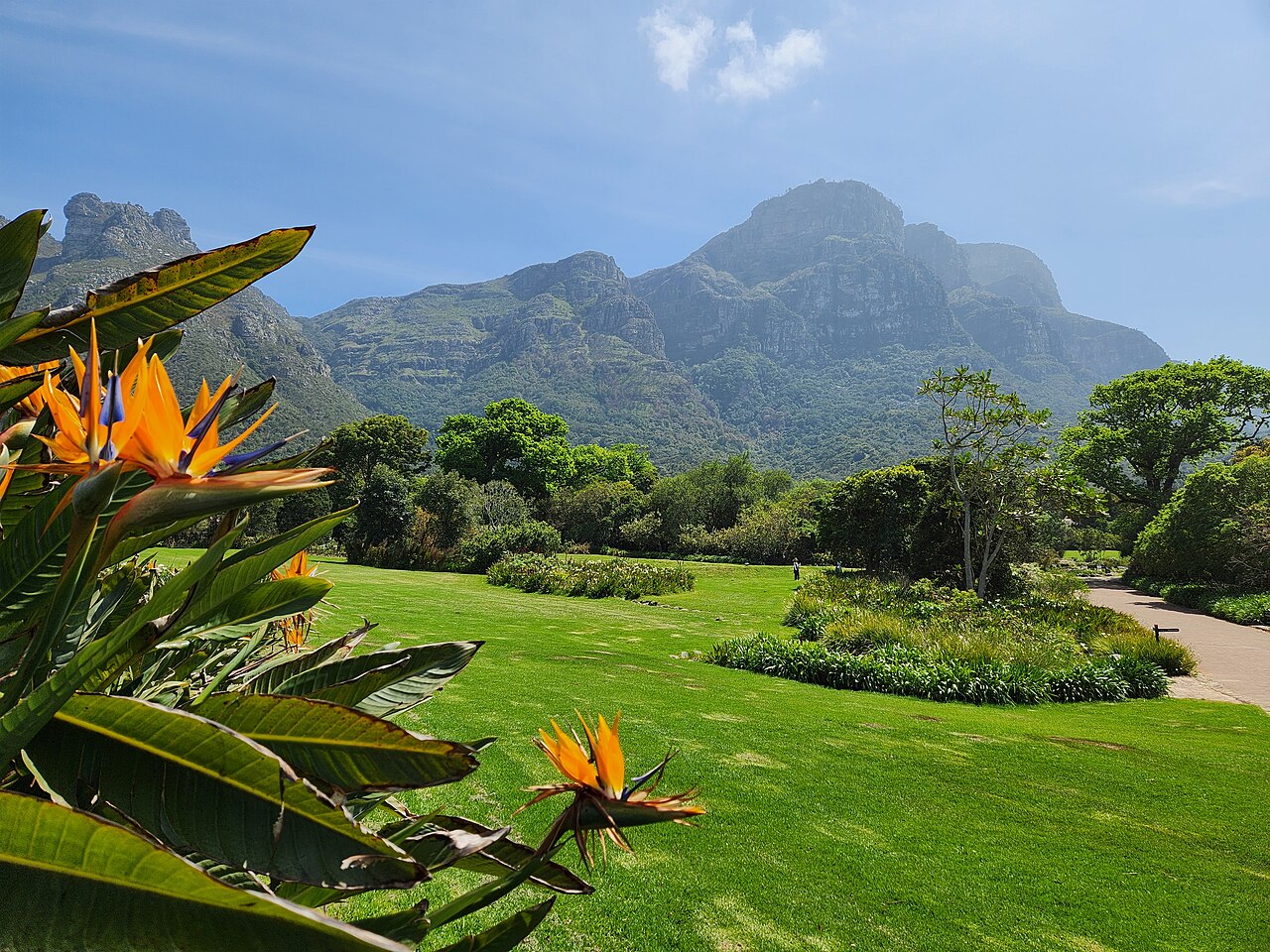
Hiking up Platteklip Gorge is the most direct and most iconic way to summit Table Mountain. It’s steep, relentless, and incredibly rewarding. If you want to say you earned the view, this is the route.
Platteklip Gorge is essentially a stone staircase carved into the front face of Table Mountain. There’s no scrambling, no chains, and no technical climbing just a steady, uphill grind.
- Distance: ±3 km one way
- Elevation gain: About 700 meters
- Time: 1.5–3 hours depending on fitness
- Difficulty: Moderate to challenging
The trail begins near the lower cableway station and immediately starts climbing. Within minutes, the city falls away behind you and the Atlantic Ocean stretches into the distance.
The hike follows a natural ravine (or “gorge”) that slices straight up the mountain. You’ll climb over:
- Rock steps
- Gravel paths
- Switchbacks carved into sandstone
There’s very little shade, which makes it tougher in summer but also means uninterrupted views of:
- The City Bowl
- Lion’s Head
- Robben Island
- The Atlantic coastline
As you near the top, the gorge narrows and the wind often picks up. Suddenly, the gradient eases, the terrain flattens and you step onto the famous tabletop summit. Reaching the summit feels surreal. Instead of a peak, you emerge onto a vast, flat plateau covered in fynbos, rocky outcrops, and walking paths. On a clear day, you can see:
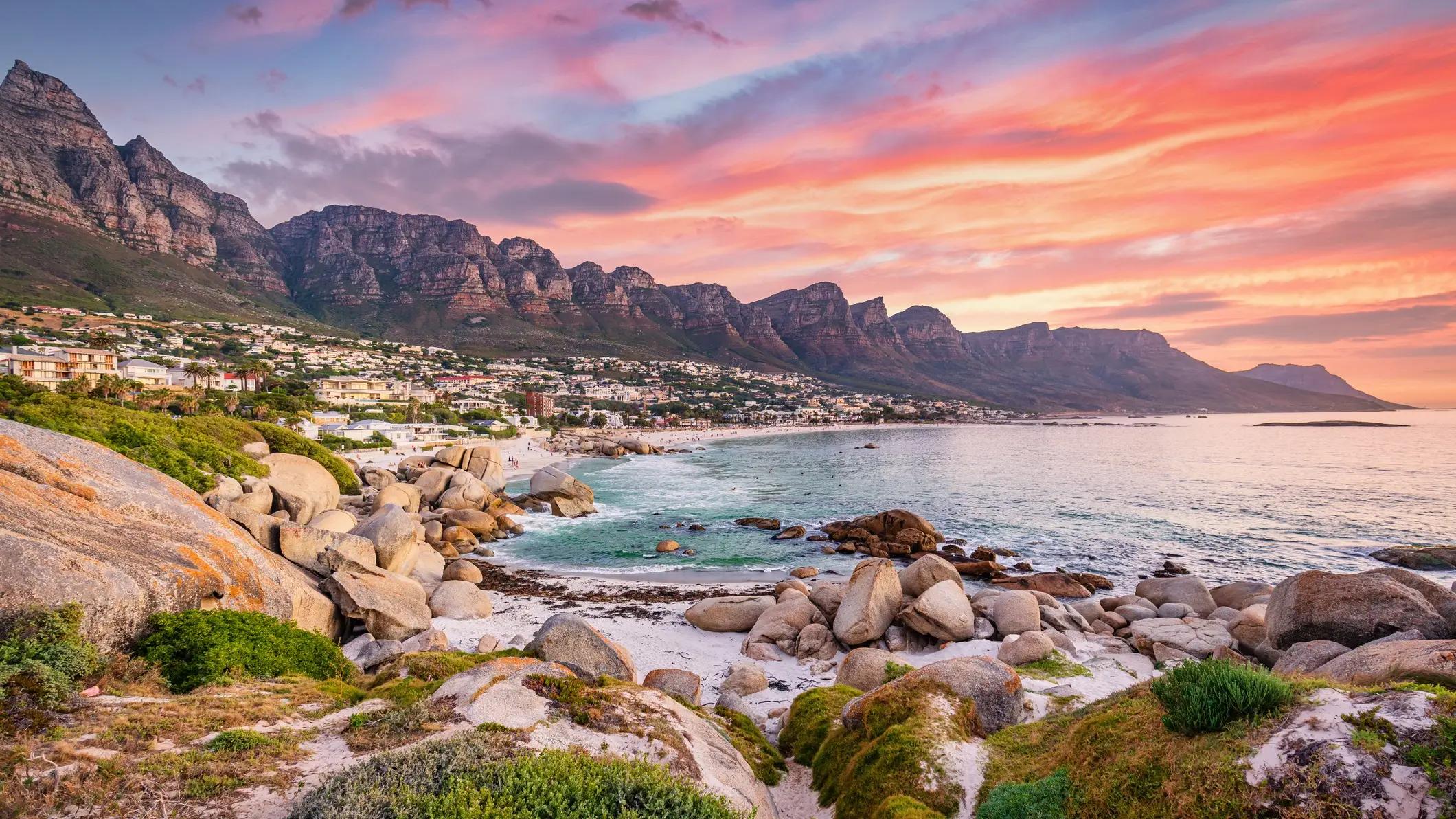
- The Twelve Apostles mountain range
- Camps Bay’s beaches
- The Cape Peninsula stretching south
Pro tip: Start early to avoid heat and Cableway wind closures.
2. Sunrise Hike Up Lion’s Head Hikelionshead


Lion’s Head offers arguably the best sunrise in Cape Town. A sunrise hike up Lion’s Head is one of those experiences that feels almost cinematic. You start in the dark, city lights twinkling below — and within an hour or two, you’re standing above the Atlantic as the sky explodes into pink and gold.
What Makes It So Special?
Lion’s Head sits between Table Mountain and Signal Hill, giving you 360-degree views at the summit.
From the top, you can see:
- Camps Bay and the Atlantic Ocean
- The Twelve Apostles mountain range
- The City Bowl skyline
- Robben Island on a clear morning
At sunrise, the light slowly washes over the ocean first, then spills across the city. The transformation from night to day is the magic.
The Trail Experience
- Distance: ±5 km round trip
- Time: 1.5–2.5 hours total
- Difficulty: Moderate
- Elevation gain: About 350 meters
The path spirals around the mountain in a circular route, gradually climbing higher with every turn. In the early morning, you’ll hike by headlamp. About halfway up, you reach the famous chains and ladders section. This short scramble adds a thrill factor: nothing technical, but enough to get your heart racing. If you’re uncomfortable, there’s an alternative path that bypasses the chains.
The final stretch is steeper and rockier. As you crest the summit ridge, the sky usually starts glowing and that’s when everyone slows down, finds a perch, and waits. There’s a quiet anticipation at the top. Strangers chat softly, thermoses open, cameras come out. Then the sun breaks the horizon. Golden light floods Camps Bay. Table Mountain casts a dramatic shadow. The ocean shimmers. You realize you’re standing on one of the best viewpoints in Africa. It’s energizing and peaceful at the same time.
On full moon nights, it becomes one of the city’s most social outdoor experiences.
3. Paragliding from Signal Hill Capehopeparagliding
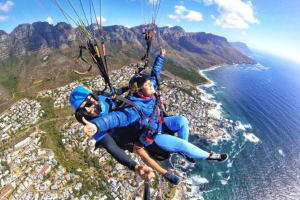
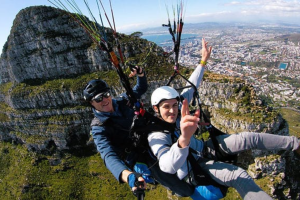
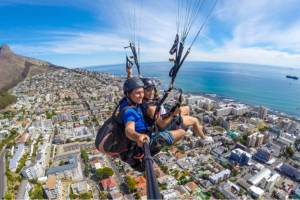

Paragliding from Signal Hill is one of the most exhilarating ways to experience Cape Town: a silent, soaring adventure that gives you a bird’s-eye view of the Atlantic coastline. You launch from the grassy slopes of Signal Hill, just below Lion’s Head. After a short safety briefing and harness check, your pilot lays out the canopy behind you. When the wind is right, you take a few quick steps forward — and suddenly, the ground drops away.
There’s no stomach-churning lurch like a rollercoaster. Instead, it feels surprisingly smooth. One moment you’re running, the next you’re floating.
Within seconds, Cape Town unfolds beneath you:
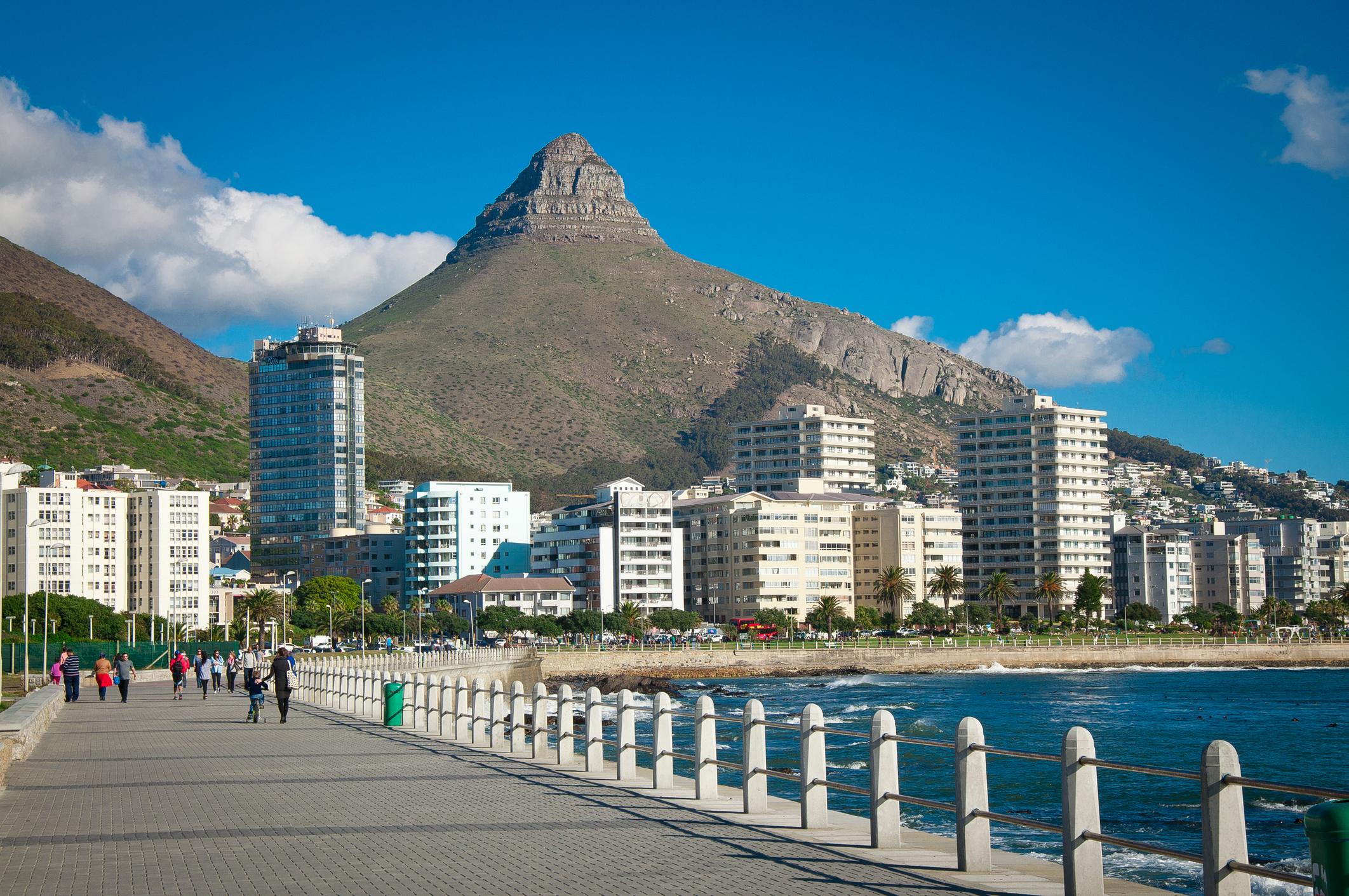
- The curve of Sea Point Promenade
- The deep blue of the Atlantic Ocean
- The Twelve Apostles mountain range stretching toward Camps Bay
- Robben Island on the horizon on clear days
The flight typically lasts 5–15 minutes depending on wind conditions. Thermals sometimes lift you higher, giving you even more time to glide effortlessly above the coastline. The experience is peaceful rather than extreme: quiet, weightless, and surprisingly serene. You can chat with your pilot, take photos, or simply enjoy the sensation of floating. Your descent brings you gently toward the grassy fields or beachfront area near Sea Point. The landing is soft and controlled: usually just a few light steps as your feet touch the ground.
Why It’s Special
- No experience required (tandem flights with licensed pilots)
- Incredible coastal and mountain views
- One of the most scenic urban paragliding spots in the world
- Ideal at sunset for golden-hour magic
Paragliding from Signal Hill isn’t just an adrenaline activity. It’s a perspective shift. For a few unforgettable minutes, Cape Town feels limitless beneath your feet.
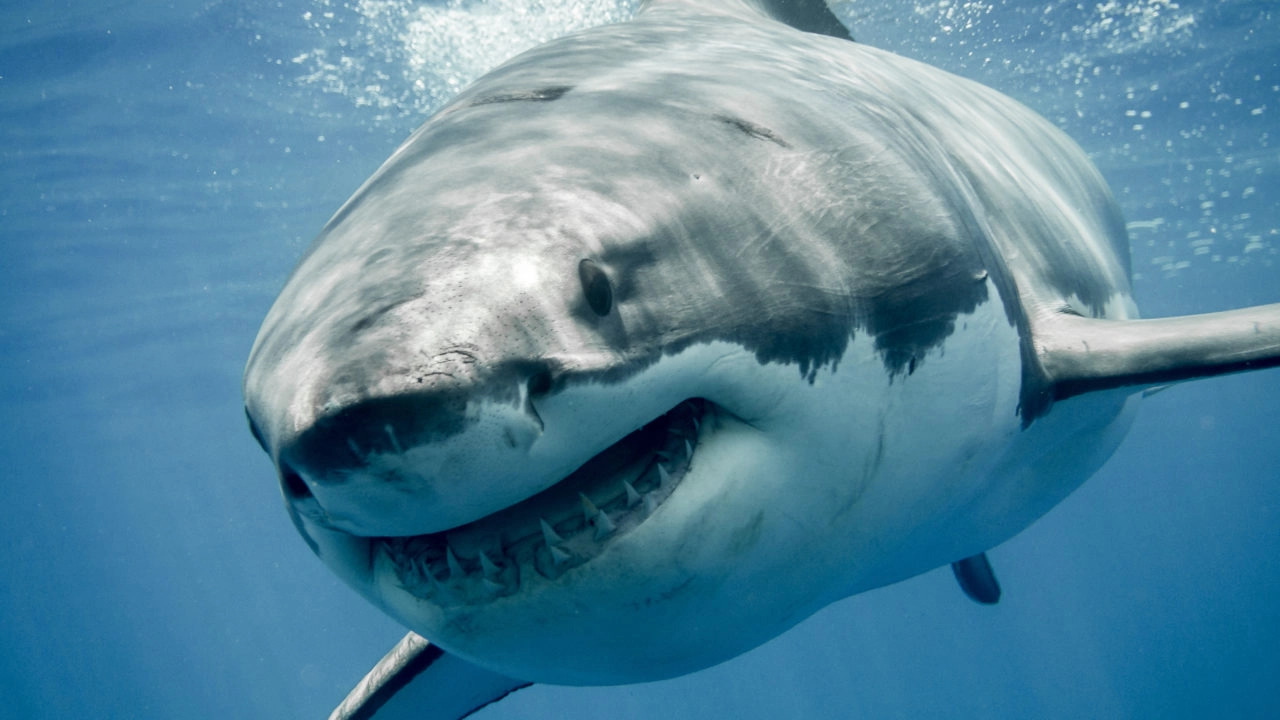
4. Shark Cage Diving in Gansbaai Whalewatchsa
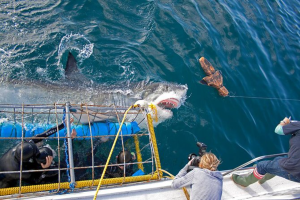


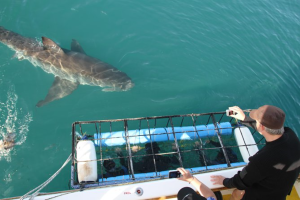
Shark cage diving in Gansbaai is one of South Africa’s most thrilling marine experiences: a face-to-face encounter with some of the ocean’s most powerful predators in their natural habitat.
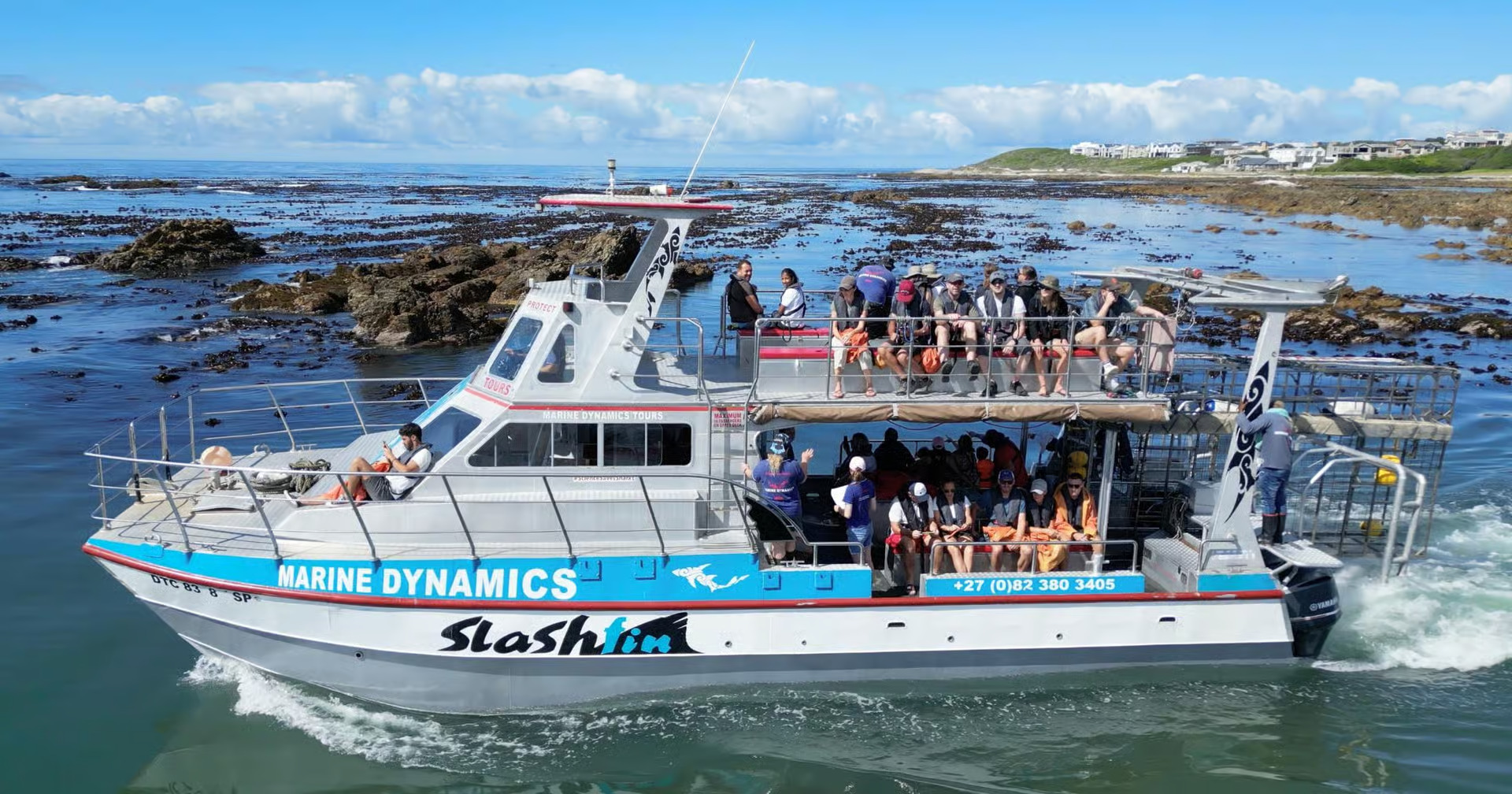
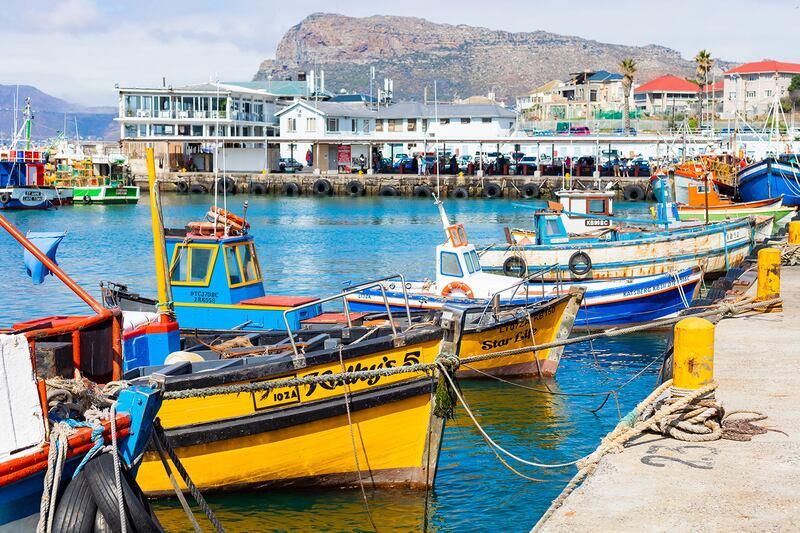
Often called the “Great White Shark Capital of the World,” Gansbaai sits about two hours from Cape Town. Most trips depart from Kleinbaai Harbour, where operators like Marine Dynamics run daily excursions.
After a safety briefing and wetsuit fitting, you head out to sea. The boat ride to the dive site usually takes 15–20 minutes, with views of dramatic cliffs and seabird colonies along the coastline. The cage is secured alongside the boat, partially submerged. Divers rotate in small groups, holding onto interior bars while keeping their heads underwater to watch for sharks.
Then it happens — a shadow materializes beneath the surface.
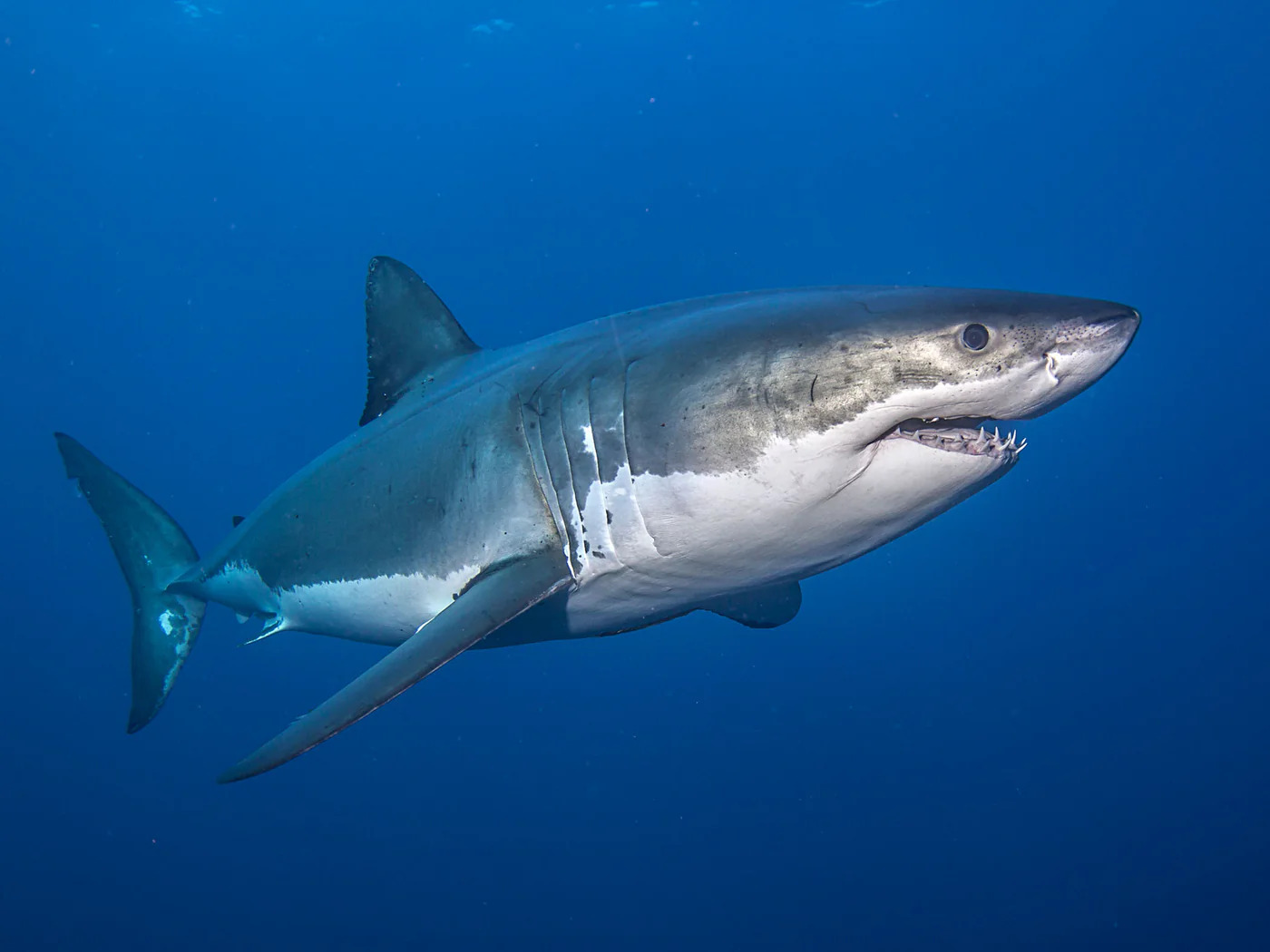
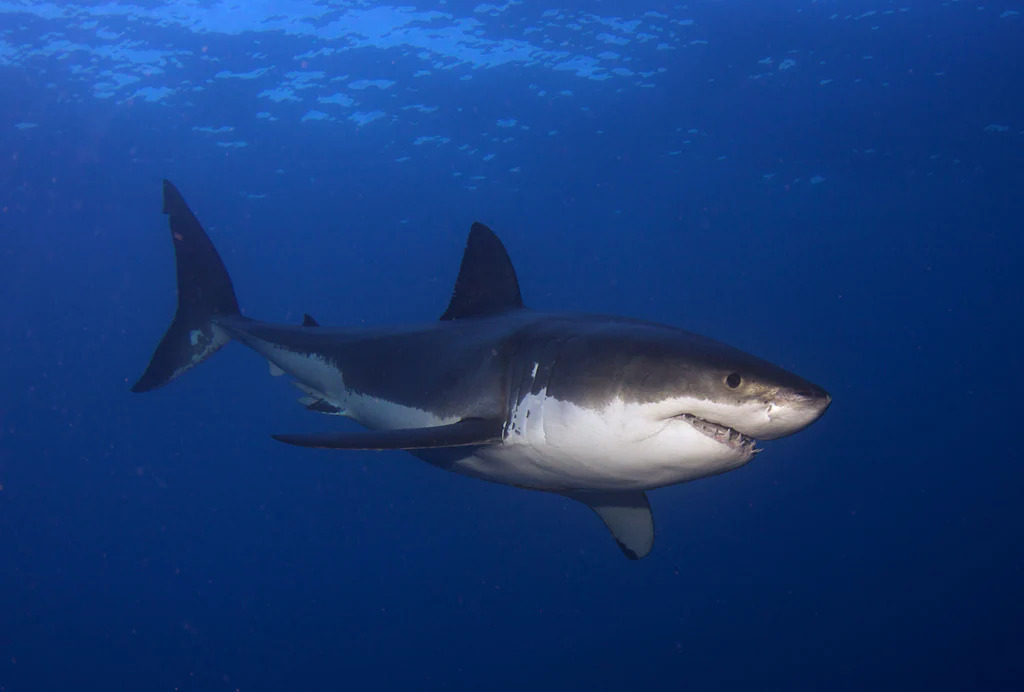
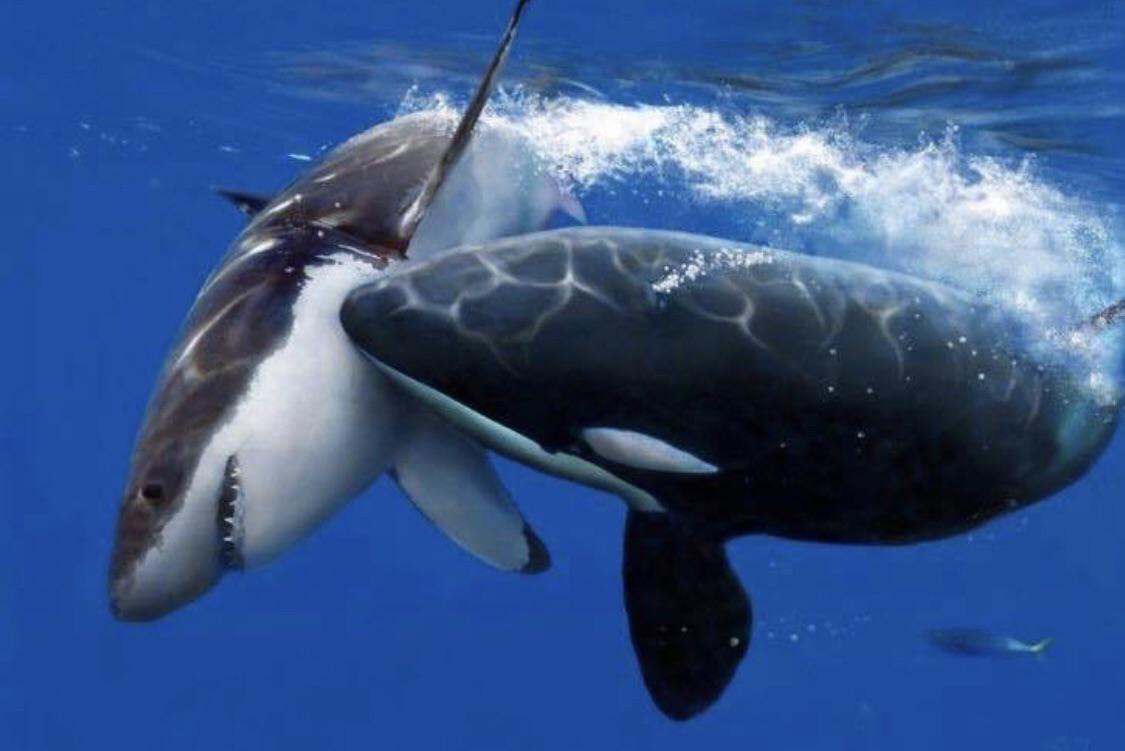
A massive dorsal fin slices through the water. A great white glides past the cage, slow and deliberate, black eyes scanning. When the crew signals, you take a breath, dip underwater, and lock eyes with a creature that can grow over five meters long.
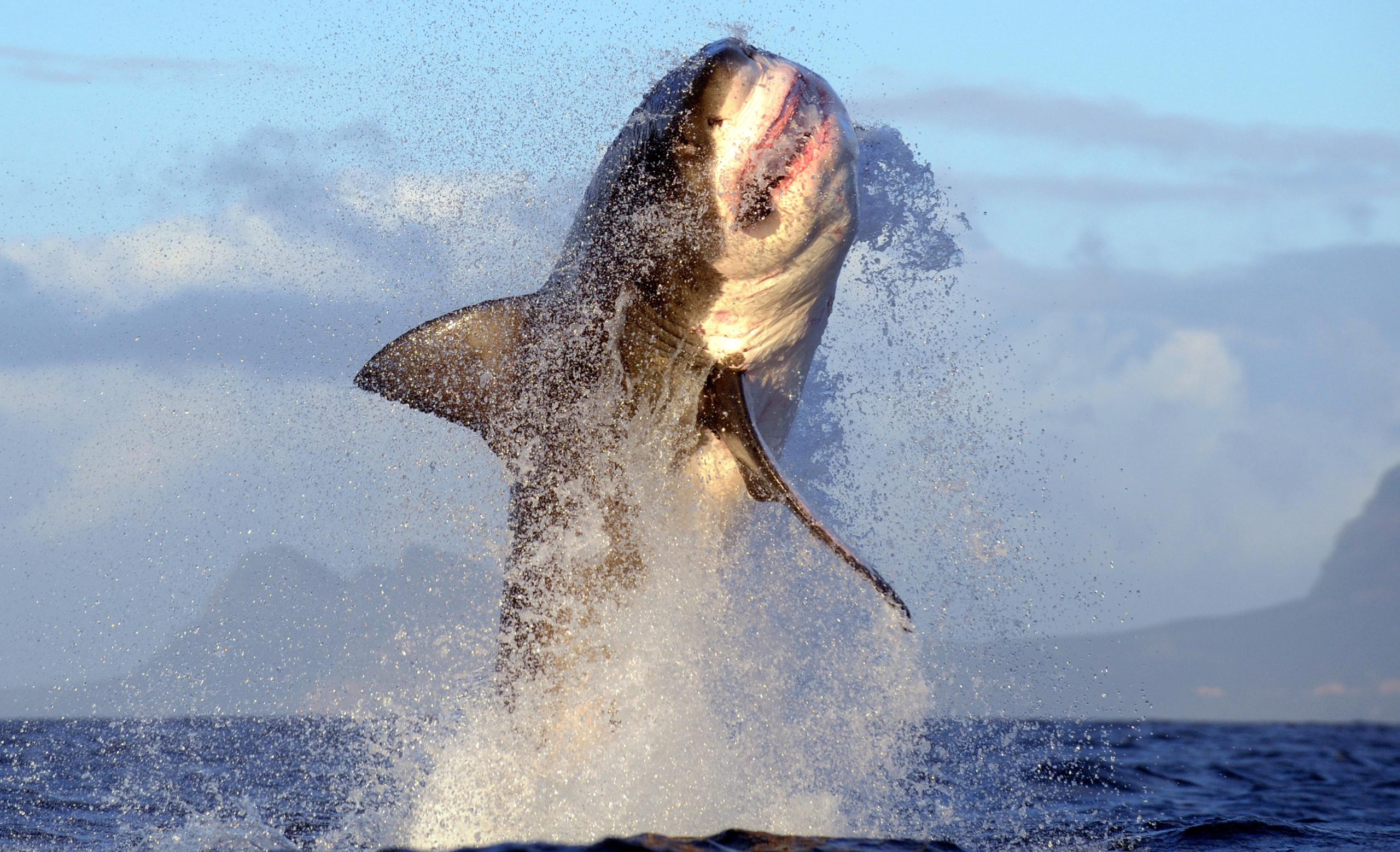
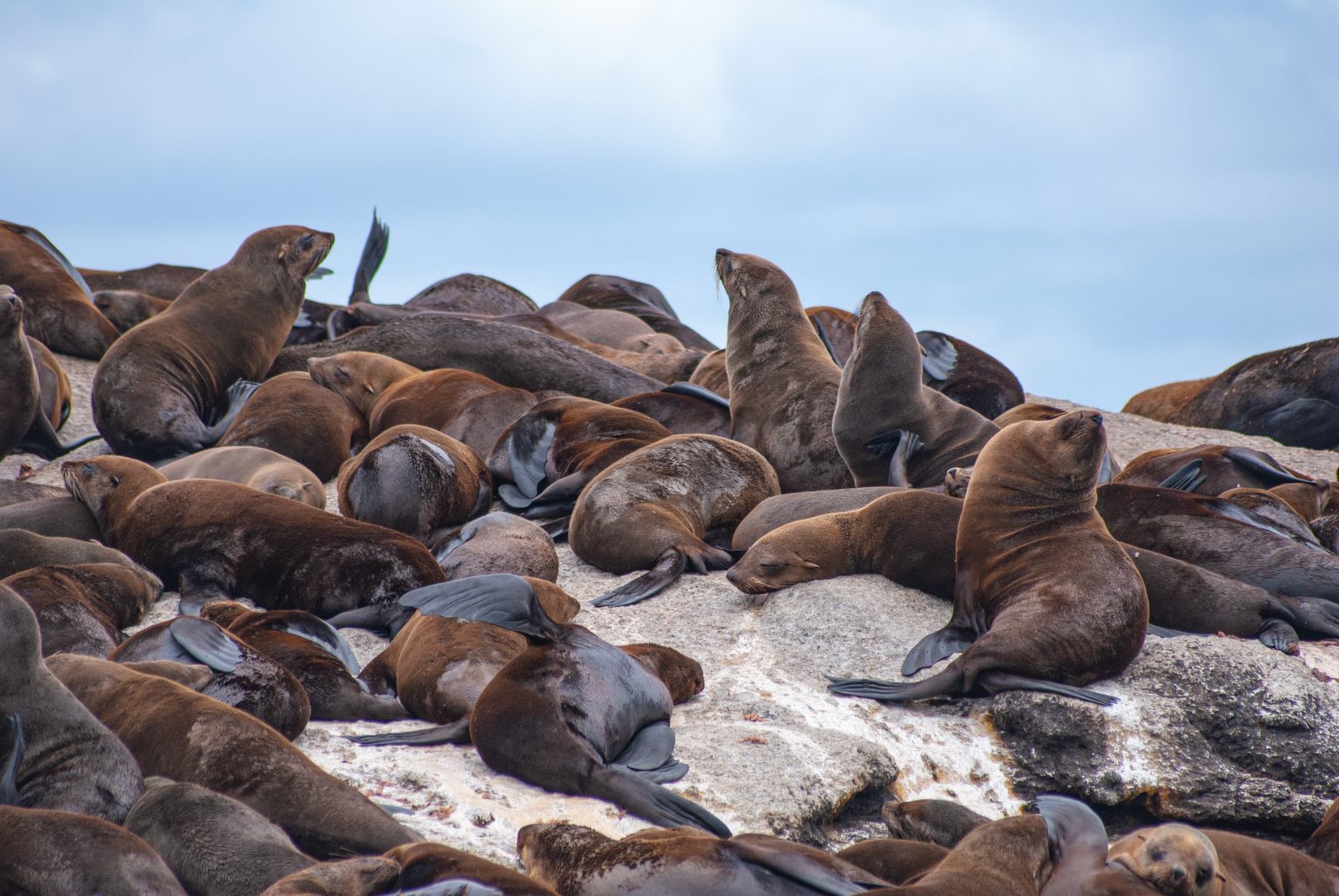
Despite their reputation, the sharks move with surprising grace. The experience is intense but controlled: no free swimming, no risk of contact, just a protected vantage point from inside the steel cage. The waters between Gansbaai and the nearby islands have historically attracted large numbers of Great White Shark due to the seal colonies in the area. While shark populations naturally fluctuate, the region remains one of the best places in the world for close-up viewing.
What It Feels Like
- Cold Atlantic water (thick wetsuits provided)
- Adrenaline mixed with awe
- Heart-pounding moments followed by quiet fascination
- A profound respect for marine wildlife
More Than Just Sharks
Many tours also encounter:
- Dolphins
- Cape fur seals
- Southern right whales (in season)
- African penguins
Shark cage diving in Gansbaai isn’t just about adrenaline: it’s about perspective. Seeing a great white shark in the wild, powerful yet elegant, transforms fear into fascination. It’s raw, humbling, and unforgettable.
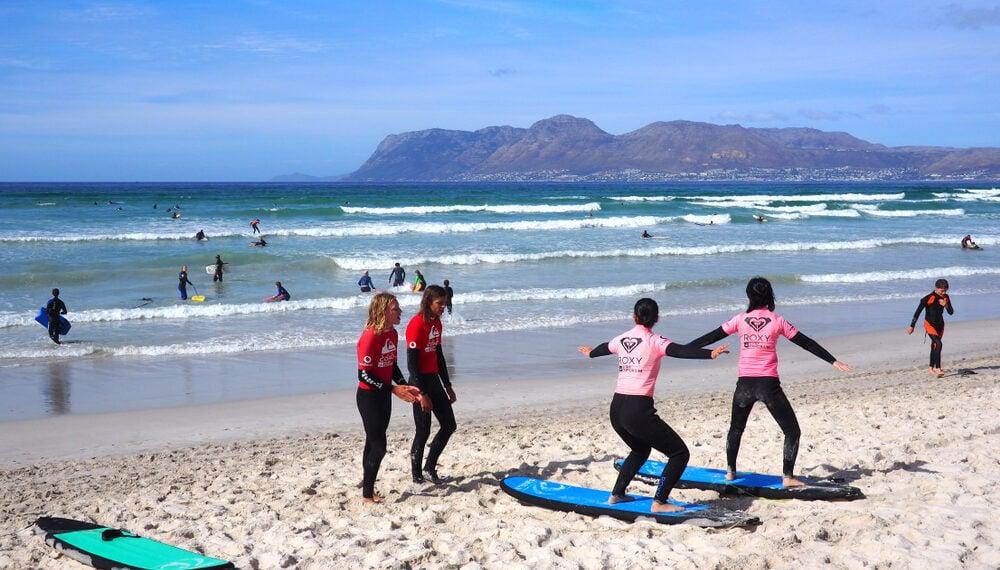
5. Surfing at Muizenberg Beach Surf-Emporium
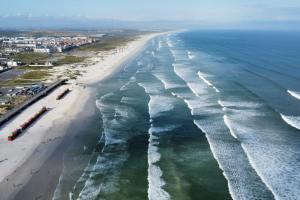
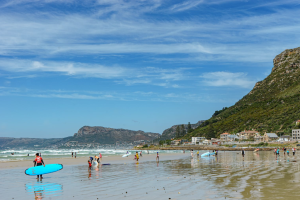
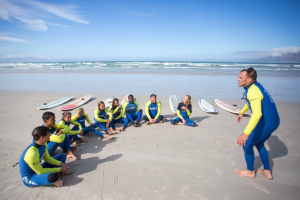
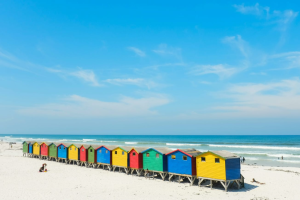
Surfing at Muizenberg Beach is where countless Capetonians catch their very first wave. Warm water (by Cape standards), gentle rolling swell, and a welcoming surf culture make it one of South Africa’s most accessible surf spots.
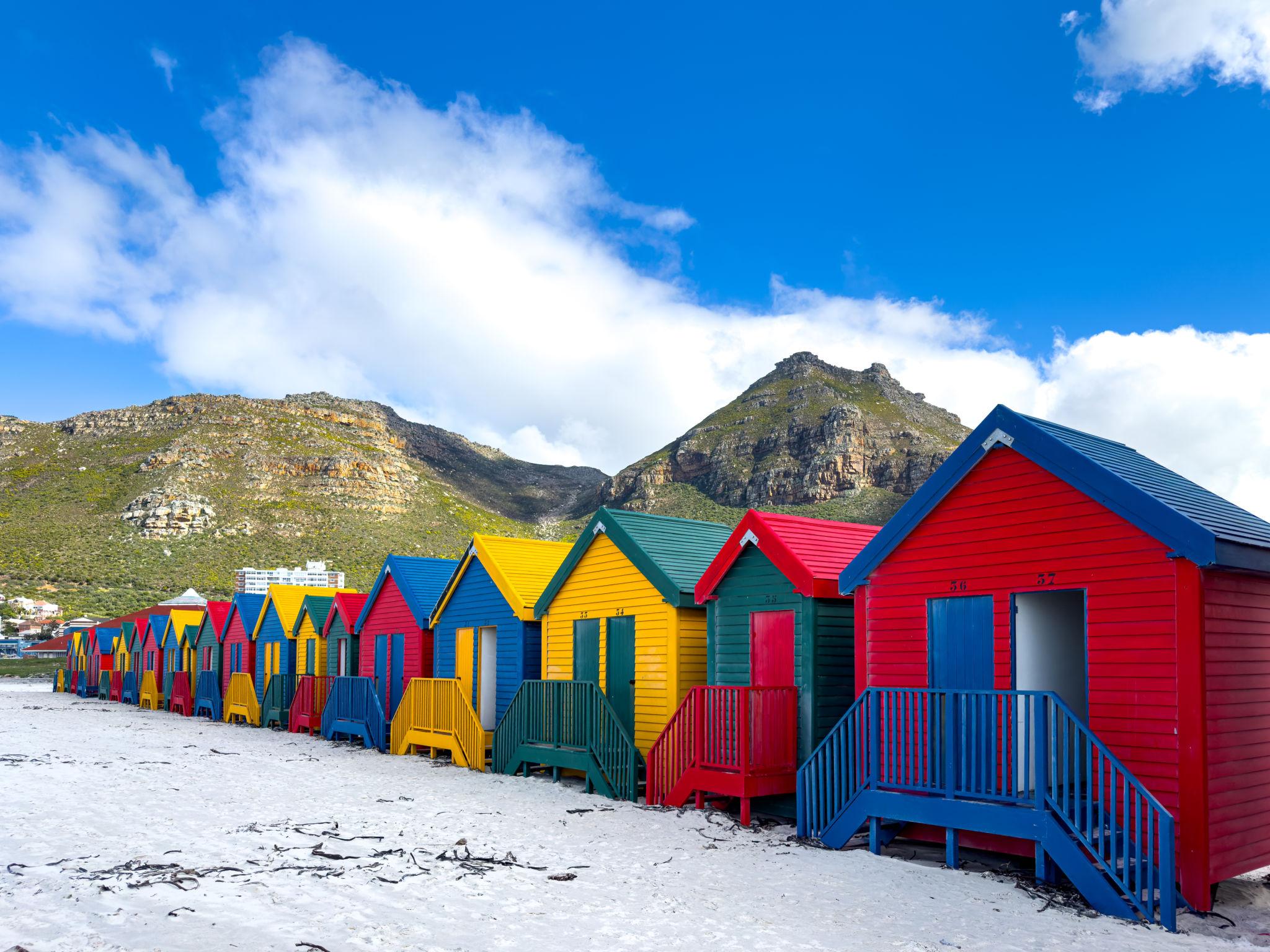
Located along the False Bay coastline, Muizenberg is famous for its bright, Instagram-worthy beach huts and long, sandy shoreline. The main surf break, Surfers Corner, offers slow, consistent waves that are perfect for beginners.
Unlike the icy Atlantic waters of the west coast, False Bay is noticeably warmer, especially in summer. You’ll still wear a wetsuit, but the bite of the water is softer here.
After a quick lesson from one of the many local surf schools, you paddle out into waist-deep water. The swell builds gently beneath you. Your instructor calls it, “Paddle!”, and suddenly you feel the push of the ocean lifting your board. You pop up (or try to), wobble for a second, and glide toward shore. The wave is forgiving, long enough to find your balance but mellow enough not to punish you if you fall. And you will fall. A lot. But that’s part of the fun.
Muizenberg has a laid-back, friendly atmosphere:
- Surf schools lined up along the beachfront
- Local cafés buzzing with post-surf coffee energy
- Kids, first-timers, and experienced surfers sharing the break
- Lifeguards and shark-spotting programs keeping watch
It’s not about big barrels or pro-level tricks. It’s about learning, laughing, and building confidence in the water.
Best Time to Go
- Early mornings for glassy, cleaner waves
- Summer months for warmer water
- Light offshore winds for ideal surf conditions
Surfing at Muizenberg isn’t extreme. It’s joyful. It’s sandy feet, salty hair, and that unbeatable feeling when you ride your first proper wave all the way to the beach.
6. Abseiling Off Table Mountain Capetownabseil
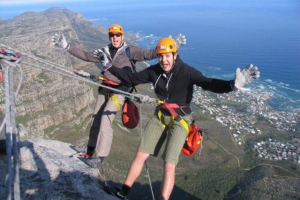
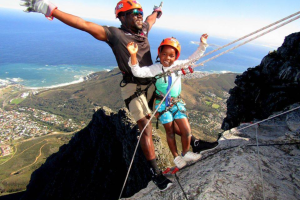

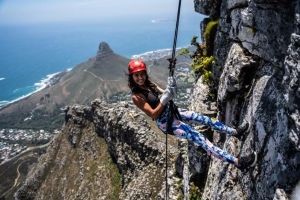
Abseiling off Table Mountain is not just an adventure. It’s a vertical leap into one of the most spectacular views on Earth. At 1,000 metres above sea level, you step backward off the edge of Africa’s most iconic landmark and descend a sheer cliff face with the Atlantic Ocean stretched out endlessly below you.
The experience begins at the summit, reached via the Table Mountain Aerial Cableway. After a safety briefing and harness check, you walk toward the edge.
Then comes the moment.
Your heels hover over open air. The Twelve Apostles mountain range frames one side, Camps Bay sparkles below, and the Atlantic crashes against the coastline far beneath you. It’s quiet except for your heartbeat.
You lean back.
Once you commit, the fear transforms into focus. The 112-metre drop is one of the highest commercial abseils in the world. The cliff face is vertical and dramatic, but the rope system is secure and controlled by experienced guides.
With each step down:
- The city skyline shifts into view
- The ocean breeze brushes your face
- The world feels vast and cinematic
You control your pace, bouncing lightly off the rock face as you descend. The perspective is unlike hiking. You’re suspended in open air, with nothing but rope and gravity connecting you to the mountain.
Halfway down, you can pause and take it all in:
- The turquoise waters of Camps Bay
- The curve of the Atlantic Seaboard
- The rugged beauty of the Twelve Apostles
Few experiences offer such an uninterrupted, aerial perspective of Cape Town.
The Finish
After reaching the bottom, there’s a short but scenic hike back to the top — giving you time to reflect on what you’ve just done.
Why It’s Unforgettable
- World-class scenery
- A unique way to experience Table Mountain
- Adrenaline balanced with breathtaking calm
- A story you’ll tell for years
Abseiling off Table Mountain is that rare combination of fear, freedom, and beauty: a controlled fall into one of the most iconic landscapes in the world.
7. Kayaking with Dolphins in Table Bay Waterfrontkayak
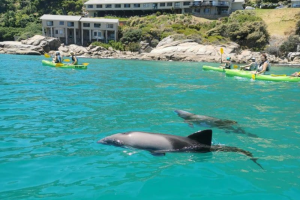
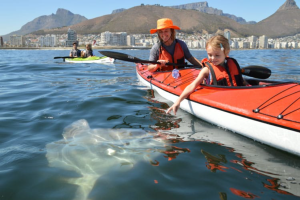
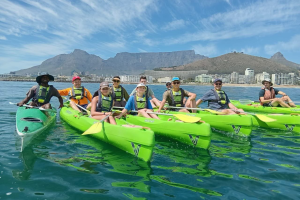
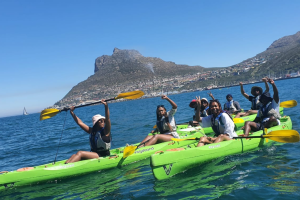
Kayaking in Table Bay offers one of Cape Town’s most magical wildlife encounters: gliding silently across open water as pods of dolphins surface and play around you.
Launching into the Bay
Most guided trips depart from the Atlantic Seaboard near Three Anchor Bay or Granger Bay. After a short safety briefing and paddling instruction, you push off into the cool Atlantic, with Table Mountain rising dramatically behind you.
The water often feels crisp and refreshing. The rhythm of paddling settles in quickly: dip, pull, glide.
The Dolphin Moment
Then, without warning, a sleek grey shape arcs through the water nearby.
Common dolphins and Heaviside’s dolphins are frequently spotted in the bay. They travel in pods, sometimes dozens at a time, moving effortlessly through the swells. Curious and playful, they may swim alongside your kayak, surf the bow wave, or leap clear out of the water.
There’s no engine noise, just the sound of breathing, splashing, and the occasional excited laugh from your group. Being at water level makes the encounter intimate and immersive. You’re not observing from afar. You’re sharing the ocean.
The Setting
The backdrop makes it even more extraordinary:
- The city skyline curving along the Atlantic Seaboard
- Robben Island on the horizon
- Sea birds wheeling overhead
- The sun casting golden light over the water
On calm mornings, the bay can feel almost mirror-like. On windier days, the ocean adds a playful challenge, lifting your kayak gently on rolling swells.
Why It’s Special
- A peaceful, eco-friendly marine experience
- Close-up wildlife encounters in the wild
- No prior kayaking experience needed (guided tours available)
- Incredible mountain-meets-ocean scenery
Kayaking with dolphins in Table Bay isn’t about adrenaline. It’s about connection. For a few unforgettable moments, you’re simply another presence in the ocean, paddling quietly while wild dolphins move freely around you.
8. Sandboarding in Atlantis Sandboardingcapetown

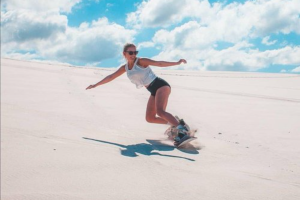


Sandboarding in Atlantis Dunes feels like stepping into a desert just 40 minutes from Cape Town: towering white sand hills, endless blue sky, and pure adrenaline waiting at the top.
The Setting
Located near the town of Atlantis on the West Coast, the dunes stretch across a vast, otherworldly landscape. Known locally as Witzands Aquifer Nature Reserve, the area is a playground for adventure seekers.
The sand is bright white and fine, forming steep slopes and rolling ridges that look almost like snow, until you feel the heat under your feet.
The First Drop
After a quick safety briefing, you hike up a dune carrying your board. At the top, the view is surprisingly dramatic — wave after wave of sculpted sand stretching toward the horizon.
You strap in (or lie belly-down for beginner runs), take a deep breath, and push off.
The board gathers speed quickly. Sand sprays behind you as gravity takes over. The descent is fast, smooth, and surprisingly controlled — a rush of wind, laughter, and pure momentum.
Standing vs. Belly Boarding
- Belly boarding: Ideal for beginners and speed lovers. You lie flat and can reach impressive speeds.
- Stand-up sandboarding: More technical, similar to snowboarding, requiring balance and control.
Both options deliver thrills and usually end with a soft, sandy tumble.
The Vibe
- Warm sunshine almost year-round
- Expansive, open terrain
- Great for groups and team outings
- Often combined with quad biking adventures
The climbs back up are part of the workout and part of the fun. Each run gets more confident, faster, and louder with cheers.
Why It’s Unique
- Desert-style adventure minutes from the ocean
- Beginner-friendly yet adrenaline-packed
- Incredible photo opportunities
- A completely different side of Cape Town’s landscape
Sandboarding in Atlantis is pure, sun-soaked freedom, racing down dunes with nothing but sand, sky, and the thrill of the ride beneath you.
9. Rock Climbing in Silvermine Nature Reserve Thecrag
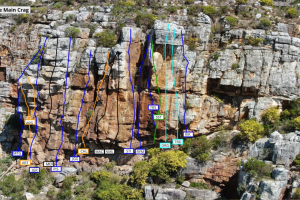
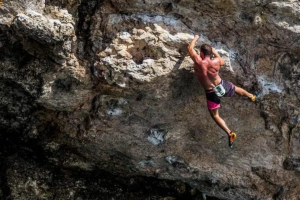
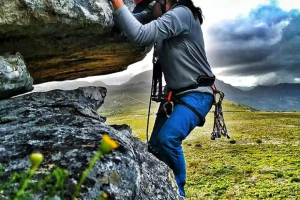

Rock climbing in Silvermine Nature Reserve blends raw mountain adventure with sweeping ocean views. Tucked within the greater Table Mountain range, Silvermine offers world-class sandstone climbing just a short drive from the city.
The Setting
Part of the larger Table Mountain National Park, Silvermine is known for its rugged cliffs, fynbos-covered slopes, and panoramic outlooks over False Bay.
The rock here is classic Cape sandstone: solid, textured, and grippy. Routes range from beginner-friendly slabs to steep, technical faces that demand strength and precision.
The Climb
Approaching the crags often involves a scenic hike through indigenous fynbos. The cliffs rise abruptly from the landscape, offering multiple climbing sectors suited to different skill levels.
As you tie in and start ascending:
- The rock feels rough beneath your fingertips
- The scent of fynbos drifts on the breeze
- The ocean glitters far below
Each move requires focus: trusting your footholds, finding balance, committing to the next reach. On steeper routes, the exposure adds a thrilling edge, with vast views opening up behind you.
The View from the Top
Topping out is the reward. From the summit of many routes, you’re treated to:
- Expansive False Bay views
- Distant mountain ridges
- Endless blue sky meeting the ocean
Few climbing spots combine such accessible adventure with dramatic coastal scenery.
Why It’s Special
- Excellent quality sandstone
- Routes for all levels (trad and sport climbing available)
- Stunning natural surroundings
- Quiet, less crowded atmosphere compared to urban crags
Rock climbing in Silvermine is about more than reaching the top: it’s about immersion. The rhythm of movement, the stillness of the mountain, and the vastness of the view create an experience that feels both grounded and elevated at the same time.
10. Mountain Biking in Stellenbosch Mtotrails

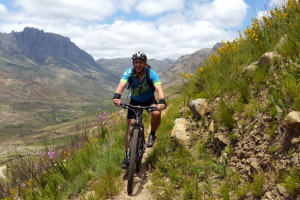
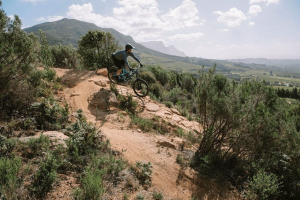
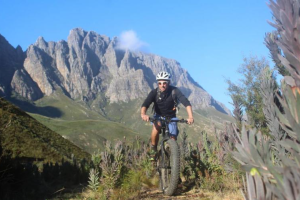
Mountain biking in Jonkershoek Nature Reserve, in Stellenbosch, is fast, flowing, and fiercely scenic: a world-class trail network set deep in a dramatic mountain valley just outside Stellenbosch.
The Setting
Surrounded by towering peaks and pine forests, Jonkershoek feels wild and expansive. The reserve is known for its purpose-built MTB trails that wind through rugged terrain, river crossings, and shaded forest sections. The mountains rise sharply on either side of the valley, creating an amphitheatre of rock and greenery that makes every ride feel cinematic.
The Trails
Jonkershoek offers something for every rider:
- Flow trails with berms and smooth rollers
- Technical singletrack with roots and rock features
- Climbing sections that test your legs and lungs
- Fast descents that reward every bit of effort
The climbs can be demanding: long, steady ascents that build anticipation. But the payoff is unforgettable. Once you crest the top and drop in, the trail twists and flows through forest and open slopes, carving lines down the mountain. You’ll lean into berms, pick your line through rocky patches, and feel that perfect moment when tyres grip and gravity takes over.
The Atmosphere
- Crisp mountain air
- The scent of pine and fynbos
- Streams cutting through the valley
- Occasional baboon sightings in the distance
Despite its proximity to Stellenbosch, the reserve feels remote. The only sounds are wind through trees and the hum of tyres on dirt.
Why It’s Special
- Purpose-built, professionally maintained trails
- Stunning mountain scenery
- A mix of technical challenge and flow
- Suitable for intermediate to advanced riders (with some beginner-friendly routes)
Mountain biking in Jonkershoek is not a casual pedal along a path. It’s an immersive mountain experience. It demands effort, rewards skill, and delivers that addictive combination of speed, scenery, and pure trail freedom.
11. Scenic Drive Along Chapman’s Peak Drive in a Cobra Capecobrahire
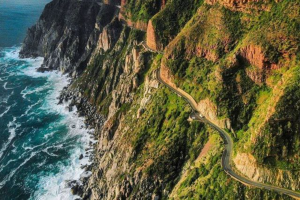
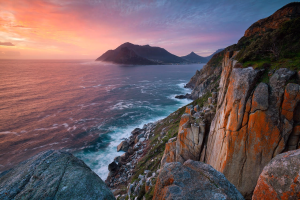
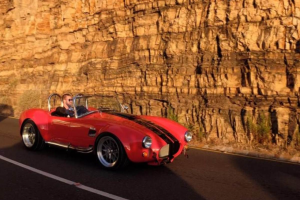
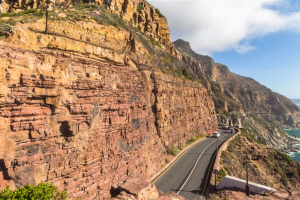
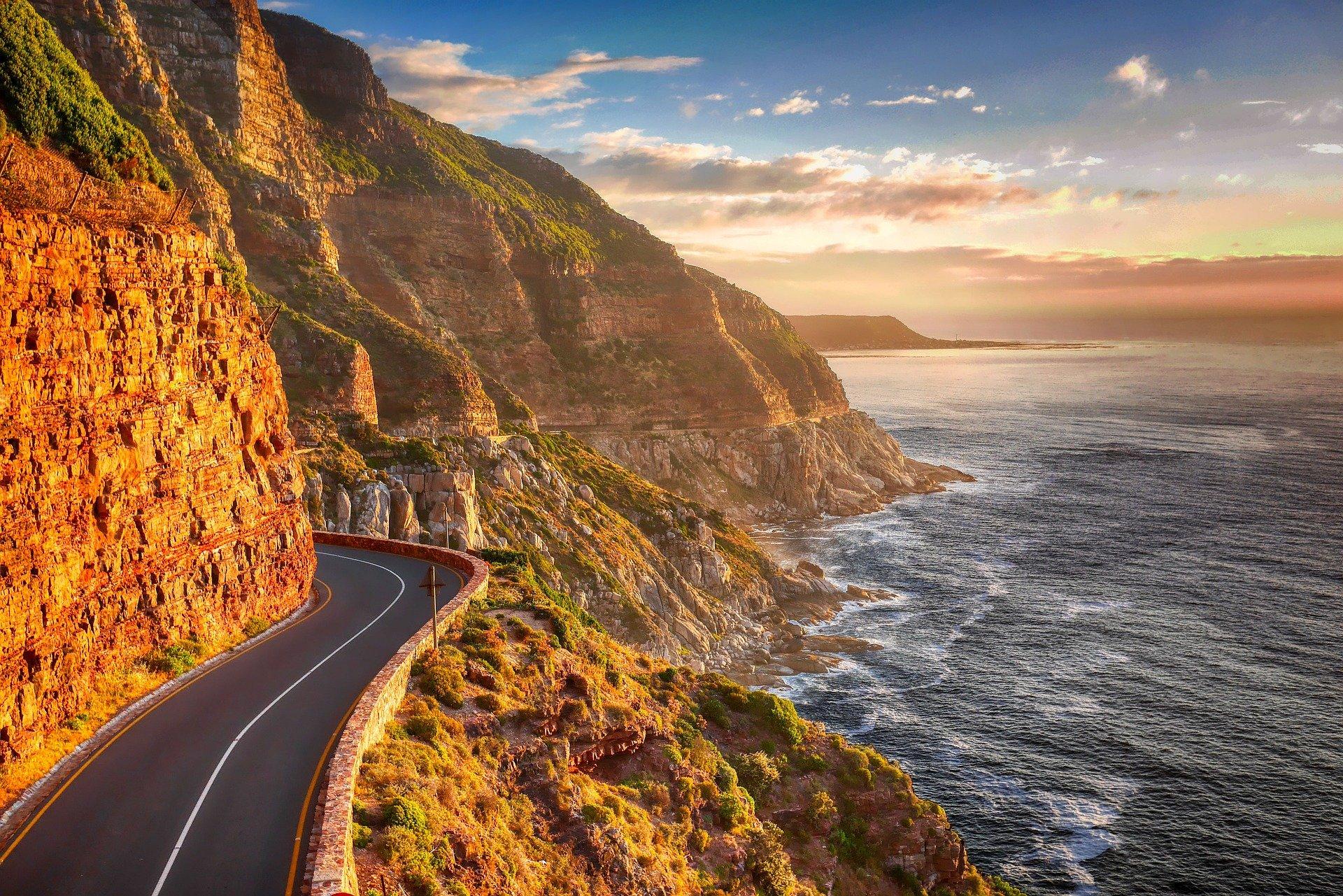
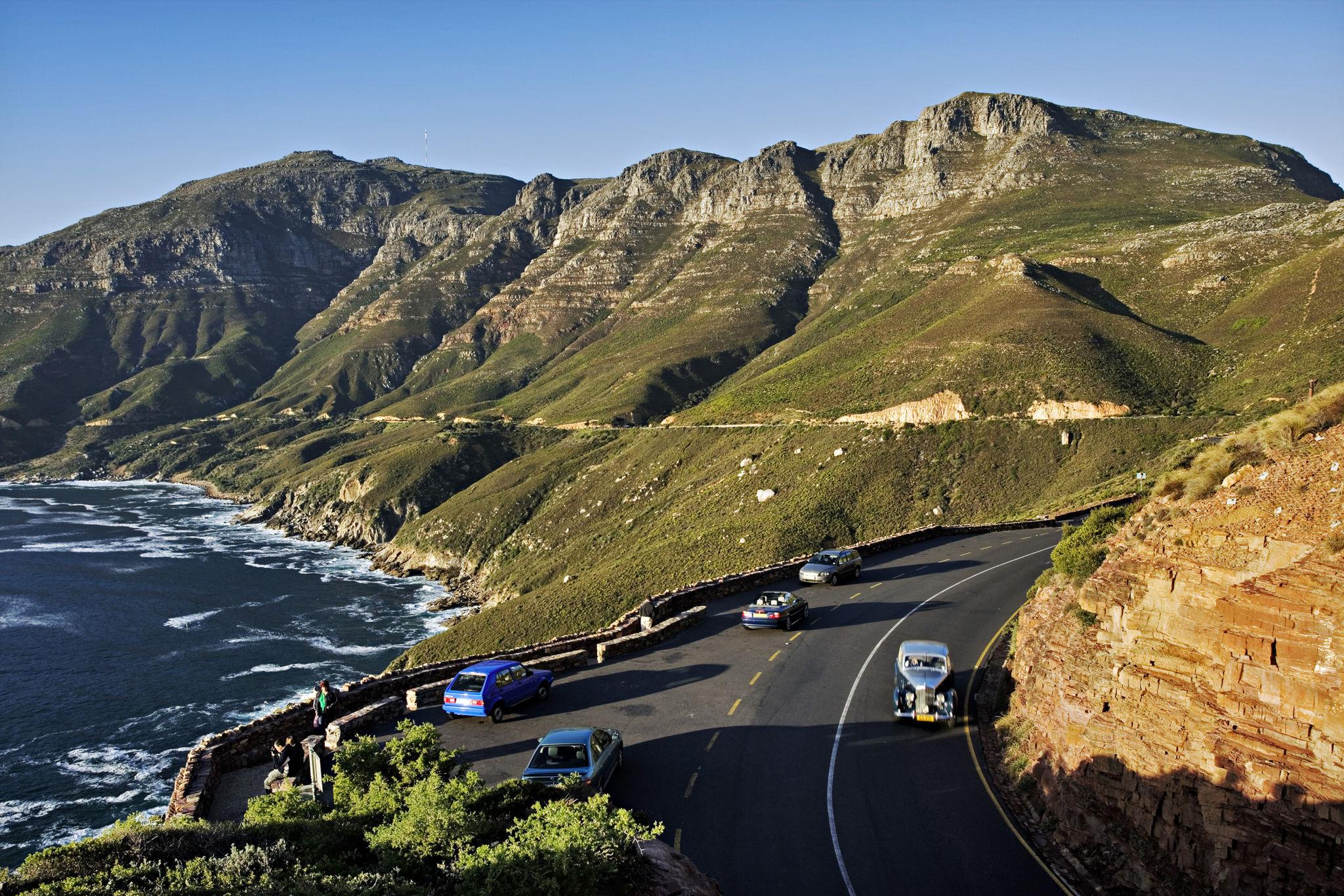
Driving Chapman’s Peak Drive in a classic Cobra is pure cinematic freedom: wind in your hair, engine rumbling, and one of the most spectacular coastal roads in the world unfolding ahead of you.
Stretching between Hout Bay and Noordhoek, Chapman’s Peak Drive hugs sheer cliffs that plunge dramatically into the Atlantic Ocean.
The Car
Slide into the low bucket seat of a classic AC Cobra (or its Shelby-inspired replica), and you’re instantly transported back to the golden era of motoring. The V8 growl is deep and unapologetic. There’s no roof, minimal windscreen, and nothing between you and the ocean air.
Turn the key. The engine roars to life.
The Drive
As you pull away, the road begins to curve and climb. Chapman’s Peak is famous for its sweeping bends and panoramic viewpoints. Every corner reveals something more dramatic than the last:
- Turquoise waves crashing far below
- Sheer sandstone cliffs rising above
- The vast curve of Noordhoek Beach in the distance
- Sunlight glinting off the Atlantic
With the top down, the scent of salt fills the air. The Cobra responds instantly to every movement — tight steering, raw acceleration, the kind of mechanical connection modern cars rarely deliver.
You’re not just driving. You’re experiencing the road.
Golden Hour Magic
Late afternoon is when the drive becomes unforgettable. The cliffs glow amber, the ocean turns molten gold, and the sound of the engine echoes against the rock face. Pull into one of the scenic lookout points and the view stretches endlessly toward the horizon.
It feels like a scene from a film: dramatic, powerful, timeless.
Why It’s Special
- One of the world’s most scenic coastal roads
- Open-top driving amplifies the sensory experience
- A blend of vintage motoring and natural beauty
- Perfect for sunset
A scenic drive along Chapman’s Peak in a Cobra isn’t just transportation: it’s theatre. The road curves, the engine sings, and for a while, Cape Town feels like your own private playground carved between mountain and sea.
12. Ziplining in Cape Town Saforestadventures


Ziplining in Cape Town is one of the most exhilarating ways to experience the Western Cape’s dramatic landscapes. Imagine gliding high above rugged mountain gorges, waterfalls, and fynbos-covered valleys: wind in your face, panoramic views all around, and nothing but open air beneath your feet. Located on the slopes above Constantia, Silvermist offers ziplining with sweeping views across vineyards and False Bay. You accelerate quickly, then glide smoothly across canyons: surprisingly peaceful once you’re airborne. The first launch is nerve-wracking, but after that, it becomes addictive.
Between lines, elevated platforms offer moments to catch your breath and soak in the view:
- Towering cliffs
- Native fynbos vegetation
- Waterfalls after winter rains
- Endless mountain ridgelines
What It Feels Like
- Smooth, controlled speed
- A weightless sensation mid-flight
- Adrenaline balanced by breathtaking scenery
- Total immersion in nature
The braking system is automatic and safe, guided by trained instructors who clip you in and manage each launch.
Is Ziplining Safe?
Yes, commercial operators follow strict safety protocols:
- Full-body harness systems
- Helmets and gloves provided
- Dual-cable systems for backup
- Guided supervision at every platform
Why It’s Special
- Eco-focused adventure in a protected reserve
- Suitable for beginners (no experience needed)
- Incredible mountain and gorge views
- A perfect mix of thrill and nature
Ziplining Cape Town isn’t just about speed. It’s about perspective. For a few exhilarating seconds at a time, you’re soaring above one of the Western Cape’s most spectacular landscapes, suspended between sky and earth.
Final Thoughts: Why Cape Town is an Adventure Capital
Few destinations combine:
- Mountains
- Ocean
- Wildlife
- Extreme sports
- Scenic drives
- Wine country
…all within an hour’s drive.
Whether you’re chasing adrenaline or just stepping outside your comfort zone, Cape Town delivers adventure in every direction.