The 15 Best Cafes in Cape Town
The cornerstone of any café is its coffee. A great café serves high-quality, freshly brewed coffee made from quality beans. Knowledgeable baristas who can craft various brewing methods enhance the experience. The atmosphere of a café plays a crucial role. A comfortable and inviting space with thoughtful décor, appropriate lighting, and comfortable seating encourages patrons to stay longer and return frequently. Besides coffee, offering a diverse menu that includes pastries, snacks, healthy options, and alternative beverages (like tea, juices, or smoothies) caters to a broad audience and enhances customer satisfaction. Friendly, attentive, and knowledgeable staff create a welcoming environment. Personalized service and engagement with customers can significantly enhance the overall experience. Here is our list of the 15 Best Cafes in Cape Town.
Truth Coffee
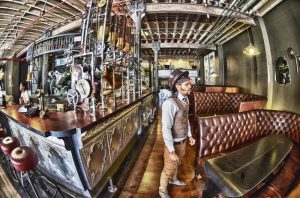
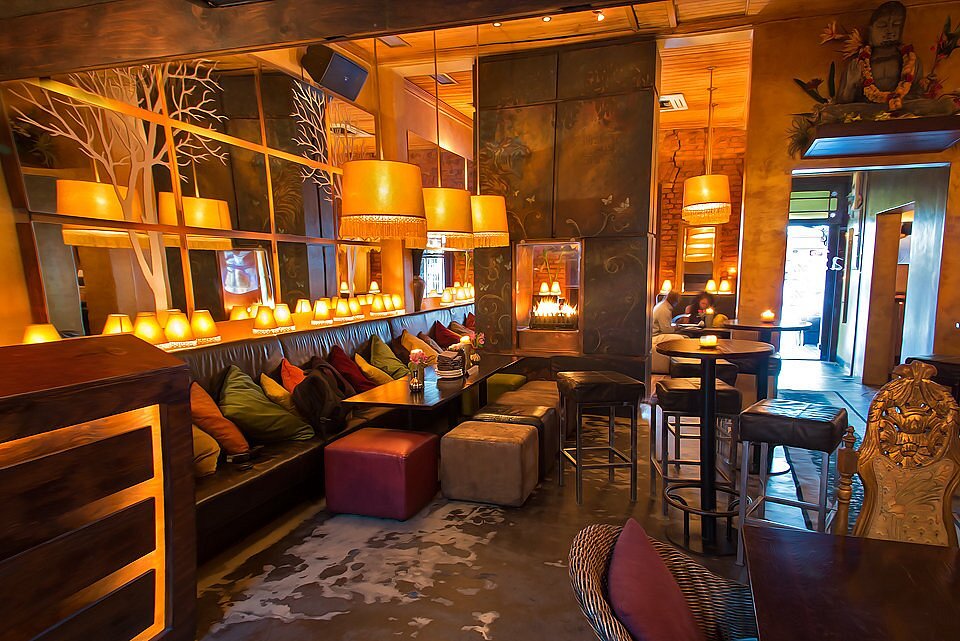
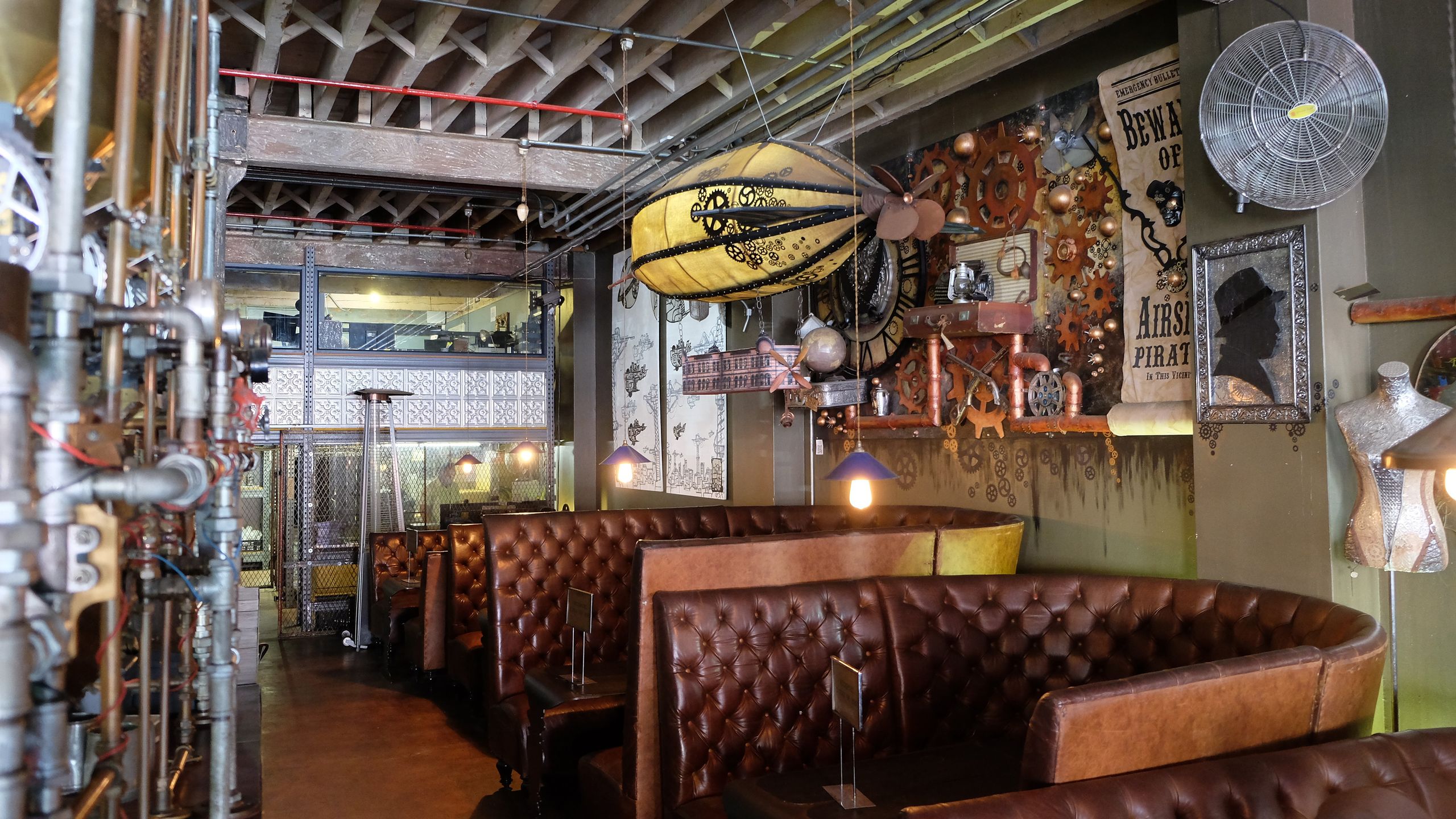
Truth Coffee Roasting is renowned for its unique steampunk-themed interior and its commitment to artisan-roasted coffee. Founded by David Donde, a pioneer in Cape Town’s specialty coffee scene, the establishment aims to produce the best possible coffee. It has gained international recognition, including being named the “best coffee shop in the world” by MSN Travel UK in 2013.
Truth Coffee Roasting is primarily an artisan coffee roastery that doubles as a steampunk-themed café in Cape Town. Coffee beans are hand-roasted in a vintage cast-iron drum, and it is this meticulous process that is central to their philosophy. The “Resurrection” blend is a popular offering, characterized by caramel, nutty, and chocolatey notes, designed to be robust as an espresso and cut through milk.
Beyond their own café, Truth Coffee also acts as a supplier, providing their roasted beans to numerous other businesses. The café environment itself is described as a “busy, clattering ritual” in the mornings, filled with the hiss of steam and the aroma of freshly roasted beans.
Perhaps one of Truth Coffee’s most defining features is its distinctive steampunk aesthetic. This theme, characterized by industrial-Victorian design elements like exposed pipes, gears, and vintage machinery, creates a unique and immersive atmosphere.
Truth Coffee’s reputation is built on both its striking visual appeal and the quality of its coffee, which is considered “third wave speciality coffee” due to its freshly roasted, blended, and higher-quality beans, prepared by trained baristas.
Olympia Café
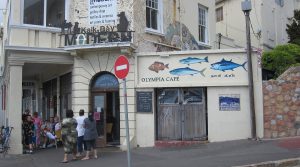
Olympia Café is one of those rare Cape Town institutions that feels completely woven into the identity of its neighbourhood. Sitting on the corner of Main Road in Kalk Bay, it’s less a polished “destination restaurant” and more a living part of the fishing village itself: noisy, warm, slightly chaotic, deeply atmospheric, and unmistakably local.
The first thing that usually strikes people is the energy. The café is almost always buzzing: cups clattering, baristas shouting orders, waiters weaving between tightly packed tables, the smell of espresso and butter drifting through the room. There’s very little separation between kitchen, bakery, and dining space, so you feel immersed in the rhythm of the place rather than served by it. The interior is deliberately unpretentious: weathered wooden tables, chalkboard menus, racks of fresh bread, mismatched chairs, faded walls, fishing-village grit. It feels authentic rather than curated.
Visually, it captures that specific Kalk Bay mood: salty sea air, old harbour culture, bohemian creativity, and slightly Mediterranean coastal charm. Through the windows you catch glimpses of False Bay and the harbour area, while outside the narrow pavement is constantly alive with surfers, fishermen, tourists, locals, dogs, cyclists, and people drifting between antique shops and galleries.
The bakery is central to the experience. Early mornings smell intensely of sourdough, croissants, cinnamon pastries, and coffee. The baked goods are displayed casually on racks near the tables, making the whole café feel like an extension of the bakery itself. Many locals come just for coffee and pastries before work or after a harbour walk. Almond croissants and rustic breads are especially well known.
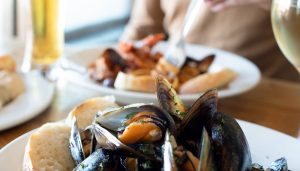
Food-wise, Olympia leans toward robust Mediterranean-style café cooking with strong seafood influences. The menu changes frequently and is famously written on blackboards rather than fixed printed menus. That creates a seasonal, slightly improvised feel — you get the sense the kitchen cooks according to what’s fresh that day. Their mussels, line fish, linguini di mare, soups, baked breakfasts, fish cakes, and hearty winter dishes are particularly associated with the café.
What really defines Olympia, though, is its social atmosphere. It attracts an unusually mixed crowd for Cape Town: wealthy Constantia regulars, surfers in hoodies, artists with sketchbooks, retired Kalk Bay locals, international tourists, food obsessives, and fishermen stopping in after the harbour. Tables are close together, service can feel brisk and informal, and there’s little sense of ceremony. The café famously does not really operate like a formal fine-dining space. Part of its identity is the slightly messy, lived-in feeling.
There’s also a strong emotional attachment many Capetonians have to it. People often describe Olympia not just as somewhere to eat, but somewhere that represents an older, more soulful Cape Town before heavy commercialization. Discussions about Kalk Bay’s gentrification frequently mention Olympia as one of the surviving institutions that still carries some of the area’s original character.
The best times to experience Olympia Café are:
- Early winter mornings when the windows fog up from coffee steam and rain blows in from False Bay.
- Slow weekday breakfasts before the tourist crowds arrive.
- Late lunches after walking the harbour and tidal pools.
- Evenings when the lighting becomes golden and intimate, with wine, seafood, and the bakery aromas still lingering in the air.
Olympia Cafe’s appeal comes from texture, atmosphere, community, and a feeling that the place evolved naturally over decades rather than being designed for Instagram. That’s why many people think of it as one of the defining restaurants of the Cape Peninsula.
The Blue Café
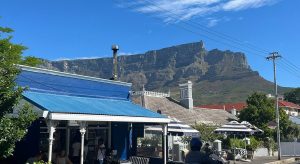
The Blue Café feels less like a trendy Cape Town café and more like a neighbourhood living room that accidentally became iconic. Hidden on a quiet corner in Tamboerskloof beneath the slopes of Lion’s Head and Table Mountain, it has the atmosphere of an old European corner café transplanted into the City Bowl: intimate, familiar, slightly eccentric, deeply local, and emotionally tied to the people who live around it.
Physically, the café is tiny. That smallness defines the entire experience. Inside, there are only a handful of tightly packed tables, shelves of deli goods, chalkboards, cakes on counters, and the smell of coffee and baked food hanging permanently in the air. Outside, the pavement seating spills casually onto Brownlow Road under trees and old Victorian façades. The blue-painted building itself is unmistakable: bright but weathered, like something that has existed long enough to become part of the neighbourhood’s memory rather than simply a business.
Unlike cafés that feel designed for visitors, Blue Cafe feels designed for residents first. That changes the social atmosphere completely. Many customers arrive on foot with dogs, children, newspapers, laptops, or reusable shopping bags. People greet each other across tables. Staff often seem to know regulars personally. The mood is slower and quieter than somewhere like Olympia Cafe in Kalk Bay: less loud harbour energy, more residential intimacy.
There’s a strong “third place” quality to it: somewhere between home and work where neighbourhood life happens organically. The owners themselves explicitly reference urban sociologist Ray Oldenburg’s idea that cafés help hold communities together socially. That philosophy shows up everywhere in how the place operates.
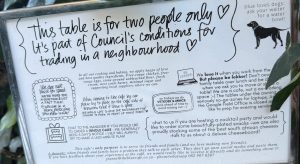
One of the most distinctive things about Blue Cafe is how intertwined it is with Tamboerskloof itself. The café buys produce from residents in the neighbourhood — fruit, vegetables, baked goods, preserves, eggs. Children sometimes sell produce grown in their gardens to the café. There’s something unusually old-fashioned and community-based about that system, especially in modern Cape Town.
Historically, the café carries a lot of layered local memory. The building has operated as a café or deli since roughly the early 1900s. For decades locals knew it as “Die Blou Kafee” because of its distinctive blue exterior. Later it became the Daily Deli before eventually returning to the Blue Cafe identity. That long continuity gives the place an almost inherited feeling. Many people in the area have memories connected to different eras of the café.
Food-wise, it leans toward comforting, homemade café cooking rather than polished restaurant presentation. The menu runs from breakfasts and pastries to pizzas, soups, pies, salads, and hearty lunch dishes. There’s a slightly Mediterranean-meets-neighbourhood-deli character to the food. Certain dishes have become locally famous, especially the chicken pie and the anchovy, olive, and caper pizza. The café is also known for cakes, carrot cake, good coffee, and simple breakfasts done properly.
What many people remember most, though, is the feeling of sitting there. Early mornings are especially atmospheric: cool mountain air, filtered sunlight hitting old houses, people walking dogs before work, coffee cups steaming outside on the pavement. In winter, the café feels cocooned and intimate against the grey weather. In summer evenings, the outdoor tables become softly social and neighbourhood-oriented rather than nightlife-driven.
Tamboerskloof itself shapes the experience too. The area has steep streets, old Victorian architecture, large trees, and a quieter rhythm than nearby Kloof Street. Blue Cafe reflects that exact character: residential, creative, relaxed, slightly intellectual, and community-oriented rather than performative.
In Cape Town café culture, Blue Cafe occupies a very specific niche. It isn’t fashionable in the glossy Atlantic Seaboard sense, nor industrial-cool like some city coffee spaces. Its appeal comes from permanence, warmth, familiarity, and the sense that the café genuinely belongs to the neighbourhood around it. Many locals speak about it almost protectively, as one of the few places that still feels rooted in an older version of Cape Town community life.
Our Local
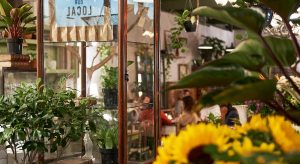
Our Local feels like somebody turned a bohemian greenhouse, an antique store, and a friend’s stylish old Cape Town home into a restaurant, then somehow made it feel effortless rather than designed. Hidden along the middle stretch of Kloof Street in Gardens, it occupies a converted industrial-style space that immediately separates itself from the louder restaurant scene outside. You step off one of Cape Town’s busiest social streets into something softer, greener, warmer, and strangely transportive.
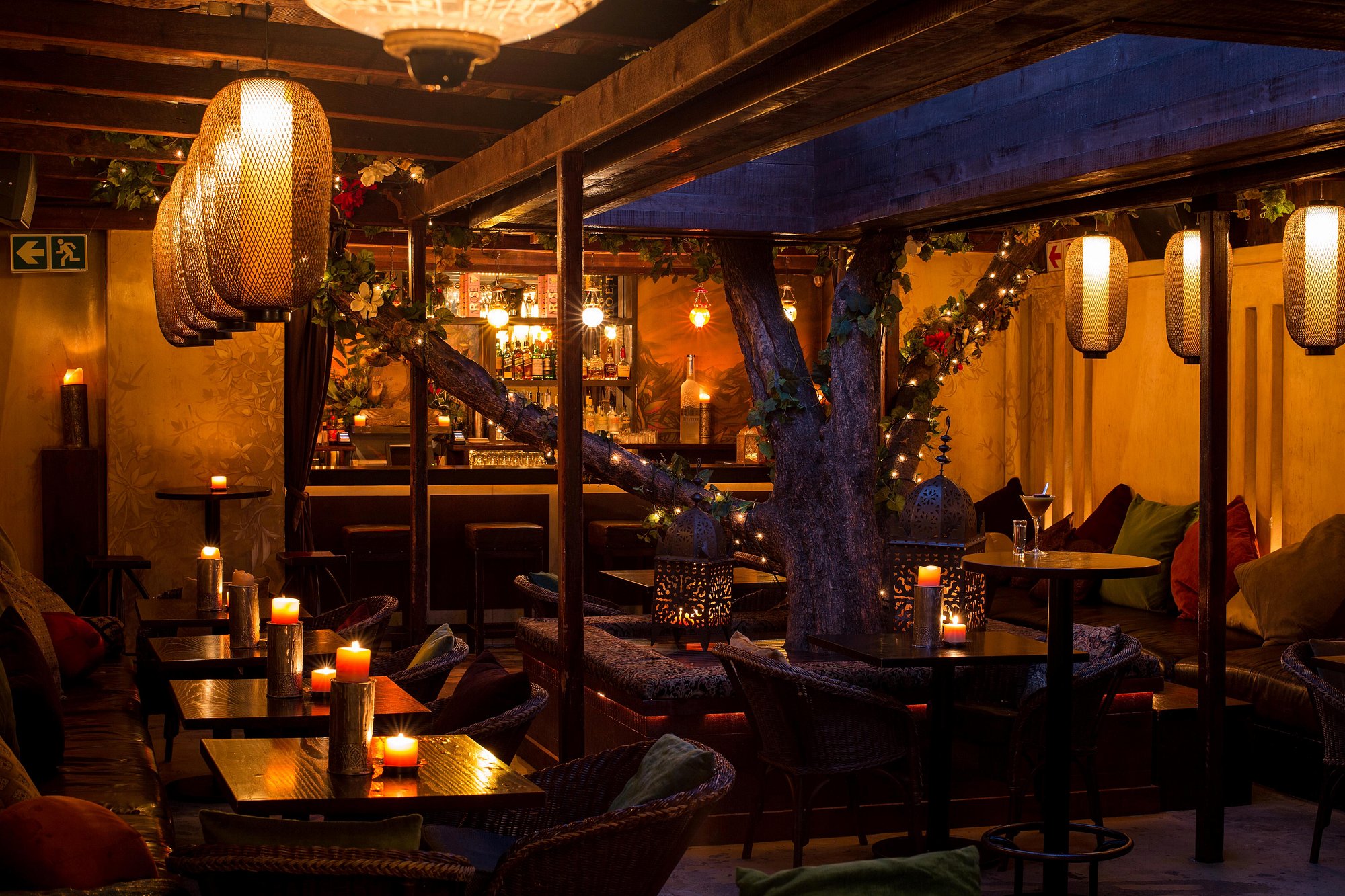
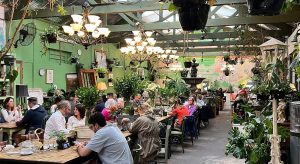
The strongest impression is the atmosphere. The interior feels layered and organic rather than polished. Plants spill from shelves and hang above tables; antique mirrors and vintage lamps create pockets of amber light; old furniture mixes with distressed wood and exposed brick; there are tucked-away sofa corners, communal tables, and little unexpected decorative objects everywhere. The whole place has the feeling of being collected slowly over years rather than installed all at once by an interior designer. Multiple reviewers describe it as feeling like a conservatory, greenhouse, or urban garden oasis.
Visually, it captures a very specific modern Cape Town aesthetic: botanical, Mediterranean, slightly nostalgic, intentionally imperfect, and socially relaxed. There’s a softness to the lighting and layout that encourages lingering. Even during busy brunch service, the café somehow avoids feeling sterile or rushed. Conversations stretch out, people order another coffee or cocktail, laptops appear in corners during the day, and evenings become slower and more intimate.
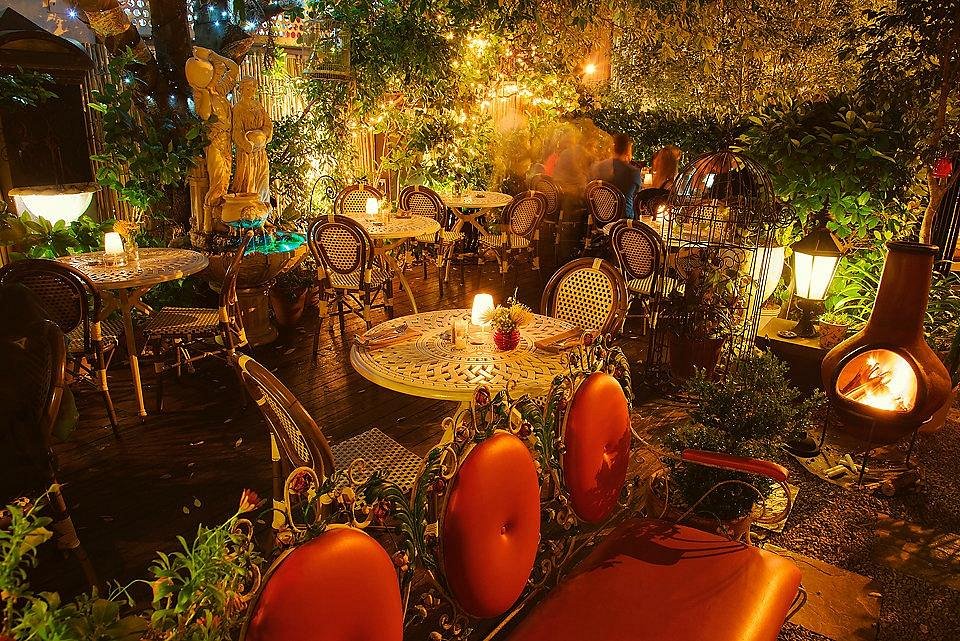
The space itself contributes enormously to the mood. Before becoming a café, the building was reportedly a mechanic’s workshop, and traces of that industrial shell still exist beneath all the greenery and vintage textures. That contrast of rough architecture softened by plants, warm lighting, and old furniture gives the restaurant much of its character. A small fountain and courtyard-like sections even create moments that feel faintly European or Mediterranean despite being in central Cape Town.
Unlike some Kloof Street venues that become overtly nightlife-focused, Our Local maintains more of a café-meets-neighbourhood-hangout identity. During the mornings, the crowd is full of freelancers, creatives, brunch groups, tourists, and locals walking in from Gardens and Tamboerskloof. There’s a gentle daytime rhythm: coffee machines hissing, sunlight filtering through plants, dogs under tables outside, people reading or working quietly.
At night, especially Thursdays through Saturdays, the atmosphere changes subtly rather than dramatically. Candles and warmer lighting make the space feel more romantic and cocooned, but it never becomes aggressively trendy or clubby. Compared with nearby Kloof Street hotspots, it feels calmer, more conversational, and slightly older in energy.
Food-wise, Our Local leans heavily into comforting Mediterranean-influenced café food with a modern Cape Town brunch sensibility. Their shakshuka is probably the signature dish people mention most often: richly spiced tomatoes, eggs, bread, generous portions, deeply comforting. The menu also revolves around toasties, avocado dishes, Eggs Benedict, burgers, salads, cakes, and home-style lunch and dinner plates. The food isn’t trying to be experimental fine dining; its appeal comes from generosity, warmth, and consistency.
The café also reflects the evolution of Kloof Street itself. Kloof Street has become one of Cape Town’s central social arteries, filled with bars, restaurants, boutiques, and nightlife but many places on the street can feel performative or heavily trend-driven. Our Local stands out because it still feels emotionally comfortable and residential underneath the aesthetic polish. It has enough style to attract Cape Town’s creative crowd, but enough warmth to avoid feeling exclusive.
There’s also an unmistakable “Cape Town creative class” atmosphere to it. Designers, photographers, digital nomads, young professionals, and fashion-adjacent locals tend to gravitate there. But unlike hyper-minimal coffee shops or ultra-curated restaurants, Our Local feels approachable. The slight clutter, plants, mismatched furniture, and lived-in energy make it feel human.
The best way to experience it is usually:
- A slow weekday breakfast when the morning light fills the greenhouse-like interior.
- Late brunch after walking around Kloof Street and Gardens.
- Winter afternoons when rain hits the windows and the inside becomes warm and intimate.
- Early evening cocktails and shared plates before Kloof Street becomes louder outside.
Ultimately, Our Local’s appeal comes less from any single dish and more from emotional atmosphere. It creates a feeling of temporary escape: a hidden indoor garden in the middle of the city where Cape Town’s mountain, café, design, and social cultures all quietly overlap.
Clarke’s Dining Room

Clarke’s is one of those Cape Town restaurants that helped define an entire era of the city’s food culture. Before Bree Street became the polished culinary runway it is now, lined with wine bars, designer storefronts, and destination restaurants, Clarke’s was already there, quietly setting the tone. It still feels like a slightly older, cooler version of Bree Street itself: urban but unfussy, stylish without trying too hard, and carrying just enough New York–diner energy to feel different from almost anywhere else in Cape Town.
Walking in, the first thing you notice is how stripped-back the space is. It doesn’t rely on Cape Town’s usual aesthetic shorthand: no hanging plants, no exposed-Edison-bulb theatricality, no “modern African” interior styling. Instead, Clarke’s feels clean-lined and vaguely transatlantic: white-tiled walls, dark bentwood chairs, polished concrete, large open windows, simple leather banquettes, and a long bar that feels like the room’s social spine. It’s minimalist, but warm minimalist rather than cold minimalist. The design feels closer to a Lower Manhattan diner-café hybrid than to anything overtly Cape Town.
Walking in, the first thing you notice is how stripped-back the space is.
It doesn’t rely on Cape Town’s usual aesthetic shorthand — no hanging plants, no exposed-Edison-bulb theatricality, no “modern African” interior styling. Instead, Clarke’s feels clean-lined and vaguely transatlantic: white-tiled walls, dark bentwood chairs, polished concrete, large open windows, simple leather banquettes, and a long bar that feels like the room’s social spine. It’s minimalist, but warm minimalist rather than cold minimalist. The design feels closer to a Lower Manhattan diner-café hybrid than to anything overtly Cape Town.
Clarke’s is narrow and elongated, which creates a kind of kinetic intimacy. You’re always aware of movement: servers weaving through, bartenders polishing glasses, coffee arriving, cocktails being shaken, people drifting in from Bree Street. Even when you’re sitting still, the room feels in motion. That’s part of Clarke’s identity: it hums. Clarke’s is sharp, fast and more metropolitan. It feels plugged into the city’s bloodstream.

There’s a very specific crowd there, too. Cape Town creatives in monochrome linen. Magazine editors on morning meetings. Designers with laptops. People who clearly know everyone. International visitors who’ve been told “you have to go to Clarke’s.” Solo diners at the bar reading newspapers. Stylishly hungover people ordering heroic breakfasts at 11:30am. It has that rare restaurant quality of making everyone look like they belong there. The social atmosphere feels distinctly cosmopolitan rather than overtly local. Clarke’s feels like it could exist in Brooklyn, Melbourne, Copenhagen, or Shoreditch except with Table Mountain light pouring through the windows.
Mornings are bright and energetic: sunshine bouncing off the white interior, coffee machines hissing, breakfast plates flying out, Bree Street beginning to wake up outside.
Late afternoons are arguably its best moment. The western light hits the room with that very particular Cape Town gold, and the whole restaurant suddenly feels cinematic. People shift from coffee to cocktails, and the atmosphere becomes looser, more flirtatious.
At night it turns moodier and cooler, but never rowdy in a forced way. There’s often music, sometimes DJs, and a subtle downtown-bar energy that feels organic rather than programmed.
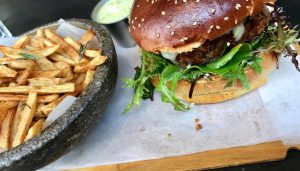
Food-wise, Clarke’s built much of its reputation on elevated American diner comfort food. The all-day breakfasts are legendary: substantial, beautifully executed, slightly indulgent, and often exactly what people want after a Cape Town night out. The burgers are consistently among the city’s most respected, with proper grass-fed beef and excellent fries. The Reuben, grilled cheese, pulled pork sandwiches, eggs, hash dishes, and sharp, simple sides all carry that “classic done properly” philosophy.
Nothing on the menu feels overthought. That’s actually part of its sophistication. Clarke’s understands restraint better than many trendier restaurants. It knows exactly what it is: excellent comfort food, properly made, served in a room with serious atmosphere.
What really makes Clarke’s endure is that it still feels culturally relevant without chasing relevance. That’s difficult in Cape Town, where restaurant trends can swing heavily toward whatever photographs best that season. Clarke’s doesn’t really chase any of that. It feels established enough not to need validation, which ironically makes it cooler.
The best way to experience it:
- Midweek breakfast when Bree Street is waking up
- Late lunch at the window for city watching
- Golden-hour drinks as the light drops across Bree
- A solo seat at the bar — arguably the purest Clarke’s experience
- A slightly hungover Sunday brunch, which is almost a local ritual
The Strangers Club

The Strangers Club feels less like a café and more like discovering a hidden old Cape Town world behind an ordinary street corner. Tucked away on Braemar Road in Green Point, it occupies one of the oldest surviving residential buildings in the area: a heritage farmhouse dating back to 1828 and the age of the building shapes the entire emotional atmosphere of the place. You don’t walk into a conventional restaurant; you move through a series of interconnected rooms, courtyards, verandas, and passageways that feel accumulated over generations rather than designed all at once.
There’s a strong sensation of transition when you enter. Outside is modern Green Point: traffic, apartment buildings, tourists, city movement. Inside, everything suddenly slows down. The sound softens. Light filters through old windows and indoor plants. Wooden floors creak slightly underfoot. The air smells faintly of coffee, timber, old plaster, greenery, and fresh baking.
The café has a deeply layered aesthetic that mixes:
- old Cape farmhouse architecture,
- contemporary Cape Town minimalism,
- African travel influences,
- greenhouse-like botanical softness,
- and slightly bohemian “creative refuge” energy.
But unlike some highly curated Cape Town spaces, it doesn’t feel aggressively styled. The rooms feel lived in. Furniture is mismatched but harmonious. Linen curtains move in the breeze. Ceramics, books, woven textures, African artefacts, and antique objects appear organically throughout the space.
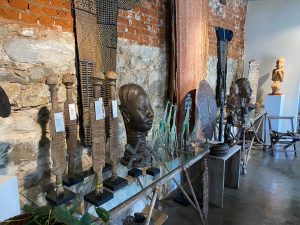
One of the defining features is the spatial experience. Most cafés reveal themselves immediately. The Strangers Club unfolds gradually. You move from one room into another, then into a courtyard, then through a retail area filled with textiles and objects, then past another shaded seating nook. The building behaves almost like a small labyrinth. That creates a rare feeling of discovery. You continually find quieter corners, different lighting, different moods.
The courtyards are especially important to its atmosphere. Cape Town has many cafés with outdoor seating, but The Strangers Club’s outdoor spaces feel unusually secluded and sheltered. Trees and climbing greenery soften the edges of the old walls, while filtered sunlight creates constantly shifting patterns across tables and stone surfaces. In summer, the spaces feel airy and Mediterranean. In winter, they become cocooned and intimate under grey skies.
Socially, the café attracts a very particular Cape Town crowd:
- creative freelancers,
- architects,
- photographers,
- travellers,
- fashion people,
- wellness-oriented locals,
- international visitors,
- and Green Point residents who use it almost like an extension of home.
Yet despite being fashionable, it rarely feels performative or loud. The energy is calm, thoughtful, and conversational. People linger for hours with laptops, journals, coffees, or long breakfasts. It has the atmosphere of a place where introductions happen naturally.
The name itself captures that spirit.
It was inspired by a travel memoir called The Strangers Club, where travellers gathered to exchange stories and ideas. That philosophy still defines the space. The café consciously positions itself as somewhere locals and travellers overlap rather than remain socially separate.
Food at The Strangers Club follows the same philosophy as the interior: restrained, thoughtful, seasonal, and quietly refined rather than flashy.
The menu focuses on simple café dishes executed carefully:
- open sandwiches,
- eggs and breakfast plates,
- smoothie bowls,
- fresh pastries,
- seasonal salads,
- excellent coffee,
- fresh juices,
- homemade baked goods,
- and lighter lunch dishes.

The aesthetic of the food mirrors the space itself: clean, natural, bright, and ingredient-focused. There’s a strong Western Cape farm-to-table sensibility without the self-consciousness that sometimes accompanies that style.
The coffee culture there is also central. Unlike fast-moving urban cafés, coffee at The Strangers Club feels integrated into the slower rhythm of the place. Cups arrive in handmade or vintage-feeling ceramics, people stay over second coffees, and mornings unfold gradually rather than urgently.
Many people describe The Strangers Club as feeling like a sanctuary inside the city.
It also embodies a very particular side of modern Cape Town culture:
- globally influenced but locally rooted,
- design-conscious without luxury-hotel sterility,
- wellness-oriented without becoming clinical,
- and socially relaxed in an understated way.
The best moments to experience it are usually:
- quiet weekday mornings,
- slow solo breakfasts,
- rainy winter afternoons,
- or late mornings when sunlight fills the old rooms and courtyards.
The ideal experience is honestly not rushing. The Strangers Club rewards lingering more than almost any café in Cape Town. It’s a place where time stretches slightly. Where one coffee becomes brunch, brunch becomes browsing, and the city outside temporarily disappears.
Spirit Café

Spirit Café feels like the healthier, calmer cousin in Cape Town’s café ecosystem: a place where wellness culture, neighbourhood familiarity, and genuinely comforting food overlap without becoming preachy or sterile. Hidden inside the Constantia Village Courtyard, the café doesn’t announce itself loudly. You find it tucked slightly away from the shopping centre flow, and that sense of partial concealment shapes the atmosphere immediately. There’s a transition from suburban retail movement into something softer and more grounded: timber tables, plants, warm natural light, earthy colours, open windows, shelves of health products, and the smell of roasted vegetables, coffee, baked goods, and fresh juices drifting through the room.
Unlike many “healthy cafés” that can feel minimalist to the point of emotional coldness, Spirit Cafe feels deeply domestic and human. The interior has a relaxed, slightly bohemian Constantia aesthetic: greenery everywhere, textured wood, casual seating, soft couches, handmade-feeling ceramics, and a kind of lived-in warmth that makes people stay longer than they planned. Many reviews describe it as “homely,” and that really captures the emotional tone of the space. The clientele shapes the mood too.
Spirit Cafe attracts a very specific Cape Town crowd:
- yoga and wellness people,
- Constantia parents after school drop-offs,
- freelancers working quietly on laptops,
- hikers stopping after mountain walks,
- older local regulars,
- health-conscious creatives,
- and people who want somewhere calm rather than performatively trendy.

The energy is notably gentler than places like Clarke’s or Our Local. Conversations are quieter. Nobody seems rushed. People linger over juices and coffees while working or reading. There’s often sunlight pouring into the courtyard seating area, creating that very Constantia feeling of suburban greenery and mountain calm.
One of the café’s defining characteristics is that it approaches wellness through pleasure rather than restriction. Spirit Cafe’s philosophy is essentially: healthy food should still feel abundant, comforting, and delicious. Their own messaging repeatedly emphasizes that you “don’t have to be vegan, vegetarian, or a health-nut” to enjoy the food.
That mindset changes the atmosphere completely. The café doesn’t feel ascetic or clinical. There’s cake in the display counters. Big salads arrive piled high with textures and colour. Smoothies are vibrant and generous. Roast vegetables glisten with tahini and herbs. The food feels nourishing in a sensory way rather than a moralizing way.
Visually, the cuisine mirrors the interior:
- earthy,
- colourful,
- fresh,
- textured,
- organic-looking,
- and intentionally unfussy.
Large salad bowls, pesto rice dishes, vegetable burgers, crustless quiches, smoothies, juices, free-range egg breakfasts, vegan baked goods, and buffet-style lunches all form part of the identity of the place.
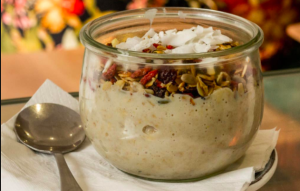
The salads in particular have become something of a signature. People consistently talk about the variety and freshness: roasted vegetables, grains, seeds, tahini dressings, herbs, fermented flavours, greens, nuts, and colourful seasonal combinations that feel almost farm-table in spirit.
There’s also a strong ethical and community-oriented philosophy underneath the café. Founder Kate Ball describes the restaurant as staying “close to the source,” using seasonal ingredients and prioritising ethical sourcing wherever possible. The language the café uses about food, “nourishing,” “made with intention,” “love,” “community,” genuinely permeates the space rather than reading like branding copy.
Cape Town has many aesthetically beautiful cafés, but Spirit Cafe stands out because it feels emotionally sincere rather than image-driven.
Even the layout reinforces this:
- open shelving of healthy pantry items,
- takeaway fridges with prepared meals,
- casual courtyard seating,
- sunlight and airflow everywhere,
- and a noticeable absence of hard-edged urban coolness.
Spirit Cafe feels more restorative. It’s the sort of place people go after yoga classes, before school pickups, after therapy appointments, after hikes, or during quiet working mornings. There’s an emotional softness to it that reflects Constantia itself: leafy, affluent, health-conscious, mountain-adjacent, and suburban in the best sense.
The best moments to experience it are:
- slow weekday breakfasts,
- quiet late-morning coffees,
- sunny courtyard lunches,
- or winter afternoons when the inside feels warm and cocooned against Constantia rain.
More than almost anything else, Spirit Cafe succeeds because it makes wellness feel comforting instead of disciplined. It feels like a place designed around the idea that taking care of yourself should also feel beautiful, generous, and deeply enjoyable.
Loading Bay
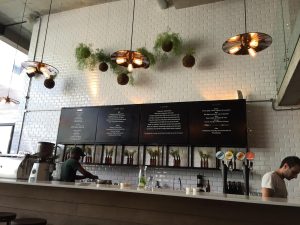
The Loading Bay is one of the most distinctive cafés in Cape Town because it’s not really just a café. It feels more like a carefully constructed lifestyle environment: part Scandinavian-Japanese-inspired eatery, part fashion space, part design studio, part grooming boutique, and part creative refuge inside the city. Sitting on Hudson Street in De Waterkant, it has become one of the defining spaces of Cape Town’s modern minimalist aesthetic.
The first thing that defines Loading Bay is the atmosphere of restraint.
Unlike many Cape Town cafés that lean heavily into lush greenery, maximalist décor, or overt “local charm,” Loading Bay feels stripped back, architectural, and intentional. The interior is dominated by polished concrete, pale timber, steel, glass, muted tones, and open vertical space. Light pours in through large industrial windows, softening what could otherwise feel severe. The result is calm rather than cold: a space that feels designed to quiet visual noise.
There’s a strong Scandinavian influence to the space, but also something distinctly Japanese in its philosophy:
- minimalism,
- material honesty,
- careful attention to texture,
- and a sense that emptiness itself is part of the design.
Several reviewers specifically describe the café as having a “Scandinavian/Japanese vibe,” which is remarkably accurate. The spatial layout matters enormously. The café occupies the ground floor of a multi-use concept space. Around and above the eatery are curated fashion collections, skincare, fragrances, and lifestyle objects. That changes the emotional feeling of the café completely. Instead of a restaurant with decorative branding, Loading Bay feels like entering someone’s fully realised aesthetic worldview.
You can drink a flat white beside:
- Acne Studios apparel,
- Aesop skincare,
- niche fragrances,
- Japanese-inspired objects,
- or carefully curated menswear.
And somehow it doesn’t feel chaotic. It feels cohesive. The café became influential partly because it arrived early. Founded in 2007, it helped shape the entire “Cape Town design café” phenomenon before it became widespread. Even international publications noticed it early on; one article noted that The New York Times listed it among Cape Town’s important food-and-design destinations.
Socially, Loading Bay attracts one of the most design-conscious crowds in Cape Town:
- architects,
- stylists,
- photographers,
- fashion people,
- digital creatives,
- international travellers,
- and De Waterkant regulars.
But unlike some image-heavy cafés, the atmosphere remains surprisingly relaxed. People work quietly on laptops, hold informal meetings, browse clothing upstairs, or sit alone with coffee and breakfast. It feels curated, but not tense.
There’s also a very specific De Waterkant energy surrounding it. De Waterkant already has a slightly international feel compared with many Cape Town neighbourhoods: dense urban streets, design stores, apartment living, cafés, boutique hotels. Loading Bay reflects that cosmopolitan atmosphere.
In the mornings, sunlight floods the concrete-and-wood interior with a kind of golden softness that prevents the minimalism from becoming sterile. Outside seating catches the movement of Hudson Street, while inside remains cocooned and quiet.
Food at Loading Bay mirrors the interior philosophy: clean, restrained, ingredient-driven, and carefully composed.
The menu is relatively compact and seasonally oriented, with strong emphasis on ethically sourced ingredients and regenerative farming practices. The café explicitly frames itself around sustainability and conscious consumption.
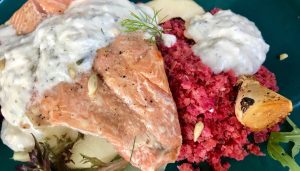
The dishes themselves tend to feel refined without being complicated:
- sourdough breakfasts,
- almond porridge,
- ricotta sandwiches,
- buns and pastries,
- burgers,
- salads,
- beautifully plated eggs,
- fresh juices,
- and excellent coffee.
Even comfort food there feels controlled and aesthetically balanced.
The pastries and baked goods are especially associated with the café — cinnamon buns, cardamom buns, pancakes, and carefully made breads appear repeatedly in reviews.
Coffee culture is central too, but quieter than at more overtly coffee-driven cafés like Truth or Origin. At Loading Bay, coffee feels integrated into the larger sensory experience of the space rather than becoming the singular obsession. Loading Bay feels disciplined. There’s a quiet confidence to it: a sense that everything has been edited carefully. Even the emptiness in the space feels intentional.
That restraint is exactly why many people find it inspiring. Designers, photographers, and creatives often describe the café less as “comfortable” and more as mentally clarifying: somewhere that sharpens focus rather than overwhelms the senses.
The best way to experience Loading Bay is usually:
- a quiet weekday morning,
- a long solo coffee with a laptop,
- a slow brunch after walking through De Waterkant,
- or a late morning when the light is strongest and the café feels almost gallery-like.
Ultimately, Loading Bay represents a very specific side of contemporary Cape Town:
globally informed, aesthetically disciplined, sustainability-conscious, design-led, and quietly luxurious without ever becoming flashy.
Naked
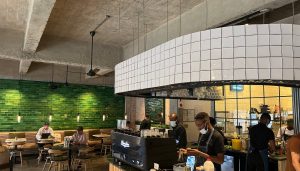
Naked Coffee in Sea Point feels like a distilled version of modern Cape Town café culture: clean-lined, design-conscious, health-aware, socially relaxed, and deeply tied to the city’s obsession with good coffee and beautiful mornings. Sitting on the corner of Wisbeach Road near the Sea Point promenade, it has become one of those cafés people fold into their daily routines: post-swim coffee, laptop mornings, late breakfasts, casual meetings, or recovery brunches after weekends out.
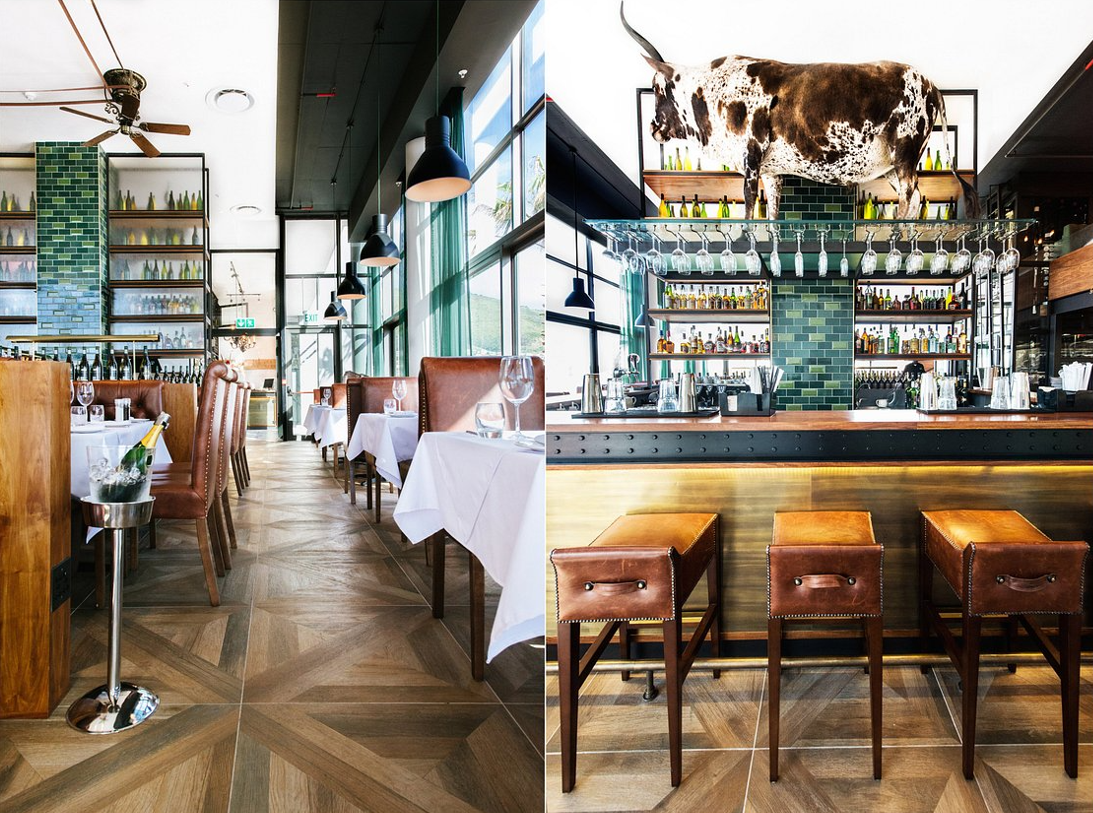
The first thing that defines the space is the light. The café is bright in a very particular Atlantic Seaboard way: large windows, pale surfaces, reflective marble, soft wood, and sunlight pouring into the interior for most of the day. Unlike moodier cafés that rely on intimacy and shadow, Naked feels airy, exposed, and awake. The interior leans strongly Scandinavian-minimalist: forest-green tiles, clean geometric lines, light timber, marble tabletops, muted tones but softened enough that it still feels welcoming rather than austere.
Spatially, the café is more open and breathable than many Cape Town coffee spots. There’s a central coffee counter that acts almost like a social anchor for the room, while seating spreads around it in a way that encourages lingering rather than rapid turnover. Laptop users, solo diners, remote workers, and brunch groups all coexist there comfortably. That mix shapes the emotional atmosphere: productive but relaxed, stylish but casual.
Unlike cafés hidden in quieter neighbourhood pockets, Naked exists inside one of Cape Town’s most constantly moving urban zones. Outside, there’s a steady rhythm of runners, dog walkers, tourists, gym-goers, cyclists, beach people, and locals moving between the promenade and Main Road. Inside, the café feels like a calmer extension of that energy rather than an escape from it.
Socially, it attracts a very recognizable Cape Town crowd:
- digital creatives,
- fitness-oriented locals,
- remote workers,
- Atlantic Seaboard residents,
- international visitors,
- stylish young professionals,
- and people treating the café almost like a daytime office or social hub.
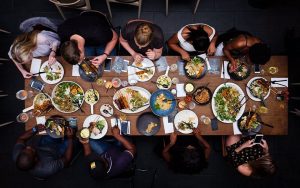
Weekday mornings especially have that modern “urban remote-working café” atmosphere: MacBooks open, flat whites arriving continuously, playlists humming softly, sunlight moving across tables, conversations about design, startups, surf conditions, gym classes, or travel plans.
Yet despite being fashionable, Naked avoids the intimidating exclusivity some highly aesthetic cafés develop.
Part of that comes from the service style and pacing. The energy is casual and approachable rather than ceremonially trendy. Reviews consistently mention the staff being warm and relaxed even during busy brunch periods. Coffee is obviously central to the identity of the place. Naked positions itself firmly within Cape Town’s specialty coffee culture: carefully sourced beans, precision espresso work, small-batch roasting, and modern brewing methods. One distinctive detail is that they use “naked portafilters” on their espresso machines, which is partly where the café’s name and aesthetic philosophy come from: exposing the coffee extraction process rather than hiding it.
The coffee culture there feels serious but not performatively technical. You don’t get the intense coffee-snob atmosphere that some specialty cafés can create. Instead, the focus feels integrated into everyday café life: very much in keeping with Cape Town’s broader coffee scene, where high-quality coffee has become normalized rather than niche.
Food-wise, Naked leans heavily into elevated brunch culture.
The menu reflects contemporary café tastes:
- avocado and halloumi toast,
- shakshuka,
- chilli scrambled eggs,
- buttermilk pancakes,
- breakfast stacks,
- salmon dishes,
- fresh pastries,
- grilled sandwiches,
- seasonal salads,
- and carefully plated comfort food with a wellness-adjacent edge.
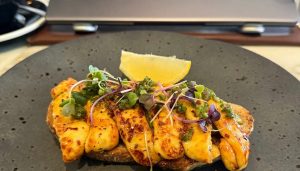
The pancakes and baked goods come up repeatedly in reviews: especially the New York-style buttermilk pancakes, banana bread, carrot cake, and pastries.
Visually, the food mirrors the café itself:
- clean,
- bright,
- carefully composed,
- modern,
- and photogenic without becoming absurdly delicate.
Even indulgent dishes still feel “Atlantic Seaboard healthy.” One interesting tension at Naked is the balance between café and workspace. Because it’s become so popular among remote workers, some reviews note that large numbers of tables are occupied for long stretches by laptop users. That slightly changes the energy during peak hours, especially weekends, when brunch diners compete with people working remotely for seating.
Naked feels more like a lifestyle café in the contemporary sense: a place designed to support the rhythms of modern Cape Town life: coffee, wellness, work, socializing, brunch, aesthetics, and flexibility all merging together.
The best way to experience it is usually:
- early weekday mornings before the full laptop crowd arrives,
- post-promenade breakfasts,
- slow brunches in strong natural light,
- or quiet solo coffee sessions near the windows.
Ultimately, Naked Coffee captures something very specific about modern Sea Point itself: healthy but indulgent, stylish but relaxed, globally influenced yet unmistakably Cape Town, where café culture has become less about occasional visits and more about daily lifestyle ritual.
Chardonnay Deli @ Constantia
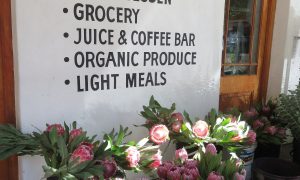
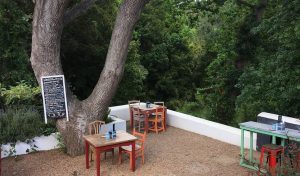
Chardonnay Deli feels less like a polished city café and more like a relaxed country outpost tucked into the Constantia wine valley. Set inside a restored late-1800s heritage building on Constantia Main Road, the space leans heavily into rustic farm-stall charm: creaking wooden floors, reclaimed counters, baskets of produce, shelves of pantry goods, and sprawling oak trees shading the courtyard outside.
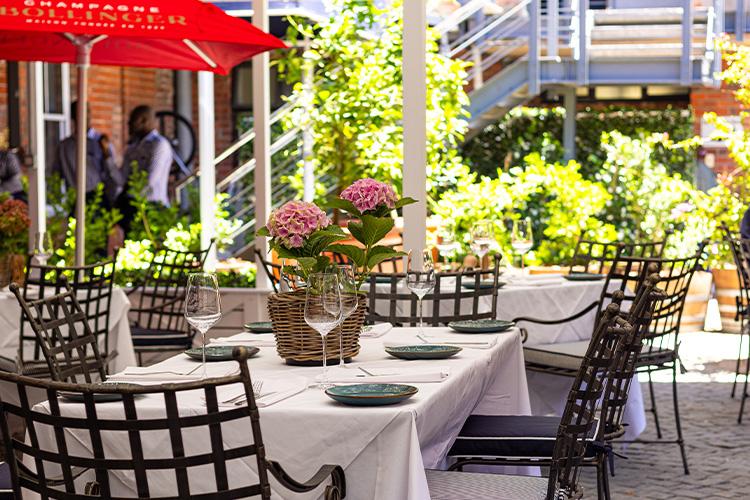
The atmosphere is what draws many people back. It manages to feel simultaneously affluent and deeply casual: the sort of place where Constantia regulars arrive in activewear after a school run or mountain walk, while visitors settle in for long breakfasts and coffee under the trees. There’s a soft, lived-in warmth to it rather than a hyper-designed aesthetic. Mismatched chairs, garden seating, flowers, crates of vegetables, and the smell of fresh bread all contribute to a “slow Cape Town morning” feeling. Eat Out described it as “farm-style charm” with a notably relaxed outdoor setting.
Food-wise, Chardonnay Deli sits somewhere between bakery, café, farm stall, and gourmet deli. The bakery is central to the experience: sourdough loaves, croissants, pastries, quiches, pies, baked cheesecakes, rustic cakes, and sweet treats are displayed prominently and are widely considered among the highlights.
The menu itself tends toward elevated comfort food rather than experimental dining. Breakfasts are especially popular: avo toast variations, eggs, granola, pastries, fresh juices, and strong coffee while lunch leans into salads, charcuterie, seasonal café dishes, and hearty deli-style plates. There’s also an emphasis on quality local ingredients: cheeses, olive oils, cured meats, preserves, fresh produce, and homemade frozen meals line the shelves and fridges for takeaway.
A big part of the deli’s identity comes from owner Charmaine Lilje, whose background includes working with notable Cape Town chefs like Luke Dale-Roberts and Franck Dangereux. The deli grew out of her catering company, Chardonnay Chefs, and there’s still a strong “home entertaining” sensibility to the place. You can easily imagine buying a loaf of bread, a bottle of wine, a prepared dinner, and flowers all in one stop.
Compared to trendier Cape Town cafés, Chardonnay Deli is less minimalist and more abundant. It feels full of baked goods, produce, people lingering over coffee, dogs under tables, families gathering after wine tastings, and locals buying takeaway dinners on their way home. Reddit discussions about Cape Town cafés often describe it as a favourite breakfast or Southern Suburbs institution, especially for its setting and bakery.
Overall, Chardonnay Deli is best understood as one of Cape Town’s quintessential “Constantia lifestyle” spots: leafy, leisurely, food-focused, slightly indulgent, and deeply rooted in the idea of simple but high-quality eating in a beautiful setting.
Café Sofi
Café Sofi feels like Natasha Sideris taking the familiar “tashas formula” and making it far more intimate, nostalgic, and emotionally personal. Where a typical tashas café is polished, bustling, and cosmopolitan, Café Sofi feels moodier, softer, and more cinematic: almost like walking into someone’s memory of a glamorous family home rather than a restaurant.
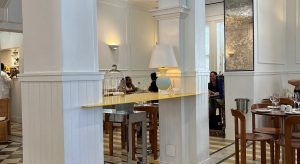
Set in the Longkloof precinct in Gardens, in the old Rick’s Café building, the restaurant occupies a restored Victorian structure with layered interiors that deliberately avoid minimalist Cape Town café trends. Instead of clean Scandinavian restraint, the space leans into old-world eccentricity: striped floors, cream upholstery, dark woods, vintage-inspired lighting, orchids, dried flowers, patterned fabrics, leopard-print accents, framed curiosities, and playful references to the owners’ mother, Sophia Electra.
The emotional core of the restaurant matters here. Café Sofi was created by Natasha and Savva Sideris as a tribute to their mother, and almost every description of the space revolves around contradiction: elegant but quirky, conservative but eccentric, nostalgic but playful. The official branding describes Sophia as “a woman of beautiful contradictions,” and that philosophy carries through everything from the décor to the menu design.
Atmospherically, it sits somewhere between a European café, a Greek family dining room, and a sophisticated Cape Town neighbourhood restaurant. During the day it has the soft energy of a stylish breakfast-and-lunch spot: cappuccinos, pastries, meetings, people lingering over newspapers but at night it shifts into something warmer and more romantic. The lighting becomes lower, cocktails appear, and the restaurant starts feeling more like an intimate bistro than a café.
Food at Café Sofi is deliberately comfort-driven rather than aggressively trend-focused. Natasha Sideris described the menu as “authentic, simple, and even edgy” without trying to be overly fancy. The dishes are recognisable, but elevated through technique and presentation rather than reinvention.
The menu tends to revolve around deeply nostalgic, richly satisfying food:
- honey-butter croissants
- cheese toasties with roasted tomato soup
- crab cakes with citrus mayo
- steak rolls with horseradish crème fraîche
- coronation chicken on sourdough
- chicken pot pie
- tiramisu and ginger puddings
- rosti with beef ragù
Rather than “Cape Town wellness café” food, this is food designed to feel emotionally comforting and slightly indulgent.
One thing that repeatedly comes up in reviews is how balanced the restaurant feels. It’s clearly luxurious and carefully designed, but it avoids becoming intimidating. Multiple reviewers describe it as elegant without being stiff, stylish without feeling performative.
It occupies a particularly Cape Town sweet spot: sophisticated enough for a long lunch or date night, but still relaxed enough for coffee and pastries after a walk through Gardens or Kloof Street.
There’s also a subtle Greek and Mediterranean sensibility running through the restaurant: not in a loud thematic way, but in its warmth, generosity, layering, and slight old-world glamour. Even the music, textures, and pacing feel intentionally nostalgic rather than contemporary-minimal.
Overall, Café Sofi is less about culinary innovation and more about atmosphere, memory, and emotional resonance. It’s one of those restaurants where people often remember how the place made them feel as much as what they ate: cocooned, slightly transported, well-fed, and lingering longer than they planned to.
Sonny and Irene
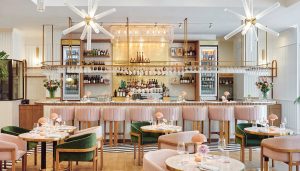
Sonny and Irene feels like Sea Point distilled into café form: stylish, energetic, a little theatrical, and carefully engineered to make everyday brunch feel glamorous. Situated on the ground floor of the sleek Station House development on Kloof Road, it occupies that very contemporary Atlantic Seaboard space between neighbourhood café, lifestyle restaurant, and social scene
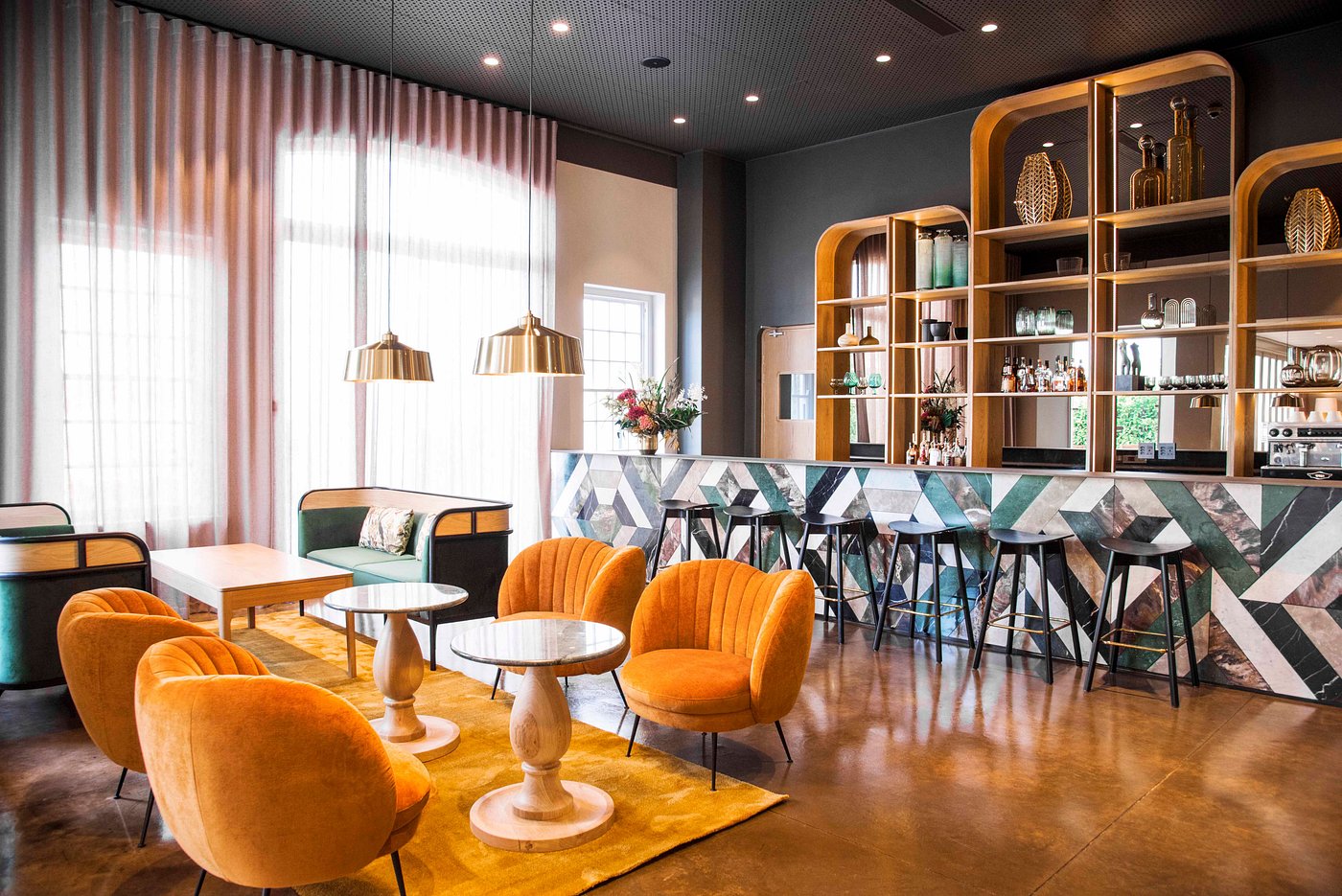
The design is a huge part of the experience. Unlike rustic Cape Town cafés that lean earthy and handmade, Sonny and Irene embraces polished Art Deco-inspired elegance. The interiors are filled with blush pinks, deep greens, brass details, velvet seating, marble tabletops, soft lighting, and carefully curated floral touches. Multiple reviews describe it as “sweet sophistication,” and that phrase is accurate. The space feels intentionally photogenic without tipping fully into nightclub territory.
Atmospherically, it changes noticeably throughout the day:
- mornings feel airy and café-oriented, with pastries, coffee meetings, dog walkers, and remote workers
- lunch becomes busier and more social
- evenings shift toward cocktails, date nights, and a more upscale bistro energy
That all-day flexibility is central to why the restaurant became popular so quickly after opening in 2022. It’s trying to be a neighbourhood institution, but one with polish and spectacle.
The food sits in a similar space: familiar café classics elevated through presentation and indulgence rather than radical creativity. Their own branding repeatedly calls it “not-your-average neighbourhood café bakery,” which is essentially the entire concept.
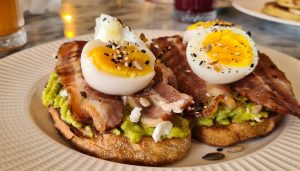
The menu is broad and designed for maximum crowd appeal:
- elaborate breakfast plates
- pastries and baked goods from the bakery counter
- seafood dishes
- burgers and grills
- salads and “healthy” café fare
- cocktails and desserts
There’s a distinctly contemporary Cape Town approach to the menu: globally influenced comfort food with wellness touches and luxury styling.
The bakery component matters more than people initially expect. Fresh pastries, cakes, breads, and sweet items are displayed prominently, giving the space part Parisian pâtisserie, part luxury apartment-lobby café energy. The open-kitchen bakery design also adds movement and theatre to the room. It also reflects the broader Kove Collection aesthetic: aspirational but accessible luxury, where the experience is as important as the food itself.
Even critics usually acknowledge that the space itself is striking. It’s one of those restaurants where people often go partly to inhabit a certain Sea Point mood: fashionable, leisurely, sunlit, slightly decadent, and socially visible.
Overall, Sonny and Irene works best if you approach it less as a pure food destination and more as a lifestyle café experience. It’s designed for long brunches, polished catch-ups, pastries after the promenade, cocktails at golden hour, and that distinctly Cape Town ritual of turning coffee into a three-hour social event.
Hemelhuijs
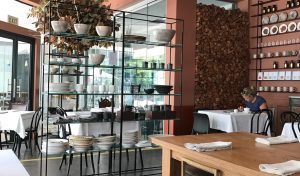
Hemelhuijs feels less like a conventional café and more like stepping into the private world of an artist-chef. Hidden along Waterkant Street in Cape Town’s city centre, it occupies a space somewhere between restaurant, flower studio, design gallery, and dreamlike domestic interior. Almost every detail of the flowers, ceramics, menu typography, wall colours, music, table linen, even the way dishes are plated, feels intensely considered and emotionally expressive.
The driving force behind Hemelhuijs is chef, artist, designer, florist, and creative director Jacques Erasmus, and the restaurant genuinely feels like an extension of his mind. Unlike restaurants with fixed branding and predictable interiors, Hemelhuijs constantly evolves. Walls change colour seasonally. Floral installations are redesigned. Ceramics shift. Menus are reimagined visually and conceptually every few months. Reviewers often describe it as a “living canvas,” which is probably the most accurate description possible.
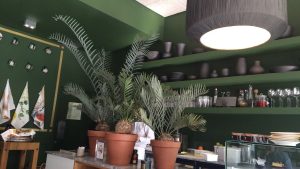
Atmospherically, the restaurant is deeply sensory and strangely transporting. During one season it might feel dark, botanical, and cocoon-like, with dramatic greens and heavy textures; another season may introduce earthy ochres, pale neutrals, or Mediterranean warmth. The interiors never feel trendy in a short-lived way. They feel theatrical, layered, romantic, and deeply personal. Condé Nast Traveler compared it to walking into a gallery or ceramics studio that “happens to serve seasonal comfort food.”
What makes Hemelhuijs unusual in Cape Town is that the food is inseparable from the aesthetic philosophy. The cooking is rooted in South African and specifically Afrikaner nostalgia, but interpreted with refinement and global influence. Many dishes draw directly from Erasmus’s childhood memories and family traditions, then become elevated through texture, plating, and seasonal ingredients.
Signature dishes frequently mentioned include:
- cabbage-wrapped frikkadelle with buttery mash
- mosbolletjie bread made from his grandmother’s recipe
- colourful seasonal salads
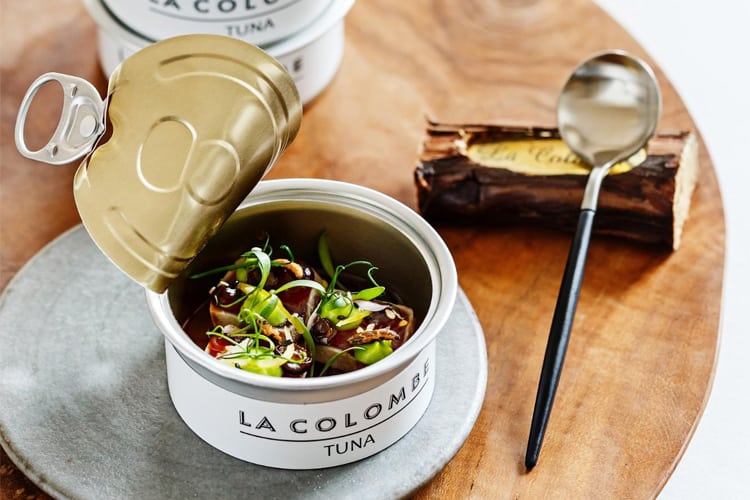
- tuna with dashi butter and Asian accents
- open-faced burgers on rye
- baked fruit desserts and elaborate cakes
- jewel-toned fresh juices and botanical cocktails
The food is comforting but not rustic in execution. Every plate arrives looking composed like still life art.
One of the restaurant’s defining qualities is its relationship with seasonality. Hemelhuijs grows much of its own produce at Erasmus’s farm and retreat in Montagu, Jonkmanshof. Vegetables, herbs, citrus, and flowers move directly from the farm into the restaurant, giving the menu a grounded, almost pastoral quality despite being in the middle of the city.
The clientele also gives the restaurant a very specific energy. Unlike the polished social buzz of Atlantic Seaboard cafés, Hemelhuijs attracts a more creative, literary, artistic crowd. Reviews repeatedly describe the room as filled with designers, stylists, architects, writers, and intellectually curious regulars. Even the staff reportedly reflect this creative atmosphere: artists, students, and fashion-world personalities working the floor.
Hemelhuijs is also one of the few cafés in Cape Town where people often talk about the space itself almost more than the food. People remember the flowers hanging from the ceiling, the handmade ceramics, the giant illustrated menus, the scent of herbs and candles, or the strange calmness the room creates.
There’s a kind of quiet luxury to the place, but it’s very different from conventional luxury restaurants. Hemelhuijs doesn’t rely on spectacle, exclusivity, or formal fine dining rituals. Its luxury comes from attention, slowness, beauty, texture, craftsmanship, and emotional atmosphere. Even simple things such as bread, butter, flowers, linen napkins, are treated reverentially.
Overall, Hemelhuijs feels like one of Cape Town’s most complete expressions of lifestyle-as-art. It’s not merely somewhere to eat breakfast or lunch; it’s somewhere to inhabit a carefully composed mood. People go there to feel restored, aesthetically nourished, and momentarily removed from the pace of the city outside.
Mantra Café
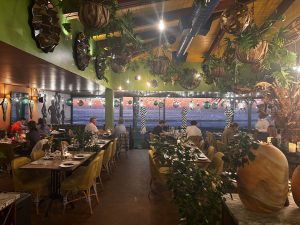
Mantra Café (Upstairs Only) feels like the embodiment of the modern Camps Bay fantasy: ocean-facing, glamorous without being formal, permanently bathed in golden-hour light, and designed around the idea that lunch can easily become sunset cocktails and dinner without anyone noticing the time pass.
Perched above Victoria Road directly opposite Camps Bay beach, the restaurant’s defining feature is its elevated view over the Atlantic. The upstairs position matters enormously. It creates a slight separation from the traffic and promenade below, so the restaurant feels suspended above the beachfront rather than trapped inside it. Nearly every review circles back to the sea views and sunset atmosphere.
The space itself aims for what the restaurant calls a “Grand Café” aesthetic: sophisticated but relaxed, polished but still beach-oriented. Unlike rustic Cape Town cafés built around wood, plants, and farmhouse textures, Mantra leans into sleek coastal elegance:
- marble and polished surfaces
- oversized mirrors
- velvet seating
- brass accents
- tropical greenery
- open terraces facing the ocean
- soft contemporary lighting at night
The effect is very Camps Bay: aspirational, social, slightly international, and consciously beautiful. It feels like a place designed equally for breakfast meetings, long rosé lunches, influencer brunches, and romantic sunset dinners.
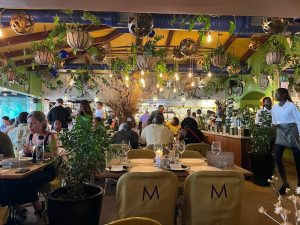
Atmospherically, the restaurant transforms dramatically over the course of the day.
In the mornings, it operates as an upscale beachfront café: smoothie bowls, eggs, coffee, pastries, tourists in resort wear, locals after promenade walks, remote workers stretching breakfast into late morning. Multiple reviewers specifically praise the breakfast setting and ocean-facing daytime energy.
By late afternoon, though, the mood changes completely. The Atlantic light turns gold, cocktails start arriving at tables, music becomes more noticeable, and the entire restaurant shifts toward a more sensual, lounge-like energy. This transition is probably the core of Mantra’s popularity. People don’t only go there for food. They go for the feeling of participating in Camps Bay’s sunset ritual.
Food-wise, the menu is broad, polished, and crowd-pleasing rather than highly experimental. The restaurant positions itself around “simple, classic dishes made with the finest fresh ingredients.” There’s a distinctly international Mediterranean-coastal influence running through the menu:
- seafood pastas
- tuna ceviche
- prawns
- carpaccio
- salads
- sushi and light starters
- grills and steaks
- pizzas
- brunch classics
- cocktails designed for terrace drinking
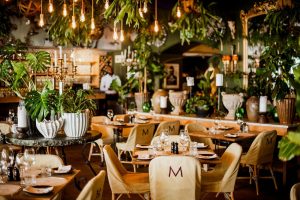
Reviews consistently describe the food as visually refined and reliable rather than boundary-pushing. It’s the sort of menu engineered to satisfy a broad mix of tourists, locals, groups, and date-night diners without alienating anyone.
Cocktails are central to the identity of the restaurant. Reviews repeatedly mention sunset drinks, watermelon-based cocktails, bubbly, wine pairings, and the terrace bar atmosphere. The drinks program contributes heavily to the restaurant’s “holiday” feeling. Even locals often describe Mantra as somewhere that makes Cape Town feel temporarily Mediterranean.
It also reflects a broader Atlantic Seaboard culture that appears frequently in Cape Town discussions online: cafés and restaurants functioning as lifestyle stages as much as dining destinations. Reddit discussions about Sea Point and Camps Bay often describe these areas as built around promenade culture, brunch culture, fitness culture, remote work, and highly social public dining. Mantra fits perfectly into that ecosystem.
One thing that stands out in reviews is that even when people criticise service delays or portion sizes, they still tend to praise the atmosphere and setting. That says a lot about what people are really buying into there: the mood, the scenery, the feeling of being part of a quintessential Camps Bay afternoon.
Overall, Mantra Café is best understood not simply as a restaurant, but as a carefully choreographed coastal experience. It’s about sea air, sunset light, cocktails, polished interiors, and the particular kind of relaxed glamour that defines Camps Bay at its most seductive.
Lily’s
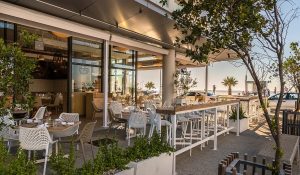
Lily’s feels like one of the clearest expressions of Cape Town’s Atlantic Seaboard lifestyle culture: polished but relaxed, ocean-facing but urban, fashionable without becoming outright exclusive. Situated directly on Mouille Point’s promenade-facing “Golden Mile,” the restaurant operates as both neighbourhood café and destination dining spot, with the Atlantic Ocean essentially functioning as part of the décor.
What immediately distinguishes Lily’s from many other Cape Town cafés is its balance between refinement and accessibility. Unlike highly conceptual places like Hemelhuijs or emotionally nostalgic spaces like Café Sofi, Lily’s is more socially fluid and easy going. It’s the kind of place where:
- promenade runners stop for smoothies and coffee
- families gather for long breakfasts
- remote workers settle in during late mornings
- tourists arrive after sightseeing
- and by sunset, the room fills with cocktails, date nights, and ocean-facing dinners
That all-day adaptability is central to its identity. The restaurant repeatedly describes itself as an “all-day eatery,” and the space genuinely shifts mood hour by hour.
The interiors are carefully calibrated to feel luxurious without feeling formal. Designed by Simone Kovensky, the restaurant combines soft contemporary styling with subtle eccentricities: pale woods, brass details, velvet textures, marble finishes, oversized windows, greenery, and layered lighting. Multiple writeups describe the style as “comfortably refined” and “fashion-forward,” which is accurate. The room feels curated, but not intimidating.
One important feature is the openness of the space. The indoor dining room flows visually toward the promenade and sea beyond, while the outdoor terrace allows diners to feel woven directly into Mouille Point’s public life: cyclists, runners, dog walkers, tourists, and locals constantly moving past against the Atlantic backdrop. The people-watching becomes part of the experience.
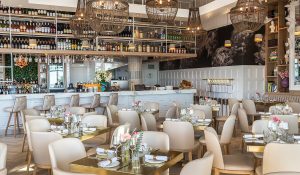
Food-wise, Lily’s sits in that polished contemporary café-bistro category that Cape Town does particularly well:
- breakfast plates
- smoothie bowls
- seafood dishes
- Asian-influenced comfort food
- salads and health-oriented lunches
- burgers and pastas
- cocktails and desserts
The menu has a noticeably broad appeal. Rather than chasing avant-garde food trends, it focuses on “inventive contemporary comfort food,” balancing wellness-conscious dishes with indulgent crowd-pleasers.
Certain dishes develop near-cult followings among regulars. Tripadvisor reviews repeatedly mention the peanut ginger chicken, butter chicken curry, fresh juices, and brunch dishes. The menu’s strength is less about culinary experimentation and more about reliability, atmosphere, and consistency within a highly desirable setting.
The Kove Collection influence is also very noticeable. Like sister venues such as Paranga and The Bungalow, Lily’s is designed around a specific aspirational Cape Town mood: sunlight, ocean air, attractive interiors, leisurely pacing, cocktails, and social visibility. But compared to those more overtly glamorous venues, Lily’s feels softer and more neighbourhood-oriented.
Atmospherically, Mouille Point itself matters enormously to understanding Lily’s. Unlike Camps Bay’s overt tourism and nightlife energy, Mouille Point has a quieter, more residential elegance. Reddit discussions about the area frequently describe it as calm, walkable, fitness-oriented, scenic, and ideal for promenade living. Lily’s absorbs that atmosphere completely. Even when busy, it rarely feels chaotic in the way some Sea Point or Camps Bay venues can.
One thing that repeatedly emerges in reviews is that people return as much for the emotional rhythm of the place as for the food itself. Reviews often describe arriving for “just coffee” and staying for hours because of the view, music, atmosphere, and easy pace of the room.
Even critical reviews usually acknowledge that the setting is exceptional.
Overall, Lily’s is best understood as a beautifully executed “everyday luxury” restaurant. It’s not trying to shock or radically innovate. Instead, it offers one of Cape Town’s most refined versions of a very specific pleasure: eating good food slowly beside the ocean while the city’s promenade life unfolds around you.