Riding the Ceres Rail Train to Matjiesfontein
The Ceres Rail Company
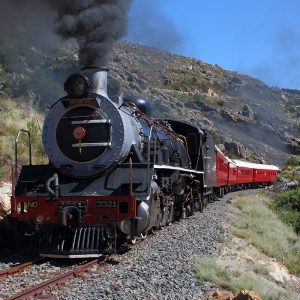
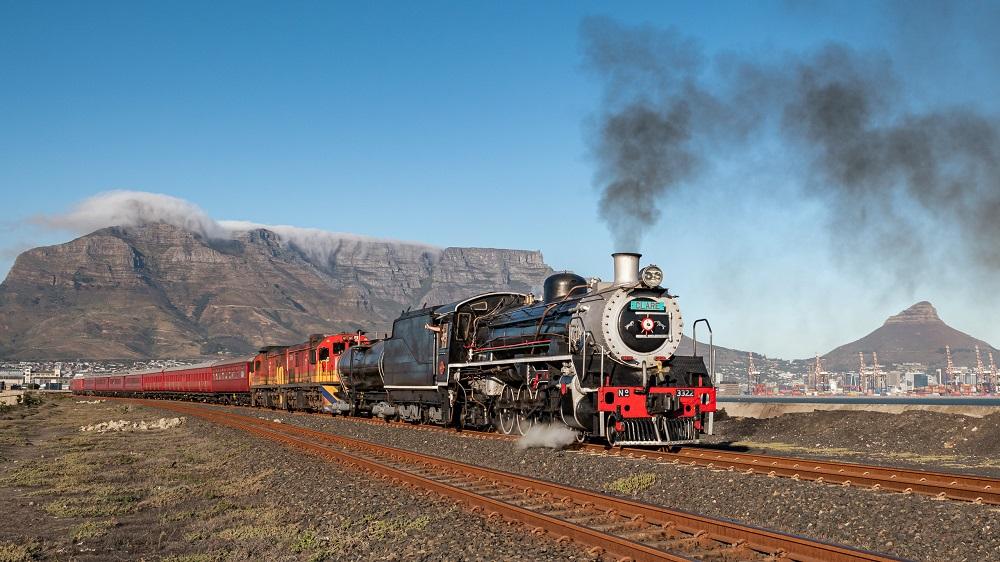
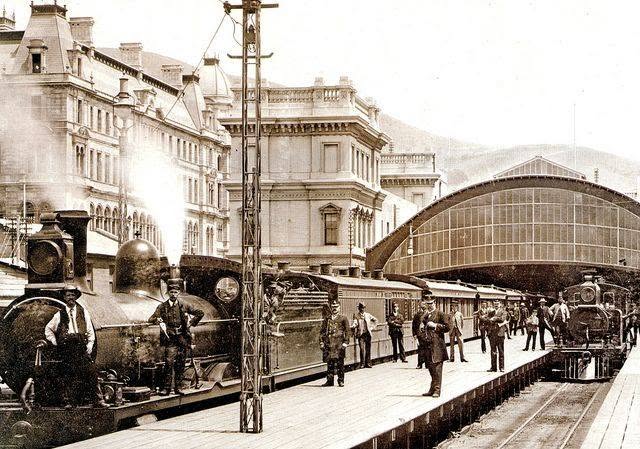
The Ceres Rail Company is one of South Africa’s premier heritage railway operators, dedicated to preserving the country’s rich railway history while offering unforgettable rail experiences through some of the Western Cape’s most spectacular landscapes. Based in Cape Town, the company operates beautifully restored vintage steam and diesel-hauled trains that recreate the golden age of rail travel, blending nostalgic charm with modern comfort.
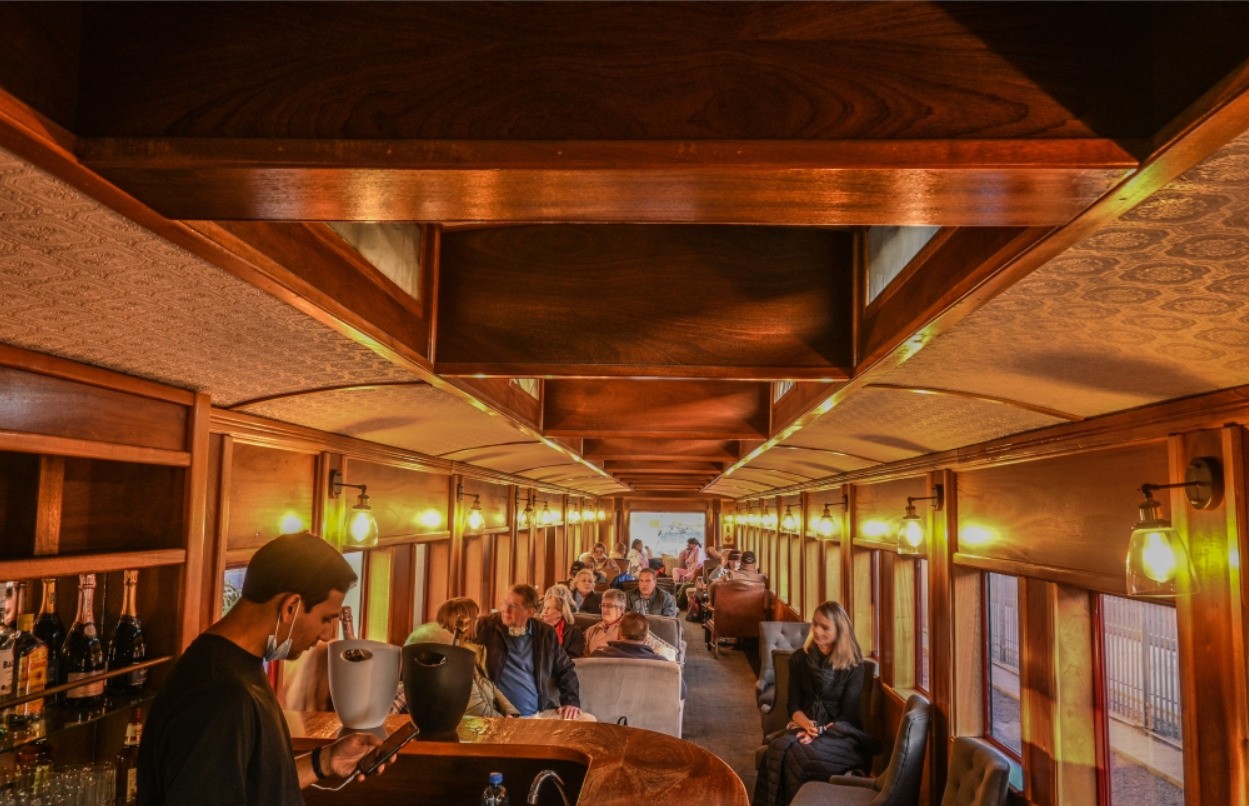
Established by a team of passionate railway enthusiasts, Ceres Rail Company has become renowned for transforming train travel into a memorable leisure experience rather than simply a means of transport. Its carefully restored heritage coaches feature classic interiors, comfortable seating, licensed bar facilities, and panoramic windows that allow passengers to fully appreciate the ever-changing scenery along each route.
The company’s signature excursions include journeys to the historic Victorian village of Matjiesfontein, as well as scenic trips through the Cape Winelands and surrounding countryside. Depending on the route and operational requirements, trains may be hauled by restored steam locomotives or heritage diesel locomotives, both reflecting South Africa’s rich railway heritage.
More than just a tourist attraction, Ceres Rail Company plays an important role in conserving railway history by maintaining historic rolling stock and sharing the stories of South Africa’s railways with new generations of travellers. Every journey combines engineering heritage, breathtaking scenery, and warm hospitality, making it popular with families, photographers, railway enthusiasts, international visitors, and anyone seeking a unique travel experience.
Whether travelling through mountain passes, crossing wide-open Karoo landscapes, or arriving at a beautifully preserved railway village, passengers experience the romance of slow travel: a reminder of a time when the journey itself was every bit as important as the destination.
Today, Ceres Rail Company continues to celebrate South Africa’s railway legacy by offering authentic heritage rail adventures that connect people with the country’s landscapes, history, and enduring love of trains.
A Magical 3 Day Journey into the Historic Karoo
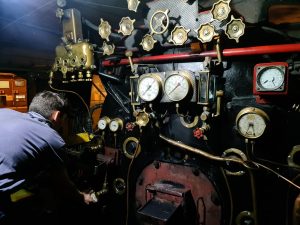
Ceres Rail Company’s final train trip to Matjiesfontein for 2026, runs from 30th October 2026 to 1st November 2026. The cost is R9,600.00 per person sharing / R1,900.00 single supplement. Please note this train trip runs on diesel and electric haulage, not steam.
What’s Included:
- The ticket includes the return train trip with lunch on board.
- Two nights’ accommodation at the Lord Milner Hotel or Matjies Mews, and all meals.
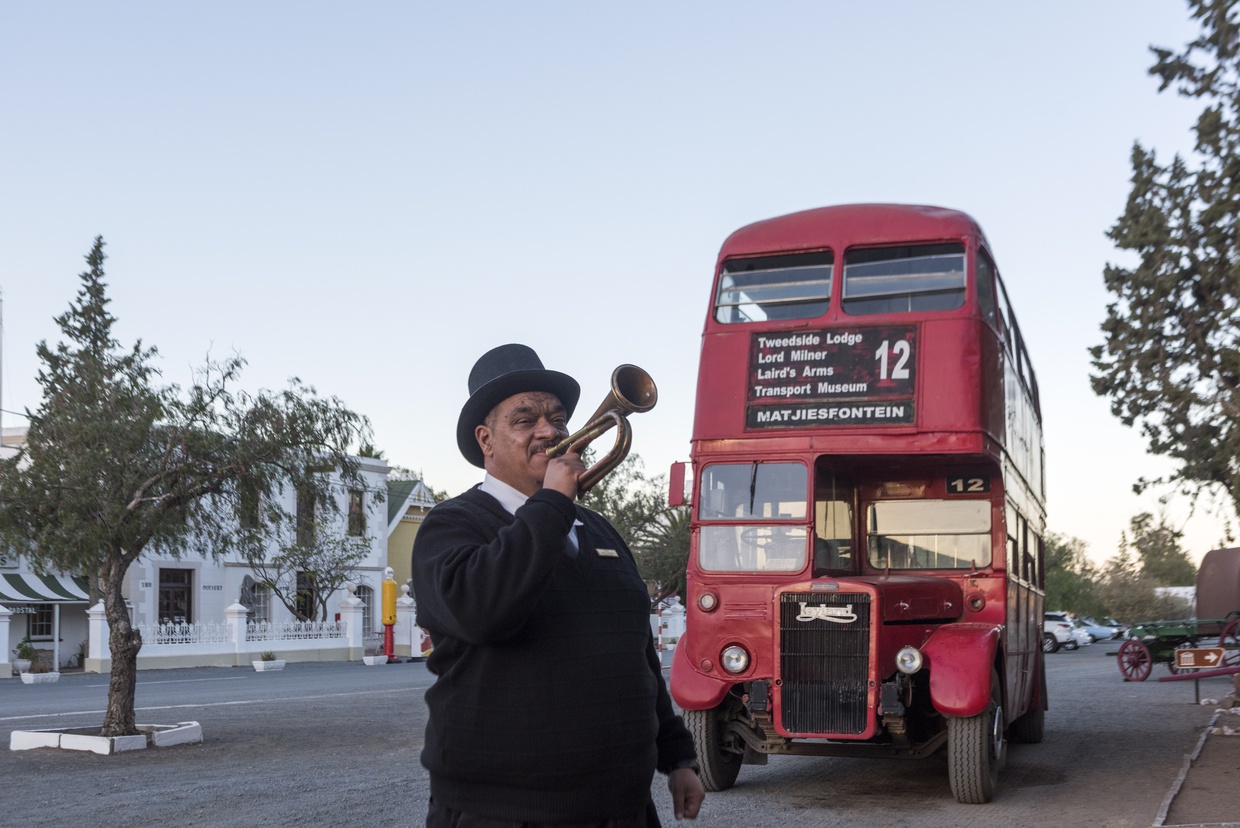
- The Matjiesfontein red bus tour of the village
- Guided stargazing experience
- Access to the Matjiesfontein museums
- All tea, coffee and water on the train
What’s not included
- Bar purchases and additional snacks
- Drinks and beverages at the hotel (these are for your own account)
- Personal travel insurance
- Gratuities
- Transfers to and from the departure station
There are few travel experiences in South Africa that capture the romance of a bygone era quite like a heritage rail journey. While modern travel is all about speed and efficiency, the Ceres Rail Company’s journey to Matjiesfontein invites passengers to slow down, embrace nostalgia, and discover the breathtaking landscapes of the Western Cape and Karoo from the comfort of beautifully restored vintage railway coaches.
The trip is far more than simply travelling from Cape Town to Matjiesfontein. It’s an unforgettable adventure that celebrates South Africa’s railway heritage, spectacular scenery, and timeless hospitality.
Departing Cape Town
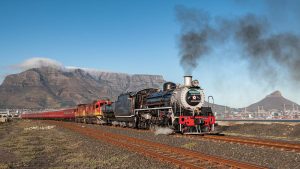
The adventure begins early in the morning as passengers gather at Cape Town’s Harbour Bridge Platform in Dockrail Road, Foreshore, Cape Town. The excitement is immediate. Vintage railway coaches gleam on the tracks while the unmistakable scent of polished wood, steel, and railway history fills the air.
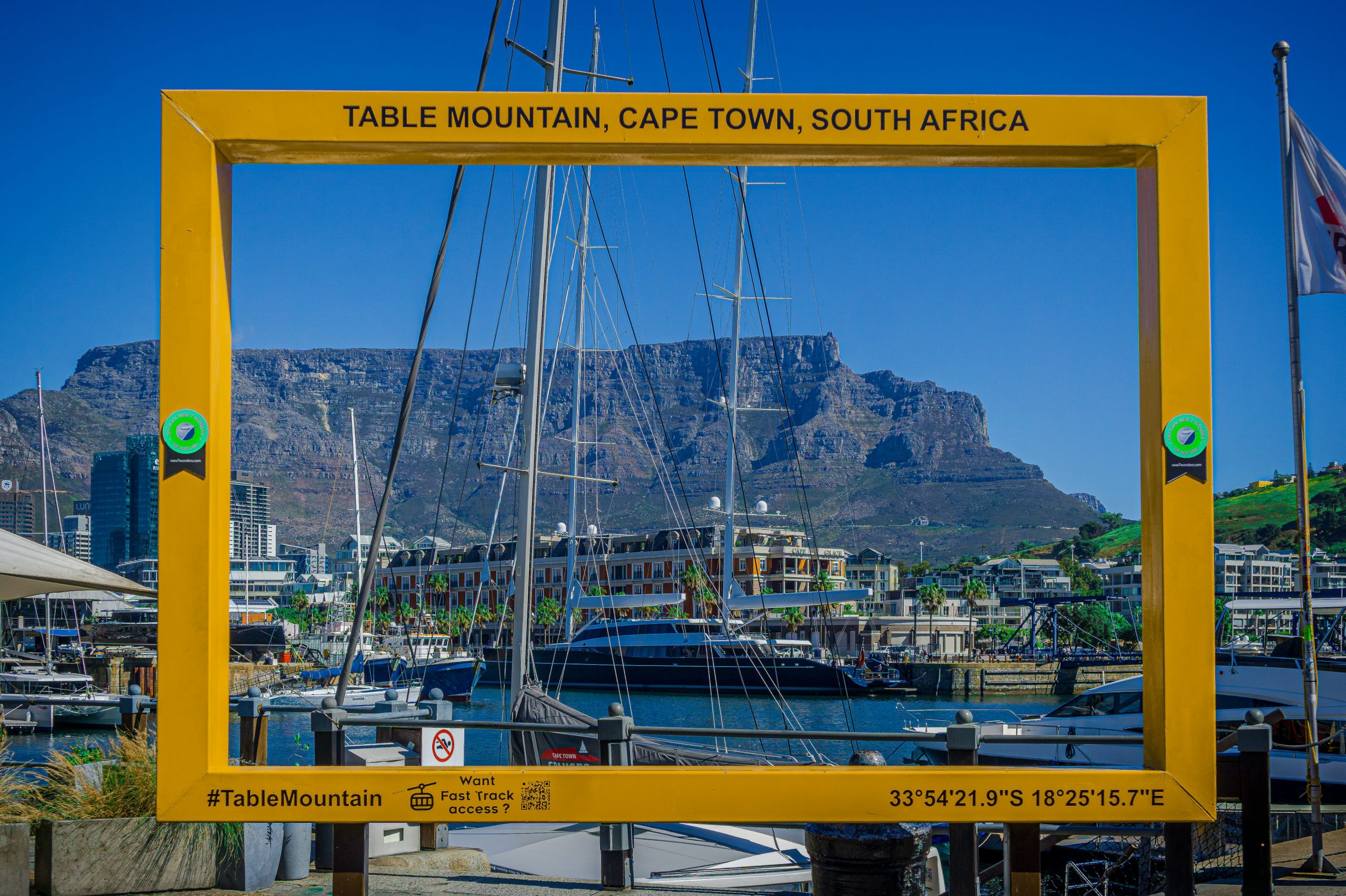
As the train gently pulls away from the city, Cape Town’s skyline slowly disappears behind Table Mountain, replaced by vineyards, wheat fields, and rolling valleys. Unlike travelling by car, every kilometre offers uninterrupted views impossible to appreciate from the highway. One of the greatest pleasures of train travel is that the journey itself becomes the destination.
Through the Cape Winelands
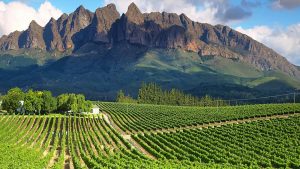
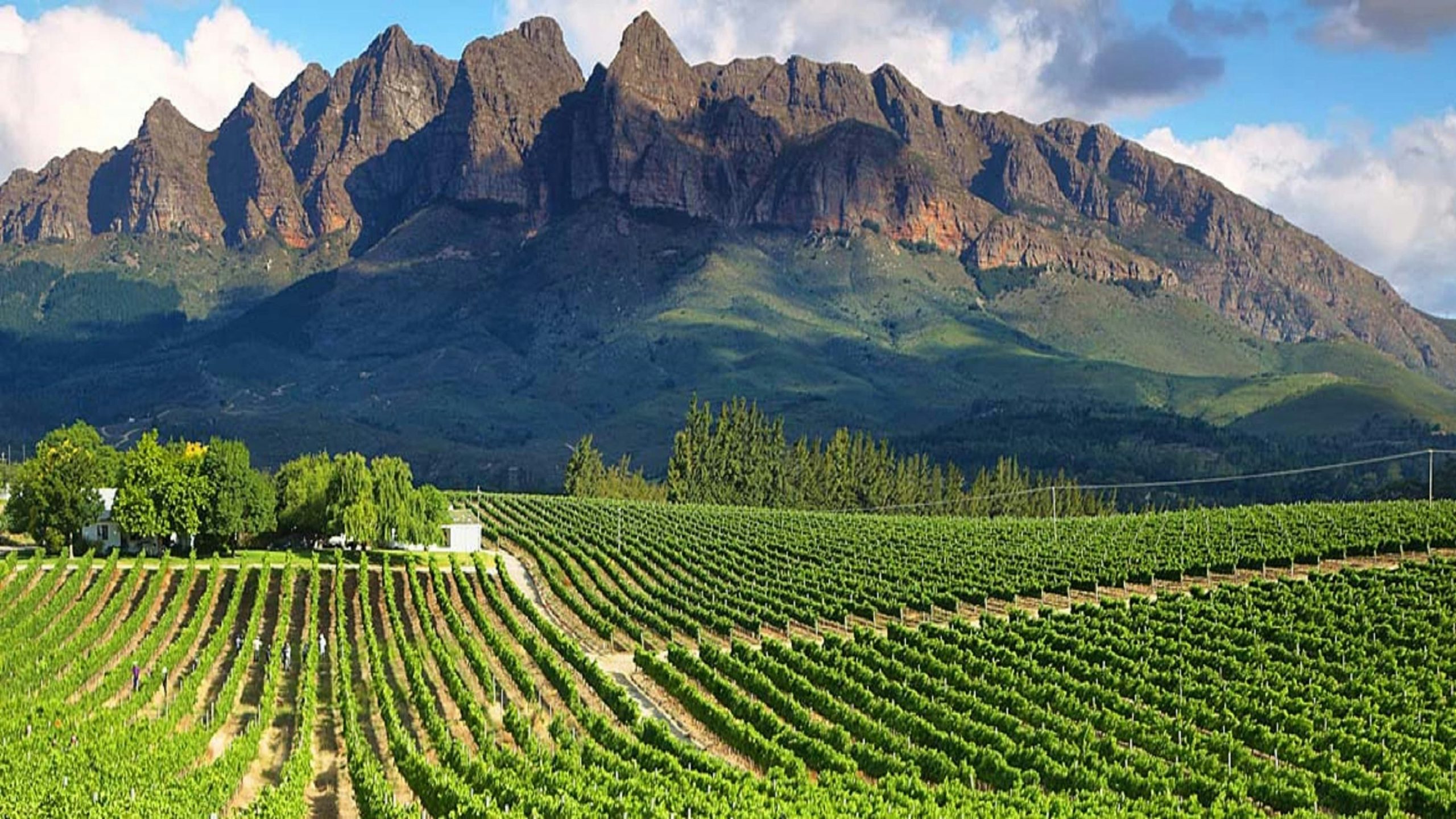
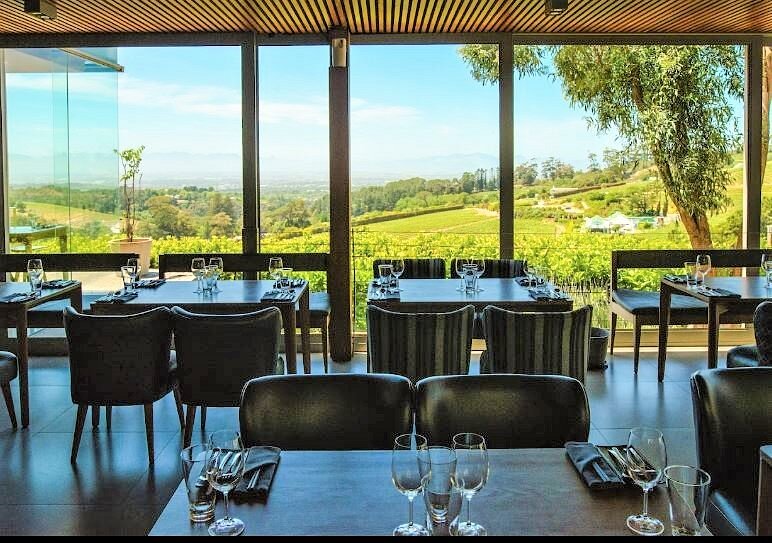
Leaving the city behind, the train winds its way through the famous Cape Winelands. The Cape Winelands is one of South Africa’s most celebrated regions, renowned for its world-class vineyards, dramatic mountain scenery and rich cultural heritage. Located just beyond Cape Town, this picturesque landscape stretches across fertile valleys framed by rugged mountain ranges, creating a setting that is as breathtaking as it is productive.
Travelling through the Cape Winelands is a feast for the senses. Neat rows of vineyards carpet the valley floors, while towering peaks provide a striking backdrop that changes with the seasons. In spring, wildflowers bloom across the countryside, while summer brings lush green vines heavy with ripening grapes. Autumn transforms the vineyards into shades of gold, amber, and crimson, creating one of the most colourful landscapes in South Africa.
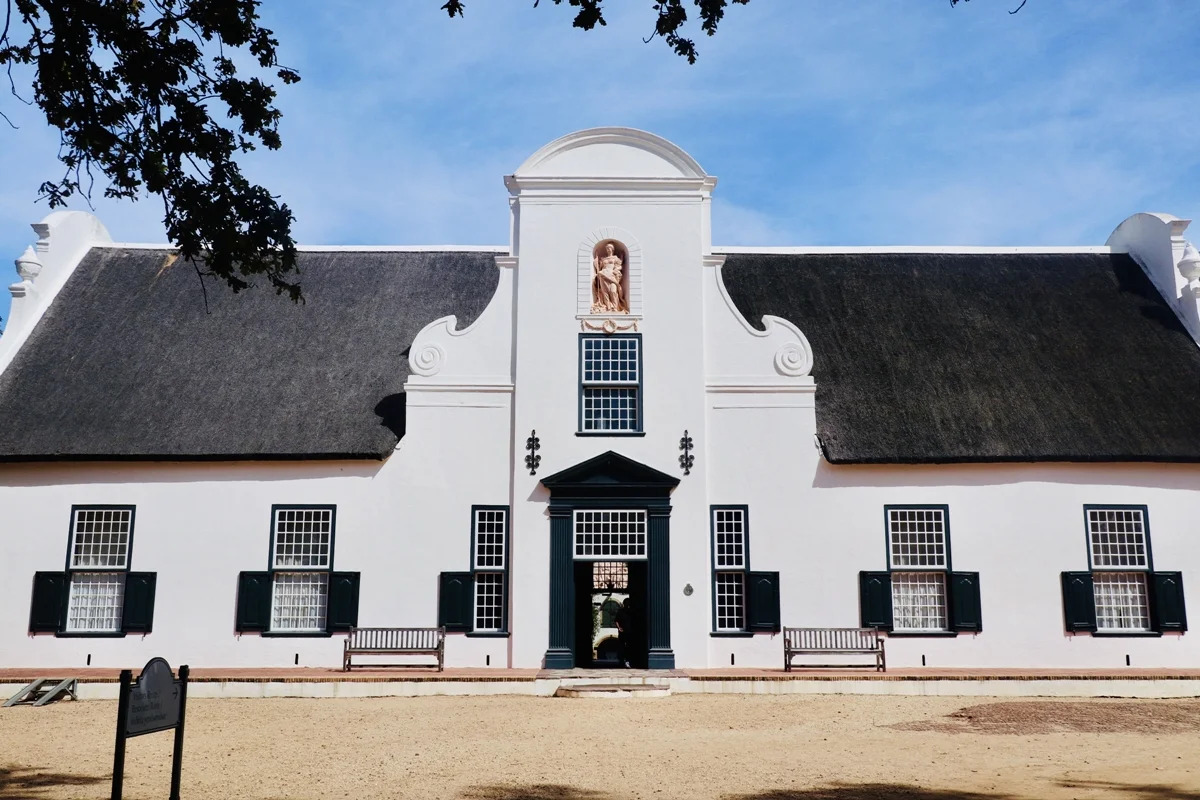
The region is home to some of the country’s oldest and most charming towns, including Stellenbosch, Franschhoek, Paarl, and Worcester. Many feature beautifully preserved Cape Dutch architecture, oak-lined streets, historic churches, boutique galleries, and welcoming cafés. These towns reflect centuries of winemaking tradition, with vineyards first established by European settlers in the late 17th century.
Beyond its internationally acclaimed wines, the Cape Winelands offers a rich variety of experiences. Visitors can enjoy award-winning restaurants, cellar tours, wine tastings, outdoor markets, cycling routes, hiking trails, and luxury country estates. The area’s warm hospitality and slower pace of life make it an ideal destination for relaxation as well as exploration.
For passengers travelling by rail, the Cape Winelands unfolds in a uniquely captivating way. As the train winds through fertile valleys and alongside vineyards, the scenery changes from bustling towns to peaceful farmland, revealing panoramic views that are often hidden from the road. The gentle rhythm of the train enhances the experience, allowing travellers to fully appreciate the natural beauty, rolling landscapes, and timeless character of this remarkable region.
The Cape Winelands is more than just a wine-producing area. It is a place where history, agriculture, nature, and hospitality come together to create one of South Africa’s most unforgettable destinations.
Passengers spend hours moving between observation windows, lounge cars, and dining coaches, enjoying constantly changing scenery while chatting with fellow travellers. The leisurely pace allows everyone to truly absorb the beauty of the Western Cape.
Crossing the Hex River Mountains
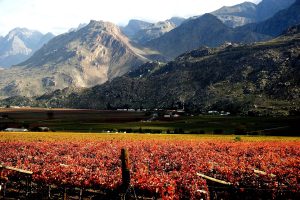
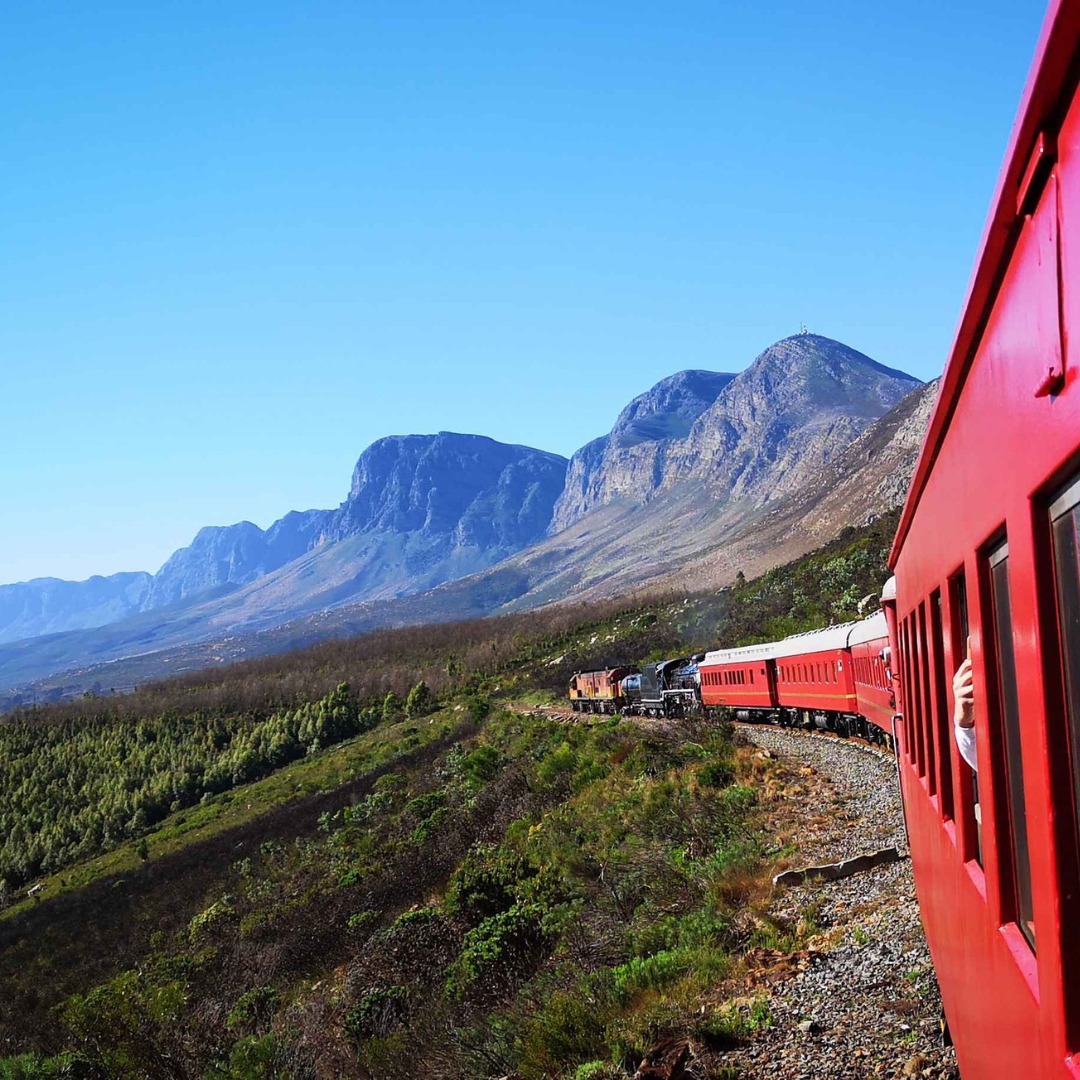
As the train leaves the fertile Cape Winelands behind, the landscape begins to change dramatically. The rolling vineyards gradually give way to the towering peaks of the Hex River Mountains, one of the most spectacular sections of the journey. This is where the railway truly comes into its own, carrying passengers through an engineering marvel set against some of the Western Cape’s most breathtaking scenery.
The train slowly climbs into the mountains, weaving through deep valleys, around sweeping curves, including traversing the four Hex River tunnels, one being 13.5km long, all carved through solid rock. From the carriage windows, sheer cliffs rise on either side, while far below, rivers wind through the valley floor and patches of vineyards cling to the lower slopes. Every bend in the track reveals another unforgettable panorama, making it difficult to look away.
The changing scenery is captivating. In winter, the mountain peaks are often dusted with snow, while the valleys below remain green and vibrant. During spring, colourful wildflowers dot the landscape, adding splashes of colour to the rugged terrain. Throughout the year, the crisp mountain air and dramatic rock formations create a striking contrast to the gentle countryside left behind.

The railway itself is a remarkable feat of engineering. Built to conquer the steep gradients separating the coast from the interior, the line passes through numerous tunnels and carefully engineered cuttings that have served South African railways for generations. The rhythmic sound of the wheels echoing through the tunnels, followed by the sudden burst of daylight and expansive mountain views, is one of the journey’s most memorable experiences.
There is a unique sense of tranquillity as the train makes its way through the mountains. Unlike travelling by road, where attention is focused on driving, passengers are free to sit back, relax, and absorb the grandeur of the landscape. The steady pace of the train allows every cliff face, mountain stream, and distant peak to be appreciated, offering a perspective that few other forms of travel can provide.
Crossing the Hex River Mountains is more than simply traversing a mountain range. It is a journey through one of South Africa’s most magnificent natural landscapes. It marks the transition from the lush Cape Winelands to the vast open spaces of the Karoo, making it one of the defining moments of the Ceres Rail journey to Matjiesfontein.
Into the Great Karoo
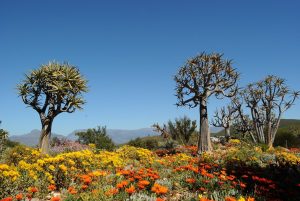
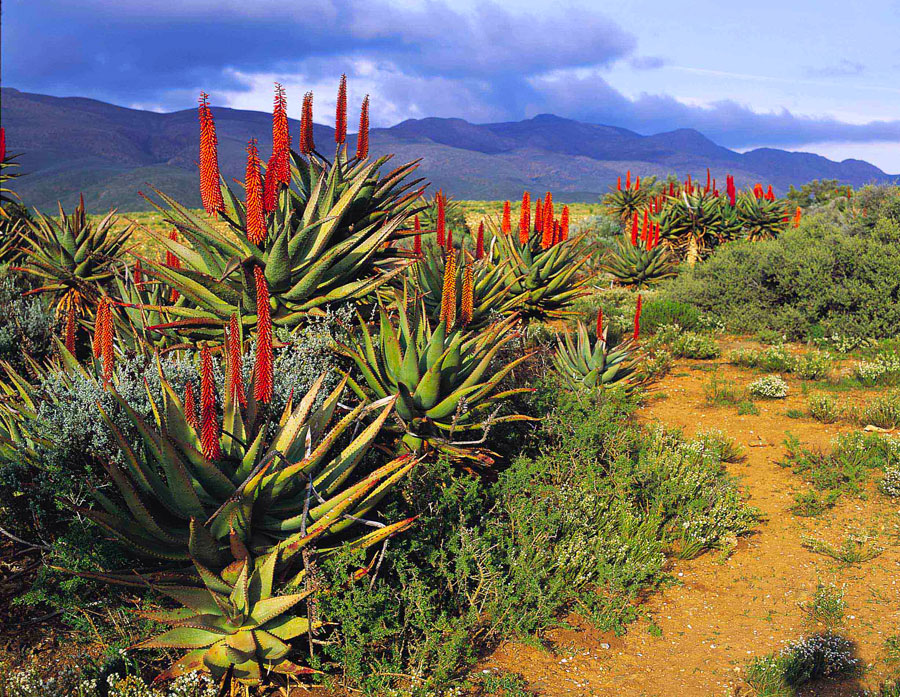
Beyond the towering Hex River Mountains, the landscape opens dramatically as the train enters the Great Karoo: one of South Africa’s most iconic and awe-inspiring regions. The change is almost immediate. The lush vineyards and fertile valleys of the Cape Winelands give way to vast plains, rugged hills, and seemingly endless horizons that stretch beneath an immense African sky.
Travelling through the Great Karoo by train is a deeply immersive experience. The railway glides across wide-open landscapes where time seems to slow down, offering uninterrupted views of a region defined by its quiet beauty and sense of space. Unlike road travel, where the scenery flashes by, the train allows passengers to absorb every detail of this remarkable semi-desert environment.
The Karoo’s beauty lies in its simplicity. Low shrubs blanket the plains, ancient hills rise gently from the earth, and weathered mountain ranges stand in the distance, their colours shifting with the changing light. Sheep and cattle graze on vast farms that extend for kilometres, while solitary windmills and old stone farmhouses hint at generations of resilient farming families who have made this harsh yet beautiful landscape their home.
As the train rolls steadily onward, there is an overwhelming sense of peace. The rhythmic sound of the wheels on the rails, the endless vistas beyond the windows, and the stillness of the countryside create a calming atmosphere rarely found in modern travel. It is a journey that encourages reflection, where the destination becomes secondary to the experience of simply watching the landscape unfold.
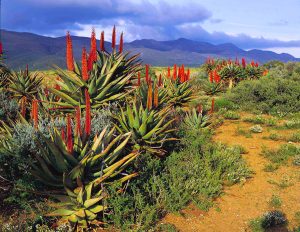
The Great Karoo is also renowned for its extraordinary skies. During the day, the brilliant blue seems to stretch forever, while at sunrise and sunset the land is transformed by warm shades of gold, amber, pink, and deep crimson. The ever-changing light paints the plains and mountains with remarkable colour, making every moment a photographer’s delight.
For many travellers, this section of the journey is the emotional heart of the trip. The vastness of the Karoo inspires a profound appreciation for South Africa’s natural diversity and reminds us how expansive and untamed the country’s interior remains. It is a landscape that cannot be rushed, and the leisurely pace of the train provides the perfect way to experience its quiet grandeur.
As Matjiesfontein draws closer, the Great Karoo leaves visitors with a lasting impression of solitude, resilience, and timeless beauty. Seen from the comfort of a heritage train, this extraordinary landscape is not merely crossed. It is experienced, one unforgettable kilometre at a time.
Life On Board the Ceres Rail
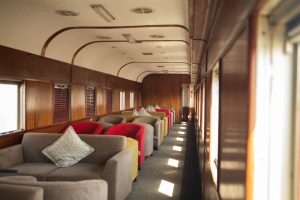
Stepping aboard the Ceres Rail train is like stepping back into the golden age of railway travel. Beautifully restored heritage coaches, polished woodwork, vintage fittings, and comfortable seating evoke the elegance of a bygone era, while modern amenities ensure a relaxed and enjoyable journey. From the moment the train departs, the unhurried rhythm of the rails invites passengers to leave the pace of everyday life behind.
The atmosphere on board is warm and welcoming. Families, couples, photographers, railway enthusiasts, and visitors from around the world, share the experience, and it doesn’t take long for conversations to begin. There is a sense of camaraderie that is unique to rail travel, where strangers become companions, exchanging travel stories and pointing out landmarks as the countryside rolls past the windows.
Large picture windows frame the ever-changing landscapes, allowing passengers to enjoy uninterrupted views of vineyards, mountain passes, and the vast Karoo. Many guests spend time moving between coaches, discovering different perspectives and soaking up the scenery from every angle. The gentle sway of the train and the rhythmic click of the wheels on the rails create a soothing soundtrack that enhances the nostalgic atmosphere.
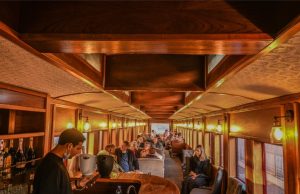
Food and refreshments are an important part of the experience. The train’s licensed bar offers a selection of beverages, while light meals and snacks are available throughout the journey. Whether enjoying a freshly brewed coffee in the morning, sharing lunch with fellow travellers, or raising a glass as the train winds through the mountains, dining on board becomes part of the adventure rather than simply a necessity.
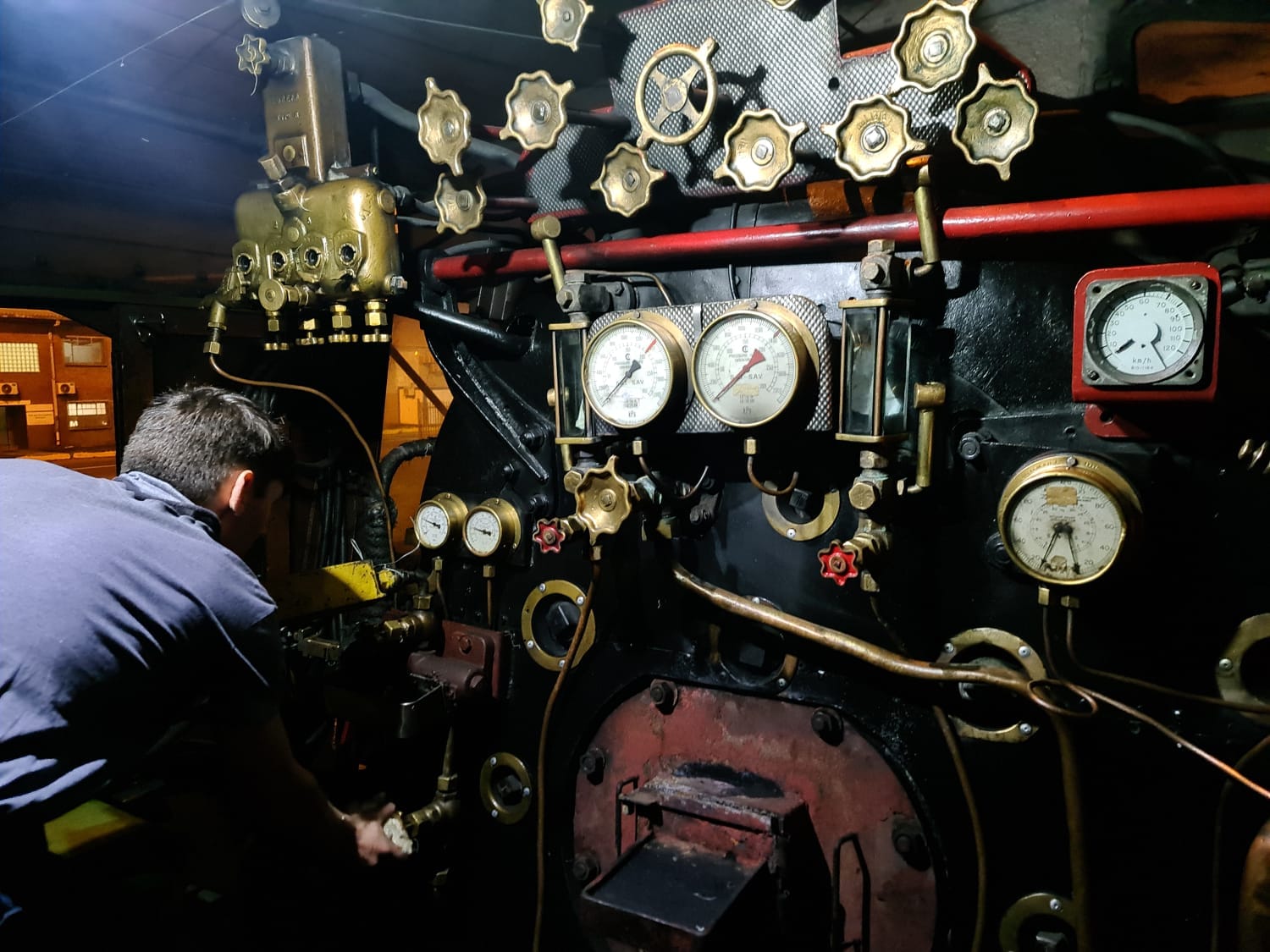
For railway enthusiasts, the journey offers countless moments to appreciate the heritage locomotives and historic rolling stock. The distinctive whistle, the hum of the diesel locomotive or, on selected excursions, the powerful exhaust beats of a steam engine and the craftsmanship of the restored coaches all serve as reminders of an era when train travel was an event to be savoured.
The slower pace of the journey encourages passengers to disconnect from busy schedules and reconnect with the simple pleasure of travel. There is no need to rush from one place to another. Instead, hours are spent reading, chatting, taking photographs, or simply gazing out of the window as South Africa’s magnificent landscapes unfold beyond the tracks.
By the time the train reaches Matjiesfontein, many passengers discover that the journey itself has become one of the highlights of their trip. Life on board the Ceres Rail is more than a means of getting from one destination to another. It is an experience that celebrates history, hospitality, and the enduring romance of travelling by rail.
Arriving in Matjiesfontein
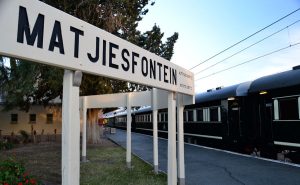
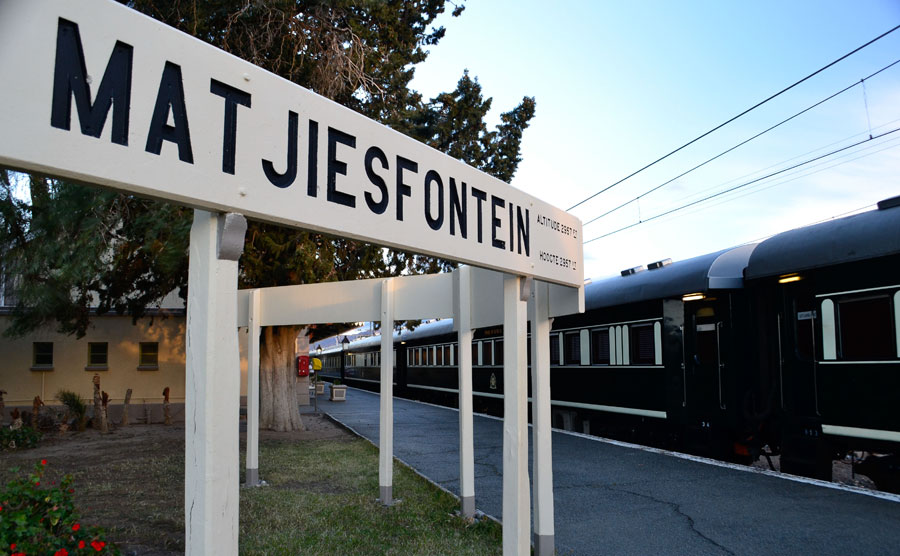
As the train gently rolls into Matjiesfontein Station, it feels as though time has stood still. Nestled on the edge of the Great Karoo, this remarkably preserved Victorian village offers a rare glimpse into South Africa’s colonial past. Designated a National Heritage Site, Matjiesfontein has retained its historic character, with beautifully restored buildings, quiet streets, and an atmosphere that transports visitors back to the late 19th century.
Founded in 1884 by Scottish railway entrepreneur James Douglas Logan, Matjiesfontein began as a railway stop and health resort. The village quickly gained a reputation for its clean, dry Karoo air, which was believed to benefit those suffering from respiratory illnesses, including tuberculosis. Wealthy travellers from Cape Town and abroad arrived by train to escape the damp coastal climate, transforming the small settlement into one of South Africa’s most fashionable retreats.
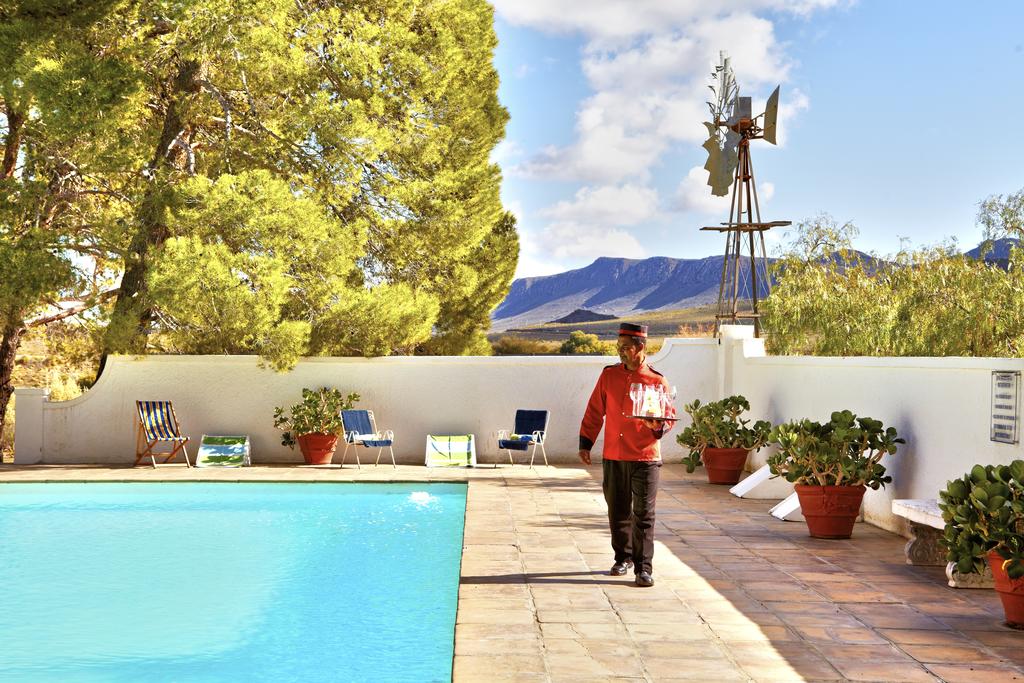
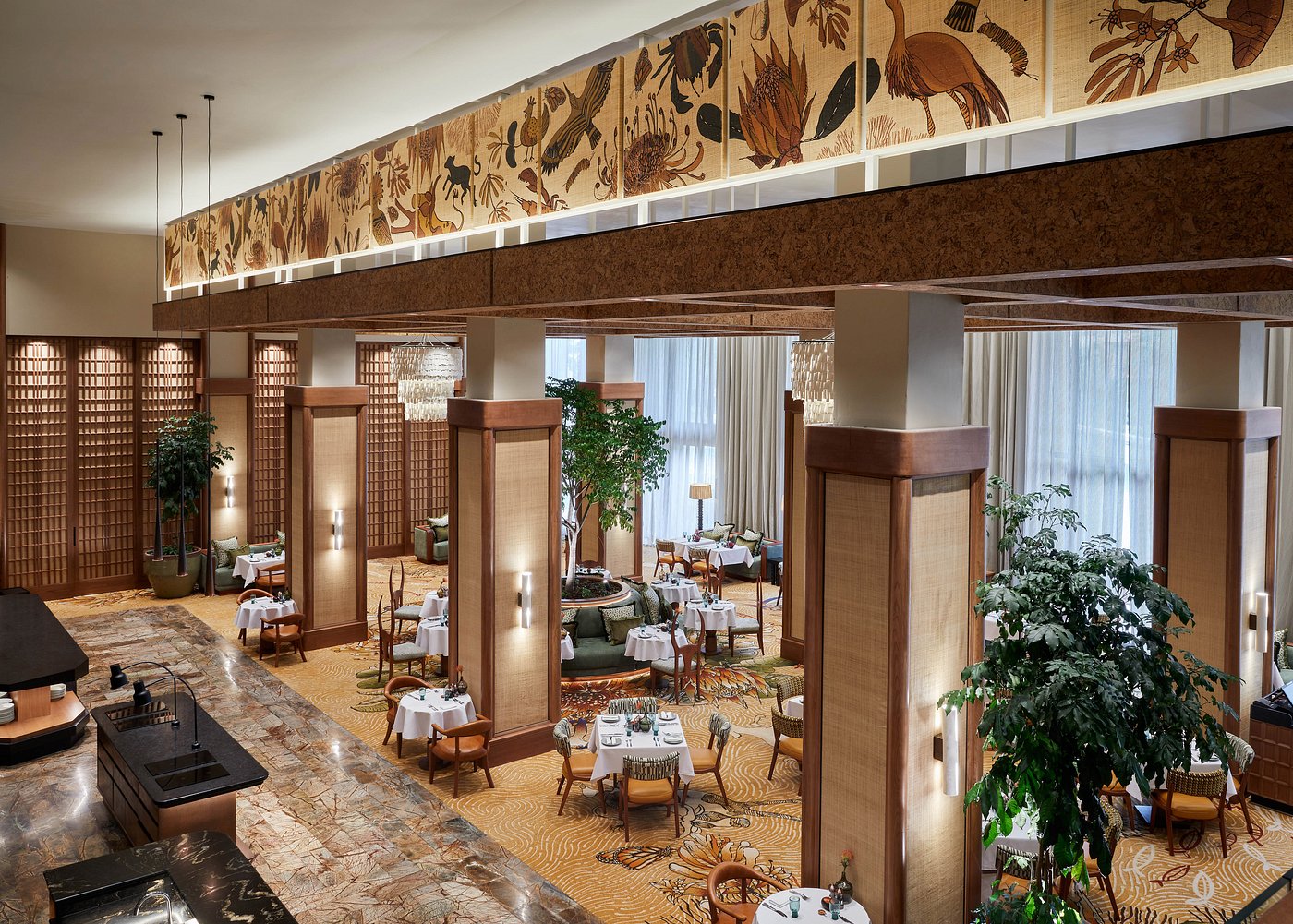
At the heart of the village stands the magnificent Lord Milner Hotel, a grand Victorian landmark that has welcomed guests for more than a century. Its wide verandas, elegant lounges, antique furnishings, and period décor evoke the charm of a bygone era, offering visitors the opportunity to experience the timeless hospitality that has long defined Matjiesfontein.
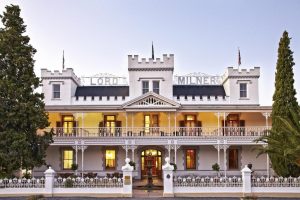
Walking through the village is like exploring a living museum. Historic buildings, including the old railway station, post office, museum, and traditional pub, have been carefully preserved, each telling a story of life during the golden age of rail travel. Vintage lamps line the streets, classic architecture reflects the influence of Victorian Britain, and beautifully maintained gardens provide colourful contrast to the surrounding Karoo landscape.
Despite its small size, Matjiesfontein offers a wealth of experiences. Visitors can join guided historical tours, browse fascinating collections of railway memorabilia and local artefacts, enjoy traditional Karoo cuisine, or simply relax on a shaded veranda while watching the world pass at an unhurried pace. Horse-drawn carriages and vintage vehicles occasionally add to the nostalgic atmosphere, reinforcing the feeling of stepping into another era.
As evening falls, the village takes on a magical quality. The clear Karoo sky fills with countless stars, uninterrupted by city lights, while the peaceful silence is broken only by the distant sound of a passing train or the gentle breeze across the plains. It is a place where history, nature, and tranquillity come together to create an unforgettable experience.
Matjiesfontein is far more than a destination at the end of a railway journey. It is a celebration of South Africa’s heritage, a reminder of the romance of travel in a gentler age, and a place where visitors are invited to slow down, embrace the past, and savour the timeless beauty of the Karoo.
Exploring the Historic Village

With two nights to explore, visitors can immerse themselves in the rich history and relaxed pace of Matjiesfontein.
Highlights include:
- Visiting the famous Lord Milner Hotel, a grand Victorian establishment that has welcomed travellers for more than a century.
- Exploring museums filled with railway memorabilia and local history.
- Joining guided historical walking tours through the village.
- Enjoying traditional Karoo hospitality in charming cafés and pubs.
- Watching spectacular Karoo sunsets beneath enormous open skies.
- Experiencing peaceful evenings where the silence is broken only by distant trains and birdsong.
Without modern distractions dominating every moment, Matjiesfontein encourages visitors to slow down and appreciate life’s simpler pleasures.
Why This Journey Is Special
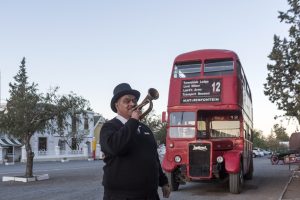
Travelling to Matjiesfontein by heritage train offers something increasingly rare: slow travel. Instead of racing toward a destination, passengers become fully immersed in every stage of the experience.
The changing landscapes, the rhythmic movement of the train, the conversations onboard, and the arrival at one of South Africa’s best-preserved Victorian villages combine to create memories that last long after the journey ends.
For photographers, railway enthusiasts, history lovers, and anyone seeking a unique weekend escape, this experience delivers something genuinely different.
Practical Tips
To make the most of the journey:
- Book well in advance, as departures often sell out quickly.
- Pack a camera with plenty of storage: you’ll take hundreds of photographs.
- Bring a warm jacket, as Karoo evenings can be surprisingly cool.
- Wear comfortable walking shoes for exploring the village.
- Allow flexibility in your schedule, as heritage rail operations occasionally experience delays due to shared railway infrastructure and operational requirements.
Final Thoughts

The Ceres Rail journey to Matjiesfontein is not simply about reaching a destination. It’s about rediscovering the romance of rail travel. It celebrates South Africa’s railway heritage, showcases some of the country’s most spectacular scenery, and offers an opportunity to disconnect from modern life while reconnecting with history.
As the train gently rolls across the Karoo and the historic station of Matjiesfontein comes into view, it’s easy to understand why railway journeys have captured imaginations for generations. Sometimes, the most memorable adventures aren’t the fastest. They’re the ones that encourage you to slow down and savour every kilometre.