Cape Town: A Journey Through Time
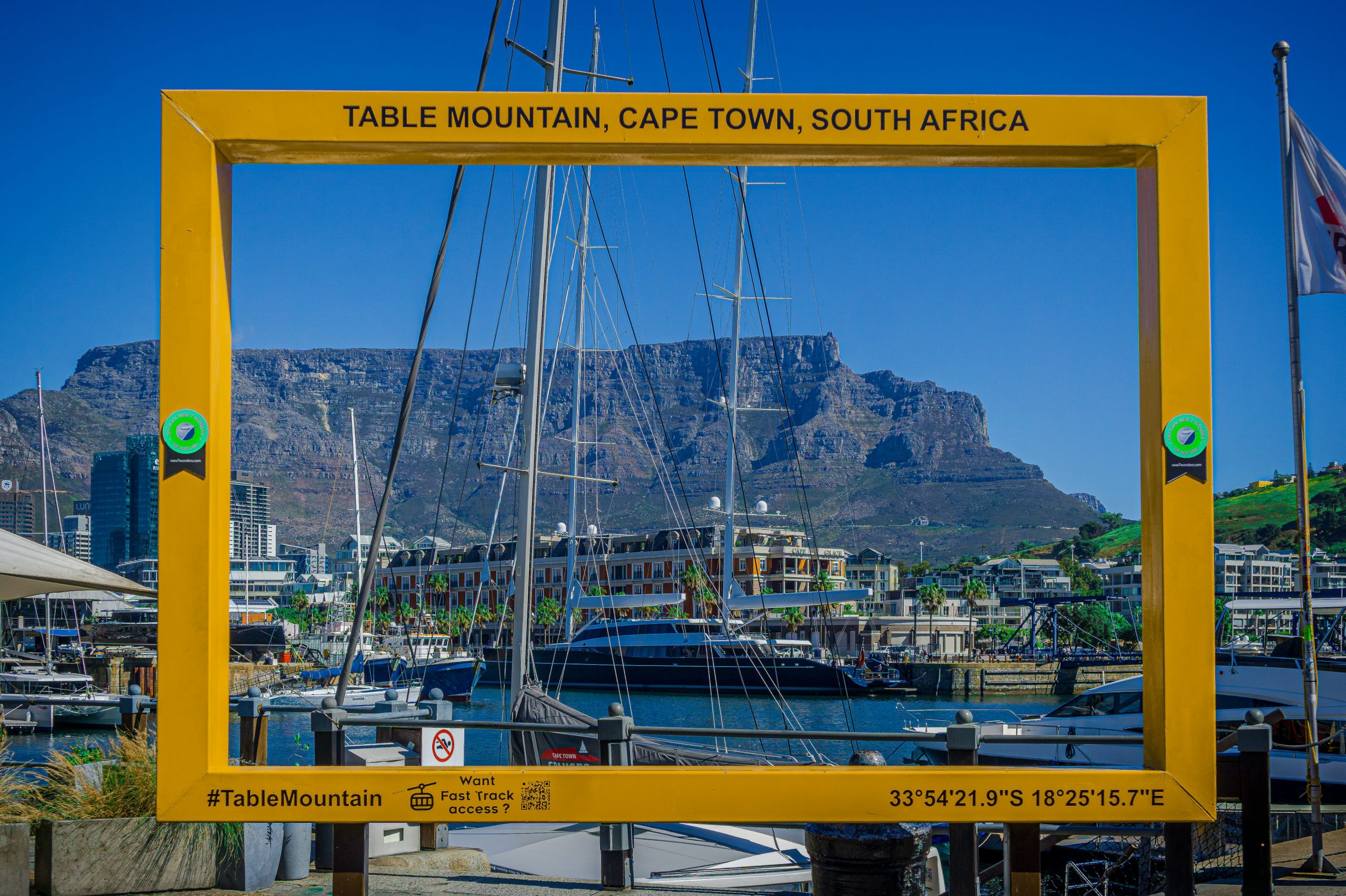
There are few cities in the world where history is as dramatically woven into the landscape as Cape Town. Standing beneath the towering presence of Table Mountain, watching waves crash against the Atlantic coastline, it’s easy to understand why sailors, settlers, traders, and adventurers have been drawn here for centuries. Yet the story of Cape Town begins long before European ships appeared on the horizon.
This journey explores the fascinating history of South Africa’s oldest city, from the arrival of the first European explorers to the vibrant multicultural destination that welcomes millions of visitors today.
The Khoikhoi and San Peoples: The First Inhabitants of the Cape
 fsimon
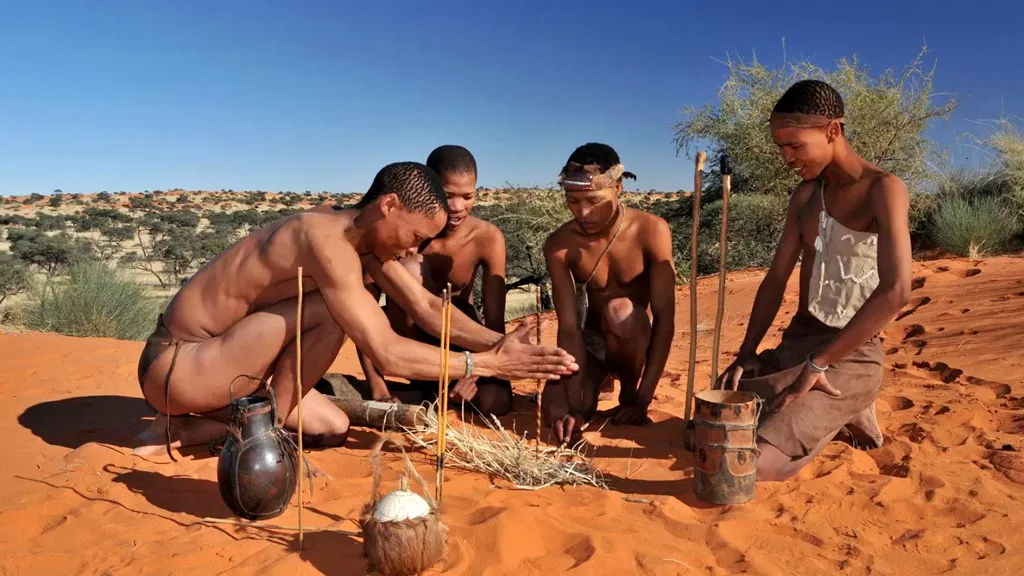
Long before European ships sailed into Table Bay, the Cape region was home to some of Southern Africa’s oldest communities: the Khoikhoi and the San peoples. Together, they are often collectively referred to as the Khoisan, although they are distinct groups with different ways of life, languages, and traditions.
The San: Southern Africa’s Ancient Hunter-Gatherers
The San are among the oldest known continuous populations in the world, with ancestors who have lived in Southern Africa for tens of thousands of years. Traditionally, they were nomadic hunter-gatherers, moving seasonally in small family groups as they followed game and harvested wild plants, berries, roots, and medicinal herbs.
Their survival depended on an intimate knowledge of the natural environment. Skilled hunters used lightweight bows tipped with poison-coated arrows made from plants or insects to bring down animals much larger than themselves. They tracked wildlife with extraordinary precision, reading footprints, broken branches, and subtle signs in the landscape that most people would never notice.
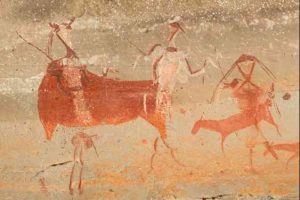
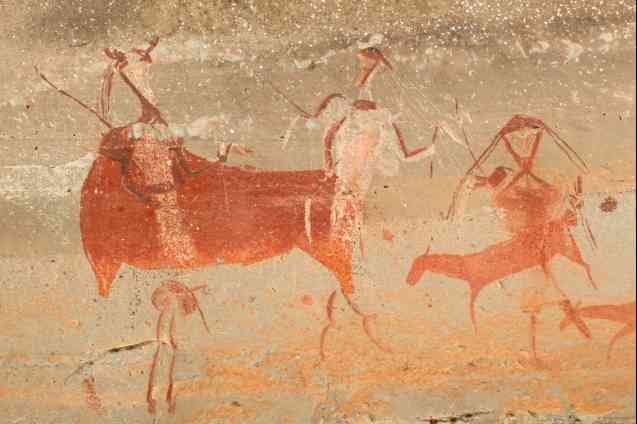
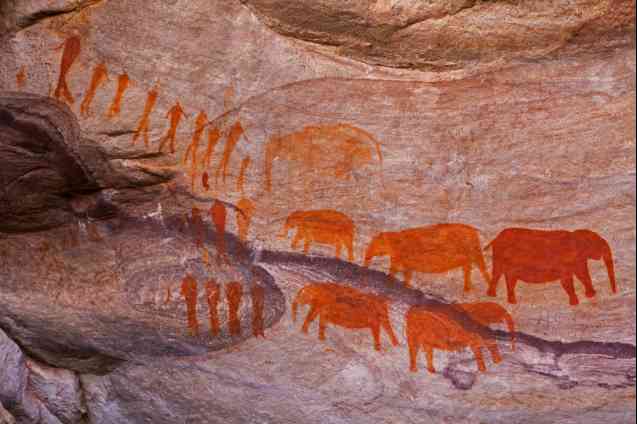
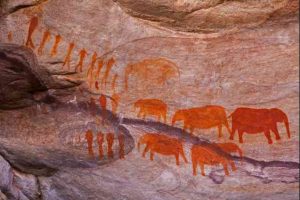
The San left behind one of South Africa’s richest artistic legacies through their remarkable rock paintings and engravings. Found in caves and rock shelters throughout the country, including the Cederberg Mountains and the Drakensberg. These artworks depict hunting scenes, wildlife, spiritual ceremonies, and daily life. Many are believed to be over 2,000 years old and offer valuable insights into San beliefs and traditions.
San society was generally egalitarian, with decisions made collectively and resources shared among community members. Storytelling, music, dance, and spiritual rituals played a central role in maintaining social bonds and passing knowledge between generations.
The Khoikhoi: Skilled Pastoralists of the Cape
The Khoikhoi originated in southern Africa as part of the indigenous Khoisan population. They share deep ancestral roots with the San hunter-gatherers, whose DNA traces back over 100,000 years. Around 2,300 years ago, a group of these indigenous people in modern-day Botswana adopted pastoralism, domesticating cattle and sheep. They then migrated south and west into South Africa, arriving in the Cape region thousands of years ago. Unlike the San, whose livelihoods centred on hunting and gathering, the Khoikhoi were pastoralists whose wealth and social standing were measured largely by the size of their livestock herds.
They established seasonal settlements near reliable sources of water, moving their animals to fresh grazing areas as the seasons changed. Their circular huts, known as matjieshuise, were constructed from flexible branches covered with woven reed mats, making them easy to dismantle and transport when communities relocated.
Cattle were central to Khoikhoi life, providing milk, hides, and a source of status and exchange. Sheep supplied wool and meat, while trade with neighbouring communities expanded their access to goods from across Southern Africa.
The Khoikhoi were also accomplished traders. When European ships began stopping at the Cape during the late fifteenth century, sailors frequently exchanged iron tools, copper, tobacco, beads, and cloth for fresh meat and livestock supplied by Khoikhoi communities. These early encounters were generally peaceful, although relations became increasingly strained as European settlement expanded and competition for land and water intensified.
Languages and Cultural Identity
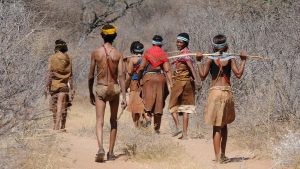
Both the Khoikhoi and the San spoke languages belonging to the Khoisan language families, famous for their distinctive click consonants. These clicks, produced by different movements of the tongue, remain one of the most recognisable features of several Southern African languages today and continue to influence languages such as isiXhosa and isiZulu.
Oral tradition was central to both societies. History, moral lessons, practical knowledge, and spiritual beliefs were preserved through storytelling, songs, dances, and ceremonies rather than written records. Elders played a vital role in teaching younger generations about survival skills, community values, and respect for the natural world.
Spiritual Beliefs
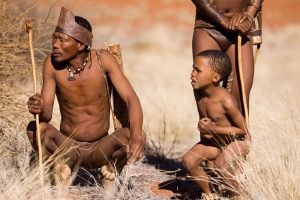
Both the Khoikhoi and the San peoples viewed the natural world as deeply interconnected with the spiritual realm. Animals, mountains, rivers, and celestial bodies held symbolic significance, while spiritual healers acted as intermediaries between the physical and spiritual worlds.
Among the San, trance dances formed an important part of religious life. During these ceremonies, healers entered altered states of consciousness through rhythmic dancing, singing, and drumming. These rituals were believed to promote healing, strengthen community bonds, and maintain harmony between people and nature.
Khoikhoi and San: A Living Legacy
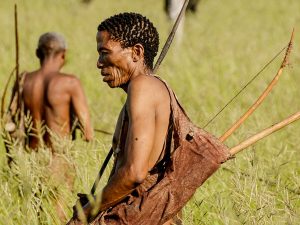
Despite centuries of displacement and marginalisation, the descendants of the Khoikhoi and San peoples remain an important part of South Africa’s cultural heritage. In recent decades, there has been renewed recognition of Khoisan history, languages, traditions, and land rights.
Today, museums, cultural centres, archaeological sites, and heritage initiatives across the Western Cape help preserve and celebrate the rich legacy of these first inhabitants. Their deep knowledge of the environment, resilience, artistic achievements, and enduring cultural traditions continue to shape South Africa’s identity and remind visitors that the history of Cape Town began long before the arrival of European explorers.
European Arrival in the Cape and Its Consequences
The arrival of European explorers in the late fifteenth century marked the beginning of profound changes for the indigenous peoples of the Cape. While early contact centred on trade, the establishment of a permanent Dutch settlement in 1652 led to increasing competition over grazing land, freshwater sources, and livestock.
As colonial farms expanded, many Khoikhoi communities lost access to their traditional lands. Diseases such as smallpox, introduced by Europeans, devastated indigenous populations that had little natural immunity. Many survivors were displaced, absorbed into colonial labour systems, or forced to move further inland.
The San faced similar pressures. Expanding settlements reduced the availability of game and traditional hunting grounds, leading to conflict, displacement, and the gradual erosion of their traditional way of life.
The Portuguese Discover the Cape
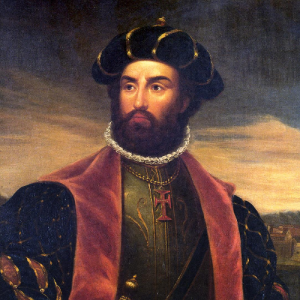
The European chapter of Cape Town’s story began during the Age of Discovery.
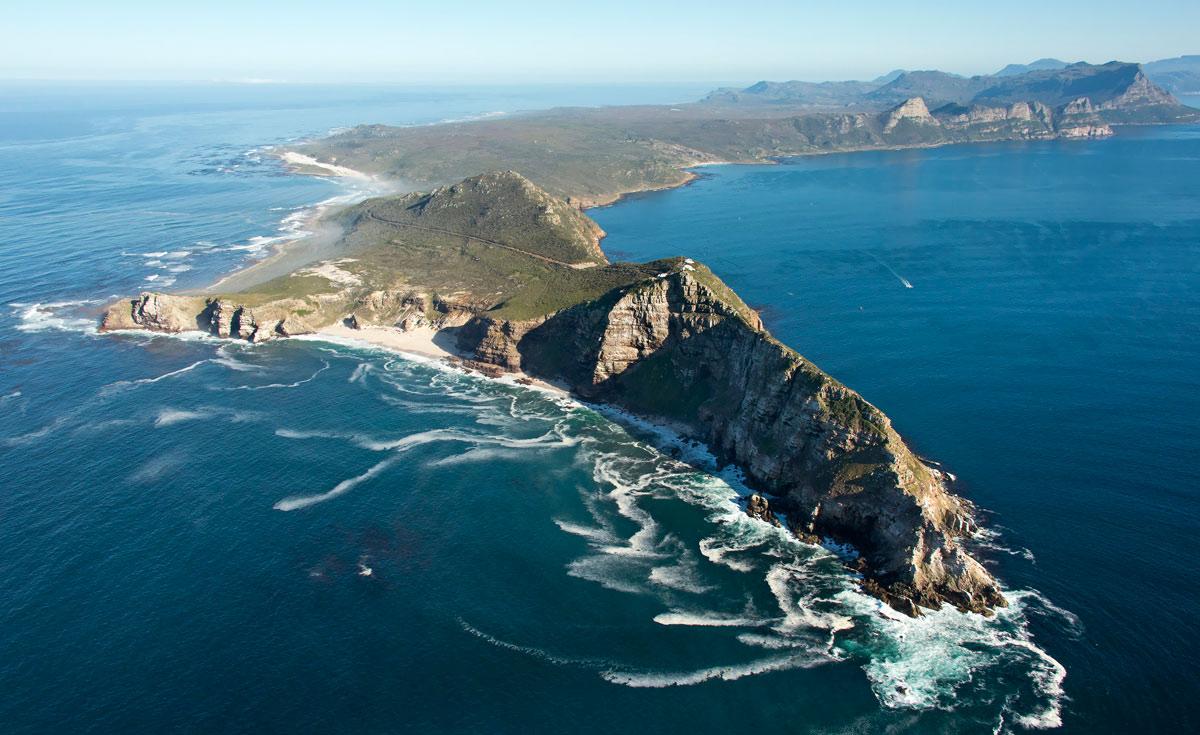
In 1488, Portuguese explorer Bartolomeu Dias became the first known European to round the southern tip of Africa. In 1487, he was sent by King John II of Portugal to find a sea route around Africa to Asia. Violent storms pushed his ships far into the Atlantic Ocean before he turned east and realised he had sailed beyond the southern tip of Africa becoming the first European to round the Cape.
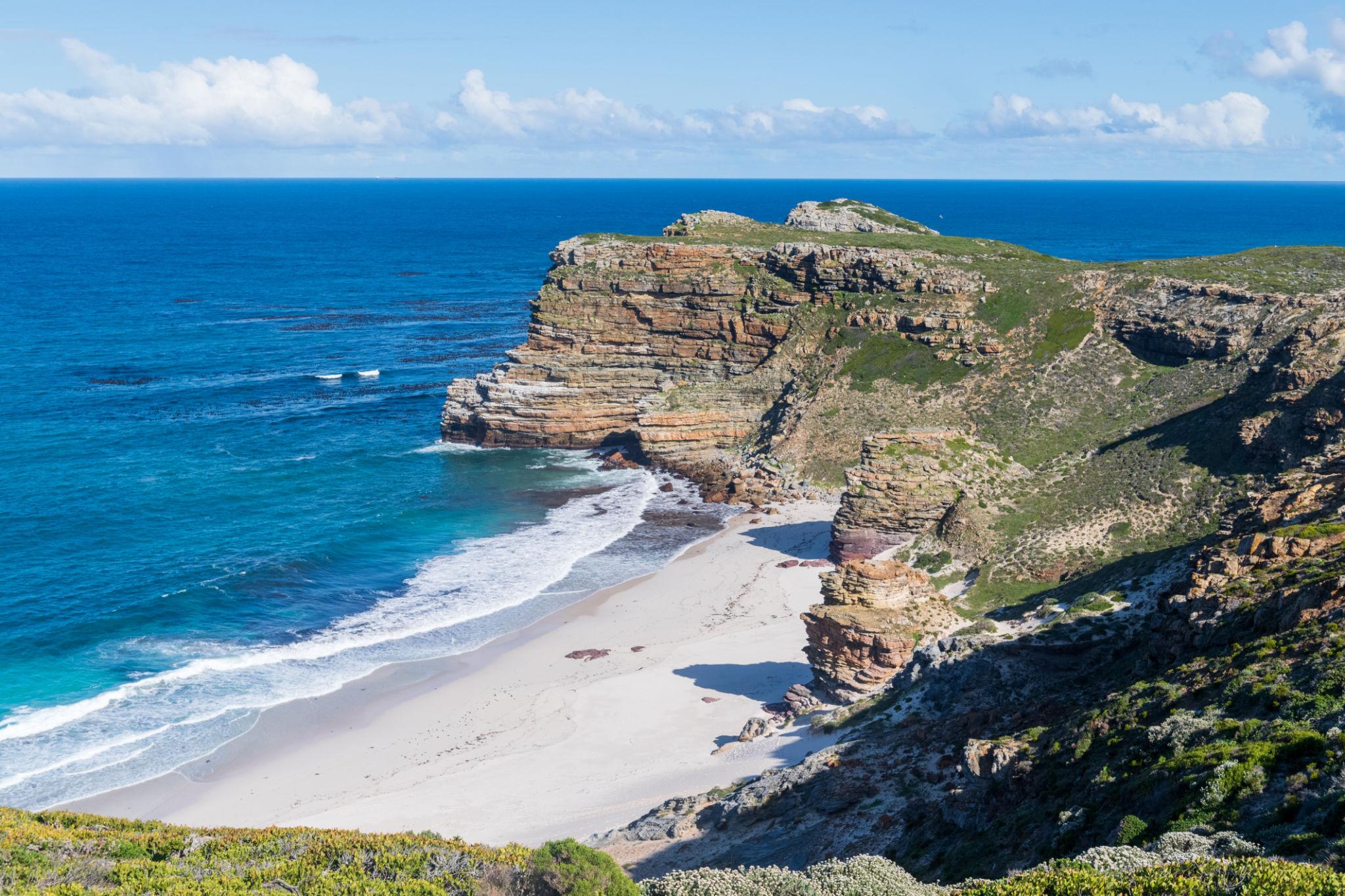
On the return journey, Dias sighted the rocky headland and named it the Cape of Storms (Cabo das Tormentas) because of the dangerous weather and rough seas he had encountered. King John II later renamed it the Cape of Good Hope, believing it symbolised the hope of finding a profitable sea route to India.
Dias’s voyage proved that the Atlantic and Indian Oceans were connected and that ships could sail around Africa to reach Asia. Although his crew refused to continue further east, his expedition paved the way for Vasco da Gama, who successfully reached India by sea in 1498 using the route that Dias had discovered.
Why Bartolomeu Dias was significant:
- He was the first European to sail around the southern tip of Africa.
- He discovered the route around the Cape that linked Europe to the Indian Ocean.
- He named the Cape of Storms, later renamed the Cape of Good Hope.
- His voyage opened the way for Portuguese trade and exploration between Europe and Asia.
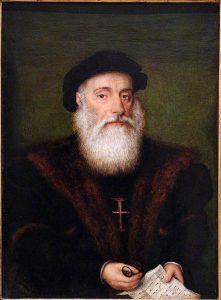
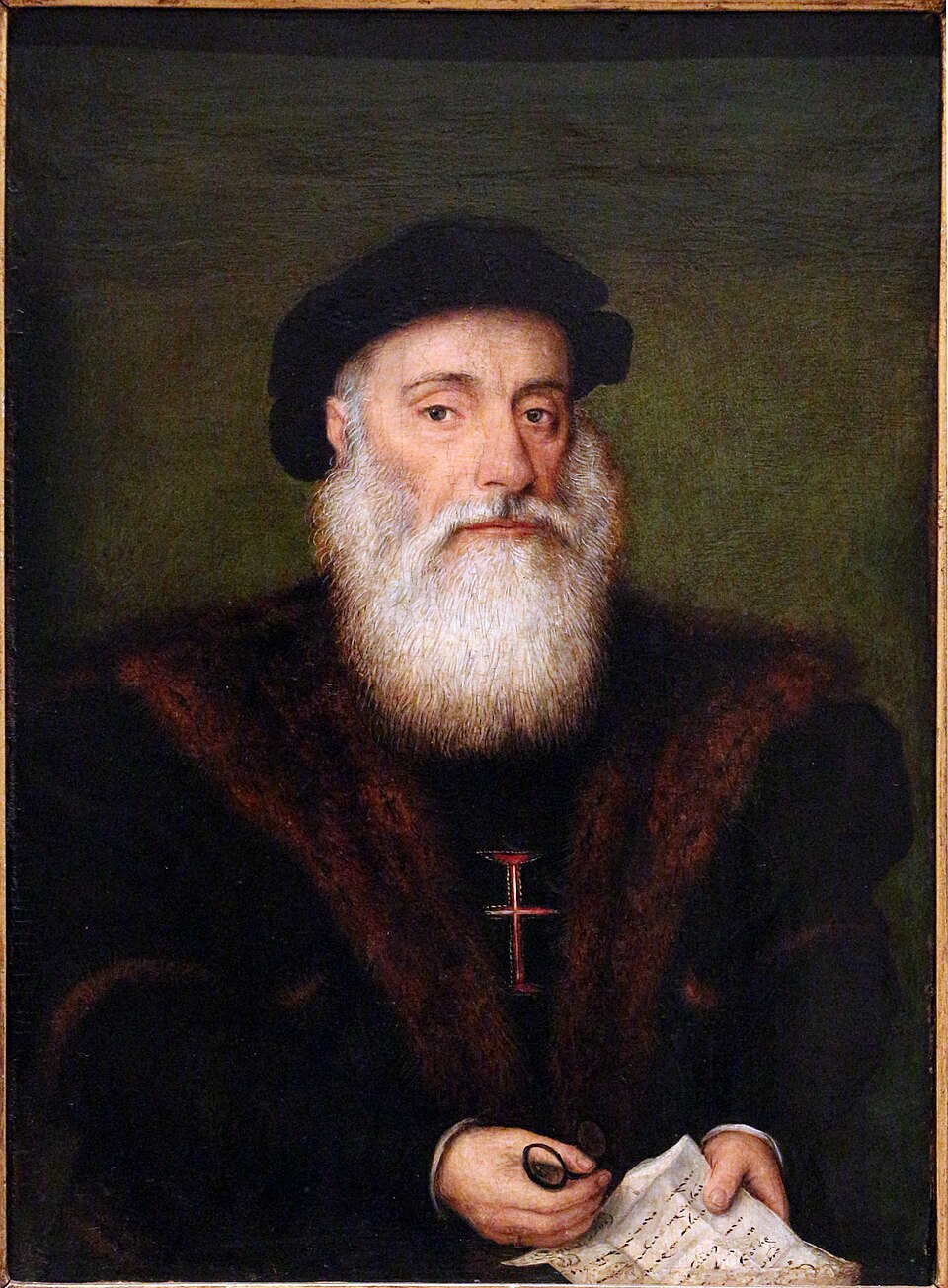
Vasco da Gama, a fellow Portuguese explorer completed the first successful sea voyage from Europe to India by sailing around the Cape of Good Hope. His historic expedition began in July 1497, when he left Lisbon with four ships under orders from the Portuguese king to find a direct sea route to the valuable spice markets of Asia.
Bartolomeu Dias had already shown that it was possible to sail around the southern tip of Africa. Following this route, Vasco da Gama reached the Cape of Good Hope in November 1497. Instead of hugging the African coastline, he sailed far into the Atlantic Ocean to take advantage of favourable winds before turning east to round the Cape. This helped his fleet avoid difficult coastal currents and made the journey more efficient.
After passing the Cape, Vasco da Gama sailed up the east coast of Africa, stopping at ports such as Mozambique, Mombasa, and Malindi. In Malindi, he obtained an experienced pilot who guided the fleet across the Indian Ocean. In May 1498, he arrived at Calicut on India’s southwest coast, becoming the first European to reach India by sea.
Although the return journey was difficult and many sailors died from disease and harsh conditions, Vasco da Gama’s voyage proved that a direct sea route connected Europe and Asia. This opened new trade opportunities, especially in spices, and greatly increased Portugal’s wealth and influence. It also marked the beginning of European dominance of the sea routes around Africa and had a lasting impact on global trade and exploration. Although Portuguese ships frequently passed the Cape, they chose not to establish a permanent settlement, preferring trading posts farther east.
The Dutch Arrival
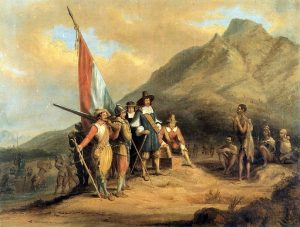
Everything changed in 1652.
The Dutch East India Company sent Jan van Riebeeck to establish a refreshment station for ships sailing between Europe and Asia. His mission was simple: provide fresh water, vegetables, meat, and medical care to passing vessels.
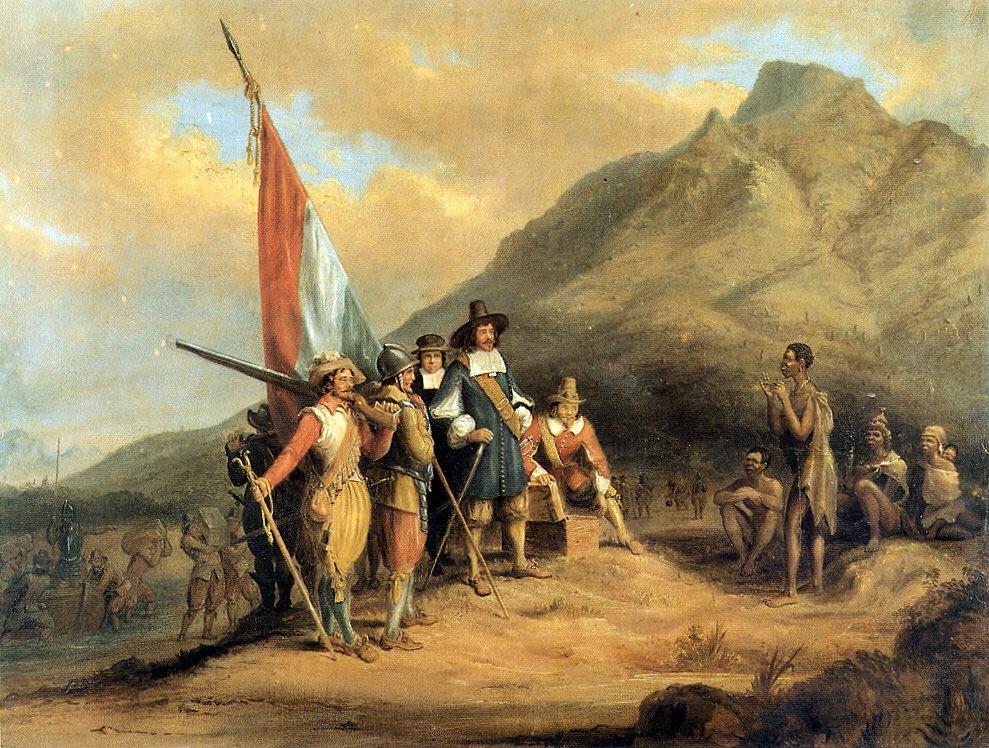
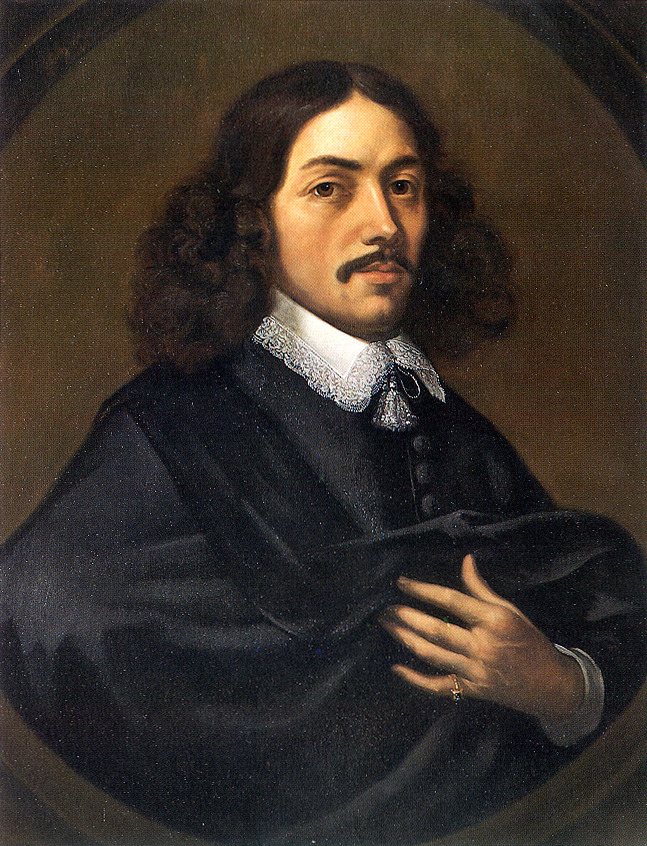
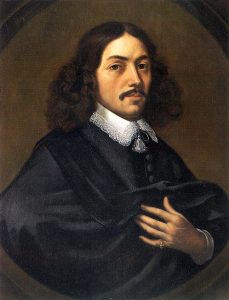
On 6 April 1652, Jan Van Riebeeck and approximately ninety settlers landed in Table Bay, including soldiers, craftsmen, gardeners, labourers, and company officials. Few historical figures are as closely associated with the founding of Cape Town as Jan van Riebeeck. While he did not discover the Cape of Good Hope, his arrival in 1652 marked the beginning of permanent European settlement in Southern Africa and laid the foundations for what would eventually become the city of Cape Town.
His instructions from the Dutch East India Company were practical rather than colonial. He was tasked with creating a refreshment station where passing ships could obtain fresh water, vegetables, fruit, meat, and medical assistance before continuing their voyage to Asia. What began as a modest supply station quickly evolved into a permanent settlement.
Company’s Garden
One of Jan Van Riebeeck’s earliest projects was establishing the Company’s Garden, where vegetables and fruit were grown to combat scurvy among sailors. The fertile soils and Mediterranean climate proved well suited to agriculture, allowing the settlement to produce increasing quantities of fresh food. Today, visitors can still explore the Company’s Garden, originally established to feed Dutch ships. While much has changed over nearly four centuries, the gardens remain one of Cape Town’s most peaceful historic attractions.
The settlers also built storage facilities, workshops, wells, and livestock enclosures. In 1653 construction began on a wooden and clay fort known as Fort de Goede Hoop, which was later replaced by the stone Castle of Good Hope, completed after Van Riebeeck had left the Cape. These developments transformed the Cape from an isolated anchorage into an organised European settlement.
Relations with the Khoikhoi
Before the Dutch arrived, the Cape Peninsula was inhabited primarily by Khoikhoi pastoralists, who grazed large herds of cattle and sheep across the region.
Initially, Van Riebeeck hoped to obtain livestock through trade rather than conquest. European goods such as copper, iron tools, tobacco, beads, and cloth were exchanged for cattle and sheep, helping supply meat to visiting ships.
However, as the Dutch settlement expanded, increasing amounts of land were enclosed for farming. This reduced grazing areas traditionally used by the Khoikhoi and created growing tensions between the two communities.
Disputes over land, livestock, and access to water eventually escalated into armed conflict. The First Khoikhoi-Dutch War (1659–1660) marked the beginning of a long period of colonial expansion that profoundly affected the indigenous peoples of the Cape.
Expanding Agriculture
To increase food production, Van Riebeeck recommended that some company employees be released from their contracts and granted land to become independent farmers, known as free burghers. In 1657, the first group of these farmers received land along the Liesbeek River. They cultivated wheat, barley, vegetables, vineyards, and orchards while raising livestock to supply passing ships. This decision significantly expanded European settlement beyond the original fort and marked the beginning of permanent colonial agriculture in the Cape.
Introduction of Slavery
The expanding Dutch settlement inevitably led to conflict with the Khoikhoi communities, whose grazing lands were steadily occupied by European farmers.
Competition over land, water, and livestock created tensions that resulted in several conflicts during the seventeenth century.
As the colony expanded, enslaved people were brought from present-day Indonesia, Malaysia, Madagascar, India, Mozambique, and East Africa. These communities contributed significantly to Cape Town’s cultural identity, cuisine, language, and architecture.
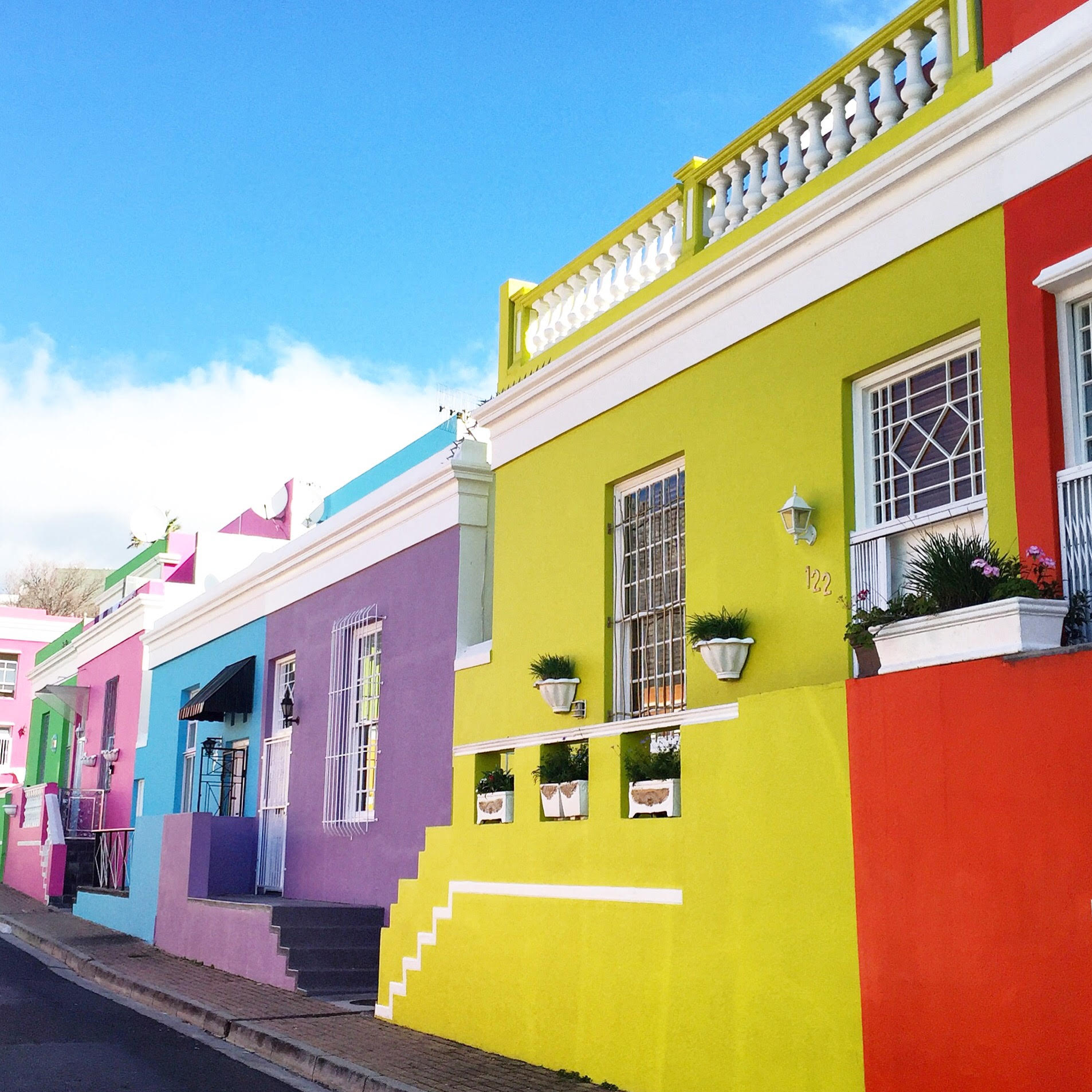
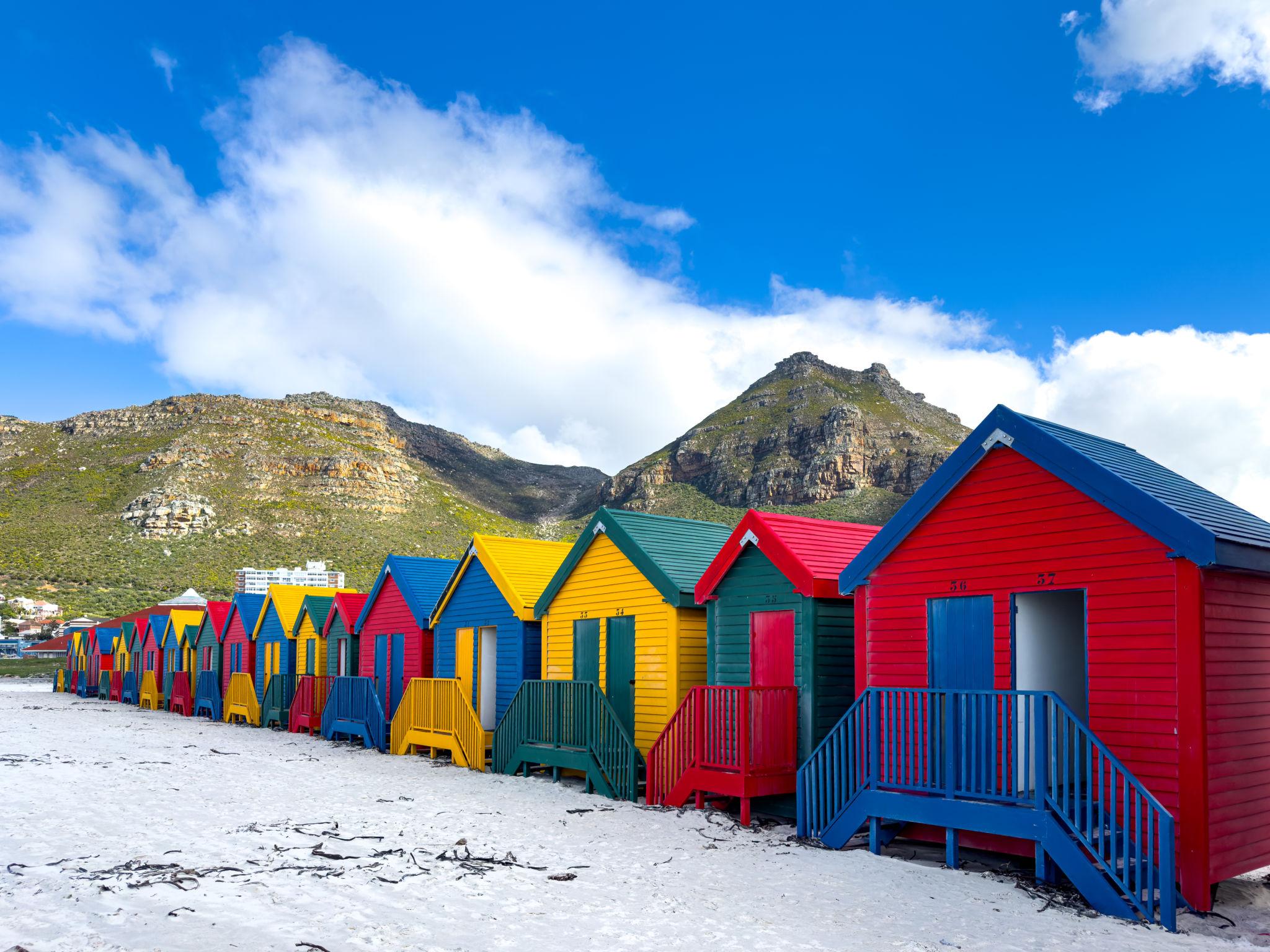
Their descendants helped shape what is now known as Cape Malay culture, particularly in the colourful neighbourhood of Bo-Kaap, where vibrant houses line cobbled streets beneath Signal Hill.
Departure from the Cape
After serving for ten years, Van Riebeeck left the Cape in 1662 to continue his career with the Dutch East India Company in the Dutch East Indies (modern-day Indonesia). He later became Secretary of the Council of the Indies in Batavia (now Jakarta), where he remained until his death in 1677.
Although he spent only a decade in the Cape, the settlement he established continued to grow into a major colonial port and eventually developed into modern Cape Town.
A Complex Legacy

Jan van Riebeeck remains one of South Africa’s most debated historical figures. For many years, he was celebrated in colonial and apartheid-era histories as the “founder” of Cape Town and the man who established European civilisation at the southern tip of Africa.
Today, historians present a more balanced interpretation. While acknowledging his role in founding the Dutch settlement, they also recognise that his arrival marked the beginning of European colonisation, the dispossession of indigenous Khoikhoi and San communities, the expansion of settler farming, and the introduction of slavery at the Cape.
Modern Cape Town embraces this more inclusive understanding of its past, recognising that the city’s history includes the experiences and contributions of indigenous peoples, enslaved communities, settlers, and later generations who together shaped one of Africa’s most diverse and culturally rich cities.
Jan van Riebeeck’s legacy is therefore neither entirely heroic nor entirely condemnable. Rather, it reflects the complex realities of colonial history: a story of exploration, commerce, settlement, conflict, and profound social change whose consequences continue to influence South Africa today.
Simon van der Stel: Shaping the Early Cape Colony
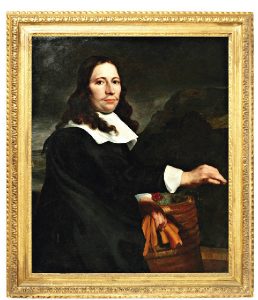
Simon van der Stel was one of the most influential governors of the early Cape Colony. Appointed Commander of the Dutch settlement in 1679 and later its first Governor in 1691, he oversaw a period of rapid growth and development that helped transform the Cape from a small refreshment station into a thriving agricultural colony.
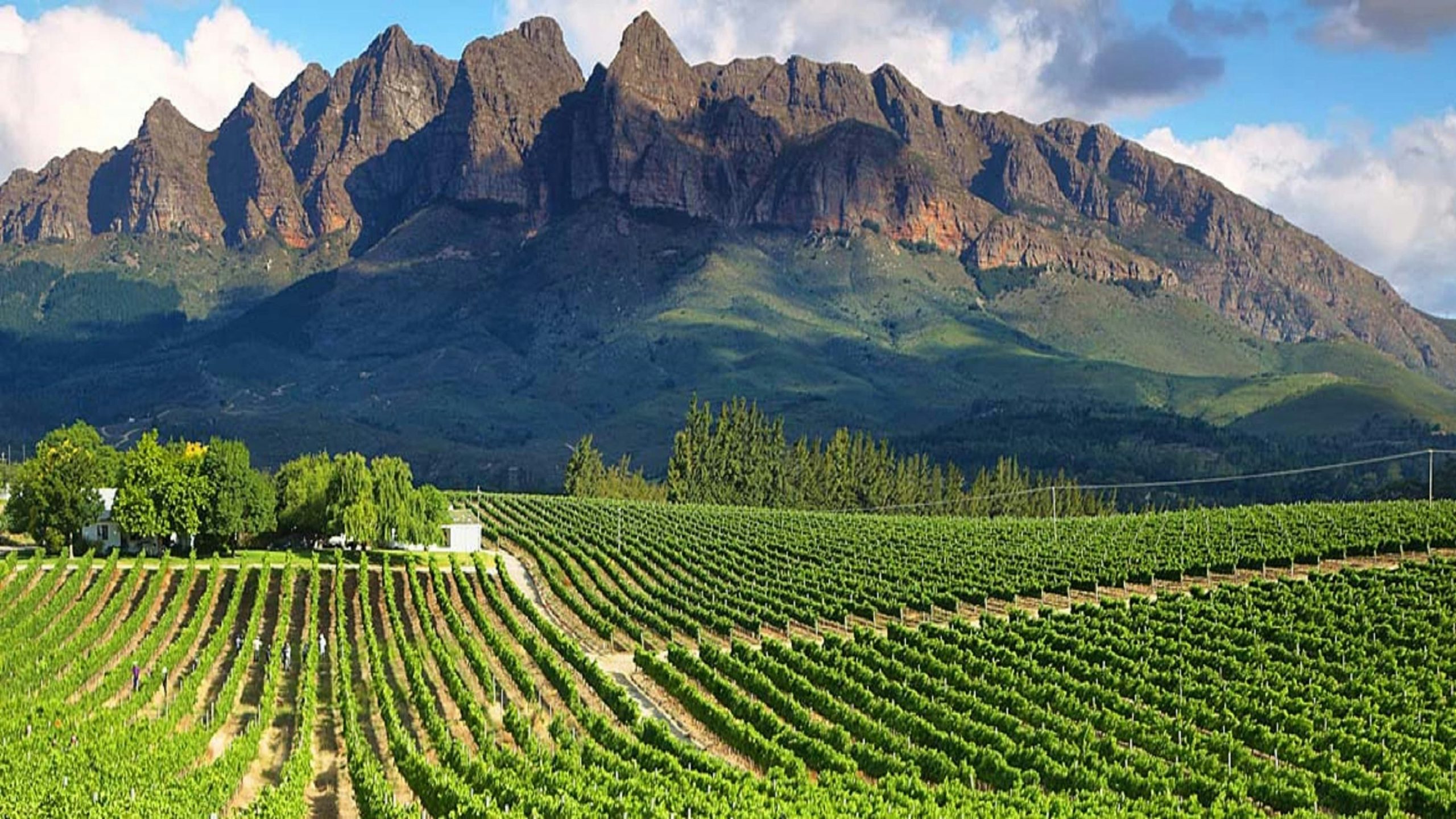
One of his greatest achievements was encouraging the expansion of farming beyond the immediate vicinity of Cape Town. He granted land to Dutch settlers in the fertile Eerste River valley, leading to the founding of Stellenbosch in 1679, South Africa’s second-oldest European settlement. He also promoted settlement in areas such as Drakenstein, Paarl, and Franschhoek, laying the foundations for the Cape’s agricultural economy.
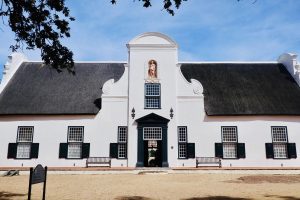
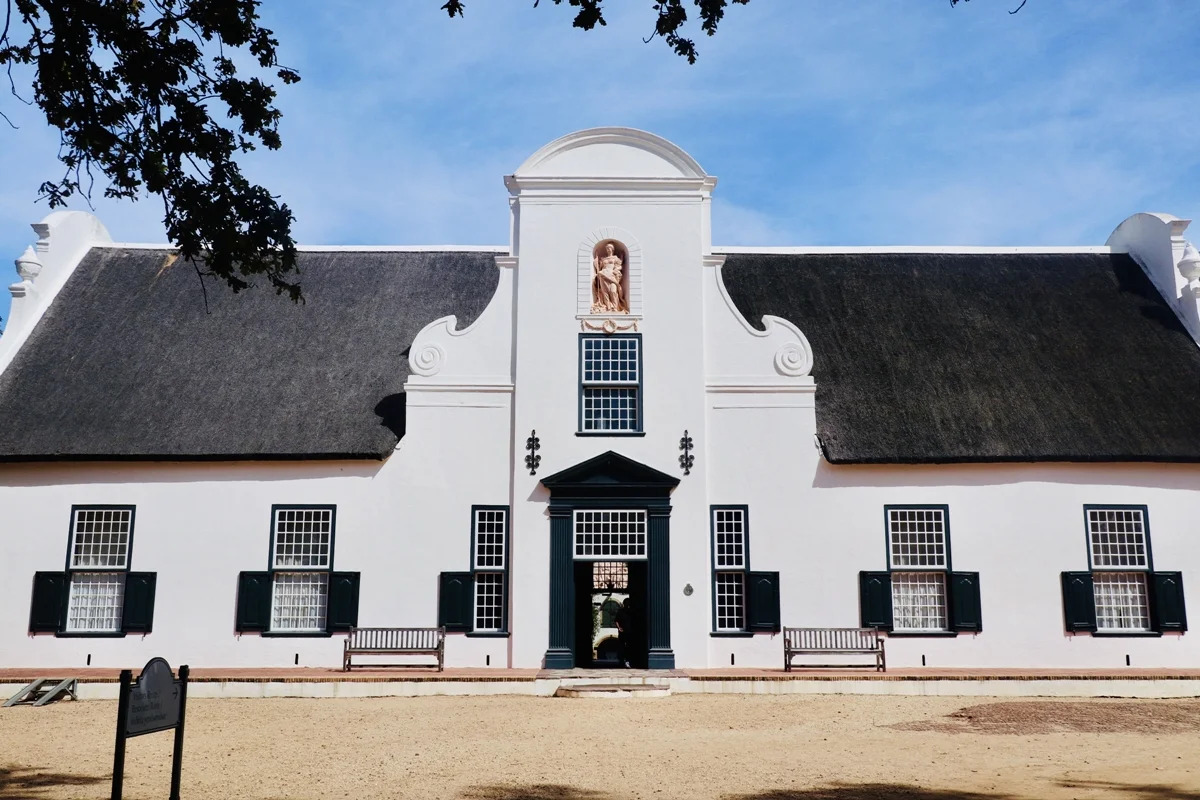
Van der Stel is widely regarded as one of the pioneers of South Africa’s wine industry. Recognising the Cape’s favourable climate, he introduced improved grape cultivation and established his famous Constantia estate, where high-quality wines gained an international reputation. The vineyards at Groot Constantia remain among the oldest wine-producing estates in the country.
He was also interested in botany and exploration, organising expeditions into the Cape interior to map the region, study its natural resources, and identify opportunities for further settlement and trade. His administration improved infrastructure, agriculture, and the colony’s ability to supply Dutch East India Company ships travelling between Europe and Asia.
However, Van der Stel’s legacy is complex. While his policies strengthened the colony’s economy, they also accelerated European expansion onto land traditionally occupied by Khoikhoi communities. Increased settlement, livestock farming, and colonial administration contributed to the displacement of indigenous peoples and further entrenched systems that relied on enslaved labour.
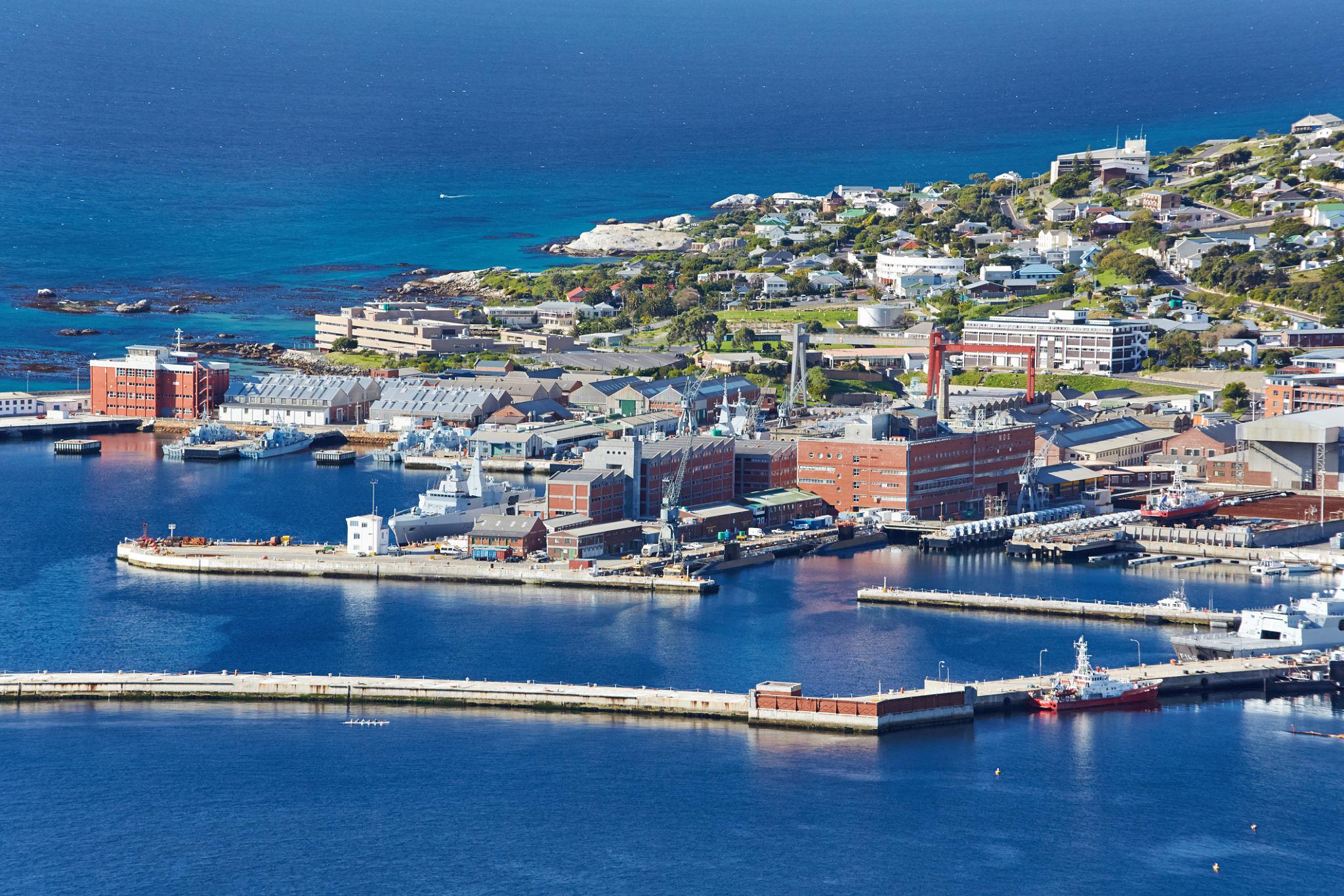
Today, Simon van der Stel is remembered as a key architect of the early Cape Colony. His influence is still visible in landmarks such as Stellenbosch, Simon’s Town, and the historic Groot Constantia wine estate, all of which reflect his lasting impact on the history, agriculture, and development of the Cape.
British Rule
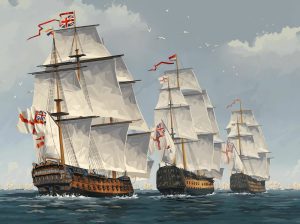
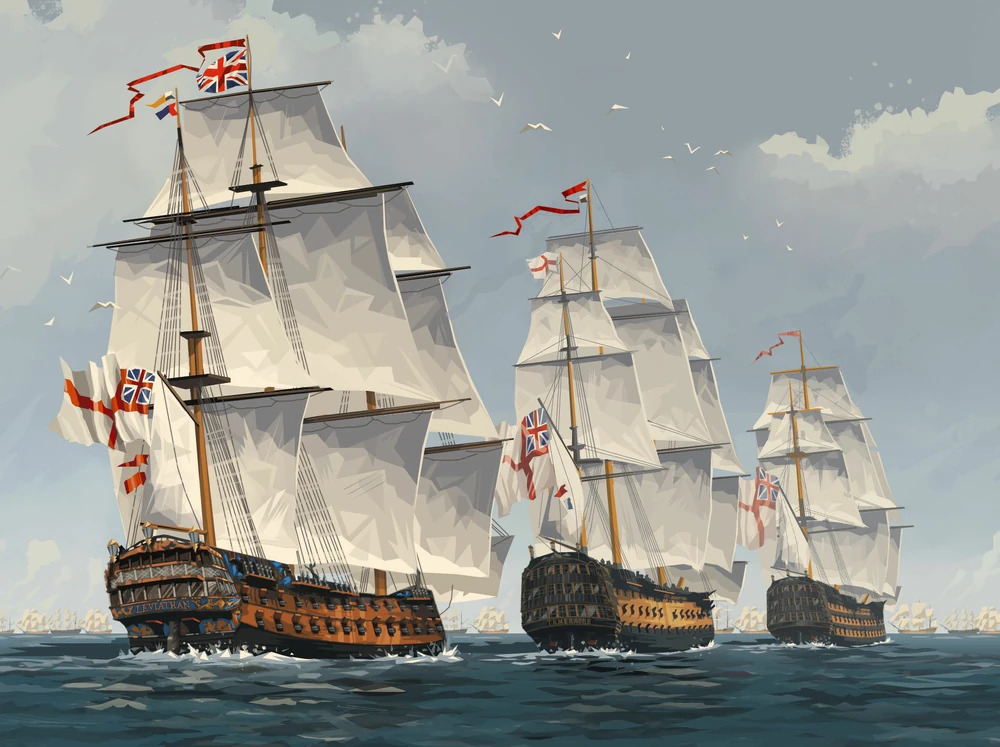
British rule in Cape Town began during the late 1700s as part of the wider struggle between Britain and France during the Napoleonic Wars. Britain first occupied the Cape in 1795 to prevent it from falling under French influence after the Netherlands came under French control. The colony was briefly returned to the Dutch in 1803, but Britain reoccupied it in 1806 after the Battle of Blaauwberg. The Cape was formally ceded to Britain in 1814.
Under British administration, the colony expanded economically and strategically as a key stopover on the sea route between Europe and Asia. British authorities introduced English as the language of government and law, encouraged immigration, including the arrival of the 1820 Settlers and invested in infrastructure, trade, and port facilities. The British also abolished the slave trade in 1807 and slavery throughout the empire in 1834, bringing major social and economic changes to the Cape.
British policies, particularly regarding language, land, and governance, created tensions with many Dutch-speaking settlers. These grievances contributed to the Great Trek, as thousands left the Cape to establish independent republics in the interior. Throughout the 1800s, the Cape Colony developed representative government, eventually gaining responsible self-government in 1872, while remaining part of the British Empire.
British rule lasted until 1910, when the Cape Colony became one of the four founding provinces of the Union of South Africa. The British period left a lasting legacy in Cape Town’s legal system, language, architecture, education, and institutions, many of which continue to shape the city today.
The Diamond and Gold Rushes

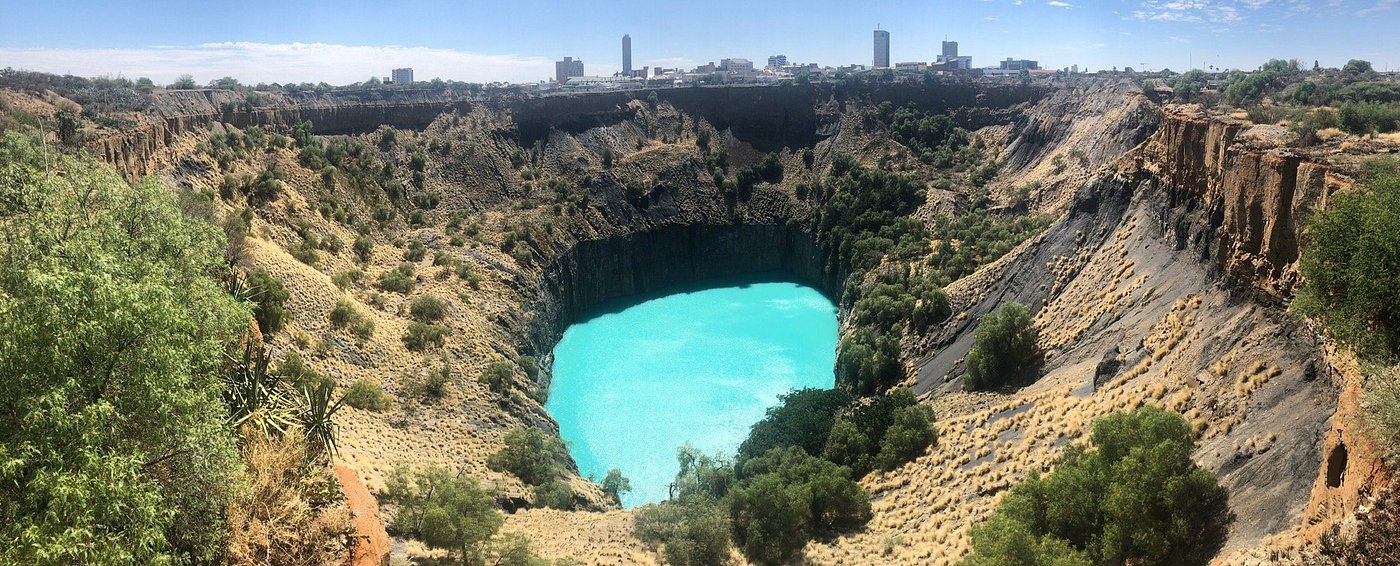
The discoveries of diamonds in Kimberley during 1867 and gold on the Witwatersrand in 1886, dramatically increased shipping through Cape Town’s harbour. Thousands of prospectors, engineers, merchants, and investors arrived by sea before travelling inland. Businesses supplying mining equipment, food, clothing, banking, and insurance expanded rapidly.
Harbour and railway development
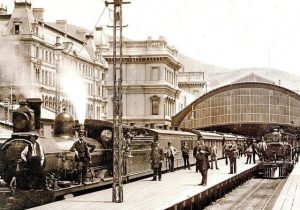
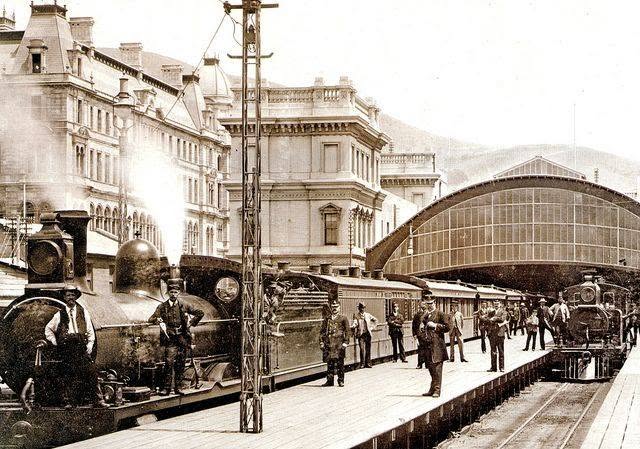
To handle the growing trade, Cape Town’s harbour was enlarged with new docks and improved facilities. Railways were extended from Cape Town into the interior, eventually linking the city with Kimberley and Johannesburg. These rail links enabled machinery, supplies, and people to move efficiently between the coast and the mining regions, while minerals could be exported through the port.
Commercial and financial centre
Cape Town benefited from the growth of banks, shipping companies, legal firms, and trading houses that serviced the mining industry. Merchants made substantial profits supplying the rapidly expanding mining towns, strengthening the city’s role as an important commercial centre.
Population growth
The mining boom attracted immigrants from Britain, Europe, and elsewhere. While many continued inland to the diamond and gold fields, others settled in Cape Town, contributing to population growth and increasing demand for housing, schools, churches, and public services.
Political importance
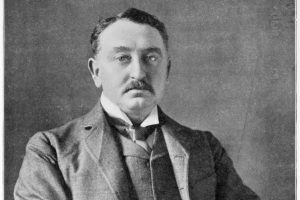
The mineral discoveries heightened Britain’s interest in southern Africa. Cape Town, as the capital of the Cape Colony, became the administrative centre for many political decisions concerning expansion into the interior. Figures such as Cecil Rhodes used Cape Town as the base for shaping policies linked to the mining economy and British imperial ambitions.
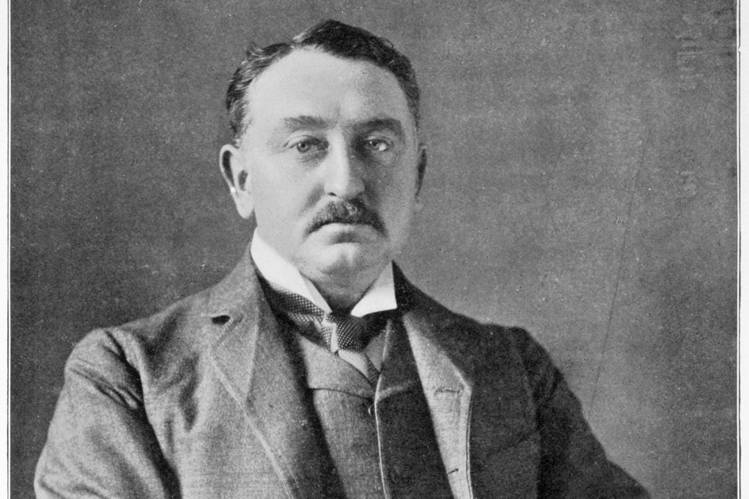
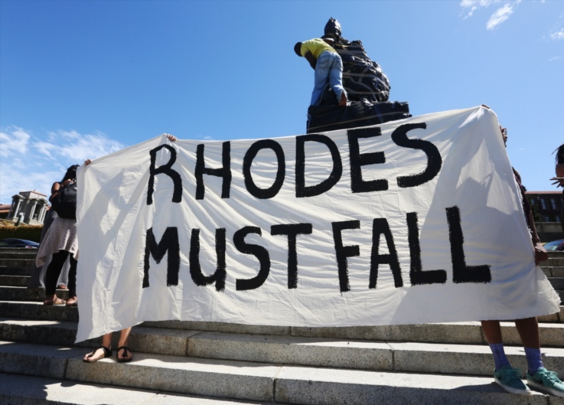
Cecil John Rhodes was one of the most influential figures in the history of the Cape during the late 1800s. A British businessman, mining magnate, and politician, he made a vast fortune from the diamond industry after the discovery of diamonds in South Africa. He later became Prime Minister of the Cape Colony from 1890 to 1896.
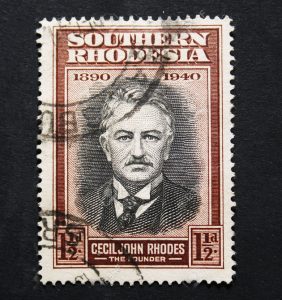
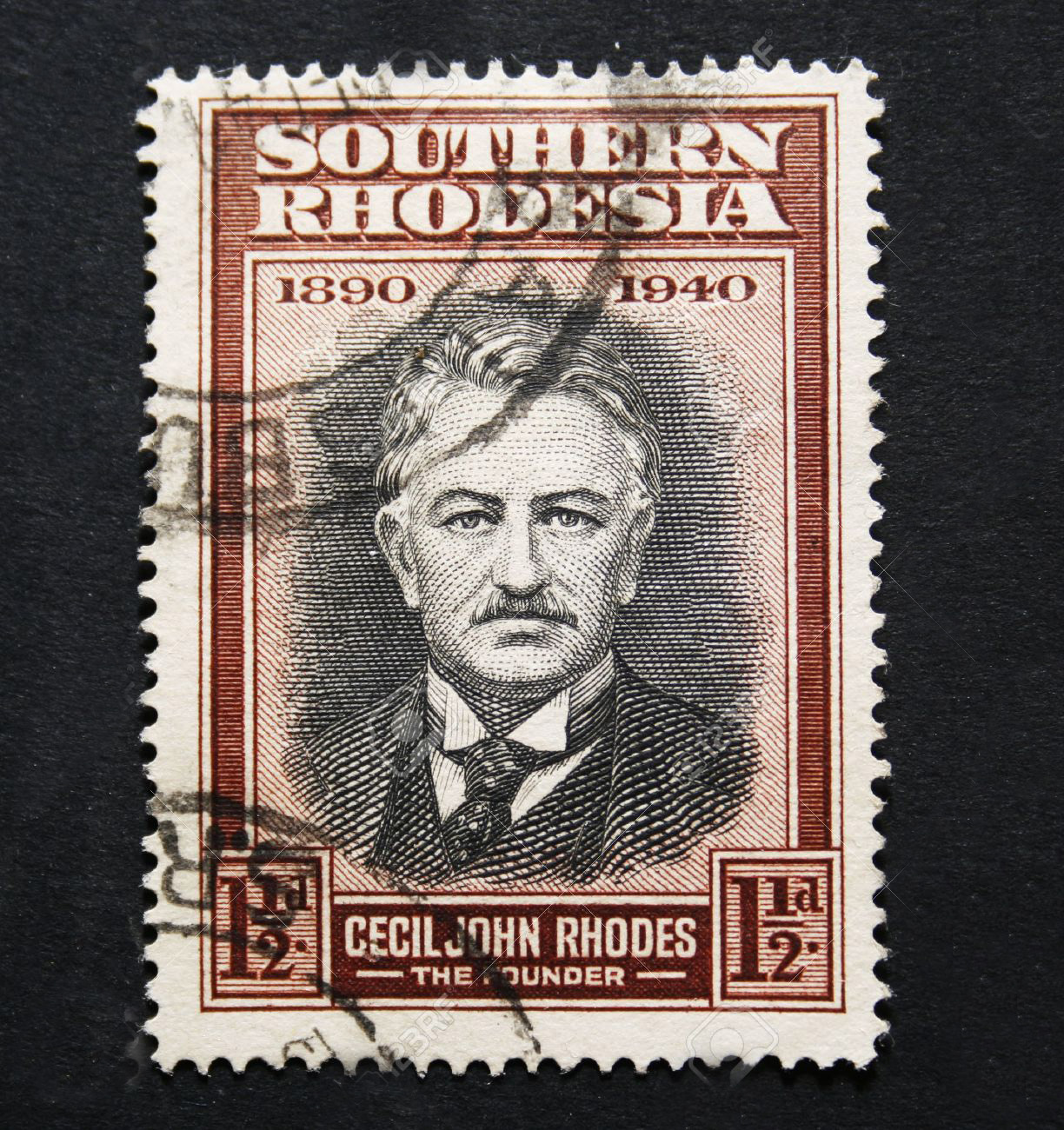
Rhodes believed that the British Empire should control much of southern Africa. As Prime Minister, he promoted the expansion of British territory, encouraged railway construction, and supported economic development linked to mining and trade. He also helped establish territories north of the Limpopo River that were later named Rhodesia (today Zimbabwe and Zambia).
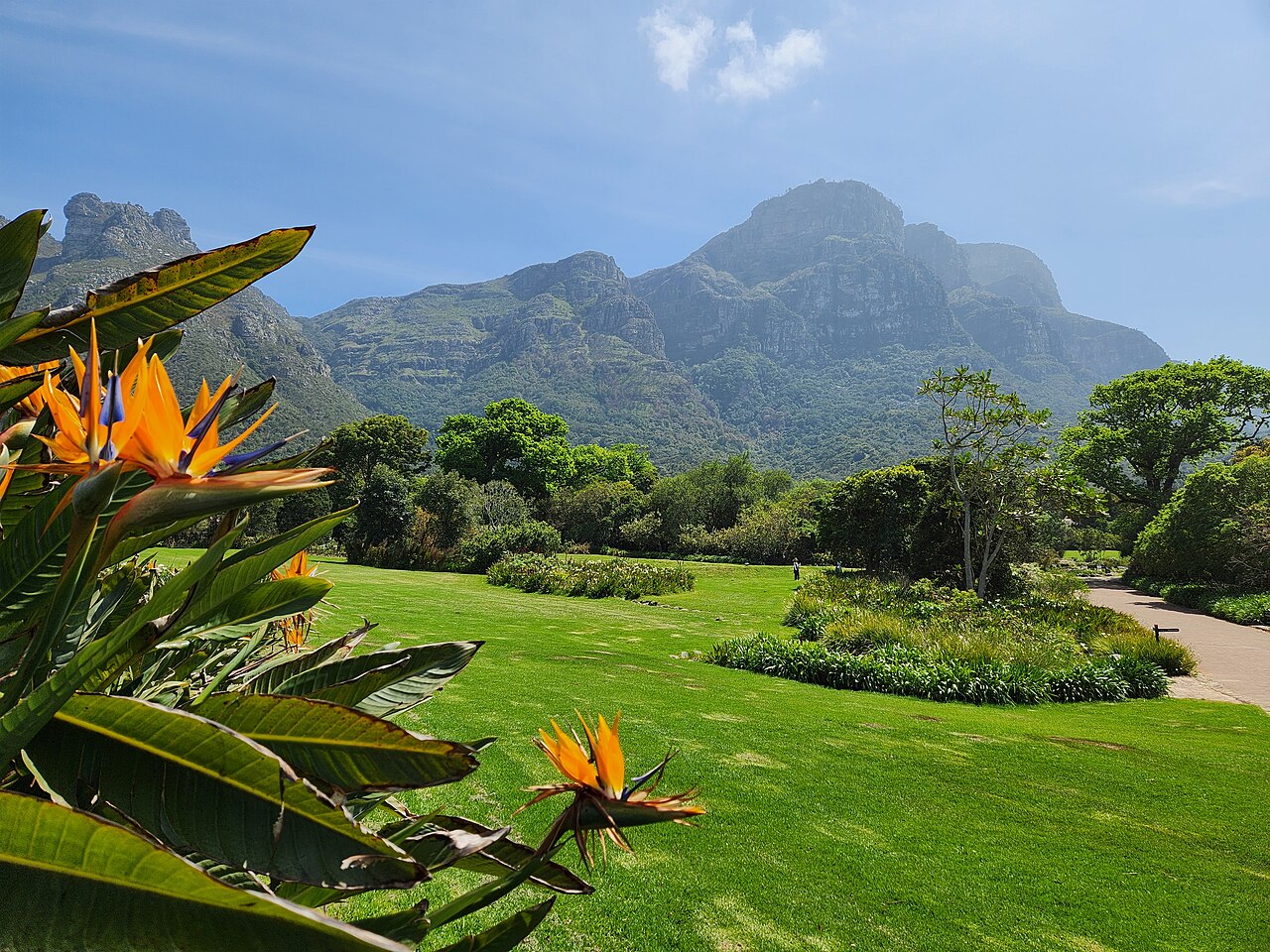
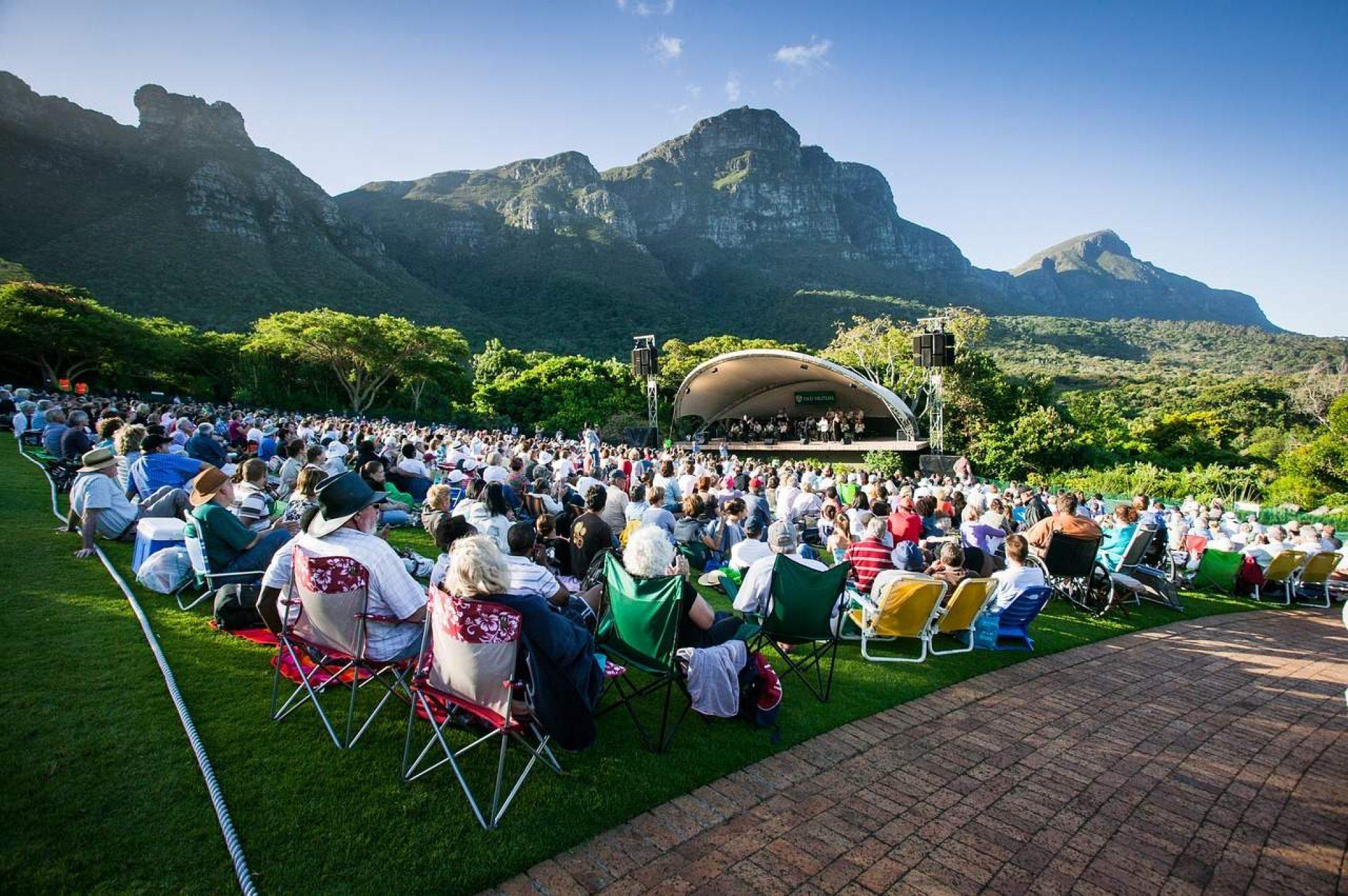
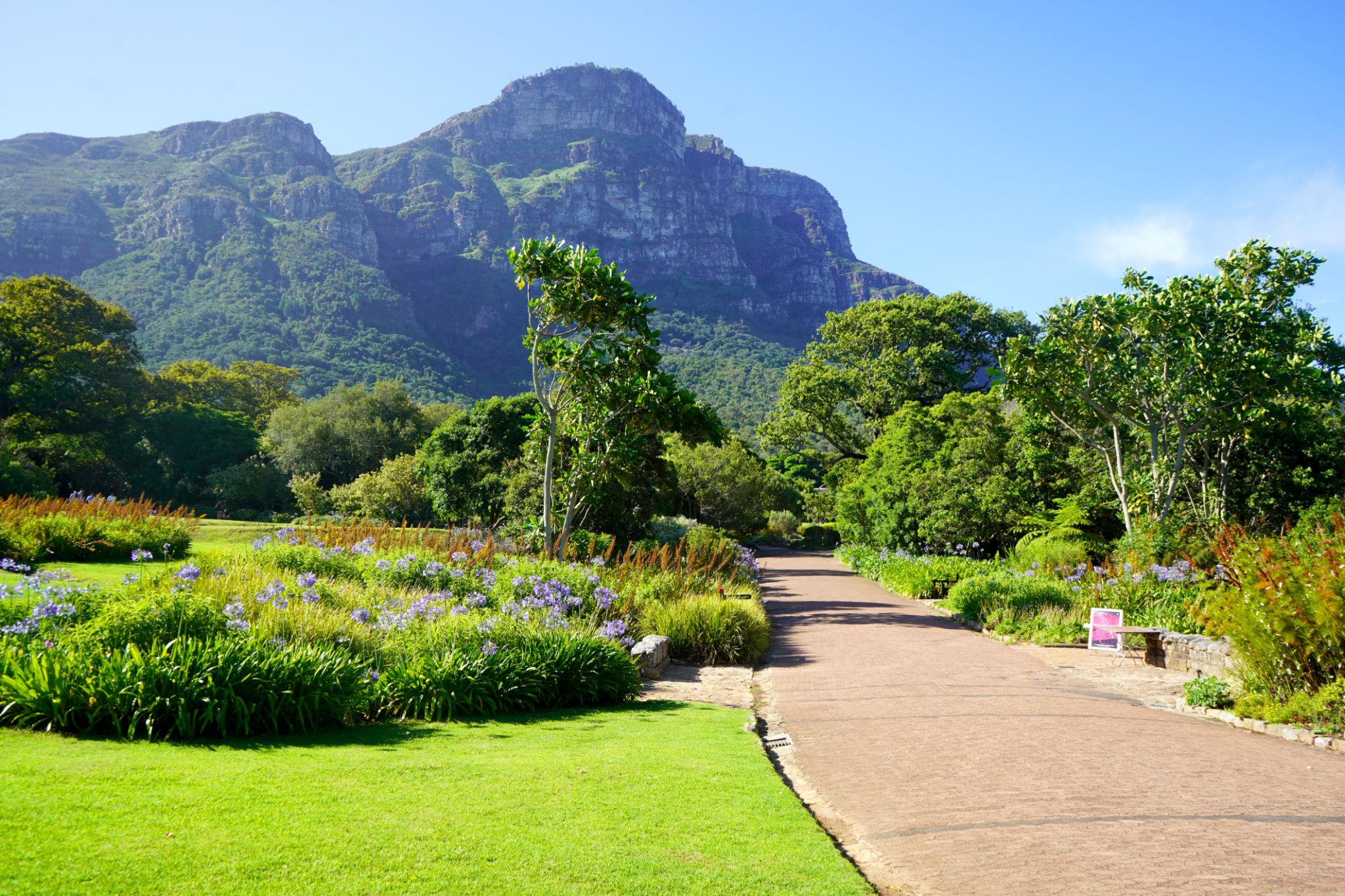
Rhodes played an important role in shaping Cape Town. He invested in infrastructure, supported the expansion of the railway network, and donated land on the slopes of Table Mountain for educational and conservation purposes. This land later became part of the campuses of the University of Cape Town and the Kirstenbosch National Botanical Garden. His former estate is now known as Rhodes Memorial.
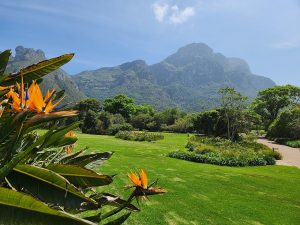
However, Rhodes’s legacy is highly controversial. His policies promoted British imperial expansion and gave political and economic advantages to white settlers while restricting the rights of Black Africans. Measures introduced during his government, including limits on African land ownership and voting rights, contributed to racial inequality and influenced later segregationist policies that eventually developed into apartheid.
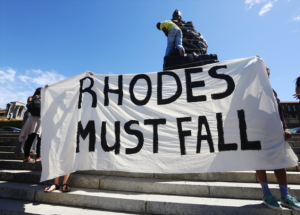
Summary of Cecil John Rhodes’s impact on the Cape
- Built his fortune through the diamond mining industry.
- Served as Prime Minister of the Cape Colony (1890–1896).
- Expanded British influence and promoted railways and trade.
- Donated land that later became part of the University of Cape Town and Kirstenbosch.
- Introduced policies that contributed to racial discrimination and unequal land ownership.
Remains a significant but controversial figure in South African history due to both his contributions to development and his role in promoting colonialism and racial inequality.
Long-term effects
While Johannesburg eventually overtook Cape Town as South Africa’s economic powerhouse because of its proximity to the goldfields, Cape Town retained its importance as the country’s legislative and maritime centre. The harbour, railway network, financial institutions, and commercial infrastructure developed during the mining boom laid the foundations for the city’s continued growth into the 20th century.
In summary, although Cape Town did not produce the diamonds or gold itself, it prospered as the principal port, transport hub, financial centre, and administrative capital that connected South Africa’s mineral wealth to the rest of the world.
Cape Town became a vital gateway for thousands of fortune seekers arriving by sea before travelling inland. The harbour expanded rapidly, railways connected the Cape to the interior, and trade flourished. Although Johannesburg eventually became South Africa’s economic powerhouse, Cape Town retained its importance as a legislative, maritime, and cultural centre.
Apartheid and Resistance
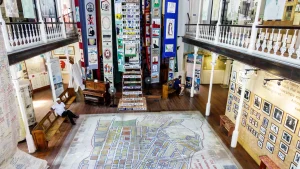
No history of South Africa is complete without acknowledging the painful legacy of apartheid. Beginning officially in 1948, apartheid enforced racial segregation through discriminatory laws that affected every aspect of daily life.
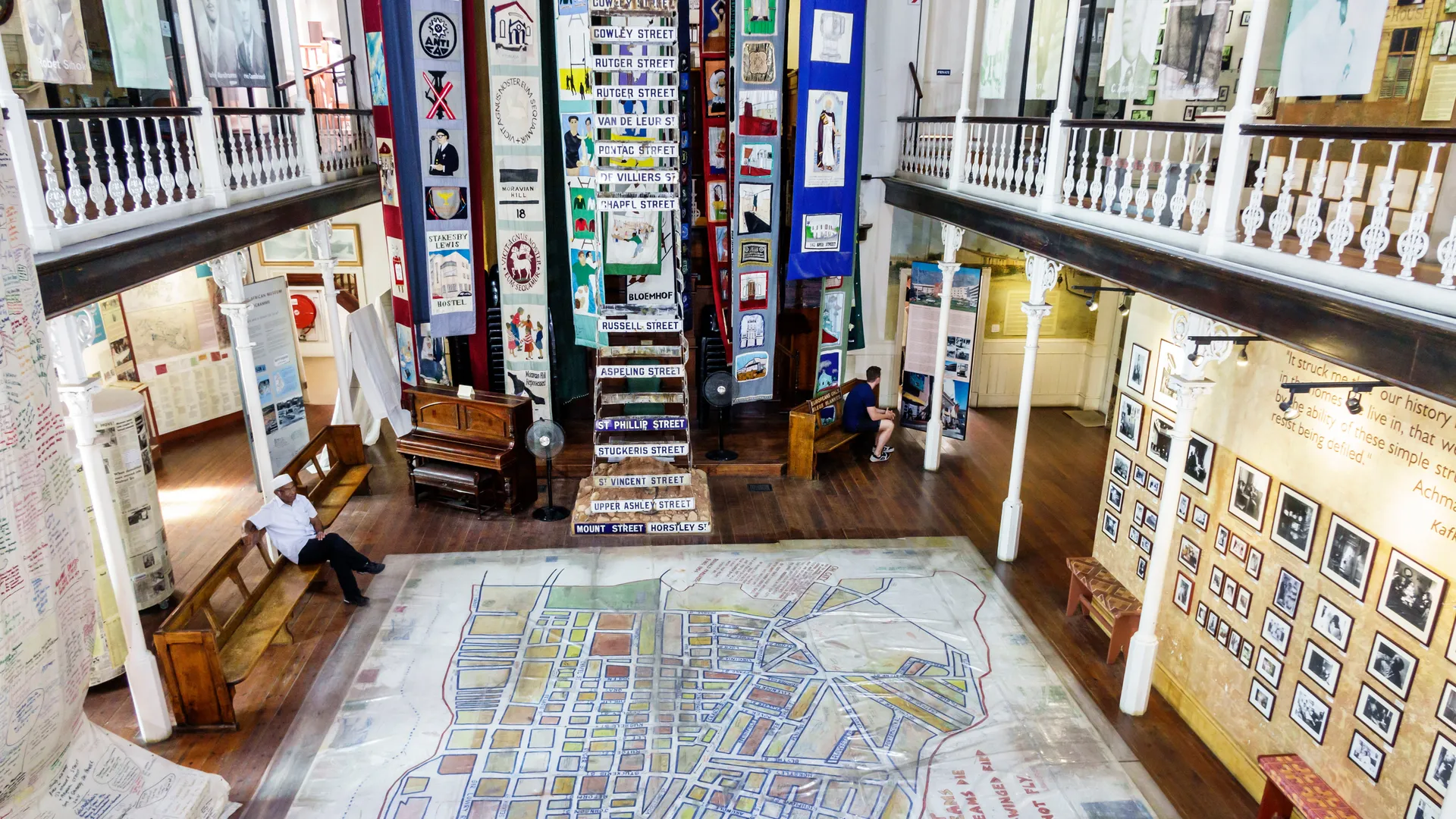
Entire communities were forcibly removed from their homes. One of the most devastating examples was District Six. District Six was a vibrant, multicultural neighbourhood close to the centre of Cape Town. For many years, it was home to a diverse community of Black, Coloured, Indian, and white residents who lived, worked, and worshipped together. The area was well known for its rich culture, music, small businesses, and strong sense of community.
In 1966, under the apartheid government’s Group Areas Act, District Six was declared a “whites-only” area. Over the next 15 years, more than 60,000 residents were forcibly removed from their homes. Families received eviction notices, and many were given little choice but to leave. They were relocated to housing estates on the Cape Flats, often many kilometres away from their jobs, schools, friends, and places of worship.
The removals were devastating. Homes, churches, mosques, schools, and businesses were bulldozed, leaving much of District Six as an empty wasteland. Families lost not only their homes but also their close-knit communities, livelihoods, and cultural identity. Many experienced poverty, overcrowding, and long daily journeys to work after being relocated.
Today, District Six stands as a powerful symbol of the injustice of apartheid. The District Six Museum preserves the memories of those who lived there and tells the story of the forced removals. Since the end of apartheid, some former residents and their descendants have been able to return through land restitution programmes, although rebuilding the community has been a slow process.
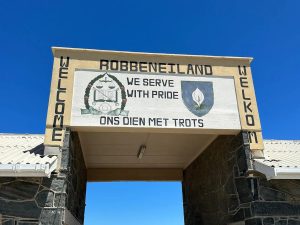
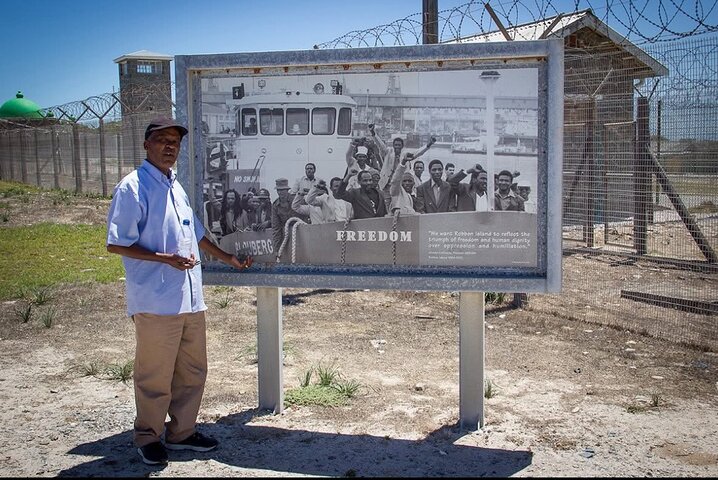
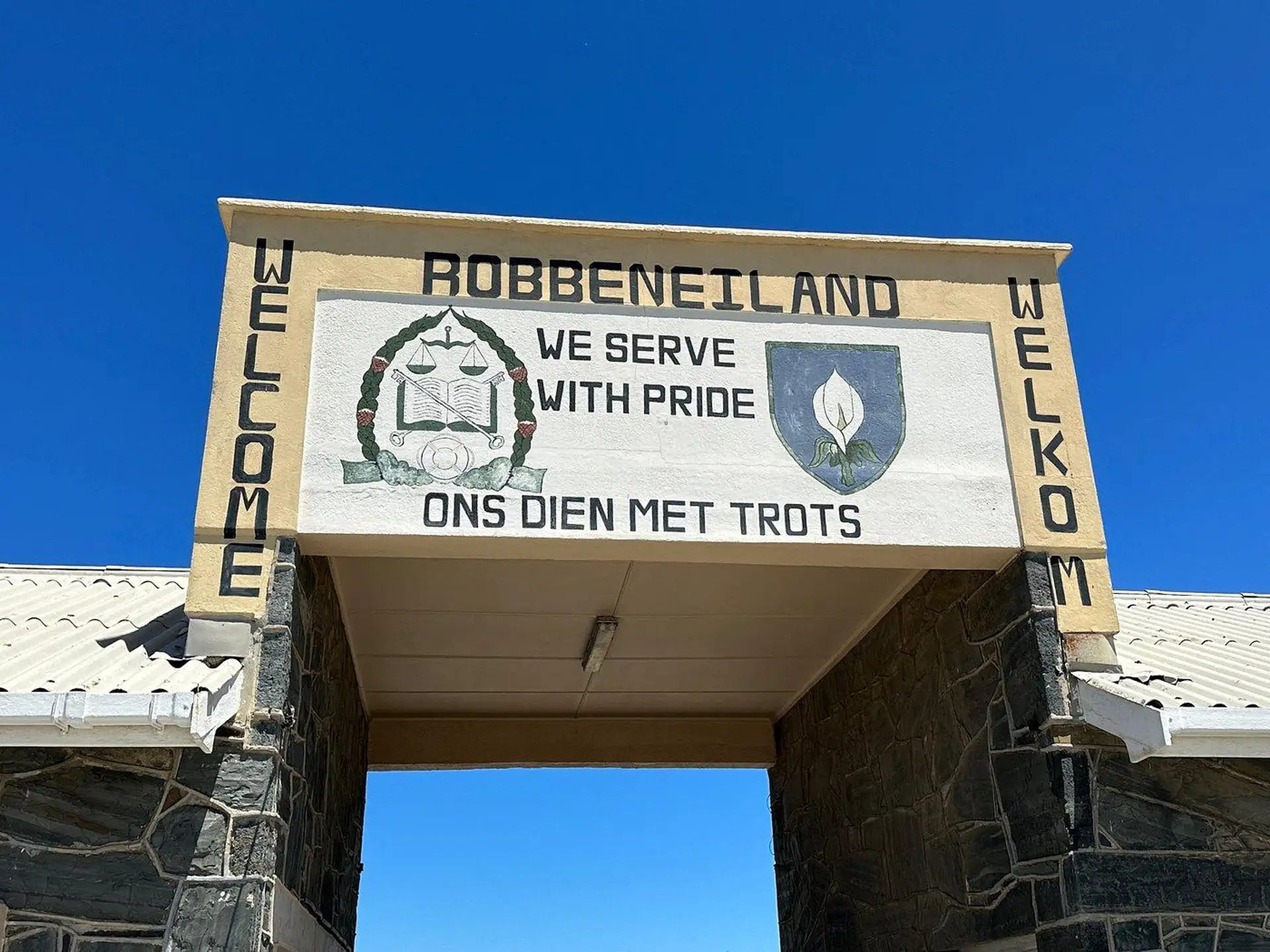
Robben Island is an island about 7 kilometres off the coast of Cape Town. During apartheid, it became South Africa’s most notorious prison for political prisoners who opposed the government’s system of racial segregation.
Nelson Mandela was imprisoned on Robben Island from 1964 to 1982, serving 18 of his 27 years in prison there. Alongside other anti-apartheid leaders, including Walter Sisulu and Govan Mbeki, Mandela was held in harsh conditions. Prisoners slept in small cells, received limited food, and were forced to perform hard labour in a limestone quarry. They were allowed very few visitors and could send or receive only a limited number of letters each year.
Despite these harsh conditions, many prisoners continued to educate themselves and each other. They secretly discussed politics, history, law, and economics, earning Robben Island the nickname “the University of Robben Island.” Their determination and resilience helped strengthen the struggle against apartheid.
When apartheid ended, Robben Island was transformed from a symbol of oppression into one of hope, freedom, and reconciliation. In 1999, it was declared a UNESCO World Heritage Site because of its historical importance.
02 Robben Island
Today, Robben Island is a museum that welcomes thousands of visitors from around the world, every year. Many of its tour guides are former political prisoners who share their personal experiences, helping visitors understand the sacrifices made by those who fought for democracy and equality in South Africa.
Democracy and a New Beginning

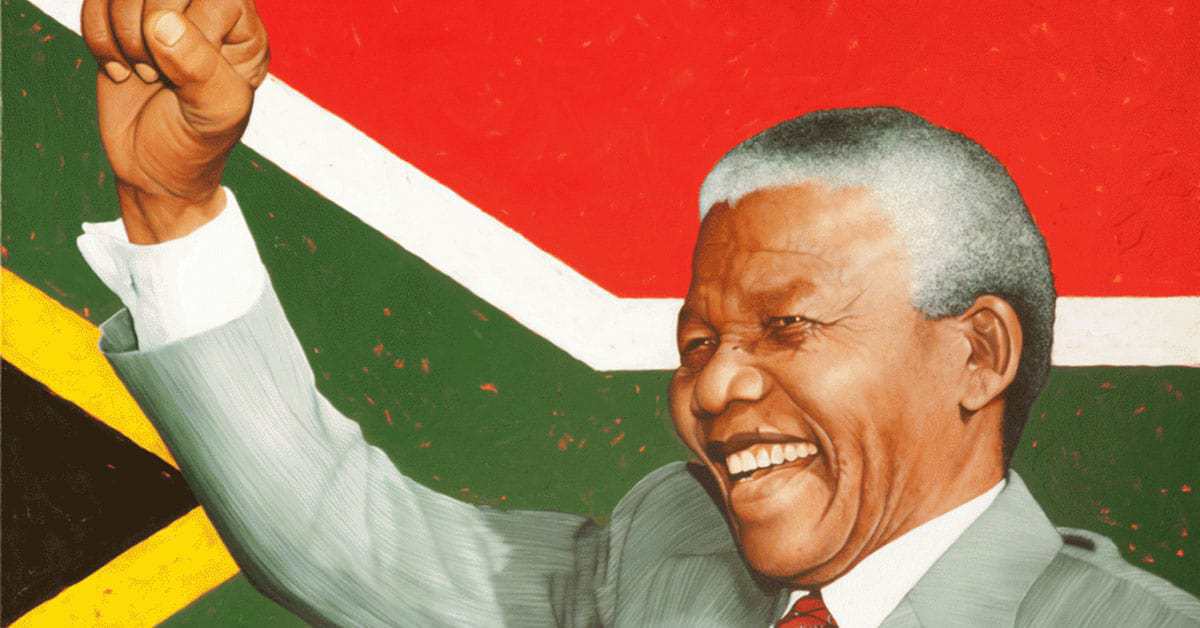
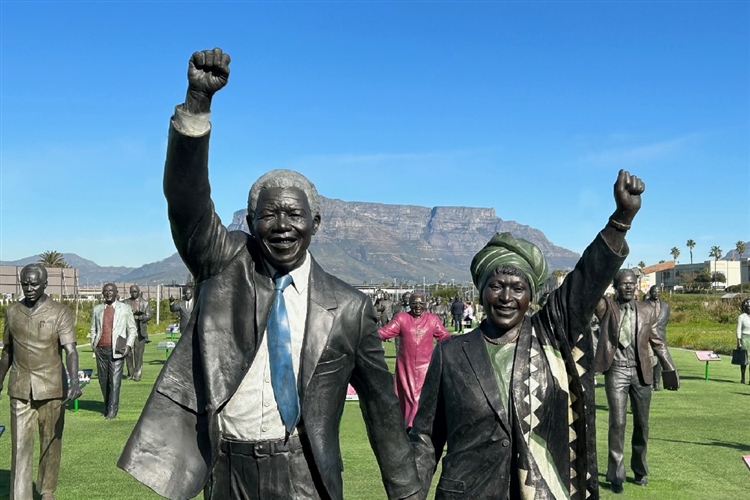
South Africa’s first democratic elections took place from 26–29 April 1994 and marked the end of apartheid. For the first time in the country’s history, all South Africans aged 18 and over, regardless of race, were allowed to vote. Millions of people queued for hours, and in some places days, to cast their ballots in what became a powerful symbol of freedom and equality. The election was won by Nelson Mandela and the African National Congress (ANC), and on 10 May 1994, Nelson Mandela was inaugurated as South Africa’s first democratically elected President.
The elections had a profound impact on Cape Town. As the country’s legislative capital, Cape Town became the home of South Africa’s new democratic Parliament, where leaders from all races worked together to build a new constitutional democracy. The city became a symbol of reconciliation and hope, welcoming visitors from around the world who wanted to experience the birthplace of South Africa’s peaceful transition to democracy.
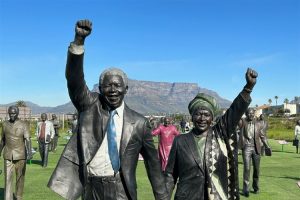
The end of apartheid also brought significant social and economic changes to Cape Town. Laws enforcing racial segregation were abolished, allowing people to live, work, and travel freely throughout the city. Tourism grew rapidly as South Africa rejoined the international community, creating new jobs and investment. Historic sites such as Robben Island, where Nelson Mandela had been imprisoned, and District Six Museum became important places of remembrance and education, attracting visitors from around the world.
Although the first democratic elections brought freedom, equality before the law, and new opportunities, Cape Town, like the rest of South Africa, continues to face challenges such as poverty, unemployment, housing shortages, and inequality. Even so, the 1994 elections remain one of the most important milestones in the country’s history, representing the triumph of democracy over apartheid and the beginning of a new era of hope and nation-building.
Today, the city celebrates its diversity through festivals, art, cuisine, music, and cultural heritage. Visitors can experience influences from African, European, Asian, and Middle Eastern traditions, all within a remarkably compact city.
Cape Town Today
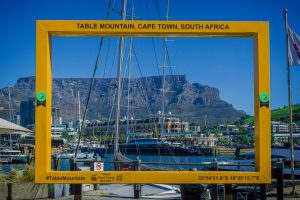
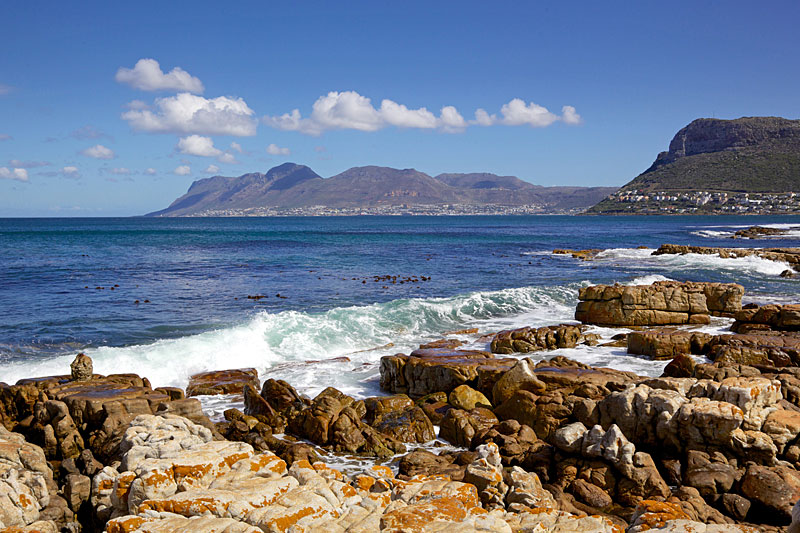
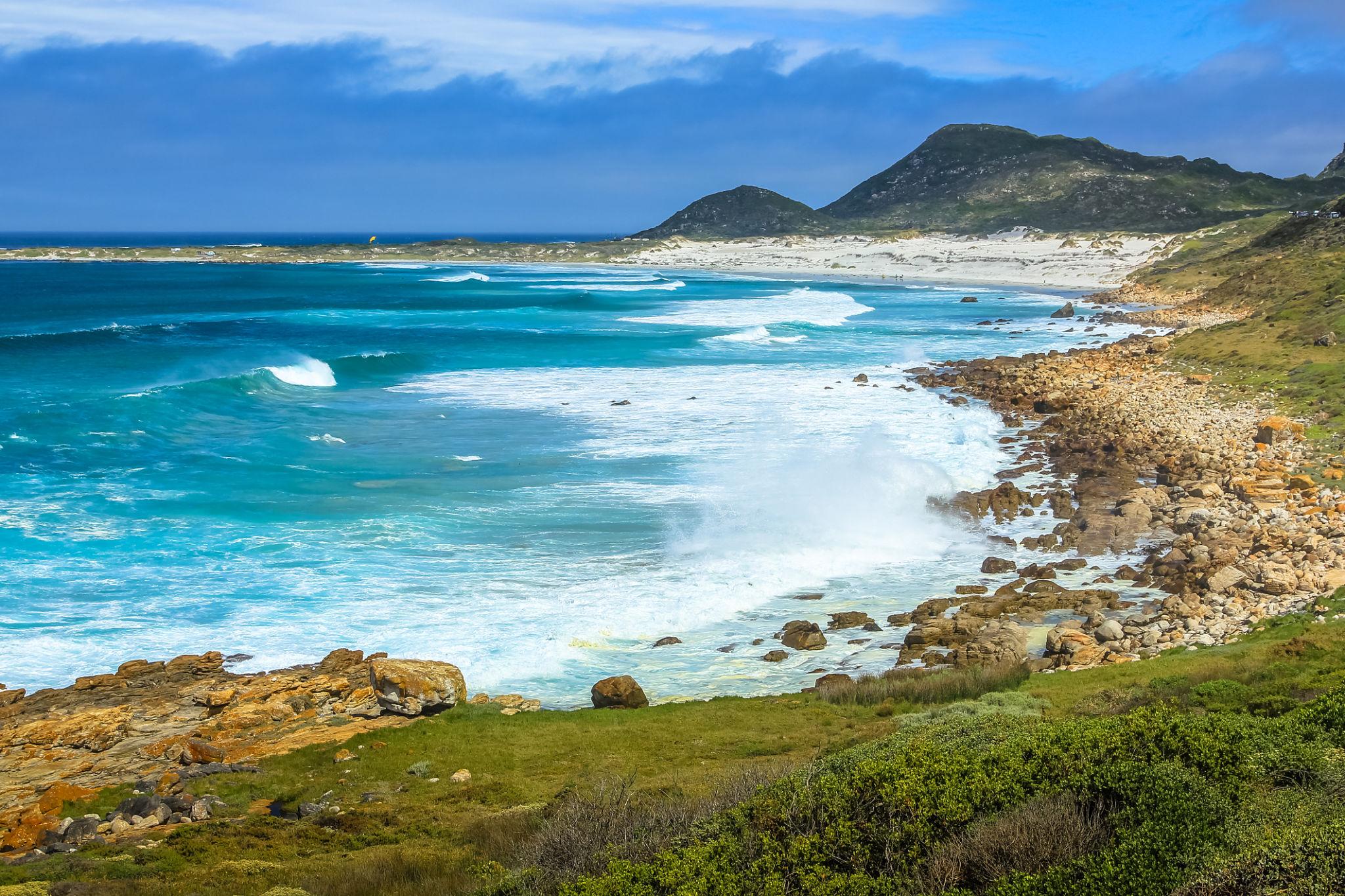
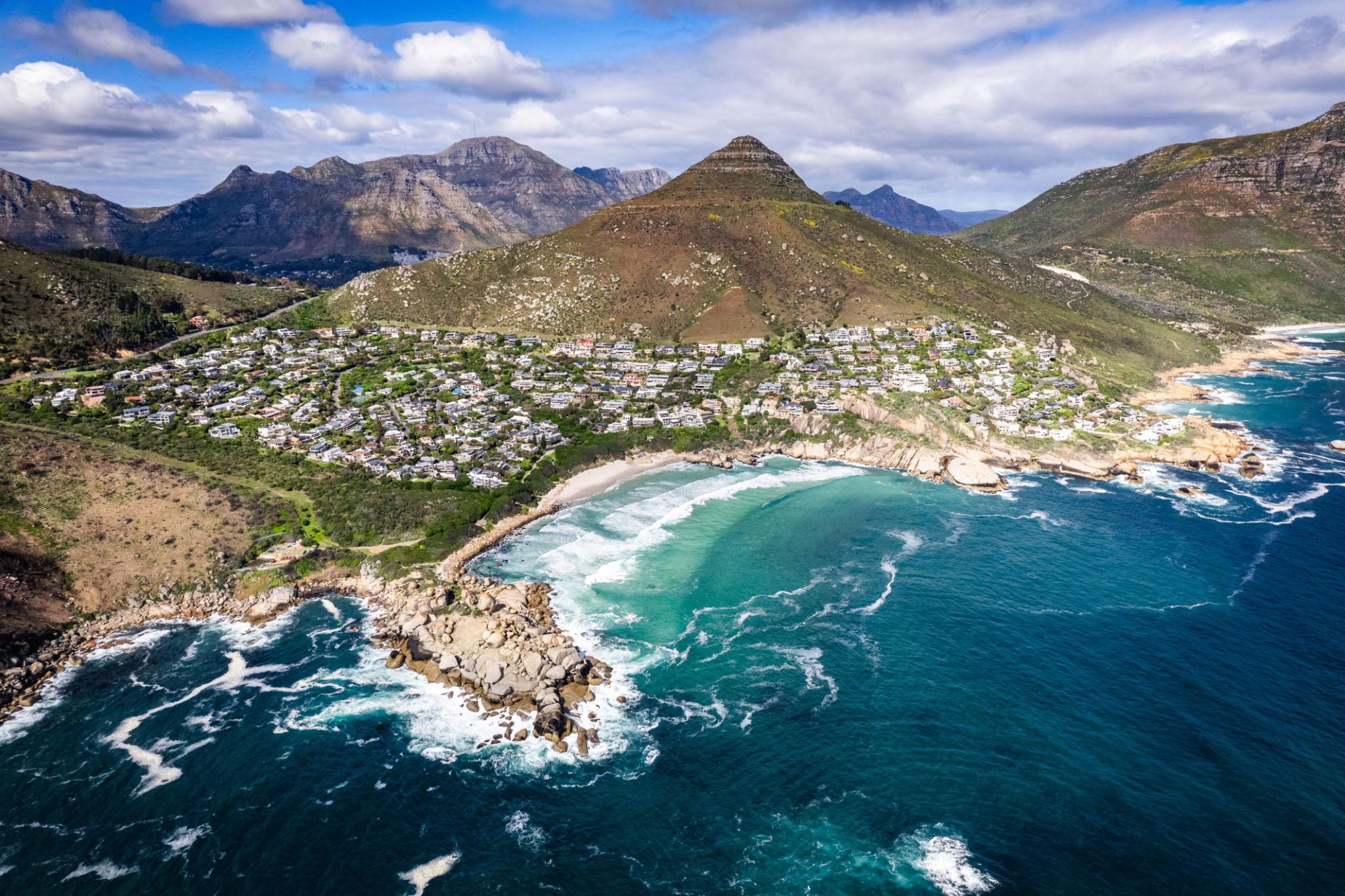
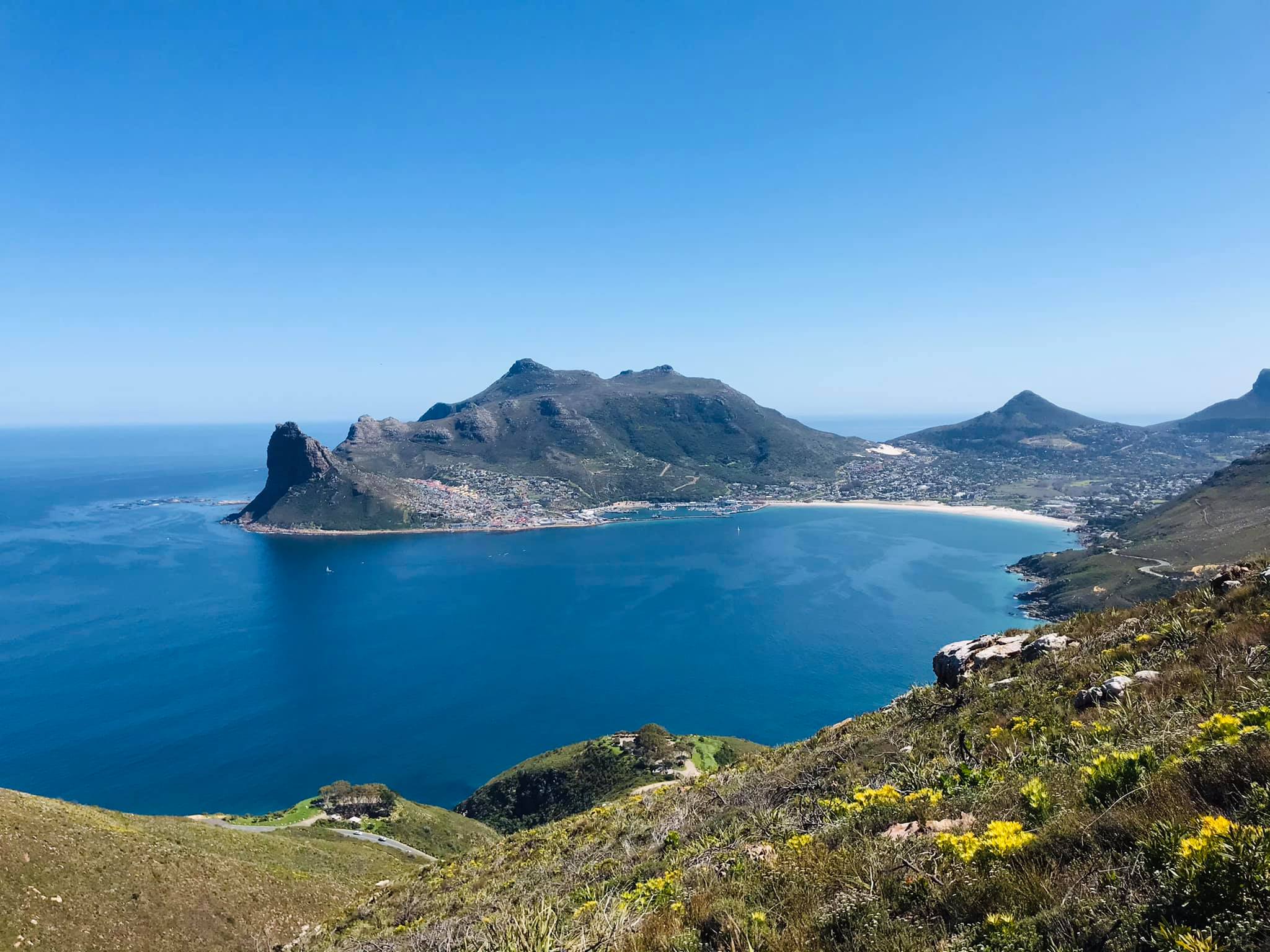
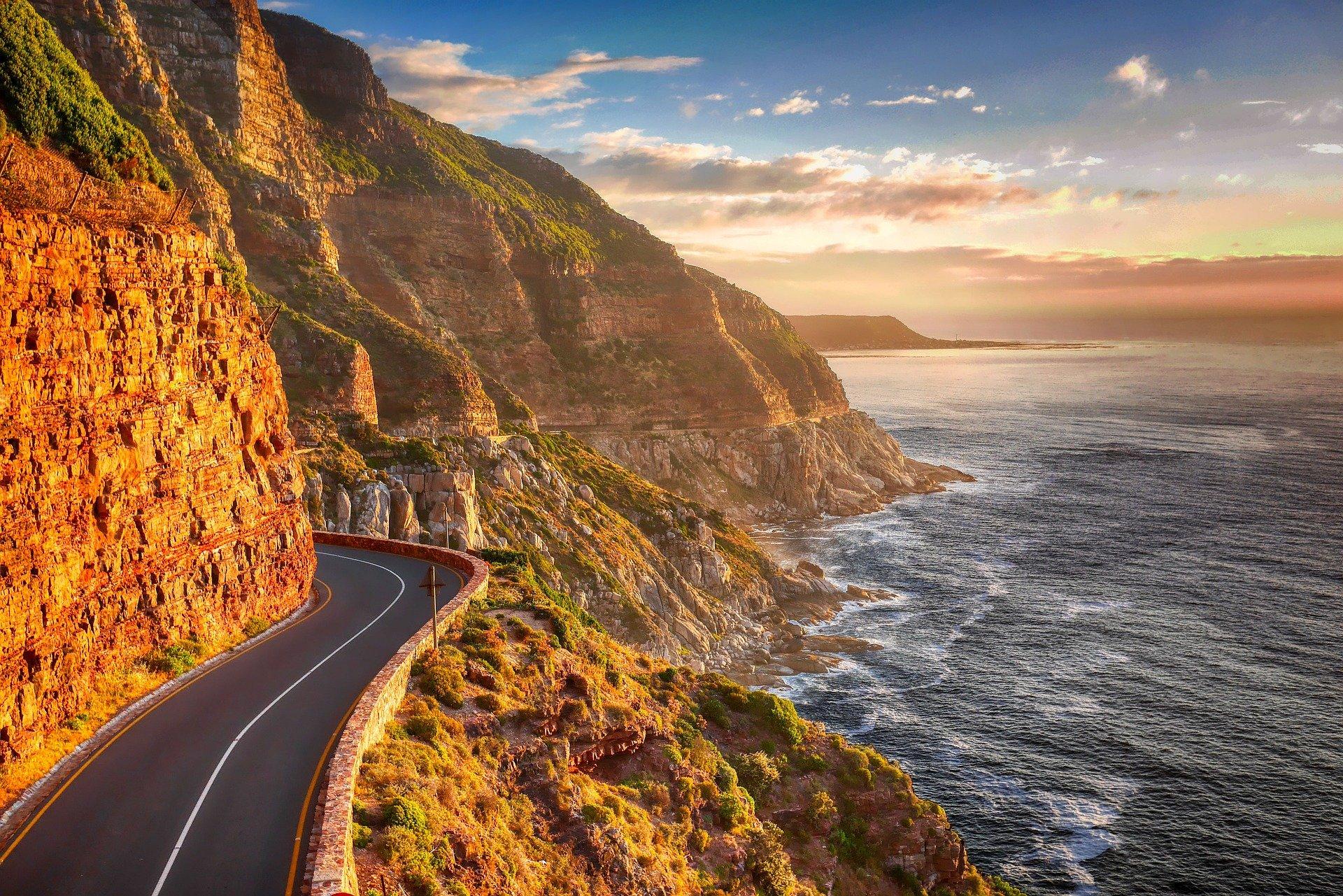
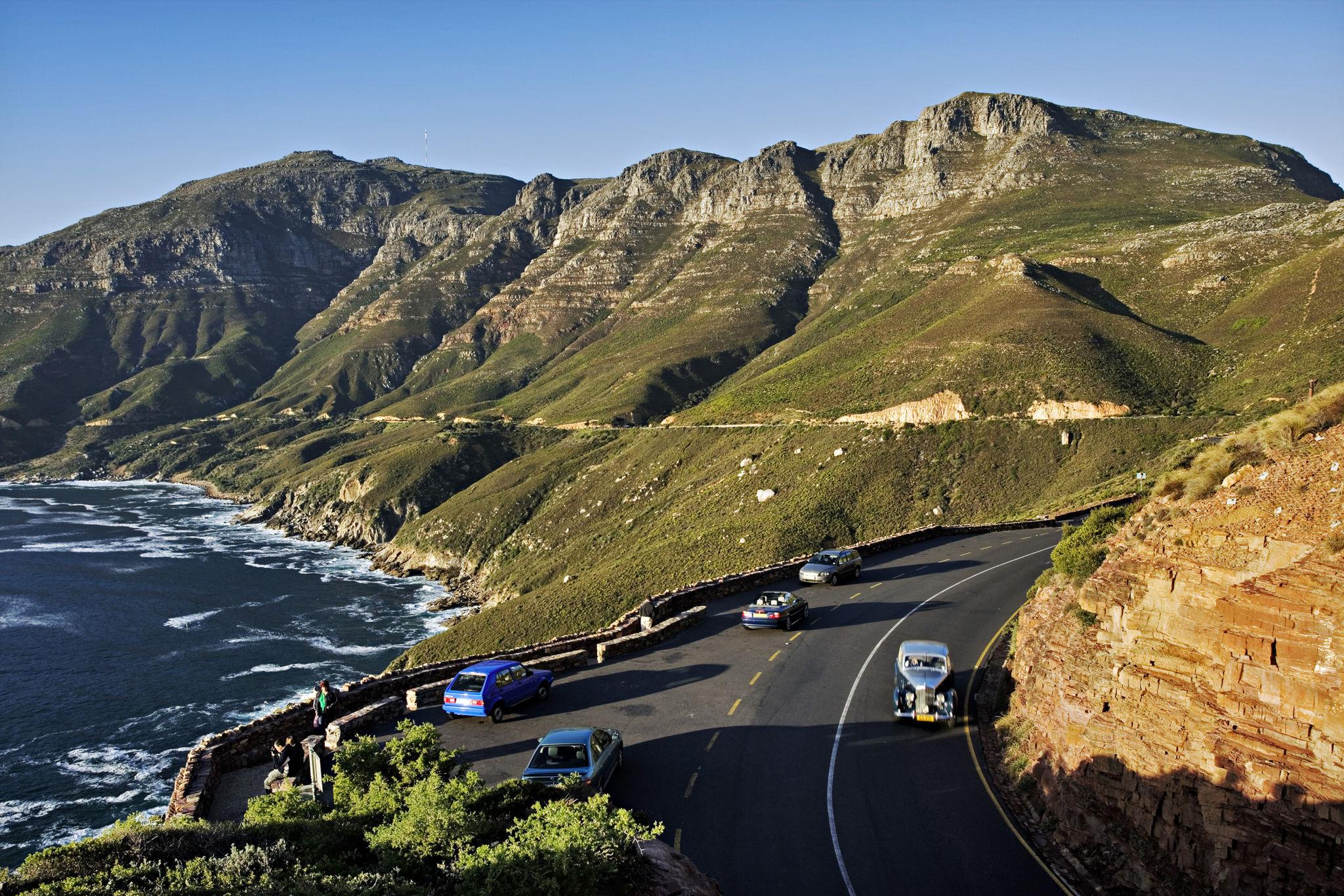
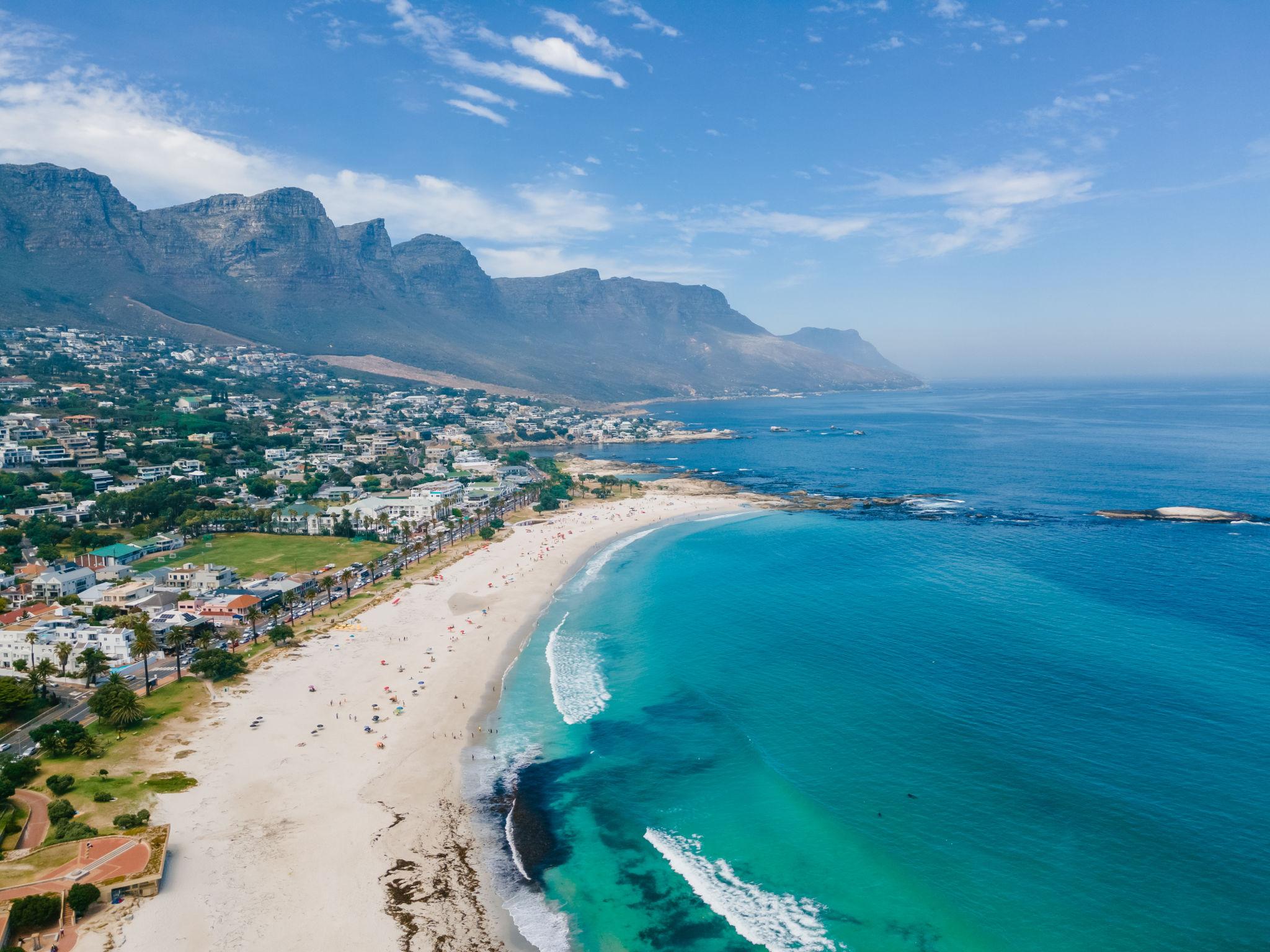
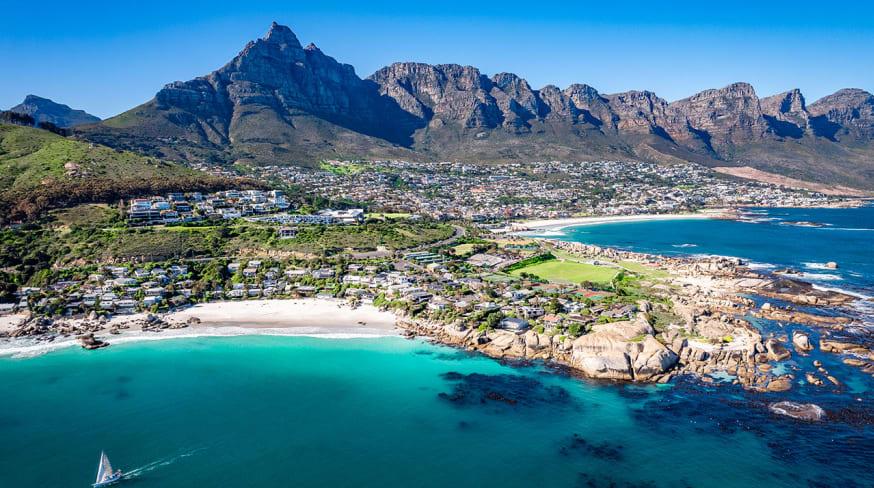
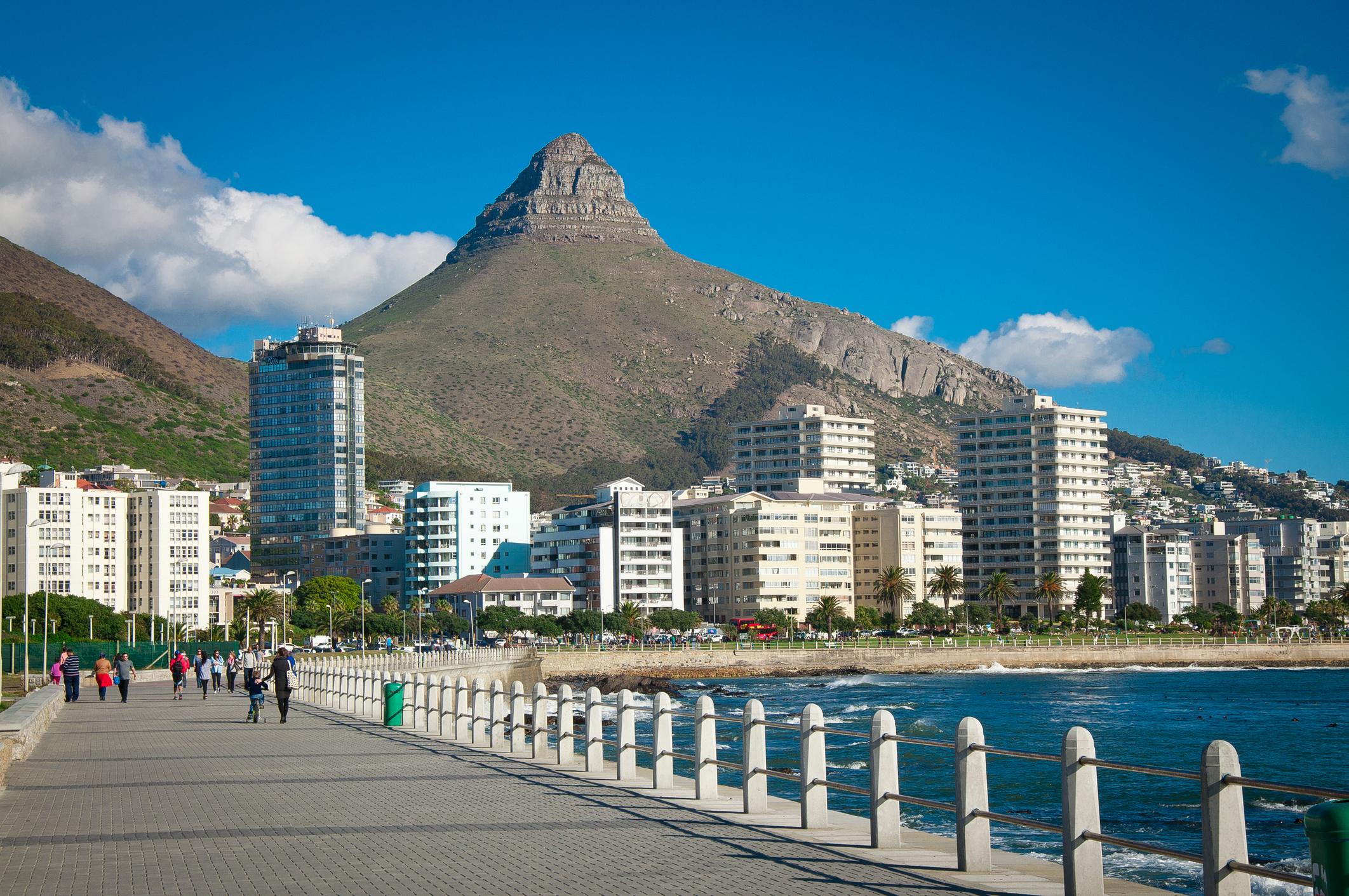
Cape Town is South Africa’s oldest city and one of the world’s most spectacular coastal destinations, renowned for its dramatic natural setting, rich cultural heritage, and vibrant urban lifestyle. Nestled between the iconic Table Mountain and the Atlantic Ocean, the city combines historic landmarks, modern architecture, pristine beaches, and internationally acclaimed food and wine experiences.
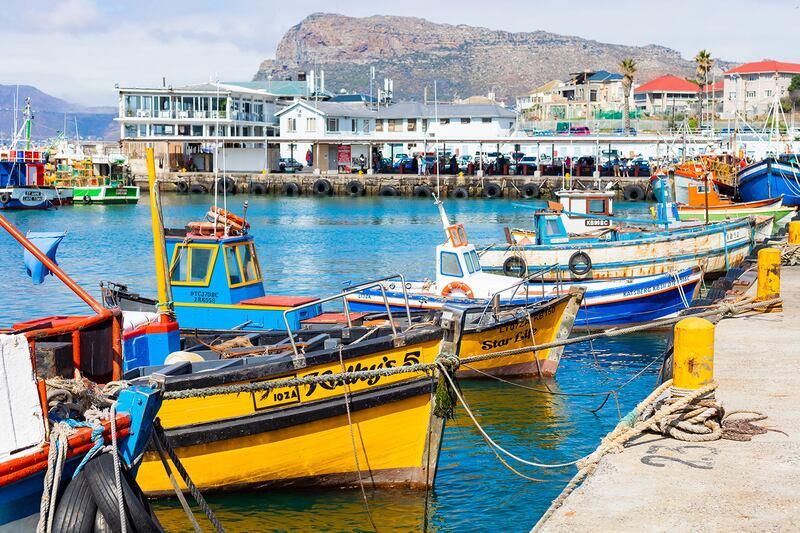
As the legislative capital of South Africa, Cape Town is home to the Parliament of South Africa and serves as the political heart of the nation. It is also the economic hub of the Western Cape, with thriving industries in tourism, finance, technology, creative arts, film production, and maritime services. The city’s harbour remains one of Africa’s busiest ports, while its growing innovation and startup sector has earned it the nickname “Africa’s Silicon Cape.”
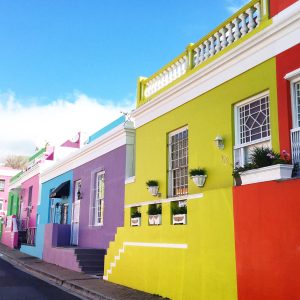
Cape Town is celebrated for its cultural diversity. Historic neighbourhoods such as Bo-Kaap reflect the city’s Cape Malay heritage, while museums, galleries, theatres, and music festivals showcase influences from African, European, and Asian traditions. The city’s culinary scene ranges from world-class fine dining to vibrant local markets, complemented by nearby wine estates in regions such as Stellenbosch, Franschhoek, Paarl and Constantia.
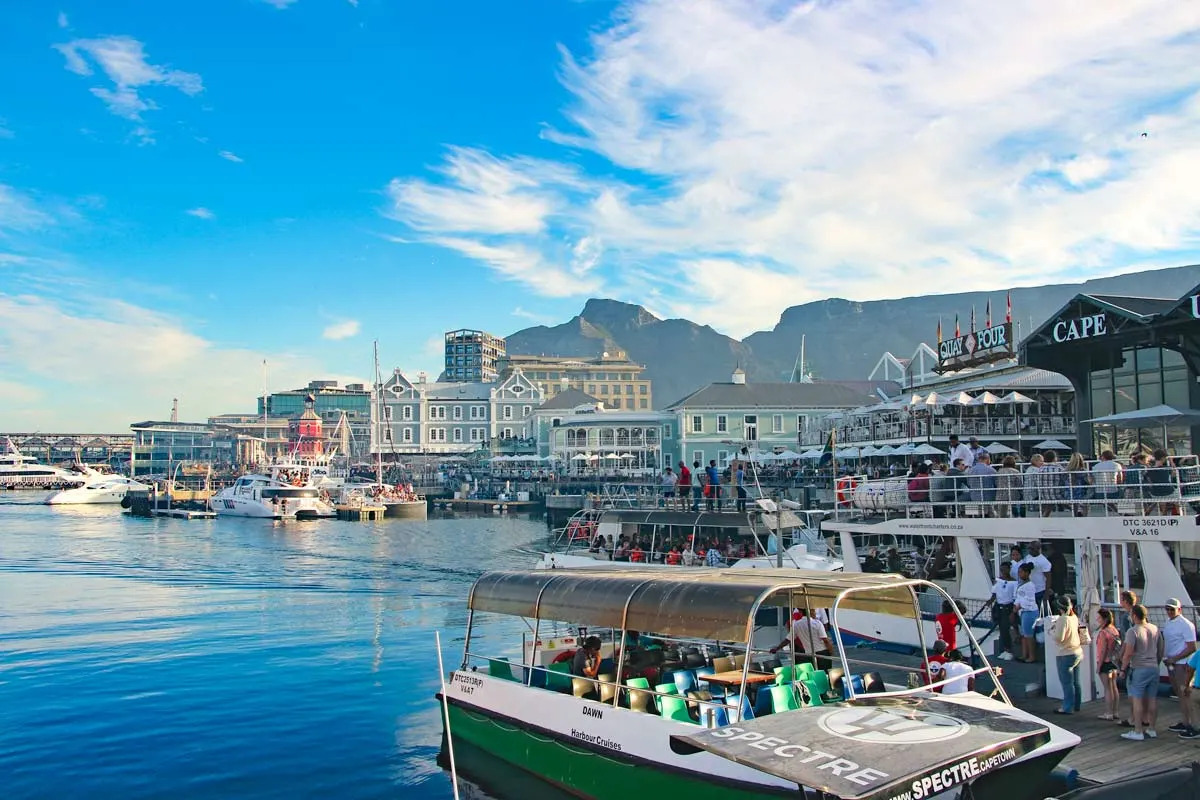
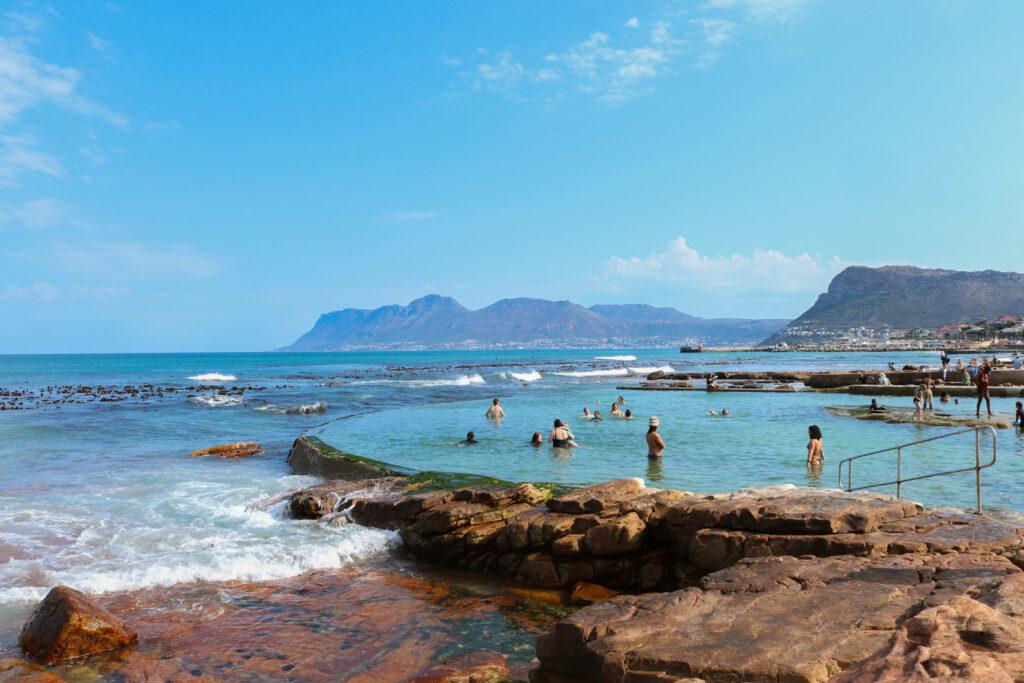
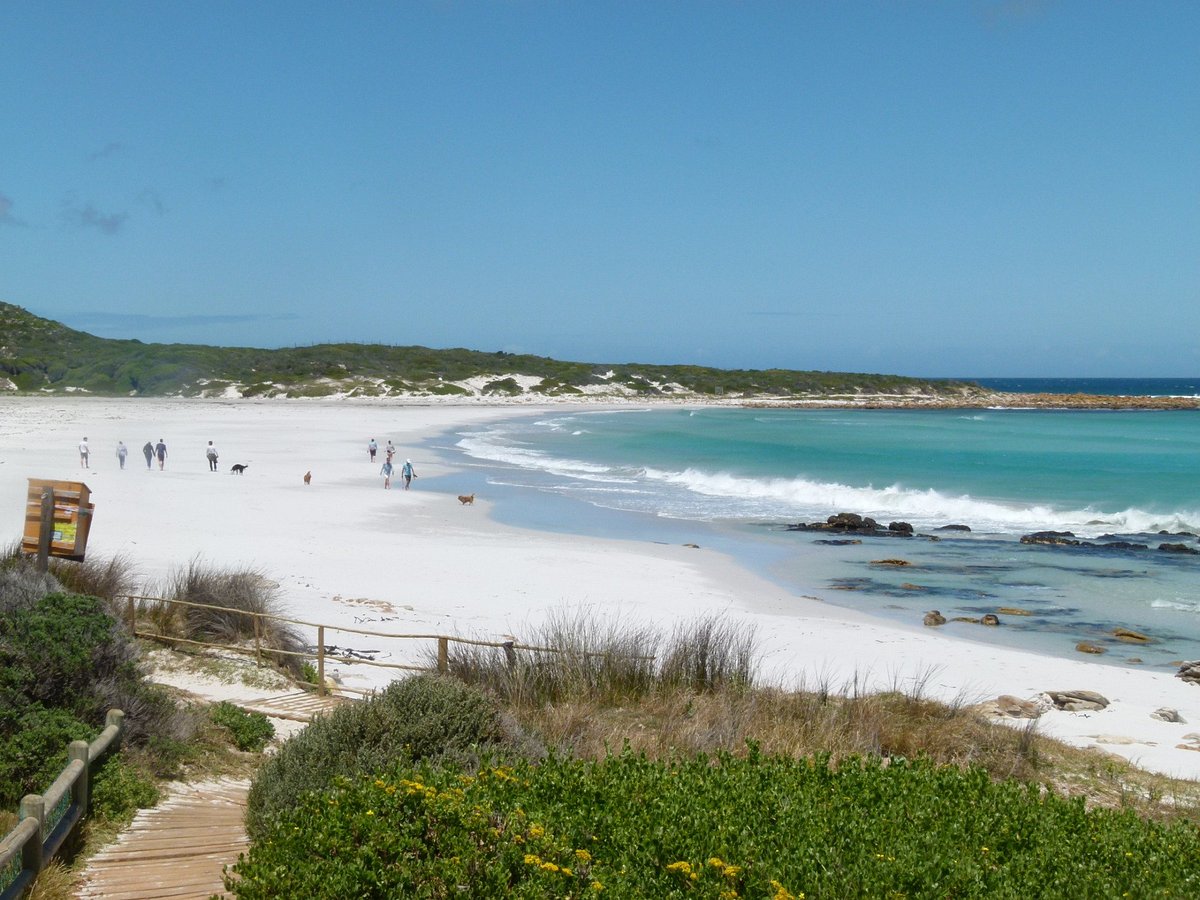
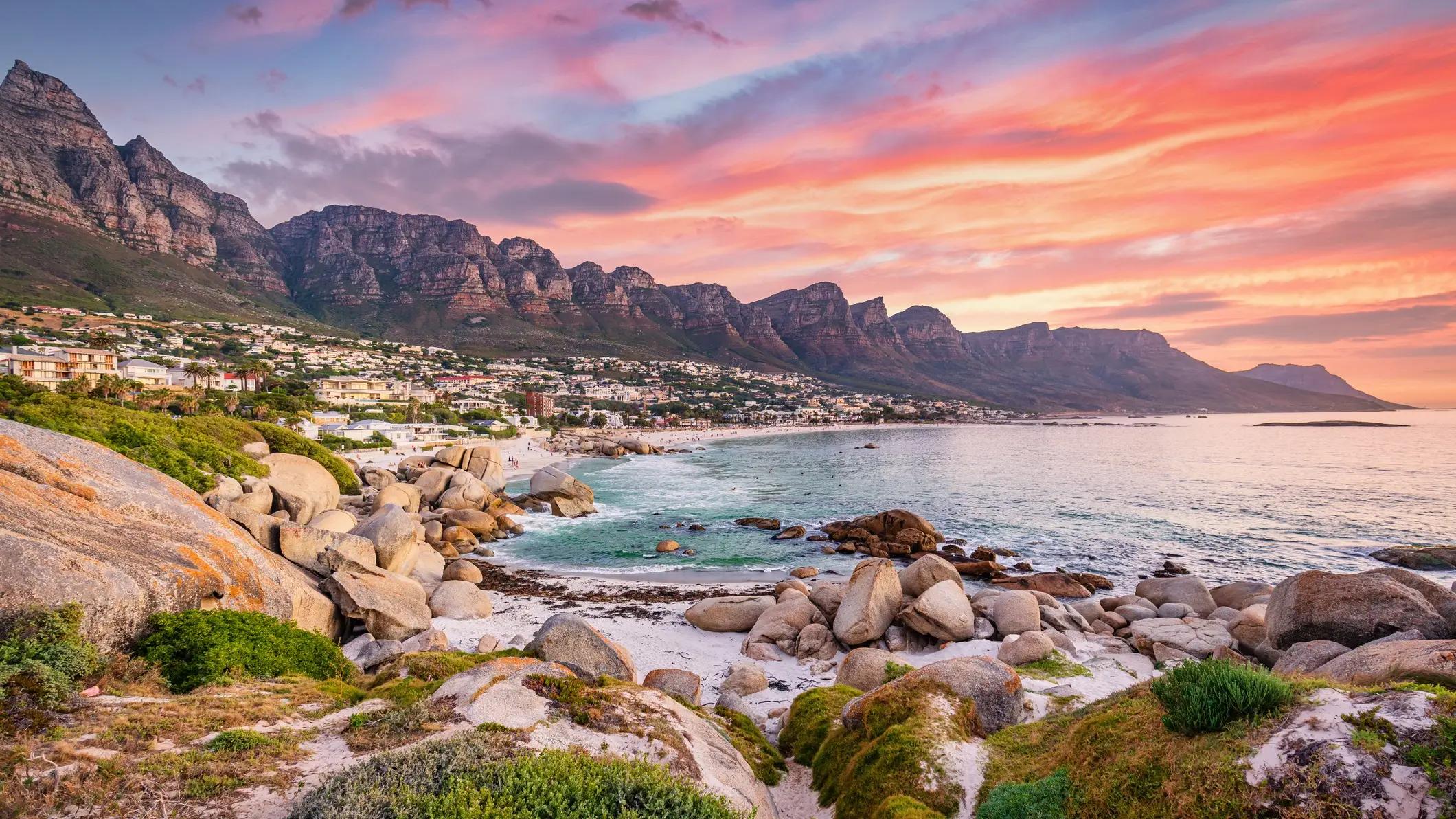
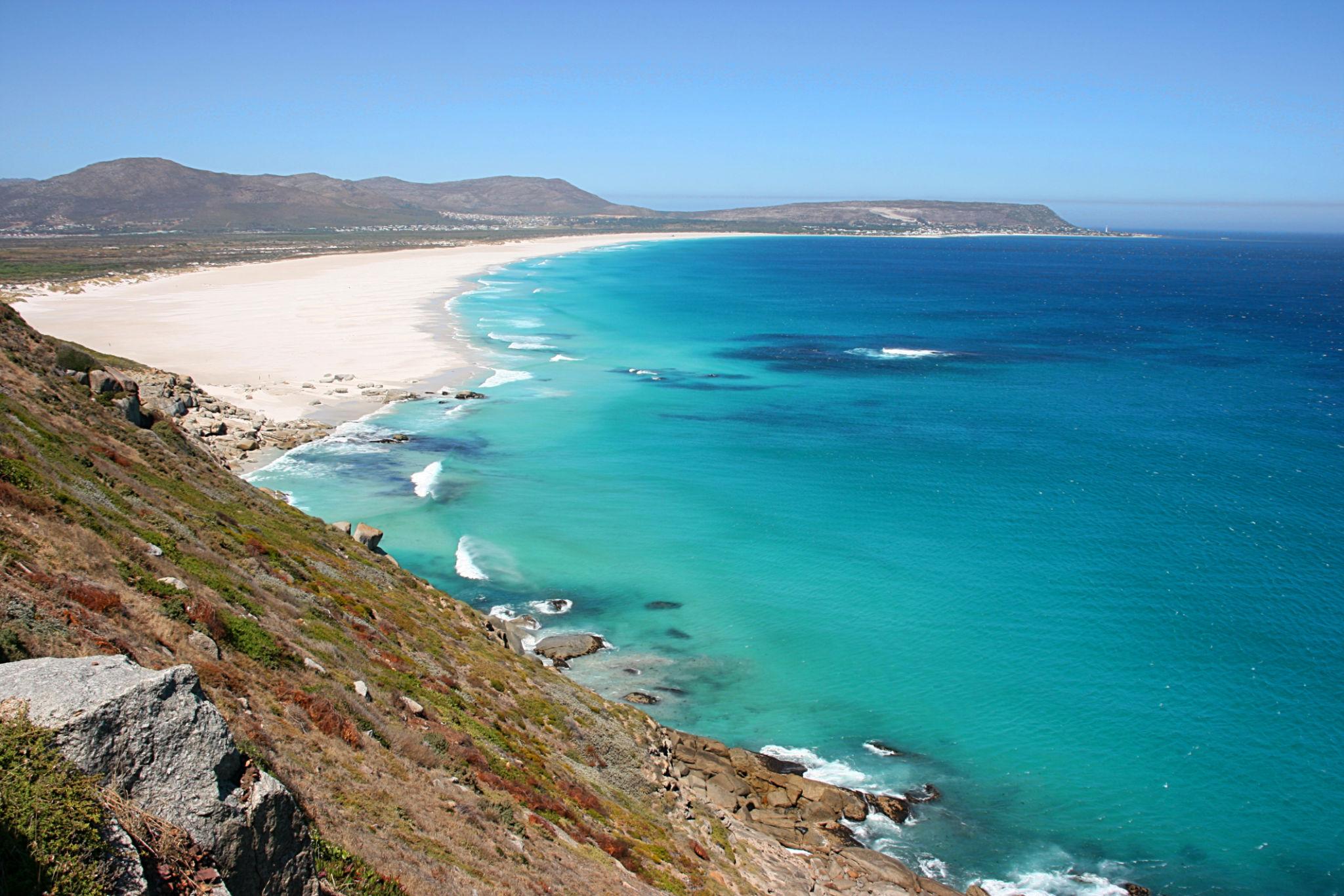
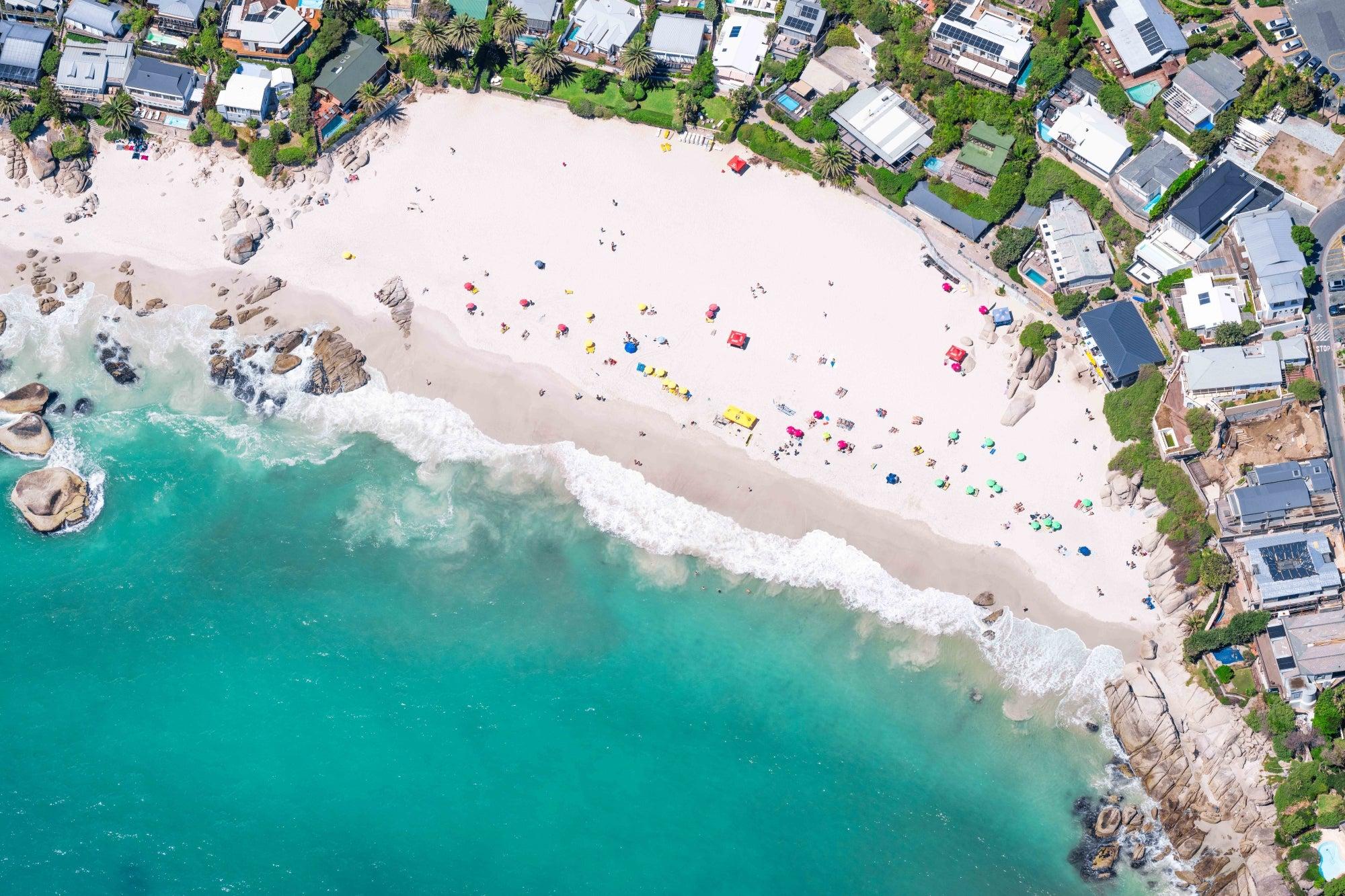
Outdoor recreation is central to life in Cape Town. Residents and visitors enjoy hiking, mountain biking, surfing, sailing, whale watching, and visiting famous beaches such as Camps Bay, Clifton Beaches, and Boulders Beach, home to a colony of African penguins. Nearby attractions include Cape Point, Robben Island, and the V&A Waterfront, one of Africa’s most visited destinations.
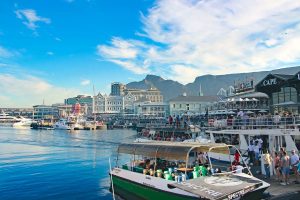
Today, Cape Town is home to more than five million people and is consistently ranked among the world’s most beautiful cities. While it continues to face challenges such as housing inequality, traffic congestion, and the legacy of apartheid-era spatial planning, it is also recognised for its resilience, environmental conservation, entrepreneurial spirit, and exceptional quality of life. Cape Town remains a city where history, natural beauty, and modern innovation come together, making it one of Africa’s most distinctive and globally connected destinations.
Final Reflections
Every street in Cape Town tells a story.
From the footsteps of the Khoikhoi and San peoples to the voyages of Portuguese explorers, from Dutch settlers and British administrators to freedom fighters who reshaped a nation, the city reflects centuries of triumph, hardship, resilience, and renewal.
For travellers, understanding Cape Town’s history transforms every visit. Table Mountain becomes more than a scenic backdrop. The Castle of Good Hope, Company’s Garden, District Six, Bo-Kaap, and Robben Island become chapters in a living story that continues to evolve.
Cape Town is not simply South Africa’s oldest city. It is a place where the past remains visible, the present is vibrant, and the future continues to unfold beneath one of the world’s most iconic mountains.