The 15 Best Wine Tasting Experiences in the Cape Winelands
The Cape Winelands are packed with beautiful estates, but the very best tasting experiences combine three things: excellent wines, memorable settings, and a tasting format that feels distinctive rather than generic. Across Stellenbosch, Franschhoek, and Paarl, these 15 Wine Estates stand out consistently with wine critics and local wine lovers whose passion are all about wine.
Stellenbosch Wine Region
1. Thelema Mountain Vineyards

A tasting at Thelema Mountain Vineyards is widely regarded as one of Stellenbosch’s classic wine experiences: understated, authentic, and completely focused on exceptional wine and breathtaking mountain scenery rather than flashy luxury.
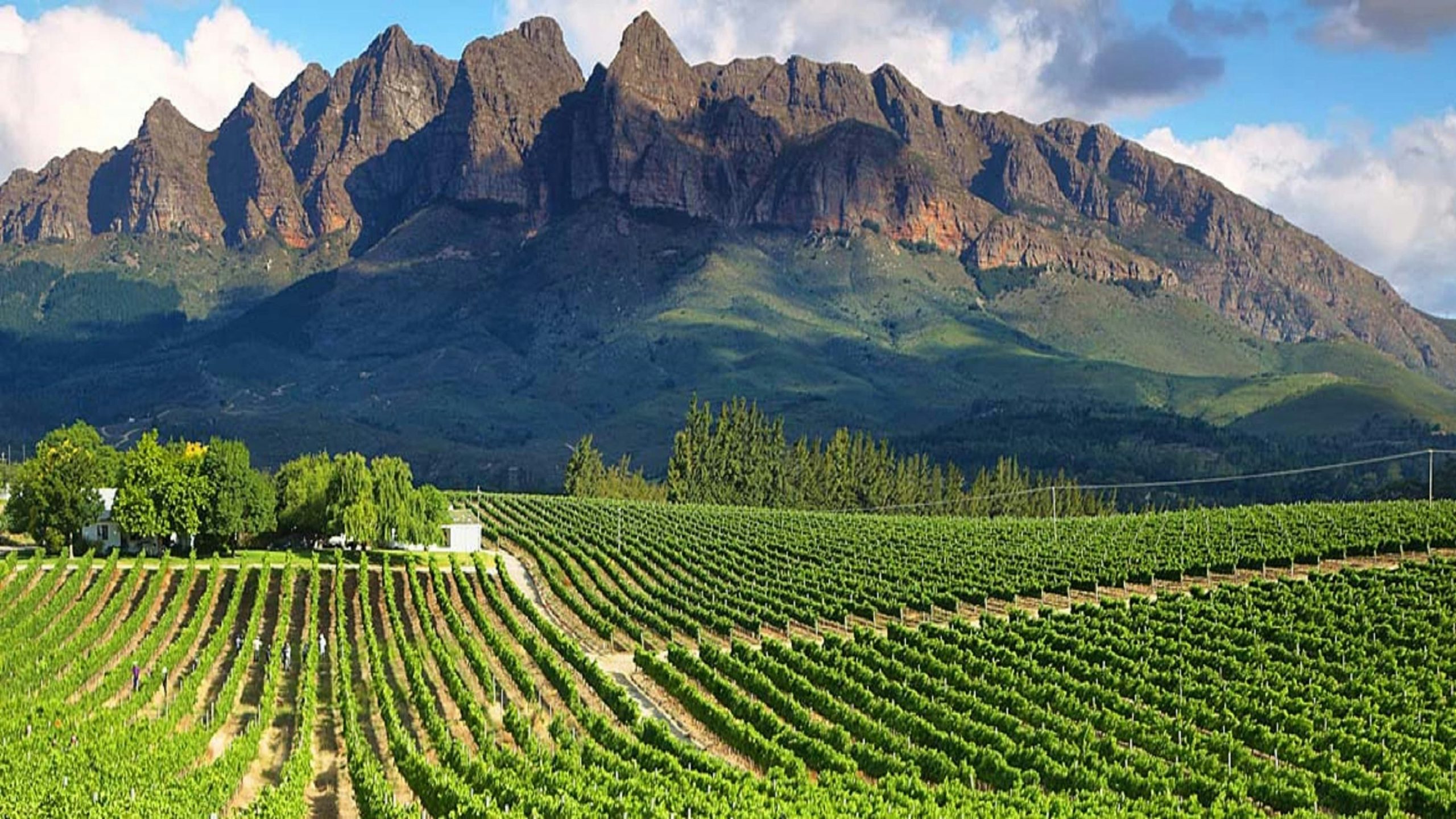
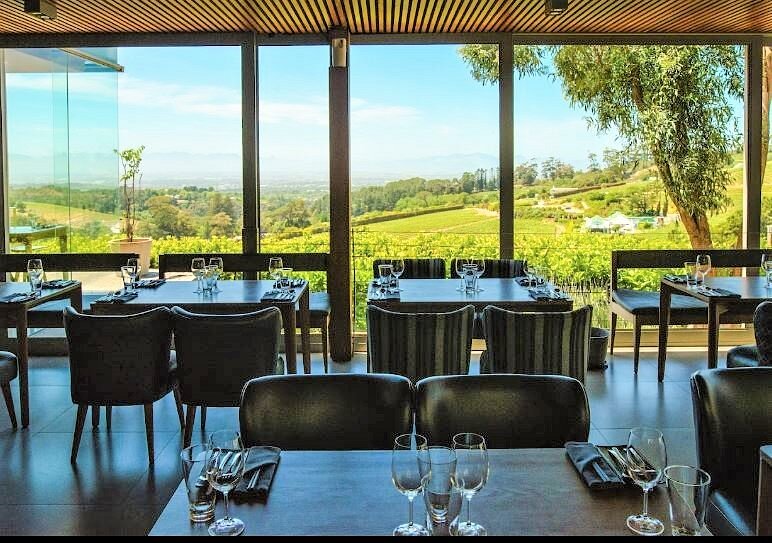
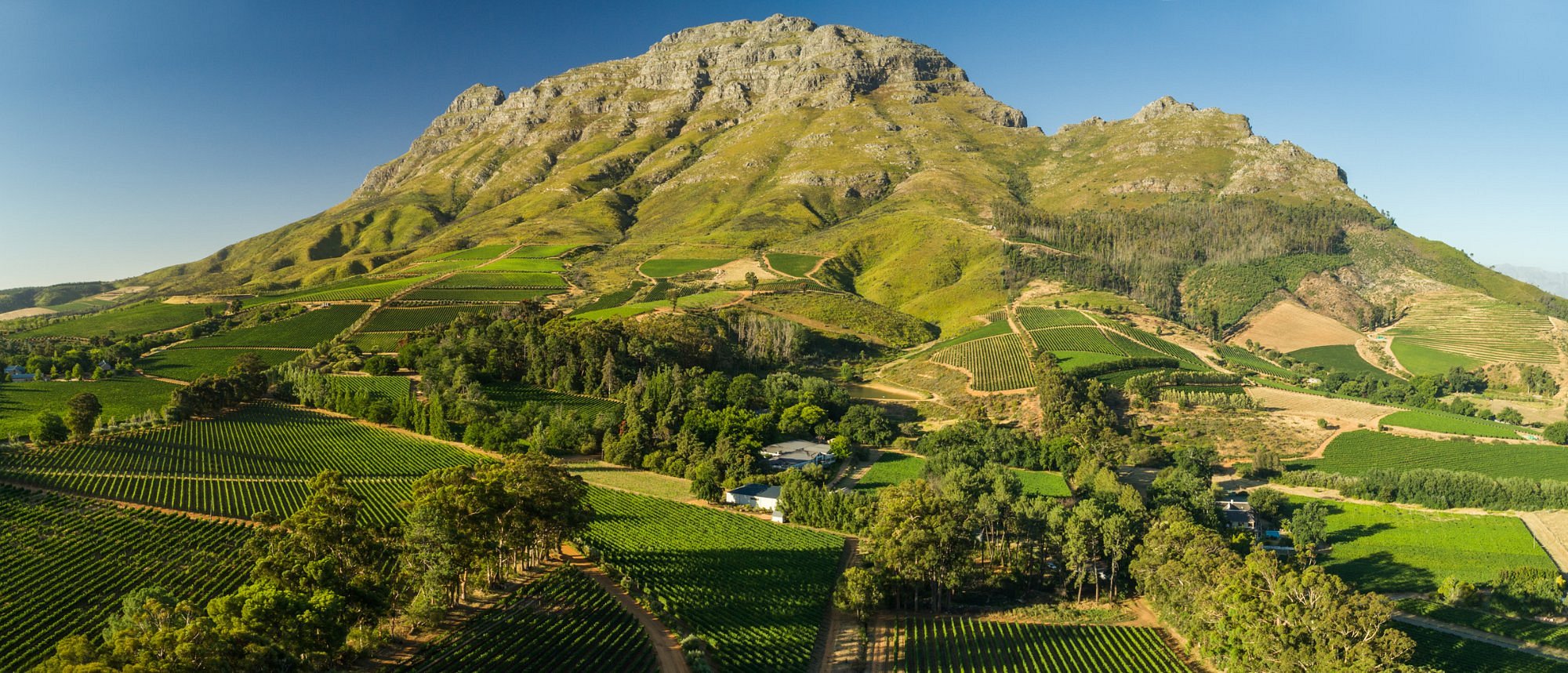
Perched high on the Helshoogte Pass in the Simonsberg Mountains, Thelema immediately feels different from many of the larger, more commercial estates. The setting is spectacular: dramatic mountain slopes, vineyards climbing the hillsides, cool mountain air, and panoramic valley views that change constantly with the light. The estate’s elevated position, among the highest in Stellenbosch, plays a major role in both the atmosphere and the wines themselves.
The tasting experience itself is elegant but refreshingly unpretentious. Rather than elaborate pairings or theatrical presentation, Thelema focuses on carefully guided tastings of wines that have earned the estate an international reputation for consistency and quality. Visitors can choose from:
- comparative tastings of Thelema and Sutherland wines,
- premium reserve tastings,
- or more focused flagship selections.
One of the most interesting aspects of the tasting is the comparison between the Stellenbosch-based Thelema wines and the cooler-climate Sutherland wines from Elgin. Guests are guided through how altitude, climate, and terroir shape the same varietals differently: an experience many visitors describe as surprisingly educational and accessible even for casual wine drinkers.

Thelema is especially famous for:
- Cabernet Sauvignon,
- Merlot,
- Shiraz,
- Chardonnay,
- and Bordeaux-style blends.
Its Cabernet Sauvignon is often considered one of the benchmark examples of Stellenbosch Cabernet, known for structure, dark fruit, mint notes, and ageing potential. The estate’s cool mountain slopes and red soils create wines with freshness and elegance rather than excessive ripeness.
The tasting room atmosphere tends to feel calm and intimate. Guests often sit on the veranda, creating a slower and more relaxed experience than some of the region’s busier wine destinations. People frequently describe Thelema as:
- “relaxed and approachable,”
- “beautiful without being pretentious,”
- and a place where the wine remains the main attraction.
Unlike estates heavily focused on food tourism, Thelema intentionally keeps things simpler. There is no large restaurant complex on-site, which actually contributes to the estate’s quieter and more wine-centric identity. Many visitors combine a tasting at Thelema with lunch at nearby estates like Delaire Graff or Tokara along the Helshoogte Pass.
What many wine enthusiasts appreciate most is the authenticity of the experience. Thelema has remained family-owned for decades under the Webb family, and the estate has earned a reputation for consistency, traditional craftsmanship, and serious winemaking rather than trend-driven marketing.
The overall feeling at Thelema Mountain Vineyards is peaceful, scenic, and deeply rooted in classic Stellenbosch wine culture: a place where mountain terroir, elegant Cabernet, and genuine hospitality create a tasting experience that feels timeless rather than fashionable.
The tasting style itself is typically:
- seated and unhurried,
- hosted by knowledgeable staff,
- conversational rather than scripted,
- focused on explaining vineyard conditions and winemaking.
Thelema is often preferred by people who care most about the actual wines and a quieter atmosphere. Thelema is regularly mentioned alongside top Stellenbosch producers for wine quality.
If you enjoy traditional Bordeaux-style reds and want a tasting that feels authentic rather than theatrical, Thelema is one of the strongest experiences in Stellenbosch.
2. Delaire Graff Estate

The wine tasting experience at Delaire Graff Estate is less like visiting a traditional winery and more like entering a luxury resort built around wine, art, scenery, and hospitality. It’s one of the most polished and visually spectacular wine experiences in South Africa.
From the moment you arrive on the Helshoogte Pass, the estate feels cinematic: dramatic mountain views, terraced vineyards, contemporary African art, sculpture gardens, manicured landscaping, and architecture designed to frame the valley below. Many visitors describe it as the most beautiful estate they visited in the Cape Winelands.
The tasting itself is usually conducted on an elegant terrace or inside a sleek contemporary tasting lounge overlooking the Banghoek and Franschhoek valleys. The atmosphere is refined and luxurious, but generally not stiff or intimidating. The staff are known for being highly trained, attentive, and knowledgeable about both the wines and the estate history.
Multiple reviews specifically praise how engaging and educational the hosts are without becoming overly formal.
What makes Delaire Graff different from many Stellenbosch estates is that the experience is intentionally multi-sensory:
- world-class scenery,
- curated contemporary art,
- luxury hospitality,
- premium food,
- and high-end wines are all integrated together.
You’re not just tasting wine: you’re immersed in a luxury environment designed around aesthetics and comfort. Recent travel reviews repeatedly describe it as “European top class” and “a feast for the senses.”

The wines themselves lean toward elegant premium Stellenbosch expressions:
- Cabernet Sauvignon,
- Cabernet Franc,
- Bordeaux-style blends,
- Chardonnay,
- Sauvignon Blanc,
- and a particularly well-liked Cabernet Franc Rosé.
Their premium and icon tastings are especially popular with serious wine enthusiasts because they include flagship reds and reserve wines hosted with more detailed cellar explanations. Lodge guests often receive upgraded or extended tastings, and some reviewers mention staff continuing to pour additional wines beyond the official lineup in a relaxed, generous way.

Food plays a major role in the experience. Unlike estates where tastings feel separate from dining, Delaire Graff is designed around lingering for hours:
- tasting first,
- then lunch,
- then walking the gardens,
- maybe finishing with dessert, coffee, or spa treatments.
The restaurants are considered among the best in the Winelands, and many travellers say lunch here becomes as memorable as the wine itself. Travellers frequently recommend booking lunch specifically because the daytime mountain views are such a big part of the experience.
The overall vibe is:
- glamorous,
- upscale,
- highly curated,
- scenic beyond belief,
- and ideal for people who want wine tasting to feel like a full luxury destination experience rather than simply a cellar visit.
If you only do one “wow-factor” wine estate in Stellenbosch, Delaire Graff is one of the strongest choices in the entire Cape Winelands.
3. Ernie Els Wines

The tasting experience at Ernie Els Wines feels like a blend of premium Stellenbosch wine culture, luxury lodge atmosphere, and subtle golf-inspired elegance. It’s polished and upscale, but warmer and more relaxed than some of the ultra-formal estates nearby.
The estate sits on the slopes of the Helderberg Mountains within Stellenbosch’s “Golden Triangle,” one of South Africa’s top Cabernet Sauvignon areas. The approach alone sets the tone: granite boulders, long vineyard views, dramatic mountain scenery, and a large contmporary Cape-style tasting building. The wine tasting terrace has been described as having some of the best panoramic views in Stellenbosch, stretching toward Table Mountain and False Bay.
Inside, the atmosphere is spacious, elegant, and comfortable rather than flashy. The tasting room combines:
- leather-and-wood lounge aesthetics,
- trophy-room touches referencing Ernie Els’ golf career,
- a wine library feel,
- and large open terraces that encourage lingering for hours.

One of the estate’s signatures is its hospitality style. Every guest is welcomed with a complimentary “welcome wine,” which immediately gives the experience a more personal and generous tone than the standard “sit down and choose a tasting” approach.
The actual tastings tend to focus heavily on premium red wines, especially:
- Cabernet Sauvignon,
- Bordeaux-style blends,
- Merlot,
- Syrah,
- and the estate’s flagship wine, the famous “Ernie Els Signature.”
The Signature tasting experience is particularly notable because it includes carefully paired seasonal canapés and even older vintage pours from the estate’s vinothèque collection. The pairings are designed to mirror the structure and earthy depth of the wines rather than simply adding richness.
Compared with many Cape wine farms, the pours are also known for being generous. Several reviews specifically mention that the premium tastings feel worthwhile because the estate does not skimp on wine quality or quantity.
Food is a major part of the overall experience. Instead of formal fine-dining-only energy, the tasting room offers:
- excellent cheese and charcuterie boards,
- fire-grilled dishes from the “Grillworks” kitchen,
- and hearty South African-inspired plates designed to complement the wines.

A particularly distinctive touch is the small golf-themed chipping green beside the tasting terrace. It’s playful without becoming gimmicky, and visitors who land a hole-in-one receive a commemorative bottle of wine. It gives the estate personality while still keeping wine at the centre of the experience.
The service style is usually described as:
- attentive,
- knowledgeable,
- relaxed,
- and highly professional.
The staff are frequently praised for making guests feel looked after without the experience becoming stiff or over-scripted.
The overall vibe is:
- sophisticated without pretension,
- strongly centred on premium reds,
- scenic and relaxed,
- ideal for long lunches and sunset tastings,
- and especially appealing to Cabernet Sauvignon lovers.
If you enjoy bold Stellenbosch reds, beautiful mountain views, and tasting experiences that combine wine, food, and hospitality seamlessly, Ernie Els Wines is one of the strongest all-around estates in Stellenbosch.
4. Rust en Vrede Wine Estate

The wine tasting experience at Rust en Vrede Wine Estate feels deeply rooted in classic Stellenbosch red wine tradition. Compared with many modern Cape Winelands estates, Rust en Vrede is less about spectacle and more about atmosphere, craftsmanship, and serious wine.
The estate itself immediately sets a different tone. You arrive through tree-lined grounds surrounded by old Cape Dutch buildings, oak trees, vineyards, and carefully maintained gardens. The property dates back to 1694, and the historic architecture gives the estate a sense of permanence and heritage that many visitors remember long after the tasting.
The tasting room atmosphere is elegant but understated:
- white table linen,
- dark wood,
- shaded terraces,
- and vineyard views toward the Helderberg mountains.
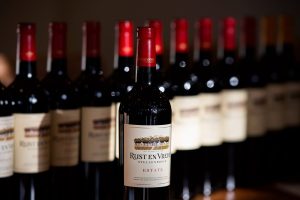
Rather than flashy luxury, the experience feels refined, calm, and intimate. The setting is consistently described as serene and relaxing, especially when seated outside beneath the old oak trees.
What really defines Rust en Vrede is its focus on red wines only. Unlike many Stellenbosch estates offering broad mixed portfolios, Rust en Vrede has built its identity almost entirely around:
- Cabernet Sauvignon,
- Syrah,
- Merlot,
- and Bordeaux-style blends.
Wine lovers often describe the tastings as “serious” in the best sense: structured, educational, and centred on terroir and aging potential rather than novelty pairings. The estate’s Syrah and flagship Estate blend receive especially strong praise from visitors and wine enthusiasts.
The service style is another standout feature. Guests frequently mention that the staff are:
- knowledgeable,
- attentive,
- relaxed rather than scripted,
- and genuinely enthusiastic about the wines.
Guests specifically praise the tasting hosts for explaining both the estate history and South African wine culture in an approachable way.

One of the defining experiences here is the famous Winemaker’s Lunch. Unlike elaborate multi-course fine dining experiences elsewhere in the Cape Winelands, Rust en Vrede keeps it intentionally simple:
- excellent steak or salmon,
- perfectly paired estate wines,
- and long, leisurely lunches under the trees.
That simplicity is part of the appeal. Rust en Vrede is a place that chooses to “do a few things and do them really well.” Rust en Vrede feels timeless, traditional, and heavily focused on world-class reds.
The overall vibe is:
- sophisticated but grounded,
- historic and atmospheric,
- centred on Cabernet Sauvignon and Syrah,
- ideal for slow lunches and serious tastings,
- and especially appealing to people who love classic structured red wines.
If you enjoy Bordeaux-style reds, old-world wine estates, and tastings that feel authentic rather than performative, Rust en Vrede is one of the strongest wine experiences in Stellenbosch.
5. Kanonkop Wine Estate

The wine tasting experience at Kanonkop Wine Estate is widely regarded as one of the most authentic and serious red wine experiences in South Africa. Unlike estates built around luxury tourism, spa culture, or elaborate pairings, Kanonkop is fundamentally about iconic Stellenbosch reds, heritage, and winemaking pedigree.
From the moment you arrive, the estate feels understated and deeply traditional. Situated on the lower slopes of Simonsberg Mountain, the property doesn’t try to overwhelm visitors with dramatic architecture or polished spectacle. Instead, the atmosphere reflects its reputation as one of South Africa’s benchmark wine producers: confident, historic, and focused almost entirely on wine quality.
The tasting room itself is modern but restrained:
- clean contemporary interiors,
- dark wood and stone finishes,
- portraits and memorabilia tied to the estate’s long family history,
- and displays explaining the soils and terroir of the farm.
What makes Kanonkop especially memorable is the sense that you are tasting at a working estate with enormous global respect among wine enthusiasts. The experience tends to feel more like visiting a revered Bordeaux producer than a lifestyle destination.

The tastings are typically:
- structured but relaxed,
- highly educational,
- focused on vintage differences and aging potential,
- and led by staff with strong technical wine knowledge.
Many reviews specifically praise the tasting staff for being knowledgeable, friendly, and genuinely passionate about the wines.
The experience revolves heavily around the estate’s legendary reds, especially:
- Pinotage,
- Cabernet Sauvignon,
- Paul Sauer Bordeaux blend,
- and Kadette Cape Blend.
Kanonkop is arguably the single most internationally respected producer of Pinotage, and tasting the wines side-by-side gives visitors a much clearer understanding of why the grape can be exceptional when handled properly. Wine enthusiasts repeatedly describe Kanonkop as one of the world’s benchmark Pinotage producers, with the Black Label Pinotage frequently called “on another level.”
The flagship Paul Sauer blend is another highlight. Wine lovers often visit specifically to taste older vintages because the wines are famous for their aging ability and Bordeaux-like structure.

One thing that distinguishes Kanonkop from many Stellenbosch estates is the lack of distraction:
- no sprawling luxury resort,
- no theatrical pairing gimmicks,
- no massive tourist crowds.
That simplicity is intentional. The focus stays squarely on terroir, cellar heritage, and the wines themselves. The experience is ideal for “wine geeks” and serious red wine lovers.
The atmosphere overall feels:
- mature,
- traditional,
- deeply rooted in Stellenbosch wine culture,
- and centred on craftsmanship rather than lifestyle branding.
The overall vibe is:
- classic rather than trendy,
- prestigious without pretension,
- educational and wine-centric,
- and especially rewarding for Cabernet Sauvignon and Pinotage enthusiasts.
If you want a tasting experience that represents the historic heart of premium Stellenbosch red wine, Kanonkop is one of the most important estates in the Cape Winelands.
6. Muratie Wine Estate

The wine tasting experience at Muratie Wine Estate is unlike almost any other estate in Stellenbosch. While many Cape wine farms have become sleek, polished luxury destinations, Muratie feels deliberately untouched: atmospheric, historic, eccentric, and deeply soulful.
The moment you arrive, it feels as though you’ve stepped back several centuries. The estate dates back to 1685, making it one of the oldest wine farms in South Africa, and the entire property embraces that history rather than modernizing it away. Ancient oak trees, weathered Cape Dutch buildings, creaking wooden floors, candlelit corners, old portraits, antique furniture, dust-covered bottles, and walls stained by generations of winemaking all contribute to an atmosphere that visitors regularly describe as “magical,” “haunting,” and “full of character.”
The tasting room itself is one of the most memorable parts of the experience. Instead of contemporary minimalist design, Muratie leans into old-world charm:
- dimly lit historic rooms,
- vintage memorabilia,
- cobwebbed cellar spaces,
- old fermentation tanks,
- and a sense that very little has been overly curated for tourists.
One of the estate’s signature experiences is tasting wine inside old concrete fermentation tanks where “the cobwebs hug the tartaric textured walls,” creating an almost museum-like atmosphere.

What makes Muratie especially distinctive is that every wine is tied to a historical figure from the estate’s long history:
- Laurens Campher,
- Ansela van de Caab,
- Lady Alice,
- Ronnie Melck,
- George Paul Canitz,
- and others.
The tasting therefore becomes partly a storytelling experience, with wine hosts often explaining the personalities and scandals behind the labels as the wines are poured. Visitors frequently mention Muratie’s “fascinating history” and how the stories become part of the appeal.
The wines themselves lean strongly toward classic Stellenbosch reds:
- Cabernet Sauvignon,
- Shiraz,
- Bordeaux blends,
- Pinot Noir,
- and dessert wines.
The estate’s flagship Ansela van de Caab blend and Ronnie Melck Shiraz receive especially strong praise from wine enthusiasts. Muratie’s dessert wines and fortified wines are also regularly highlighted by wine enthusiasts.
Unlike glamorous estates where the tasting can feel highly scripted, Muratie tends to feel personal and relaxed. Reviews consistently praise wine hosts for being warm, knowledgeable, and conversational. Tasting hosts are often described as “friendly, knowledgeable, good-humoured, and professional while calling Muratie a family-run, working vineyard, full of character.

The setting around the tasting area adds enormously to the experience:
- mountain views toward Simonsberg,
- lush gardens,
- giant old oaks,
- roaming farm energy,
- and quiet corners perfect for long tastings.
On warm days, many guests sit outdoors under the trees for hours.
Food at Muratie complements the estate’s rustic identity. Instead of polished fine dining, the restaurant focuses on hearty traditional meals and relaxed lunches that feel in keeping with the farm’s historic atmosphere. Muratie feels wonderfully imperfect, historic, artistic, and deeply authentic.
The overall vibe is:
- romantic,
- old-world,
- quirky and atmospheric,
- deeply connected to Cape wine history,
- and ideal for people who value character and storytelling as much as polished luxury.
If you enjoy historic wine estates with genuine soul, Muratie is one of the most memorable tasting experiences in the Cape Winelands.
Franschhoek Wine Region
7. Haute Cabriere

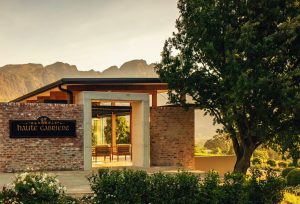
The wine tasting experience at Haute Cabrière: the home of Pierre Jourdan is one of the most atmospheric and romantic in Franschhoek. It combines dramatic valley views, elegant Cap Classique sparkling wines, underground cellar tastings, and a distinctly French-inspired wine philosophy rooted in Chardonnay and Pinot Noir.
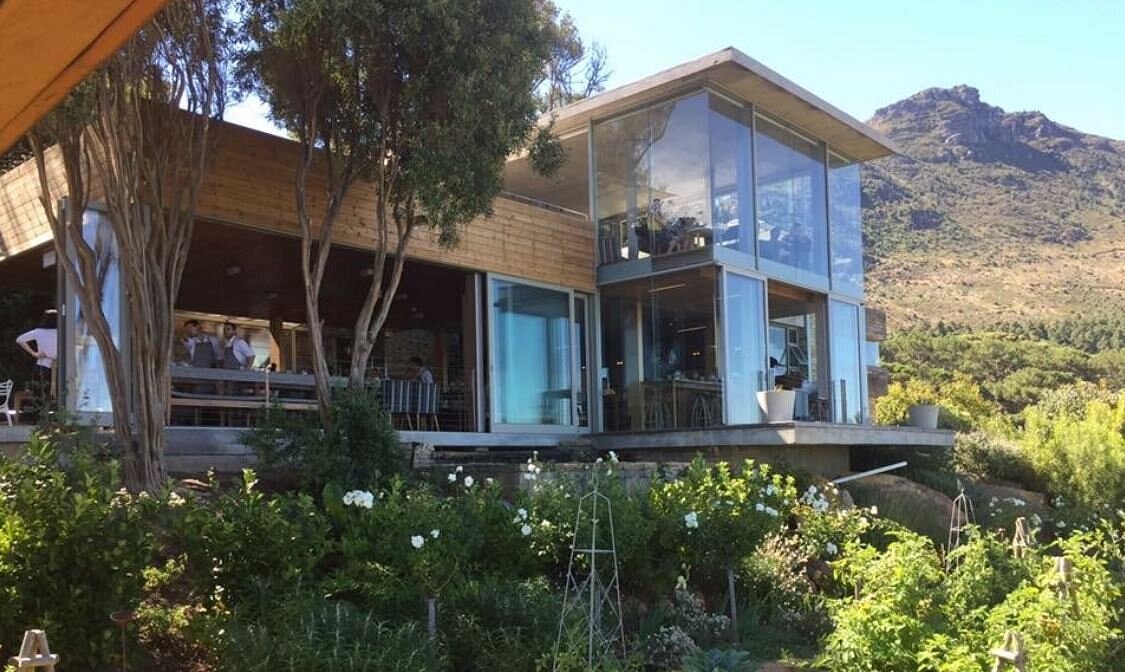
The estate sits high on the Franschhoek Pass slopes overlooking the valley, and the setting immediately feels different from many traditional Cape wine estates. Visitors arrive to panoramic mountain scenery, terraced vineyards, and a contemporary glass-fronted restaurant perched above the valley floor. Visitors consistently rank Haute Cabrière among the best Franschhoek wine estates for views.
What truly defines the experience, though, is the underground tasting room. Instead of a bright contemporary lounge, tastings take place inside a cool stone cellar carved into the mountainside. The cellar was designed by legendary winemaker Achim von Arnim and is considered one of the largest underground cellars in Franschhoek. The dim lighting, stone walls, and cellar atmosphere create a more intimate and immersive feeling than the typical terrace tasting.
Haute Cabrière focuses heavily on:
- Chardonnay,
- Pinot Noir,
- and Méthode Cap Classique sparkling wines under the Pierre Jourdan label.

That Burgundian focus gives the tasting a more cohesive and specialized feel than estates offering huge mixed portfolios. The estate philosophy centres on expressing Franschhoek terroir through these varieties specifically.
The tasting menus themselves are thoughtfully structured around themes rather than simple “five random wines” formats. Popular experiences include:
- the Pierre Jourdan Cap Classique tasting,
- “Shades of Chardonnay,”
- “Shades of Pinot Noir,”
- and sparkling wine pairings with macarons.
The macaron-and-bubbly pairing has become particularly popular among visitors and is frequently recommended in discussions about Franschhoek wine tastings. Guests often describe it as playful, elegant, and surprisingly well matched to the sparkling wines.
One distinctive element is the estate’s emphasis on Cap Classique. Haute Cabrière is regarded as one of the pioneers of South African MCC production, and many visitors come specifically for the Pierre Jourdan sparkling wines rather than the still wines. Wine enthusiasts online frequently praise the Blanc de Blancs and Chardonnay–Pinot Noir blends for their freshness and Champagne-like character.
The service style is generally described as:
- knowledgeable,
- warm,
- conversational,
- and enthusiastic about explaining the estate’s Burgundian philosophy.
The cellar tours also add depth to the experience, giving visitors insight into the underground maturation areas and production methods.
Food is a major part of the overall atmosphere. Many guests combine tastings with lunch on the famous glass-fronted terrace restaurant overlooking the valley. The menu leans French-inspired with seasonal local ingredients, designed to complement the wines rather than overpower them.
The overall vibe is:
- elegant but approachable,
- distinctly Franschhoek,
- romantic and atmospheric,
- centred on sparkling wine culture,
- and ideal for slow afternoons overlooking the valley.
If you enjoy Cap Classique, Chardonnay, Pinot Noir, and wine tastings with a strong sense of place and atmosphere, Haute Cabrière is one of the most memorable experiences in the Cape Winelands.
8. Mullineux & Leeu Family Wines

A tasting at Mullineux Winery is one of the Cape’s most serious and terroir-driven wine experiences: less about polished spectacle and more about depth, craftsmanship, and a profound sense of place. Located at Roundstone Farm on the slopes of the Kasteelberg in the Swartland, the experience feels intimate, thoughtful, and highly focused on the wines themselves.
The setting is understated but beautiful: rugged Swartland landscapes, old bush vines, granite and schist soils, and a working winery atmosphere that reflects the Mullineux philosophy of minimal intervention and authentic expression. Rather than the grand architecture found at some Stellenbosch estates, Mullineux leans into a more artisanal and grounded identity.
The wines are the main event. Tastings typically showcase:
- Their acclaimed Syrahs, which are savoury, peppery, and site-specific
- Chenin Blancs from old vines with remarkable texture and minerality
- Single Terroir wines that explore how granite, schist, and iron soils influence flavour
- The more accessible but still excellent Kloof Street range
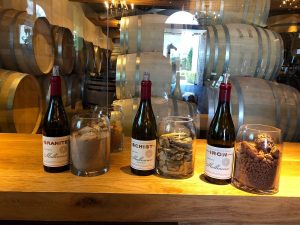
Wine enthusiasts especially praise the Terroir Series tastings because they allow you to compare the same varietal grown on different soil types — one of the most intellectually rewarding tastings in South Africa. Reddit wine communities regularly describe these wines as among the best expressions of Swartland Chenin and Syrah available.
The tasting style is educational without becoming intimidating. Staff are known for being deeply knowledgeable about Swartland viticulture, old vines, soil composition, and natural winemaking practices. Expect detailed discussions about dry farming, indigenous yeasts, and how Swartland’s harsh climate shapes concentration and structure in the wines.
Many visitors actually experience the wines through The Wine Studio at Leeu Estates in Franschhoek, the luxury tasting venue connected to the partnership’s Franschhoek operation. There, the experience becomes more refined and elegant — sophisticated glassware, curated seated tastings, and beautifully designed surroundings. Tastings often include both Mullineux Swartland wines and the Leeu Passant range, which explores heritage vineyards across the Cape. Advance bookings are usually essential.
Visually and atmospherically, the contrast between the rugged Swartland winery and the polished Franschhoek Wine Studio is part of the appeal: one showcases the raw soul of Swartland wine culture, while the other delivers a luxurious, world-class presentation.
What makes Mullineux especially memorable is that the tasting feels genuinely connected to the modern Swartland wine movement — innovative, terroir-focused, minimalist, and internationally respected without feeling commercialized. Food & Wine and other international publications frequently place Mullineux among the defining producers of the region.
9. Le Lude Estate

A tasting at Le Lude Estate and Orangerie Restaurant is one of the most elegant and refined sparkling wine experiences in the Cape Winelands. Situated just outside the village centre of Franschhoek, Le Lude specializes almost exclusively in Cap Classique: South Africa’s traditional-method sparkling wine and the entire wine estate is built around a sense of French-inspired sophistication, celebration, and precision.
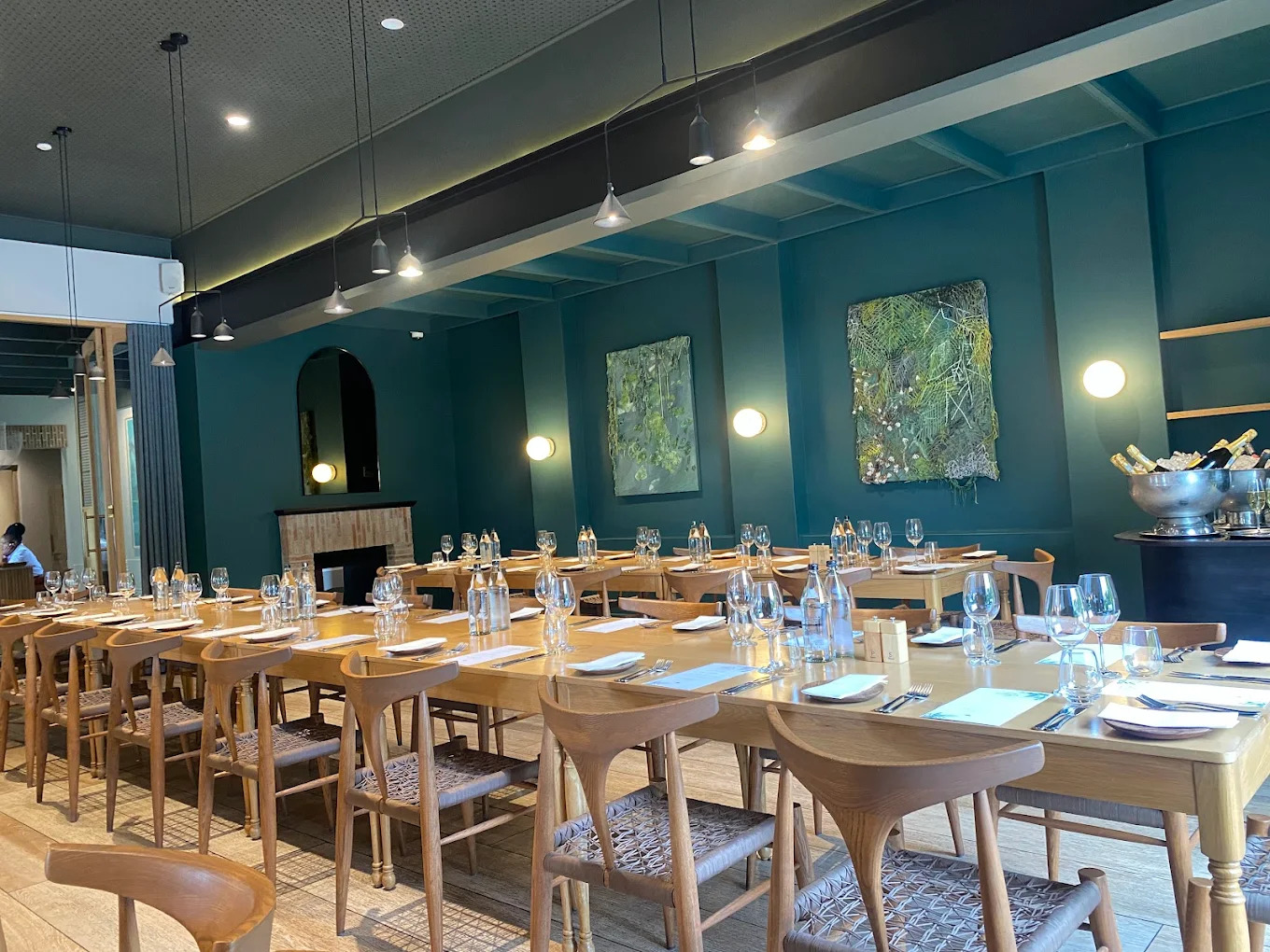
The experience begins with the setting itself. The tasting room feels airy, polished, and distinctly European in style, with soft green paneling, contemporary French décor, dark wood accents, and views into the working cellar. Rather than the rustic farmhouse atmosphere common at many estates, Le Lude feels more like an upscale Champagne maison transplanted into Franschhoek.
What makes Le Lude distinctive is its singular focus on Cap Classique. Instead of moving through a wide lineup of reds and whites, tastings revolve around different sparkling styles:
- Brut and Brut Rosé expressions
- Vintage cuvées with long lees ageing
- Their flagship Agrafe® wines, produced using a cork during secondary fermentation rather than a crown cap
- Blanc de Blancs and more textured reserve bottlings
The wines are known for finesse, creamy mousse, bright acidity, and Champagne-like structure. Le Lude was also the first South African producer to use the Agrafe® method for Cap Classique, a technique associated with greater texture and complexity.

The tasting style is relaxed but polished. Staff typically guide guests through the production methods, the importance of lees ageing, and the nuances between different sparkling styles. Because Cap Classique production is more technically involved than still wine, the experience often feels slightly more educational and curated than a standard tasting.
One of the highlights is pairing the wines with food. Le Lude is particularly known for:
- Canapé pairings with MCC
- Elegant afternoon tea experiences
- Long lunches at the on-site Orangerie Restaurant
The food pairing component elevates the tasting considerably because sparkling wine naturally works so well with delicate dishes, seafood, pastries, and rich creamy textures. Many visitors describe the combination of bubbles and lunch at Orangerie as one of the standout Franschhoek experiences.
For wine enthusiasts, the cellar tours are especially worthwhile. These tours usually include the underground maturation areas and a detailed look at the traditional bottle-fermentation process, giving visitors a much deeper appreciation for how labour-intensive premium Cap Classique production really is. Across wine communities and travel discussions, it is frequently recommended as one of the best MCC-focused estates in South Africa.
The overall mood at Le Lude is less about rustic winemaking charm and more about elegance, leisure, and celebration — think slow afternoons with exceptional bubbles, refined food, and a distinctly Franschhoek sense of luxury.
10. Grande Provence Heritage Wine Estate

A tasting at Grande Provence wine tasting room is one of the more polished and complete Franschhoek wine estate experiences: combining heritage architecture, contemporary art, elegant food, and approachable luxury in a setting that feels distinctly classic Franschhoek.
Dating back more than 300 years, Grande Provence Heritage Wine Estate balances old Cape Dutch charm with a modern, curated aesthetic. The estate itself is visually striking: long vineyard views framed by dramatic mountains, sculpture gardens beneath old oak trees, whitewashed buildings, and stylish contemporary interiors. The atmosphere feels refined without becoming overly formal.
The tasting experience itself is relaxed and welcoming. Guests are usually seated either in the elegant tasting room, on the terrace, or outdoors beneath the estate’s oak trees. The estate offers several curated tasting options ranging from casual introductory tastings to more premium flagship selections.
Typical tastings include:
- The accessible Angels Tears range, known for easy-drinking, fruit-forward wines
- Estate Sauvignon Blanc, Chenin Blanc, Shiraz, and Cabernet Sauvignon
- Premium flagship wines like The Grande Provence Red and Amphora
- Food-pairing experiences involving nougat, oysters, or South African heritage-inspired bites
One of the standout aspects of Grande Provence is how food and wine are integrated into the experience. The estate places significant emphasis on pairings, often combining wines with:
- handmade nougat,
- oysters and Méthode Cap Classique,
- canapé tastings,
- or Cape heritage dishes inspired by local flavors.

The oyster-and-MCC pairing is especially popular during warmer months because it’s often served outdoors in the sculpture garden beneath the trees, creating a leisurely, social atmosphere that feels very Franschhoek.
For visitors wanting something more interactive, Grande Provence also offers a respected wine blending experience. Guests work with different varietals under guidance from wine ambassadors to create their own custom blend, bottle it, and take it home. This tends to be one of the estate’s more memorable and engaging experiences because it combines education with hands-on creativity.
The estate’s broader environment adds significantly to the tasting:
- a contemporary South African art gallery,
- sculpture gardens,
- fine dining at The Restaurant,
- more relaxed lunches at Grande Provence – The Oak,
- and luxury accommodation on the property.
Compared with some of the more intensely wine-focused estates in Stellenbosch and Franschhoek. Grande Provence leans more toward a complete lifestyle experience. It’s ideal for visitors who want excellent wine within a beautiful, leisurely environment where art, food, architecture, and scenery all play equally important roles.
The overall feeling is sophisticated yet relaxed: a place where a simple tasting can easily turn into a long lunch, a gallery stroll, and an entire afternoon spent enjoying the Franschhoek valley atmosphere.
11. La Motte

A tasting at La Motte Wine Farm is one of the most complete and culturally rich wine experiences in Franschhoek: combining award-winning wine, Cape heritage, art, food, architecture, and warm hospitality in a setting that feels both refined and deeply South African.
Set against the Franschhoek mountains along the R45, La Motte has a distinctly elegant atmosphere. Unlike estates focused purely on luxury glamour, La Motte leans into authenticity and heritage. The estate’s Cape Dutch architecture, oak-lined pathways, sculpture gardens, and relaxed farm atmosphere create an experience that feels polished but never pretentious.
The tasting room itself is one of the estate’s highlights. Recently redesigned, it feels warm, contemporary, and comfortable, with large fireplaces for winter, handmade tasting tables, plush sofas, and floor-to-ceiling glass panels overlooking the working cellar. The combination of exposed cellar views and curated art creates a sophisticated but welcoming mood.
La Motte is especially known for:
- elegant Syrah,
- Sauvignon Blanc,
- Chardonnay,
- Bordeaux-style blends,
- and the premium Pierneef Collection.

The estate’s Syrah portfolio is often considered one of the defining expressions of the Franschhoek region, and many tastings focus heavily on how the varietal expresses local terroir.
Guests can usually choose between several tasting styles:
- Current Vintage tastings
- Premium Pierneef Collection tastings
- Vinoteque tastings featuring older vintages
- MCC tastings
- Straw wine tastings
- Food-and-wine pairing experiences
The Vinoteque tasting is especially memorable for serious wine lovers. Hosted in a more private setting, it explores mature vintages and the ageing potential of La Motte’s wines, particularly Syrah. Staff guide guests through discussions on bottle ageing, vintage variation, and cellar techniques in a way that feels educational without becoming overly formal.
One of La Motte’s defining characteristics is how seamlessly food is woven into the wine experience. The estate offers:
- curated food-and-wine pairings,
- artisanal bakery experiences,
- relaxed lunches,
- and high-end culinary events like JAN Franschhoek.

The bakery and garden café are especially beloved among visitors because they give the estate a lived-in, farm-style atmosphere rather than feeling like a purely commercial tasting destination. Fresh bread, pastries, local produce, and seasonal menus make it easy to spend an entire afternoon there.
Art and culture also play a major role in the experience. Original works by renowned South African artist Jacob Hendrik Pierneef are displayed throughout the tasting spaces, and the estate regularly incorporates exhibitions, artisan craftsmanship, and heritage storytelling into the visitor journey.
For visitors wanting more than a standard tasting, La Motte also offers:
- vineyard and cellar tours,
- harvest experiences during picking season,
- hiking trails,
- artisan shopping,
- and seasonal culinary events.
La Motte is often praised as one of Franschhoek’s most balanced estates. It offers excellent wine alongside atmosphere, scenery, and meaningful experiences beyond simply drinking wine. Many visitors describe it as an estate where you naturally slow down and linger.
The overall feeling at La Motte is elegant, cultured, and quietly luxurious — less about spectacle and more about craftsmanship, heritage, and the pleasure of spending an unhurried day in the Franschhoek valley.
Paarl Wine Region
12. Bacco Estate Winery

A tasting at Bacco Estate Winery feels distinctly different from many traditional Cape wine farms. The estate blends the atmosphere of a contemporary luxury winery with the romance of Tuscany, creating an experience that is immersive, stylish, and deeply focused on slow enjoyment rather than rushed tastings.
Located on the Simonsberg-Paarl slopes near Franschhoek, Bacco was inspired by the “Super Tuscan” philosophy of Italy: reflected not only in the wines, but also in the architecture, food, pacing, and overall mood of the estate. Long avenues of Italian cypress trees, terracotta tones, soaring brick arches, and elegant contemporary interiors immediately create the feeling that you’ve stepped into a modern Tuscan estate transplanted into the Cape Winelands.
The tasting room itself is sleek and luxurious without feeling overly formal. Floor-to-ceiling glass, dramatic arches, curated décor, and vineyard views create a calm, elegant environment that encourages guests to linger. The estate emphasizes what it calls “the luxury of time,” and the tastings are intentionally designed to feel unhurried and sensory-driven.
What makes Bacco especially distinctive is its strong Italian identity. Rather than focusing purely on classic Stellenbosch or Franschhoek varietals, the estate explores Bordeaux cultivars alongside Italian grapes such as Sangiovese and Vermentino. The tasting lineup often includes:
- Bordeaux-style blends,
- Cabernet Sauvignon-Malbec flagship wines,
- elegant Chardonnay,
- Vermentino,
- Rosé,
- and Super Tuscan-inspired reds like Il Principe and Il Sovrano.

Wine enthusiasts particularly appreciate the estate’s attention to structure, texture, and age-worthiness. The reds tend to be rich, polished, and oak-integrated, while the whites show freshness and Mediterranean character. Their Vermentino is especially notable because very few South African estates produce the varietal seriously.
Food is central to the experience. Instead of simple cheese boards, Bacco offers Italian-inspired cicchetti — refined small plates designed specifically to accompany the wines. Expect beautifully plated dishes, seasonal ingredients, handmade pastries, artisanal desserts, and sophisticated pairings that feel closer to a boutique European wine lounge than a traditional farm tasting.
The estate’s culinary side is heavily influenced by Carla Jankelowitz, a Le Cordon Bleu-trained pastry chef, and many visitors mention that the desserts and patisserie elevate the experience beyond a standard wine tasting.

For visitors interested in the technical side of winemaking, the cellar itself is impressive. Bacco uses a modern gravity-flow winery with highly advanced temperature and humidity control systems aimed at minimal-intervention winemaking and ultra-premium production standards. The combination of cutting-edge technology with artisanal philosophy gives the estate a very modern international feel.
Bacco also tends to feel slightly quieter and less commercial than some of the larger Franschhoek wine destinations. Visitors often describe it as a newer estate that still feels fresh, intimate, and somewhat undiscovered compared with the region’s more crowded classics.
The overall atmosphere at Bacco Estate Winery is sophisticated, leisurely, and Mediterranean-inspired: a place where excellent wine, architecture, food, and design come together into a complete lifestyle experience rather than simply a tasting flight.
12. Laborie Wine Estate

A tasting at Laborie Wine Estate is one of the most relaxed, family-friendly, and heritage-rich wine experiences in Paarl. Unlike estates that focus purely on luxury or formal tastings, Laborie feels more like a vibrant vineyard village: a place where wine, food, gardens, history, and social atmosphere all come together naturally.
Founded in 1691 at the foot of Paarl Mountain, Laborie carries centuries of Cape wine heritage, but the estate today feels modern, lively, and highly accessible. The experience begins with the setting itself: historic Cape Dutch buildings, massive oak trees, mountain views, vineyards stretching toward Paarl Rock, and a calm atmosphere that encourages visitors to slow down and settle in for the afternoon.
The wine tastings are hosted inside the beautifully restored Manor House: a bright, elegant space with high ceilings and a relaxed contemporary farmhouse style. On warm days, many guests choose to sit outside beneath the trees on the wraparound patio overlooking the vineyards and mountains. The atmosphere is calm and unhurried rather than highly formal or instructional.

Laborie’s wines cover a broad spectrum, making the tastings approachable for almost every palate. Typical tasting selections include:
- crisp Sauvignon Blanc and Chenin Blanc,
- rich Shiraz and Cabernet blends,
- elegant rosé,
- fortified wines,
- and their increasingly popular MCC sparkling wines.
The MCC tastings are especially popular, with many visitors pairing the sparkling wines alongside desserts or cheesecakes. In local wine discussions, Laborie is frequently recommended for relaxed pairing experiences rather than ultra-serious collector tastings.
Food plays a major role in the overall experience. Guests can order curated platters featuring:
- Winelands cheeses,
- charcuterie,
- ciabatta,
- hummus,
- pickled vegetables,
- and seasonal local ingredients designed specifically to accompany the wines.

One of Laborie’s biggest strengths is its broad appeal. Unlike estates geared only toward adult tastings, Laborie is intentionally family-oriented. The estate even offers a dedicated kiddies pairing featuring milkshakes, brownies, Turkish delight, and fudge so children can participate in their own tasting-style experience alongside adults.
Beyond the tasting room itself, the estate encourages guests to linger. Visitors often combine tastings with:
- lawn picnics,
- long lunches,
- food markets,
- live music events,
- or overnight stays in vineyard accommodation.
The picnic experience is particularly memorable because Laborie uses handcrafted wooden picnic crates that transform into small tables on the lawns beneath the oak trees: a detail that gives the estate a playful and distinctly social atmosphere.
Compared with some of the more exclusive estates in Franschhoek or Stellenbosch, Laborie feels less intimidating and more welcoming. Across travel discussions and wine forums, visitors often describe it as an easy place to spend several hours, especially for mixed groups where not everyone is deeply wine-focused.
The overall feeling at Laborie Wine Estate is warm, scenic, and effortlessly social: a classic Paarl wine farm experience where heritage, hospitality, food, and relaxed wine enjoyment matter just as much as the tasting itself.
14. Avondale Wine
A tasting at Avondale Wine is one of the Cape Winelands’ most tranquil and nature-driven wine experiences: combining biodynamic farming, slow winemaking, beautiful mountain scenery, and a deeply personal atmosphere that feels worlds away from the more commercial estates.
Situated at the foot of the Klein Drakenstein Mountains near Paarl, Avondale has built its identity around sustainability and “wine with nature.” From the moment you arrive, the estate feels calm and grounded: organic vineyards, indigenous gardens, quiet dams, mountain backdrops, and open green spaces create an atmosphere that encourages visitors to slow down and engage with the environment as much as the wine itself.
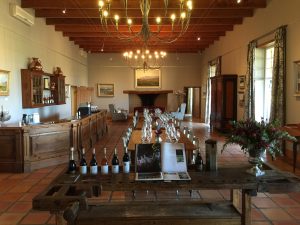
The tasting experience usually takes place inside the elegant Tasting Gallery: a contemporary yet relaxed space overlooking the estate’s gardens and vineyards. The mood is polished but unpretentious, and visitors consistently describe the staff as warm, knowledgeable, and genuinely passionate about the estate’s philosophy.
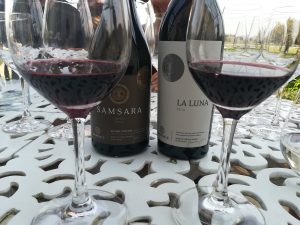
Avondale specializes in handcrafted, minimal-intervention wines made from certified organic and biodynamic vineyards. Tastings typically include selections from what the estate calls its “Magnificent Collection,” with wines known for purity, freshness, and strong varietal character. Popular wines often include:
- Anima Chenin Blanc,
- Camissa Rosé,
- Cyclus white blend,
- La Luna Bordeaux-style red blend,
- and Samsara Syrah.
What makes the tasting especially memorable is the storytelling behind the wines. Staff often explain:
- biodynamic farming methods,
- natural pest management,
- composting and soil health,
- gravity-flow winemaking,
- and Avondale’s philosophy of working “with nature rather than against it.”
For visitors interested in the technical side of wine production, the cellar tour is a major highlight. The estate’s gravity-flow cellar is built three stories underground into a dry riverbed to maintain naturally cool temperatures with minimal energy use. Guests tour maturation areas, clay amphorae projects, and underground fermentation spaces while tasting wines along the way.

The Eco Wine Safari is the signature Avondale experience. Instead of a conventional cellar-only tour, guests are driven through the vineyards and organic farm while tasting wines in the exact places where the grapes are grown. The safari explores:
- organic vineyard practices,
- native flora and fauna,
- compost systems,
- ducks and natural farming ecosystems,
- and panoramic Paarl mountain scenery.
Food is also an important part of the visit. Guests can enjoy artisanal cheese and charcuterie platters or dine at the estate’s Ochra Deli, which focuses heavily on seasonal, locally sourced ingredients and a farm-to-table philosophy. The combination of relaxed lunches, organic gardens, and mountain views gives the estate a particularly restorative atmosphere.
Visitors frequently describe Avondale as:
- “beautiful and chilled,”
- “peaceful,”
- “a life experience,”
- and one of the most authentic biodynamic estates in South Africa.
Unlike some wine farms that emphasize glamour or luxury spectacle, Avondale’s appeal lies in its authenticity and sense of harmony with nature. The overall feeling is serene, thoughtful, and immersive: a tasting experience where sustainability, landscape, food, and wine all feel inseparably connected.
15. Rhebokskloof Estate

A tasting at Rhebokskloof Estate is one of Paarl’s most relaxed and scenic wine farm experiences: combining excellent Rhône-style wines, mountain landscapes, outdoor activities, generous food, and warm family-friendly hospitality in a setting that feels spacious and unpretentious.
Nestled in a secluded valley beneath the granite slopes of Paarl Mountain, Rhebokskloof immediately feels peaceful and immersive. The estate is surrounded by vineyards, fynbos-covered hills, dams, and wide lawns, giving it a more natural and outdoors-oriented atmosphere than some of the more polished urban-style wine estates in Franschhoek or Stellenbosch.
The tasting room itself feels elegant but approachable. Guests are welcomed into a contemporary Cape Dutch-style space where tastings are guided by knowledgeable wine advisors who focus on making the experience enjoyable and accessible rather than overly formal. The estate encourages visitors to spend a relaxed hour or two exploring different tasting flights and pairings.
Rhebokskloof is particularly known for its Rhône-style wines, especially Shiraz. Their winemaker, Rolanie Lotz, has built a strong reputation for producing expressive, terroir-driven reds that perform exceptionally well in South African wine competitions.

Typical tasting options include:
- the approachable Flatrock range,
- premium Rhebokskloof wines,
- all-white or all-red curated tastings,
- and the flagship Black Marble Hill collection.
For serious wine lovers, the Flagship Tasting is usually the standout experience. It focuses on the estate’s Black Marble Hill wines — premium small-production bottlings with greater concentration, oak integration, and ageing potential. The Syrah is especially admired for its dark fruit, spice, and structured finish.
One of Rhebokskloof’s biggest strengths is its food-and-wine pairing experiences. Visitors can choose from:
- chocolate pairings with handmade Belgian chocolates,
- dessert-and-wine pairings,
- artisanal cheese platters,
- cured meat platters,
- or tapas-style experiences.
The chocolate pairing is particularly popular because the chocolates are specifically crafted to complement individual wines, creating a more immersive sensory tasting than a standard flight.
Unlike estates that focus only on wine tasting, Rhebokskloof feels like a complete day-out destination. Visitors often combine tastings with:
- long lunches at the restaurant or pizzeria,
- lawn picnics,
- mountain biking,
- hiking,
- trail running,
- or family outings on the estate grounds.

The estate’s broad appeal is one reason it’s frequently described as highly family-friendly. Large lawns, outdoor seating, and open spaces create a casual atmosphere where groups can comfortably spend several hours without feeling rushed.
What makes the wines distinctive is the terroir itself. The vineyards are planted on decomposed granite and black marble soils within a sheltered amphitheatre-like valley, helping produce wines with strong fruit concentration and balanced acidity. The estate also practices careful hand-harvesting and minimal-intervention winemaking to preserve site expression.
Rhebokskloof is often praised for offering a more relaxed, outdoorsy, and less commercial experience than some of the region’s busier wine destinations. The overall feeling at Rhebokskloof Estate is warm, scenic, and effortlessly social: a classic Paarl wine farm where excellent Shiraz, relaxed hospitality, mountain scenery, and outdoor living all come together naturally.