A Digital Nomad’s Guide to living and working in Cape Town
Cape Town is one of the world’s best cities for digital nomads: great weather, dramatic landscapes, fast internet, and a strong remote-worker community. Here’s a practical guide to experiencing the city fully while still getting your work done.
Choose the Right Neighbourhood to Live & Work
Each area offers a different lifestyle:
1. Cape Town City Centre
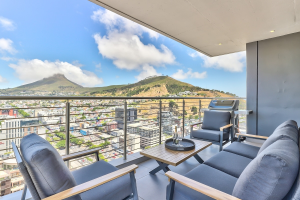
Living in Cape Town City Centre (often called the CBD) is a mix of urban energy, mountain views, and constant activity. For many people, especially remote workers, creatives, and entrepreneurs, it’s the most vibrant place in the city. Here’s what everyday life is like in the CBD:
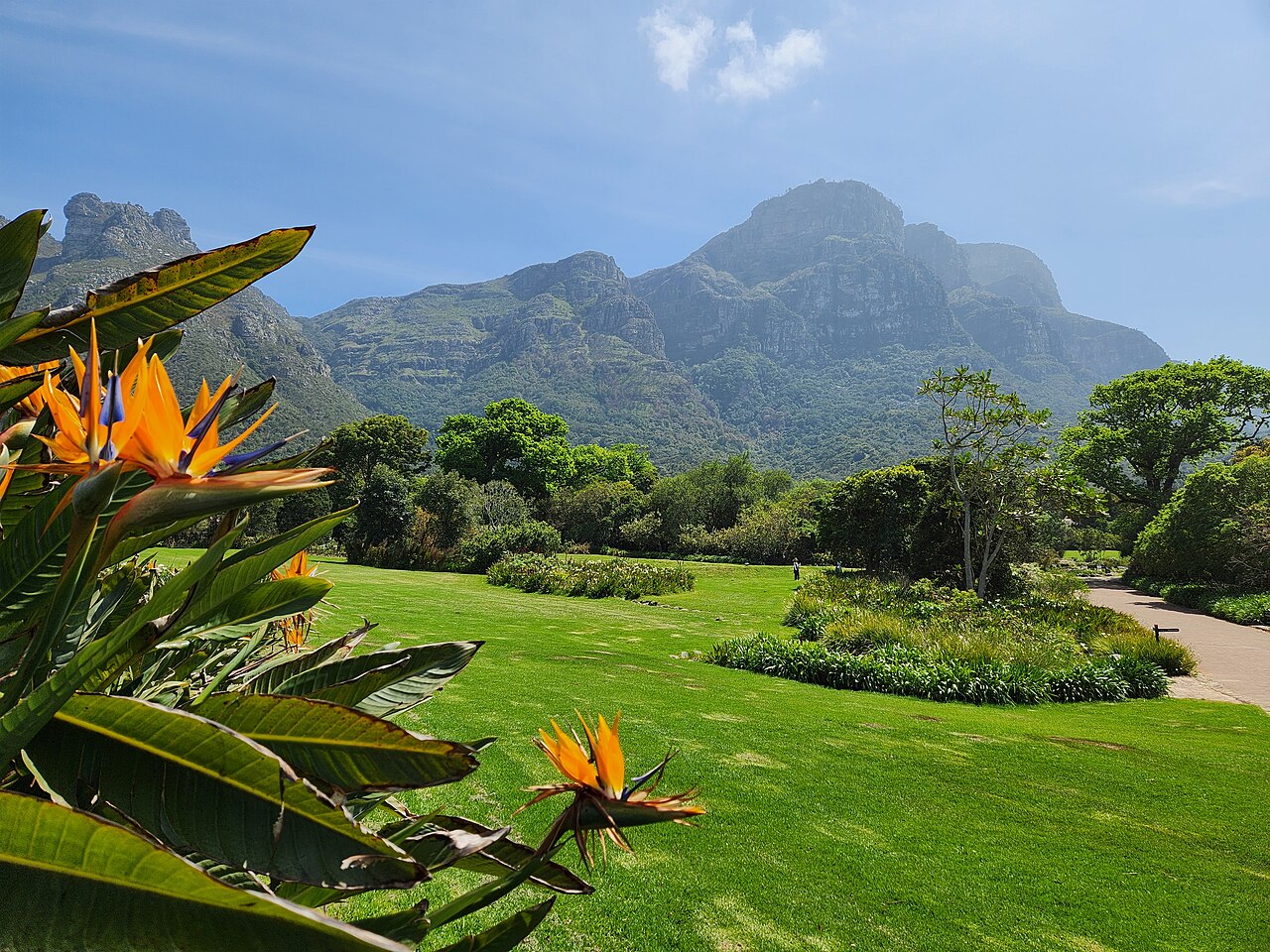
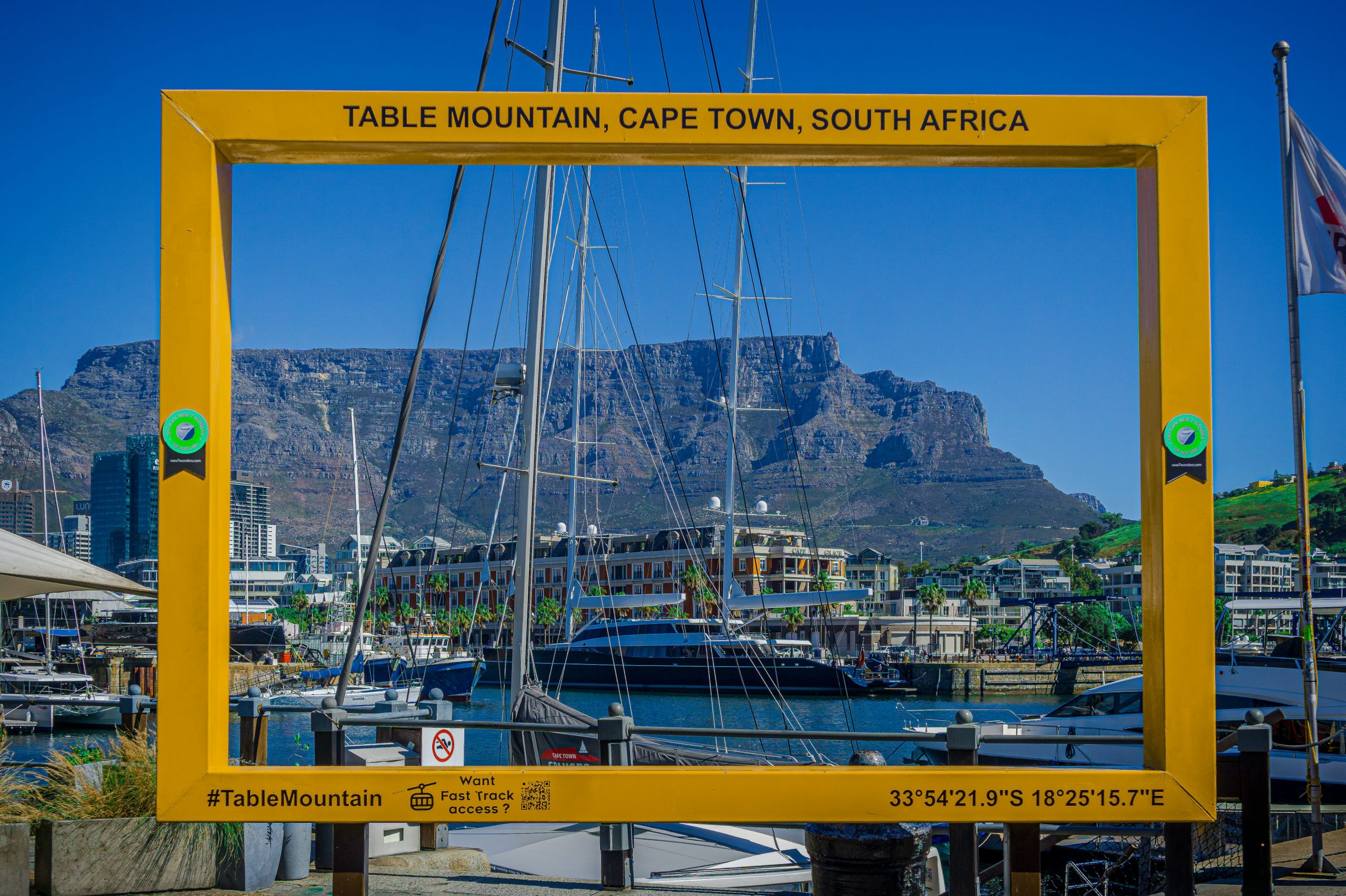
The CBD sits between the ocean and Table Mountain, so you’re surrounded by dramatic scenery even while living in a dense urban area.
During the day:
• Streets are busy with office workers, cafés, and tourists.
• Markets and food spots are active.
• You’ll see a mix of locals, expats, and digital nomads.
At night:
• Certain streets become lively with bars and restaurants.
• Other blocks quiet down quickly once offices close.
The energy is creative, international, and entrepreneurial.
Housing & Apartments (CBD)
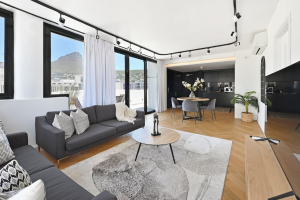
Most CBD living is in modern apartments inside converted office buildings or new high-rise towers.
Typical features:
• Secure buildings with concierge/security
• Rooftop pools or gyms
• Mountain or harbour views
• Fast Fibre internet in most buildings
Daily Lifestyle
Living downtown means you can walk almost everywhere.
Morning might look like:
• Coffee on Kloof Street
• Working at cafés like Truth Coffee Roasting
Lunch options range from quick street food to trendy restaurants near Bree Street.
After work:
• Sunset hikes on Lion’s Head
• Drinks around Long Street
• Walks on Sea Point Promenade
• Cold water plunging at Saunders Rock Tidal Pool
One of the best parts of living in the CBD is not needing a car.
You can easily:
• walk to groceries, gyms, and restaurants
• use Uber for quick trips
• cycle along the promenade near Sea Point
But for exploring the wider region (wine farms, beaches, mountains), most residents rent or own a car.
Living in the CBD means weekends feel like mini vacations.
Within 20 to 30 minutes’ drive, you can reach:
• Camps Bay Beach
• Clifton Beaches
• Constantia Wine Region
Many residents do morning hikes and beach afternoons.
Living in Cape Town City Centre feels like urban city life wrapped inside a nature playground. You can work in a café downtown and be hiking a mountain 15 minutes later.
The CBD is Cape Town’s main remote-work hub.
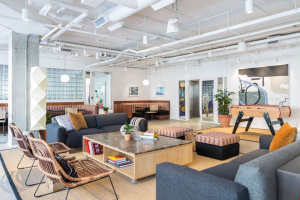
Coworking spaces include:
Workshop17
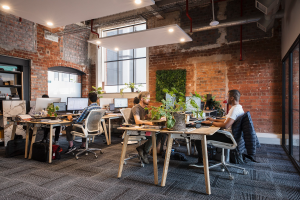
Workshop17 is one of the most well-known coworking networks in Cape Town, with several locations around Cape Town including Kloof Street in Gardens, V&A Waterfront, and Century City.
Workshop17 feels more like a creative studio than a traditional office.
The atmosphere is:
• modern and design-focused
• collaborative and entrepreneurial
• international (lots of startups and remote workers)
You’ll usually see freelancers, startup founders, consultants, remote employees, and small teams working side by side. The goal of the space is to create a community where companies and individuals can collaborate and exchange ideas.
The spaces are typically large, open-plan offices mixed with quiet areas and lounges.
Common features include:
• hot desks and dedicated desks
• private offices for teams
• meeting rooms and boardrooms
• phone booths for calls
• lounges and breakout areas
• cafés and informal meeting spots
Ideas Cartel
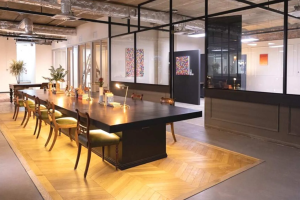
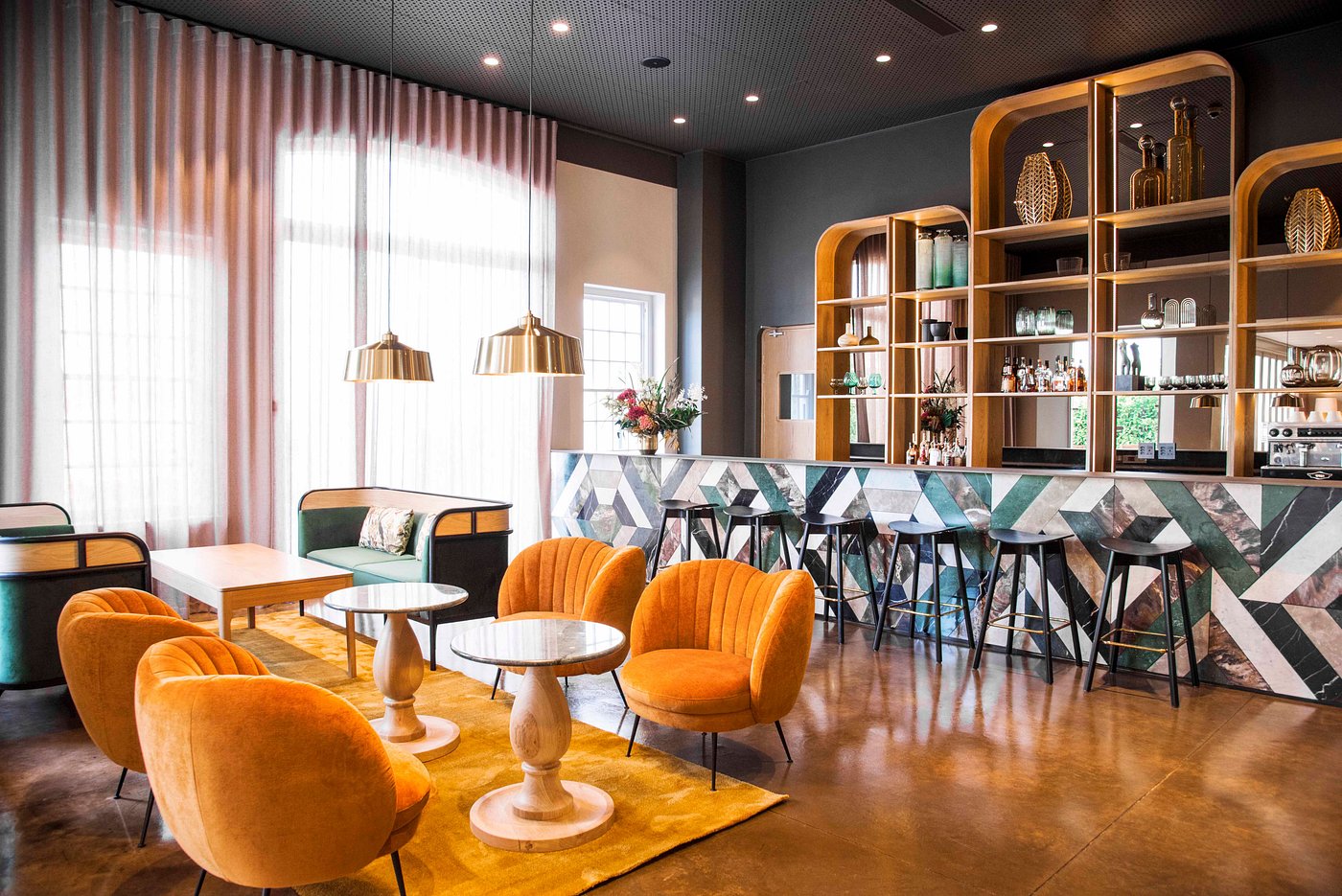
Working at Ideas Cartel feels different from many typical coworking spaces. It’s designed more like a boutique business club or creative hub than a standard office, blending work, hospitality, and social life.
Ideas Cartel aims for a premium, design-led workspace. Interiors are carefully designed with stylish furniture, art, and lounge areas so the space feels inspiring rather than corporate.
The vibe tends to be:
• professional but relaxed
• creative and entrepreneurial
• international and cosmopolitan
You’ll often see startup founders, consultants, freelancers, remote employees, and small teams working in the same space.
The spaces are usually a mix of open coworking areas, private offices, and lounge-style meeting areas.
Typical work zones include:
• shared hot desks for flexible work
• dedicated desks or private offices for teams
• quiet booths for calls
• boardrooms for meetings with clients
Meeting rooms are fully equipped with presentation tech and can host groups from small meetings to around 20 people. The design emphasizes comfort and collaboration, with areas where people naturally interact.
One thing that sets Ideas Cartel apart is the hospitality element.
Members often get access to:
• cafés and restaurants inside the building
• lounges for informal meetings
• gym or wellness facilities in some locations
• concierge-style services
Some locations even include courtyard cafés or spaces for after-work drinks, so the workspace transitions easily from work to socializing. The goal is to create a “work–meet–eat” environment rather than just desks.
Inner City by Ideas Cartel
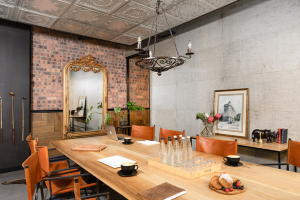
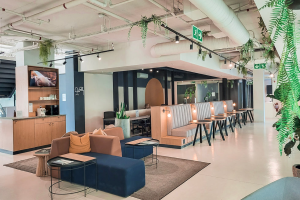
Working as a digital nomad at Inner City Ideas Cartel feels more like working in a stylish members’ club or boutique hotel lobby than a typical coworking office. It combines workspace, hospitality, and social life inside one building in the Cape Town CBD.
The space sits in the business district of Cape Town City Centre, so when you arrive, you’re surrounded by city energy, busy streets, restaurants, and cafés.
Inside, the design is intentionally upscale:
• dark wood and modern furniture
• lounge-style seating areas
• art and interior design details
The space feels professional but relaxed, attracting entrepreneurs, consultants, and remote workers rather than huge corporate teams.
For remote workers, Inner City Ideas Cartel offers several workspace styles:
• hot desks for flexible daily work
• dedicated desks for regular members
• private offices for startups or small teams
• boardrooms and meeting rooms for client calls or workshops.
Typical amenities include:
• high-speed uncapped internet
• communal kitchens
• lounge areas and breakout spaces
• shower facilities
• reception services and mail handling.
For nomads, this means you can easily take video calls, meet clients, or work quietly for hours. A big part of the experience is the café inside the building:
Many members work with coffee or brunch from the ground-floor café, which serves:
• breakfast and brunch
• buffet-style lunches
• coffee and pastries.
So, a typical work rhythm might look like:
• coffee while answering emails
• focused work session
• lunch meeting downstairs
• afternoon calls in a meeting room.
One reason this space stands out is the hospitality-style amenities.
Members have access to:
• rooftop pool or lounge areas
• hotel-style rooms for guests
• gyms or wellness facilities
• event spaces for talks or networking.
That makes it feel like a lifestyle hub rather than just an office.
2. Gardens
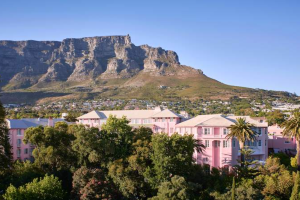
Living in Gardens as a digital nomad is often described as the perfect balance between city life, nature, and creativity. It’s one of the most desirable neighbourho
ods for remote workers in Cape Town because it’s central, lively, and surrounded by mountain views.
Gardens sits on the slopes below Table Mountain, giving it a greener and calmer feel than the nearby CBD.
The vibe is:
• relaxed but urban
• creative and slightly bohemian
• full of freelancers, startups, artists, and international visitors
You’ll often hear multiple languages in cafés because digital nomads and expats are common here.
Compared to the CBD, it feels more residential and peaceful.
A typical weekday might look like this:
Morning
• Walk to a café on trendy Kloof Street
• Grab coffee and breakfast before starting work
Midday
• Work from a laptop-friendly café or coworking space
• Quick lunch at one of the many restaurants nearby
Afternoon break
• Walk through Company’s Garden
• Short hike on the lower slopes of Table Mountain
Evening
• Dinner or drinks along Bree Street
• Sunset views from Lion’s Head
Life tends to feel walkable and spontaneous.
Gardens is packed with laptop-friendly coffee spots.
Popular choices include:
Truth Coffee Roasting
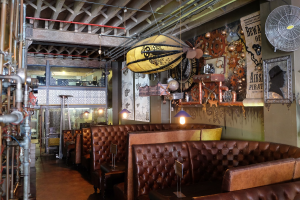
Working as a digital nomad at Truth Coffee Roasting feels less like a quiet office and more like working inside a lively coffee theatre. It’s one of Cape Town’s most iconic cafés, and the experience blends productivity with atmosphere.
When you walk in with your laptop, the first thing you notice is the steampunk interior: dark wood, brass pipes, industrial machinery, and an enormous coffee roaster in the middle of the space. Many visitors describe it as feeling like a movie set or fantasy world built around coffee.
For someone working remotely, the setup is surprisingly practical:
• Free Wi-Fi for customers
• Multiple power outlets, sometimes hanging from the ceiling
• Large communal tables ideal for laptops
• Plenty of seating throughout the café
Many digital nomads gravitate to the big front table, where 15 to 20 people can work together in a shared café-office environment.
You’ll often see:
• freelancers typing away on MacBooks
• startup founders having casual meetings
• travellers editing photos or planning trips
One of the joys of working here is the coffee itself. Truth is known internationally for its specialty roasting and creative coffee culture. The baristas work around a large roasting machine, giving the space a sense that coffee is being crafted rather than simply served.
This is where Truth differs from a coworking space.
The environment is:
• lively
• noisy with conversation and coffee machines
• full of movement from tourists and locals
It’s not a silent productivity zone. Some people love the energy, while others treat it as a place for light work sessions rather than deep focus.
Origin Coffee Roasting
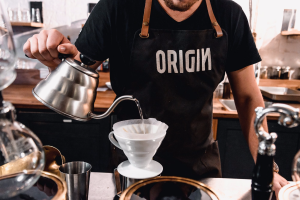
Working as a digital nomad at Origin Coffee Roasting feels like working inside Cape Town’s specialty-coffee culture rather than just a café. It’s a place where productivity, craftsmanship, and a relaxed social atmosphere blend together.
Origin sits in a historic warehouse-style building in the neighbourhood of De Waterkant. Inside, the space has exposed brick, wooden communal tables, and an industrial design that feels both creative and relaxed.
The first sensory experience is usually:
• the smell of freshly roasted coffee
• the sound of grinders and steaming milk
• sunlight coming through big warehouse windows
It feels busy but comfortable, like a café designed for people to linger.
Origin is one of the cafés in Cape Town where working with a laptop is normal.
You’ll typically find:
• large communal tables
• several smaller tables for solo work
• plug points around the seating areas
• complimentary Wi-Fi for customers
Free Wi-Fi sessions are limited to two hours, which encourages shorter, focused work sessions rather than all-day laptop camping.
Because of the large tables, it often feels like a shared café office with people quietly typing away. Working here means your breaks revolve around coffee. Origin roasts single-origin beans from across Africa and beyond, often brewed with methods like V60, Chemex, or Aeropress.
Compared to other cafés in Cape Town, Origin sits in the middle ground between quiet and lively.
The environment is:
• calm but not silent
• conversational but not chaotic
• productive but social
Morning hours are usually the best time to work before the lunch crowd arrives. Because the space is fairly large, it’s often possible to find a quiet corner for focused work.
Bootlegger Coffee Company
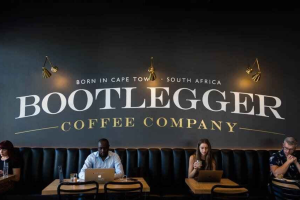
Working as a digital nomad at Bootlegger Coffee Company feels like using a café as your casual office. It’s productive, social, and comfortable without the formality of a coworking space. Bootlegger Cafés are popular remote-work spots across Cape Town because they combine great coffee, great food, stable & fast Wi-Fi, and relaxed seating.
Many nomads start their morning at a branch like Bootlegger Kloof Street, Bootlegger Bree Street, or Bootlegger Green Point.
The environment tends to feel:
• bright and casual
• friendly and neighbourhood-oriented
• relaxed but still productive
You’ll typically see a mix of people:
• freelancers working on laptops
• entrepreneurs having informal meetings
• locals stopping by for breakfast
• remote employees taking Zoom calls.
Bootlegger has become known as a laptop-friendly café chain with multiple locations across Cape Town, which is why many remote workers use it as a regular workspace.
Bootlegger Cafés are generally designed in a way that makes working easy.
All branches offer:
• free Wi-Fi with purchase
• spacious tables for laptops
• power outlets
• comfortable seating for longer sessions.
Some Bootlegger locations even include meeting rooms you can book, which is unusual for cafés and helpful for small meetings or calls. Because of the space and layout, it’s common to see people working for a few hours while ordering coffee or brunch.
Bootlegger sits in a sweet spot between café energy and work environment.
The vibe is typically:
• moderate background noise
• relaxed music
• friendly barista interaction
• steady flow of customers
It’s less chaotic than tourist cafés, but still lively enough to feel social.
What Housing Is Like in Gardens
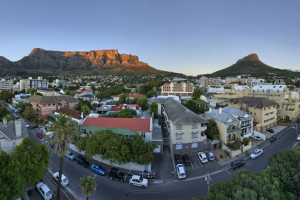
Housing in Gardens has a distinctive character compared with many other neighbourhoods in Cape Town. It sits on the lower slopes of Table Mountain, so homes often have Table Mountain views, leafy streets, and a mix of historic and modern architecture.
Gardens has a diverse mix of housing styles, which makes the neighbourhood feel layered and interesting.
Apartment Buildings (Most Common)
Most residents live in mid-rise apartment blocks built from the 1960s onward.
Typical features:
• 1 or 2 bedroom apartments
• balconies with city or mountain views
• parquet wood floors in older units
• built-in cupboards and compact kitchens
For example, a typical apartment might include a spacious living area, balcony, built-in storage, and parking.
Many buildings also have:
• secure entrances or intercoms
• underground or gated parking
• communal laundry areas
Converted Victorian Houses
Some streets still have 19th-century Victorian homes that have been divided into flats or renovated into modern houses.
These homes often feature:
• high ceilings
• wooden floors
• bay windows
• small gardens or courtyards
They give parts of the neighbourhood a historic, European feel.
Modern Apartment Developments
In recent years, more modern apartment buildings have appeared.
These typically include:
• secure access control
• rooftop pools or shared terraces
• underground parking
• high-speed fibre internet
Some newer units also include backup power systems to handle power outages.
Because the suburb sits in the City Bowl, many apartments have impressive views.
Common views include:
• the slopes of Table Mountain
• the Cape Town skyline
• distant views toward the ocean or harbour
Some apartments are designed to maximize views with balconies or large windows.
Living in Gardens usually feels like urban living with nature right next to you.
Typical lifestyle elements:
• walking to cafés or coworking spaces
• views of mountains from your balcony
• quick access to the city centre
• quiet residential streets mixed with lively nightlife areas
It’s one of the reasons the area attracts remote workers, young professionals, and international residents. Living in Gardens as a digital nomad feels like living in a creative mountain village inside a city. You can work in a café in the morning, walk through a historic garden at lunch, and watch the sunset over the ocean after work.
3. Sea Point
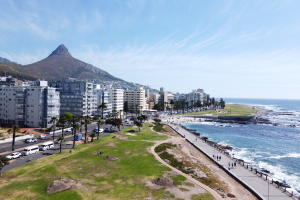
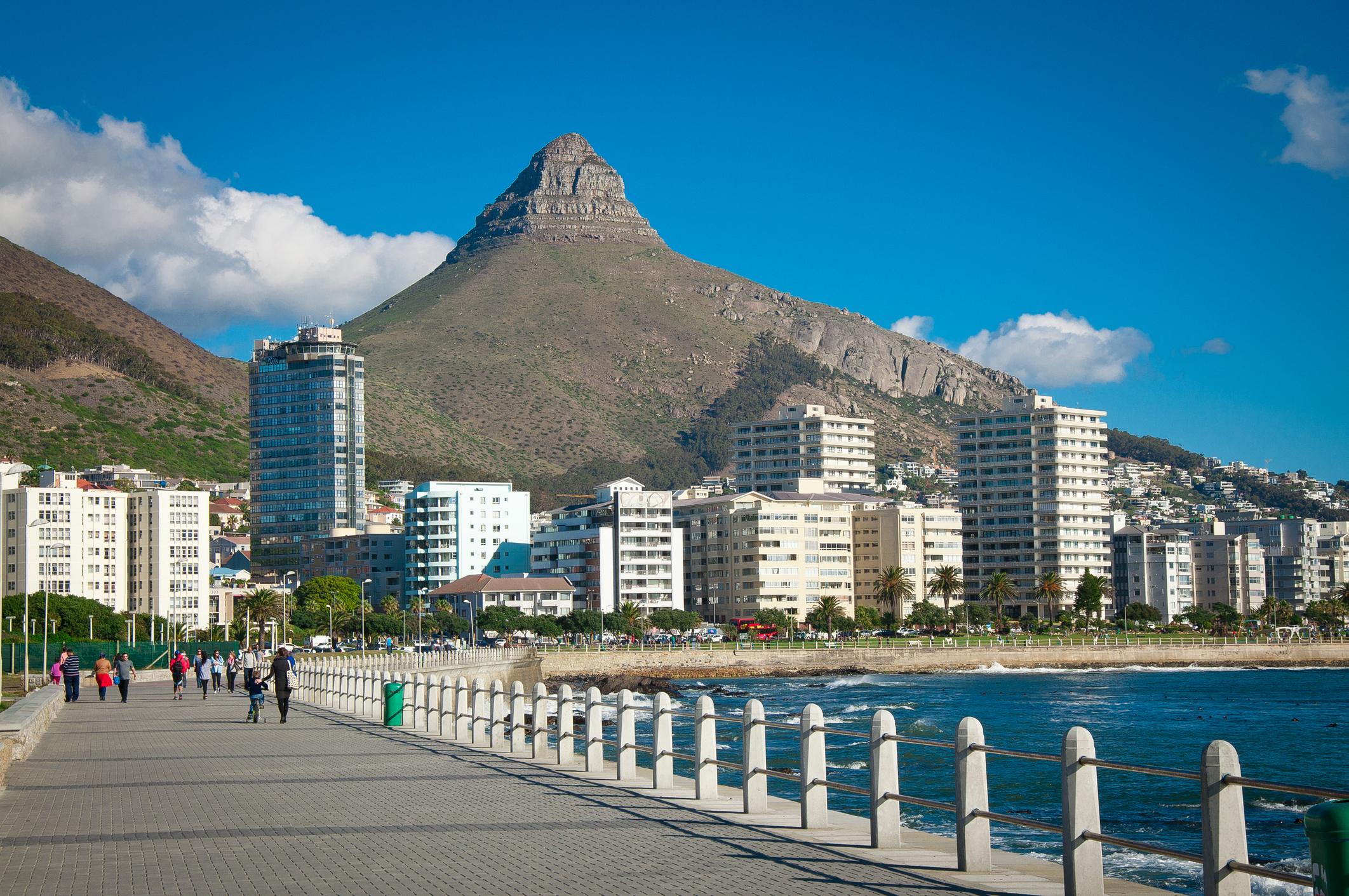
Living and working as a digital nomad in Sea Point is one of the most balanced and practical experiences you can have in Cape Town: mixing coastal lifestyle, easy access to cafés, reliable internet, and proximity to the city centre. It’s a neighbourhood where you can comfortably work during the day, relax by the sea at sunset, and socialize in the evenings.
Sea Point sits along the Atlantic Seaboard, with a long promenade right on the ocean. The overall vibe is:
• energetic but relaxed
• outdoor oriented
• moderately upscale
• well loved by locals, expats, and nomads alike
Most mornings begin with ocean air and a walk or jog along the Sea Point Promenade before work: a habit many digital nomads adopt because it helps separate work mode and life mode without any commute.
Sea Point offers a wide range of housing options, many of which suit digital nomads:
Types of places you’ll find:
• Modern apartment buildings with fibre internet and secure parking
• Balcony flats with ocean or city views
• Studio apartments ideal for solo nomads
• A few older buildings with more character and larger layouts
Expect many apartments to be walkable to cafés, gyms, grocery stores, and the promenade: essential for nomad routines.
Unlike some quieter suburbs, Sea Point stays lively throughout the day, but it isn’t overwhelmingly noisy at night, either.
Sea Point doesn’t have as many coworking spaces as the CBD or Gardens, but it doesn’t need them to be nomad friendly. Your apartment becomes your primary workspace for deep focus blocks. Most places have high speed uncapped fibre internet and dedicated desk areas.
Sea Point has several cafés where nomads regularly work:
• beachfront cafés with ocean views
• indoor cafés with power outlets and stable Wi Fi
• brunch and latte spots perfect for email sessions
With so many cafés, parks, and beach views nearby, a typical workday often looks like:
1. Morning work sprint (8:30–12:30)
2. Lunch and a walk on the promenade
3. Another work sprint (14:00–17:00)
4. Sunset swim or stroll
This blend keeps you productive while staying connected to the outdoors.
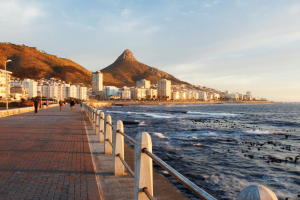
Sea Point’s biggest perk is the promenade: a 7km path right on the ocean used for walking, running, skateboarding, or just relaxing with a coffee.
After work you can:
• walk or jog along the sea
• swim at nearby beaches or tidal pools
• do sunset yoga on the promenade
• meetup with other nomads for dinner
Nearby hikes include Signal Hill and Lion’s Head, both easy to reach from Sea Point.
Sea Point’s dining and social scene is relaxed but lively:
• cafés and brunch places (many nomads work here during the day)
• evenings at cocktail bars or wine spots
• frequent meetups with nomads and expats
• yoga, spin, or fitness classes (great for connecting with people)
The community vibe is less “startup hub” and more lifestyle + local integration, which many nomads prefer.
Sea Point’s location makes transit very convenient:
• Uber, MyCiTi Bus and taxis are easy and affordable
• Biking and walking are popular everyday modes
• A short Uber ride gets you to:
o Gardens / CBD (coworking, networking)
o Camps Bay (beaches and cafés)
o V&A Waterfront (shopping + food)
Most nomads find they don’t need a car for daily life, although having one helps for day trips. Living and working in Sea Point, as a Digital Nomad, is like having the ocean as your backyard and cafés as your satellite offices: ideal for nomads who want productivity and beachside lifestyle.
4. Camps Bay
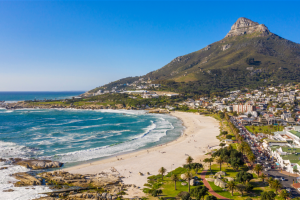
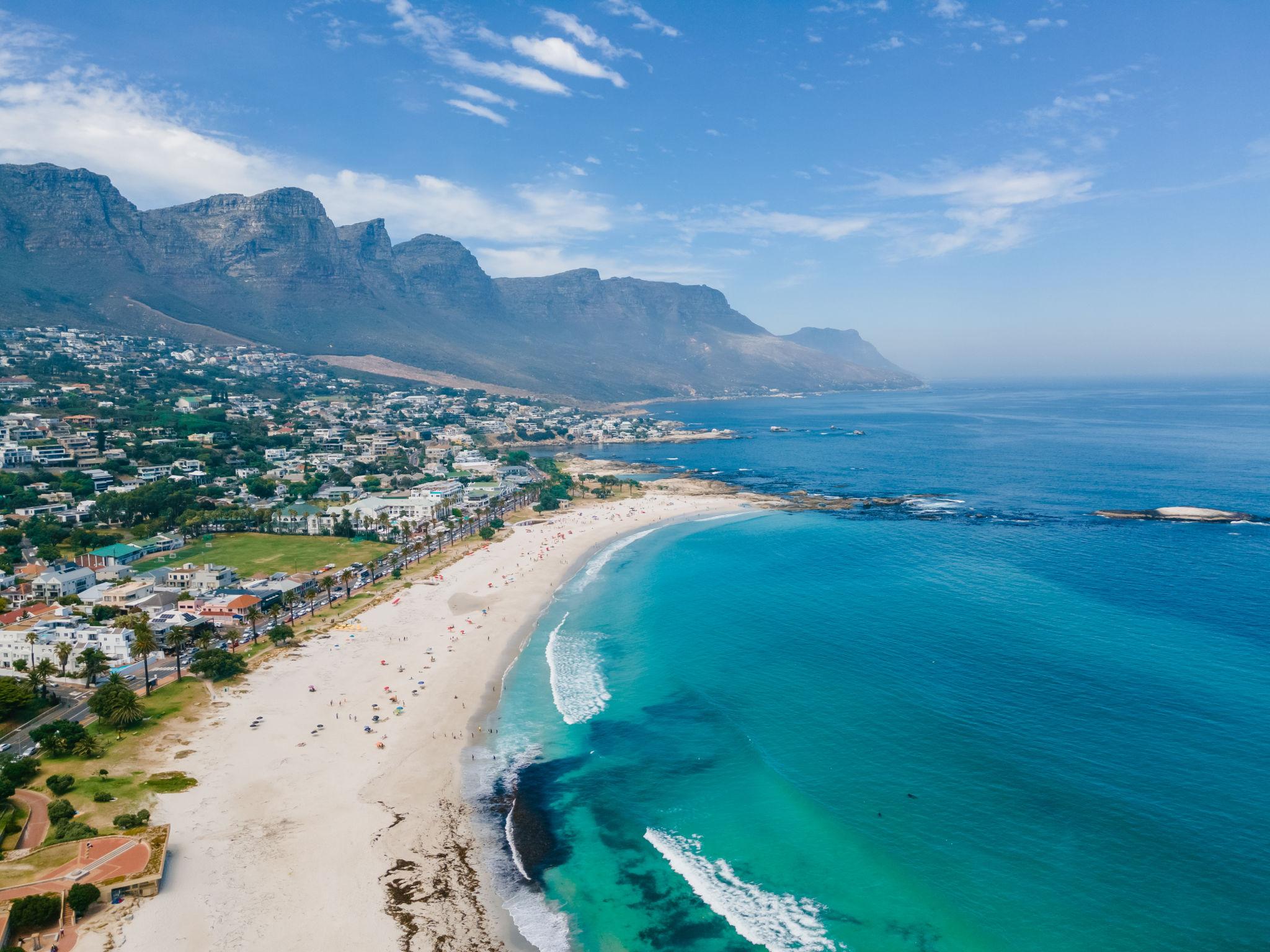
Living and working as a digital nomad in Camps Bay feels like turning your workday into a coastal lifestyle. It’s one of the most scenic neighbourhoods in Cape Town, where your office might be a balcony overlooking the ocean and your lunch break could be a swim at the beach.
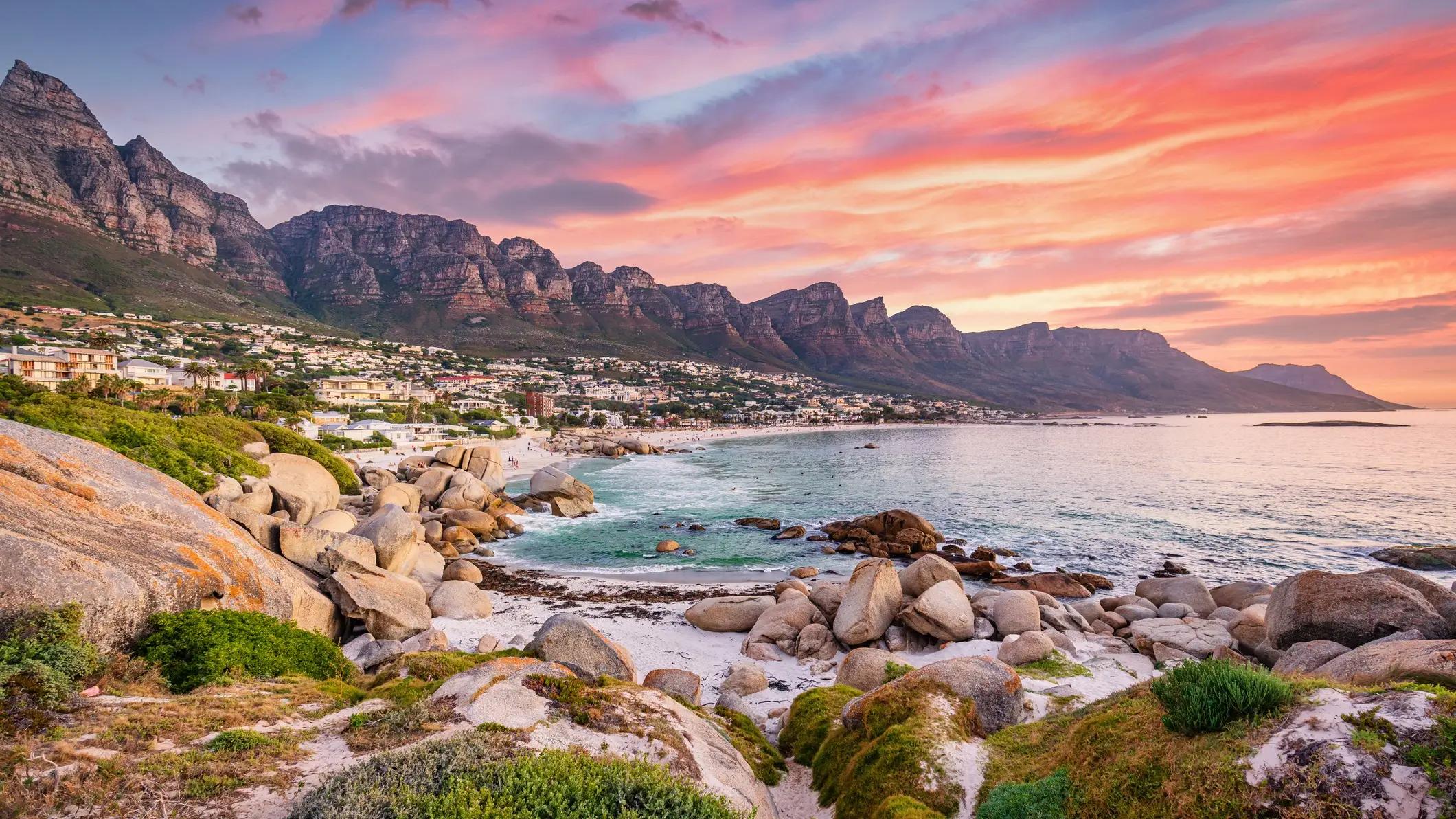
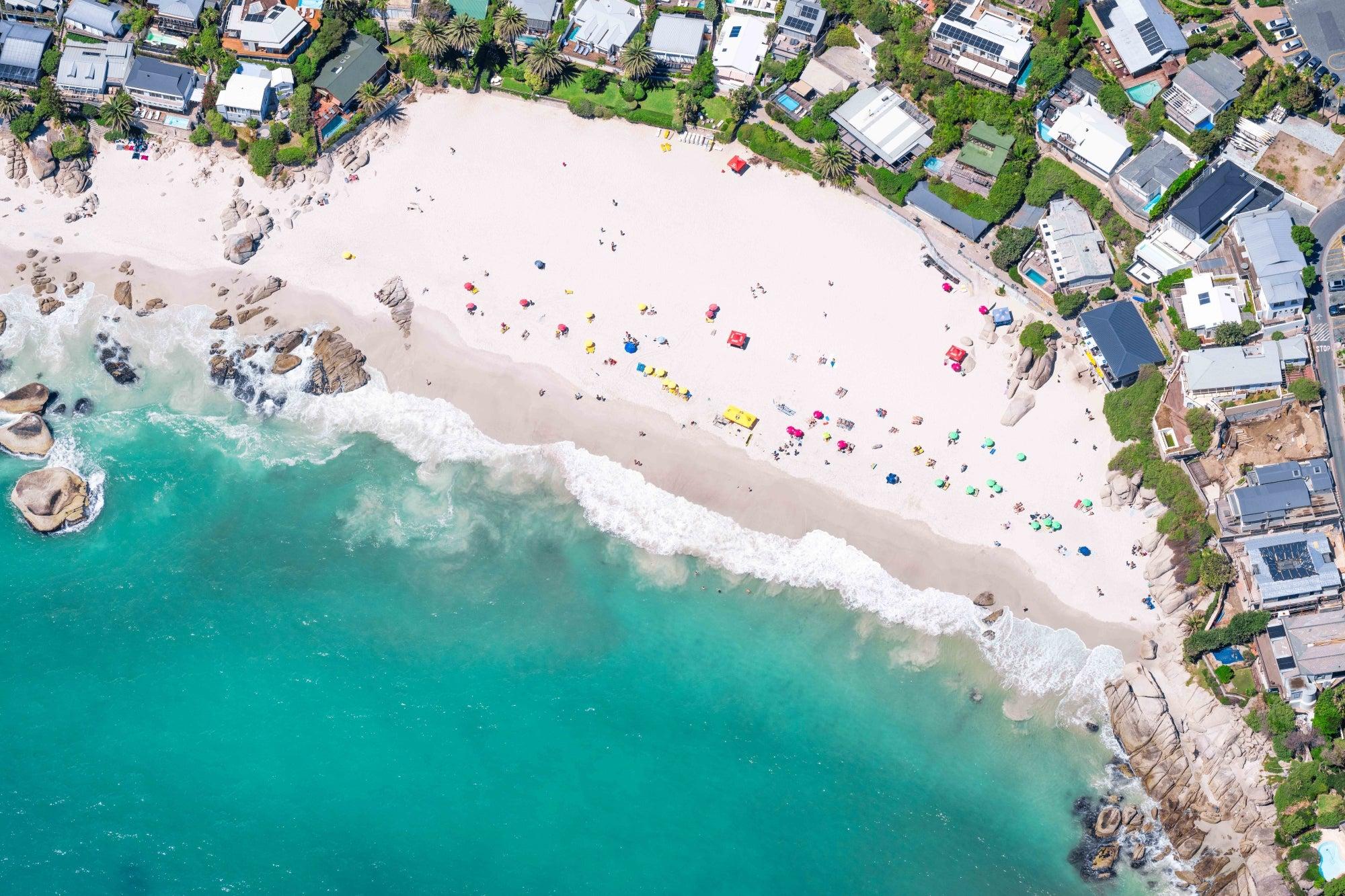
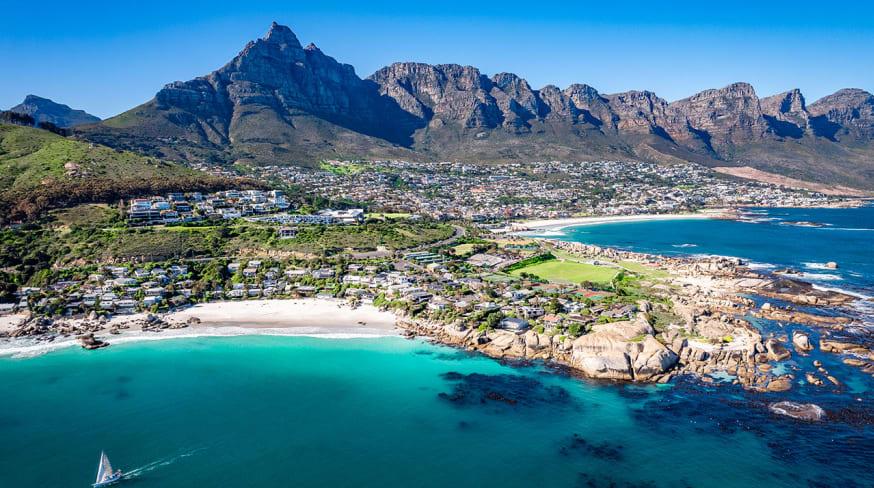
Camps Bay sits between the Atlantic Ocean and the dramatic cliffs of the Twelve Apostles Mountain Range, with Camps Bay Beach right in front. The scenery is a huge part of the appeal. White sandy beaches, palm-lined streets, and mountain sunsets create a setting that feels more like a vacation resort than a residential neighbourhood. For remote workers, the big draw is that nature is always right outside your door.
Accommodation in Camps Bay tends to be luxury-leaning compared to other parts of Cape Town.
Typical options include:
• modern apartments overlooking the ocean
• hillside villas with terraces and pools
• short-term Airbnb rentals
Many homes include:
• balconies or terraces
• ocean views
• strong fibre internet
• pools or outdoor space.
One of the biggest reasons digital nomads stay in Camps Bay is the outdoor lifestyle.
After work you can:
• swim or relax at Camps Bay Beach
• hike trails in Table Mountain National Park
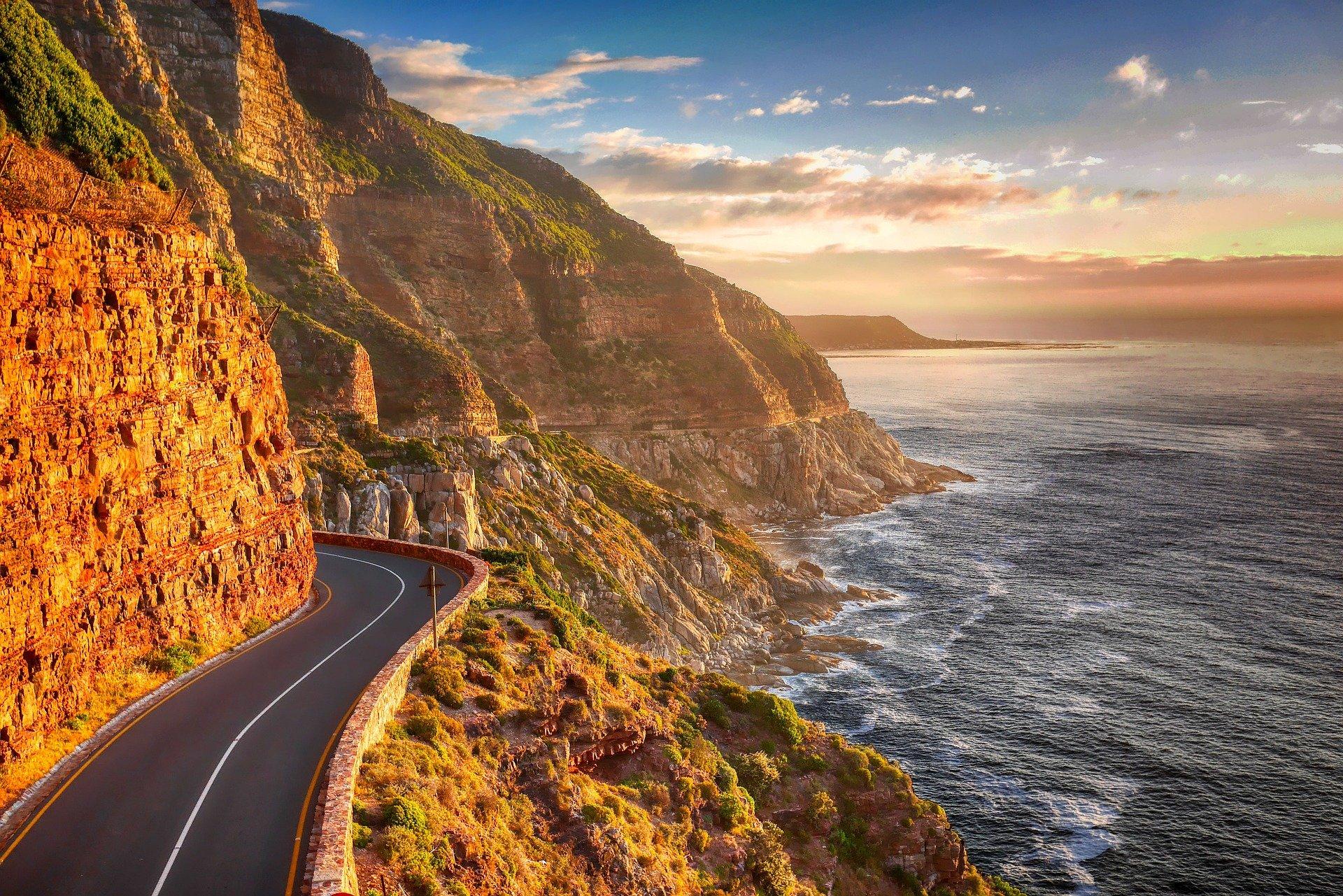
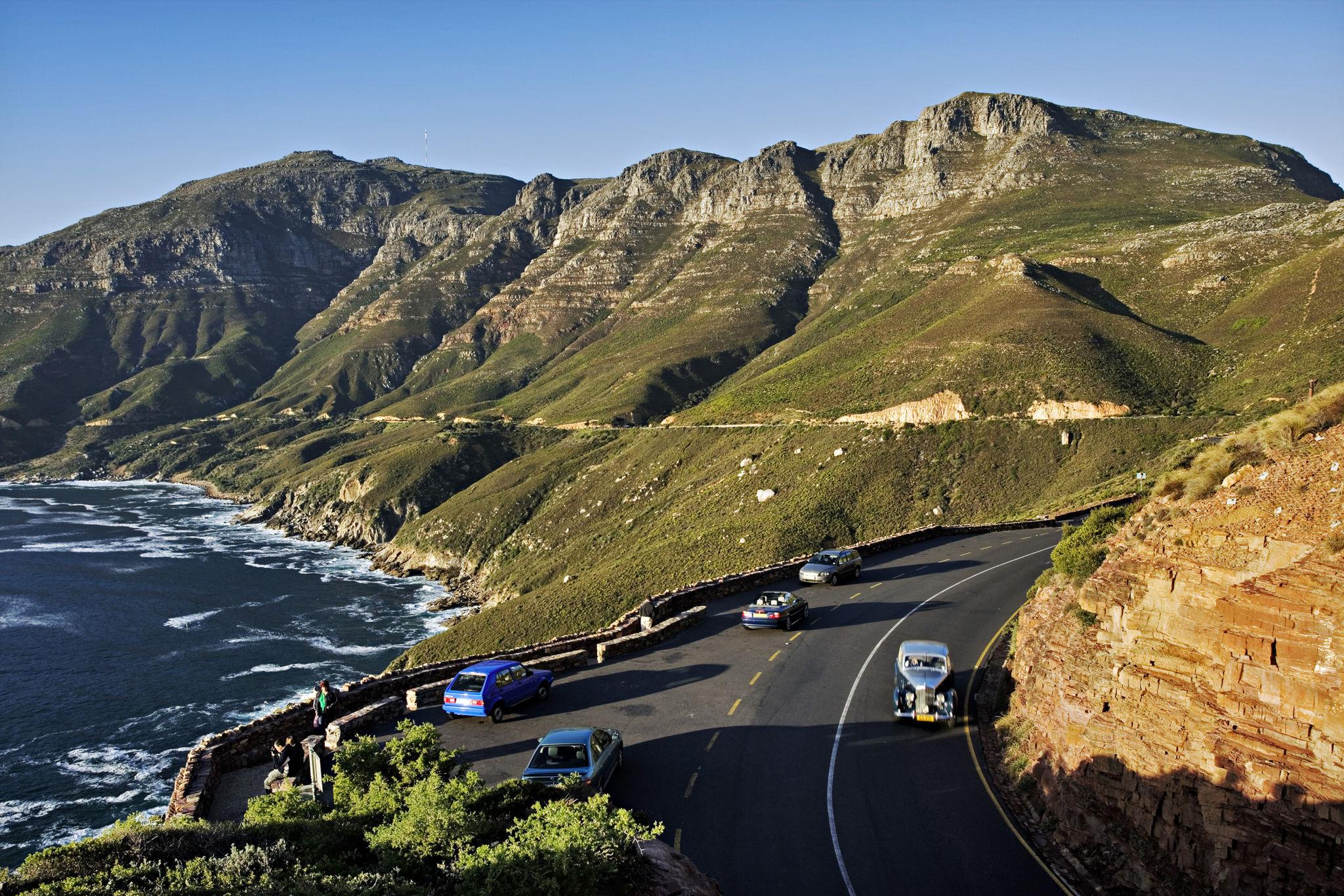
• drive the scenic Chapman’s Peak Drive
• watch sunset from Lion’s Head
Camps Bay beachfront strip along Victoria Road has several places where digital nomads work remotely.
Popular options include:
Mantra Cafe (Camps Bay)
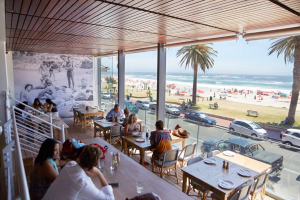
Working remotely at Mantra Café feels like working from a beach lounge with a laptop. It’s one of the few places in Camps Bay where you can answer emails while looking directly at the ocean.
The café sits on Victoria Road facing Camps Bay Beach, inside a modern glass-fronted building with wide windows overlooking the sea.
For a digital nomad arriving with a laptop, the immediate experience is:
• panoramic ocean views
• bright natural light from large windows
• the sound of waves and beach traffic outside
It feels more like a coastal lounge or restaurant than a workspace, which is part of the charm. Although it’s primarily a restaurant, it works surprisingly well for short remote work sessions.
Typical setup includes:
• tables facing the beach
• booths inside the café
• Wi-Fi available for guests
• strong natural lighting from large windows.
• power outlets are mainly in the booths, so if you want to work for longer you should arrive with a fully charged laptop.
Many nomads sit near the windows where they can work while watching the beach.
Café Caprice
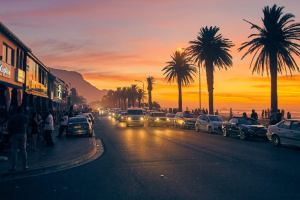
Working as a digital nomad here feels less like sitting in a quiet coffee shop and more like working from a stylish beachfront social hub. It’s one of the most famous venues on the Camps Bay strip, sitting directly across the road from Camps Bay Beach with open views of the Atlantic.
For a digital nomad opening a laptop, the environment feels like:
• ocean views across the road
• palm-tree lined beachfront
• constant sunlight and sea breeze
• a steady flow of locals and tourists
It feels more like a holiday lounge than a workspace.
Technically you can work here, but it’s not built as a productivity café.
Typical setup includes:
• outdoor terrace tables
• indoor lounge seating
• Wi-Fi available for guests
• space for laptops during quieter hours
However, most people working here do short work sessions rather than full workdays.
Typical activities you’ll see:
• replying to emails
• planning travel
• editing photos
• quick remote meetings.
What makes working at Café Caprice so special is the sunset moment.
Around late afternoon:
• the ocean turns golden
• the mountains glow behind Camps Bay
• Café Caprice fills with people arriving for sundowners
The venue is famous for sunset cocktails and a cosmopolitan crowd enjoying the view.
So, a work session can easily turn into drinks with a view of the Atlantic.
Okja

Working as a digital nomad at Okja feels like setting up your laptop at a small beachfront espresso bar. It’s casual, energizing, and surrounded by the atmosphere of Camps Bay rather than the quiet focus of a coworking space. Everything is fully plant-based, which is a big part of the café’s identity.
Okja sits right on the Camps Bay beachfront strip, just across the road from the ocean. From the seating area you can often see the Atlantic through palm trees while traffic and beach life move around you.
The café itself is small and minimalist, with an order window and a small deck or curb-side seating area where customers sit with coffee and pastries.
As a remote worker, your “office” here looks something like:
• a small outdoor table
• ocean breeze and sunlight
• the sound of buses, cars, and beachgoers
• people grabbing takeaway coffee before the beach
It’s a very Cape Town coastal vibe.
Okja is workable for short to medium work sessions, but it’s not designed as a laptop café. It works best as a mid-morning “coffee + laptop” stop, rather than a full remote office. One thing that makes working here enjoyable is the food and coffee.
Many people choose Camps Bay specifically because they want nature and relaxation after work. Camps Bay is like working remotely from a beachfront resort: incredible scenery and relaxed living, but slightly removed from the business and creative energy of central Cape Town.
Vida e Caffè Camps Bay

Working here as a digital nomad feels like a quick productivity stop inside a lively beachfront coffee bar. It’s one of the most casual and accessible cafés on the Camps Bay strip, directly across from the beach, where locals grab their morning coffee and travellers stop before heading down to the sand.
The café sits on Victoria Road, right opposite Camps Bay Beach. Many tables face the ocean, so while working you’ll see palm trees and the glistening Atlantic Ocean. This location makes it easy to combine remote work with beach lifestyle.
Vida e Caffè works best for short or medium work sessions, not a full coworking day.
Typical setup for nomads:
• small café tables suitable for laptops
• free Wi-Fi for customers
• relaxed café environment with people chatting or grabbing takeaway coffee
Because it’s a busy coffee chain location, the rhythm is usually:
• 60–120 minutes of laptop work
• coffee refill
• then move on to the beach or another café
One advantage is quick, reliable coffee service. The menu focuses on:
• espresso drinks
• iced coffees and smoothies
• toasted sandwiches and wraps
• light breakfast or snack options
The service style is fast and casual, so it’s easy to grab another drink without interrupting your workflow.
Bottom line: Cape Town is ideal for digital nomads who want a mix of productivity, nature, and lifestyle. Few cities in the world let you finish work and be on a mountain or beach within 20 minutes.