The Ultimate Guide to Exploring South Africa’s National Parks
South Africa is a country where wilderness still breathes freely. From vast savannahs alive with roaming elephants to ancient deserts dotted with fossilized dunes, its 19 National Parks protect some of the most diverse landscapes on Earth. Managed largely by South African National Parks (SANParks), these protected areas are not just destinations. They are stories of conservation, culture, and unforgettable adventure.
Whether you’re a first-time visitor or a local rediscovering your backyard, South Africa’s National Parks offer journeys that stay with you long after the dust has washed off your boots.
Addo Elephant National Park is a large and diverse protected area in South Africa’s Eastern Cape, best known for its impressive population of African elephants.
Originally established in 1931 to protect the region’s last remaining elephants, the park has since expanded dramatically. Today it covers a wide range of ecosystems, from semi-arid bushveld and dense thicket to coastal dunes, islands, and marine environments.
Key features of Addo Elephant National Park:
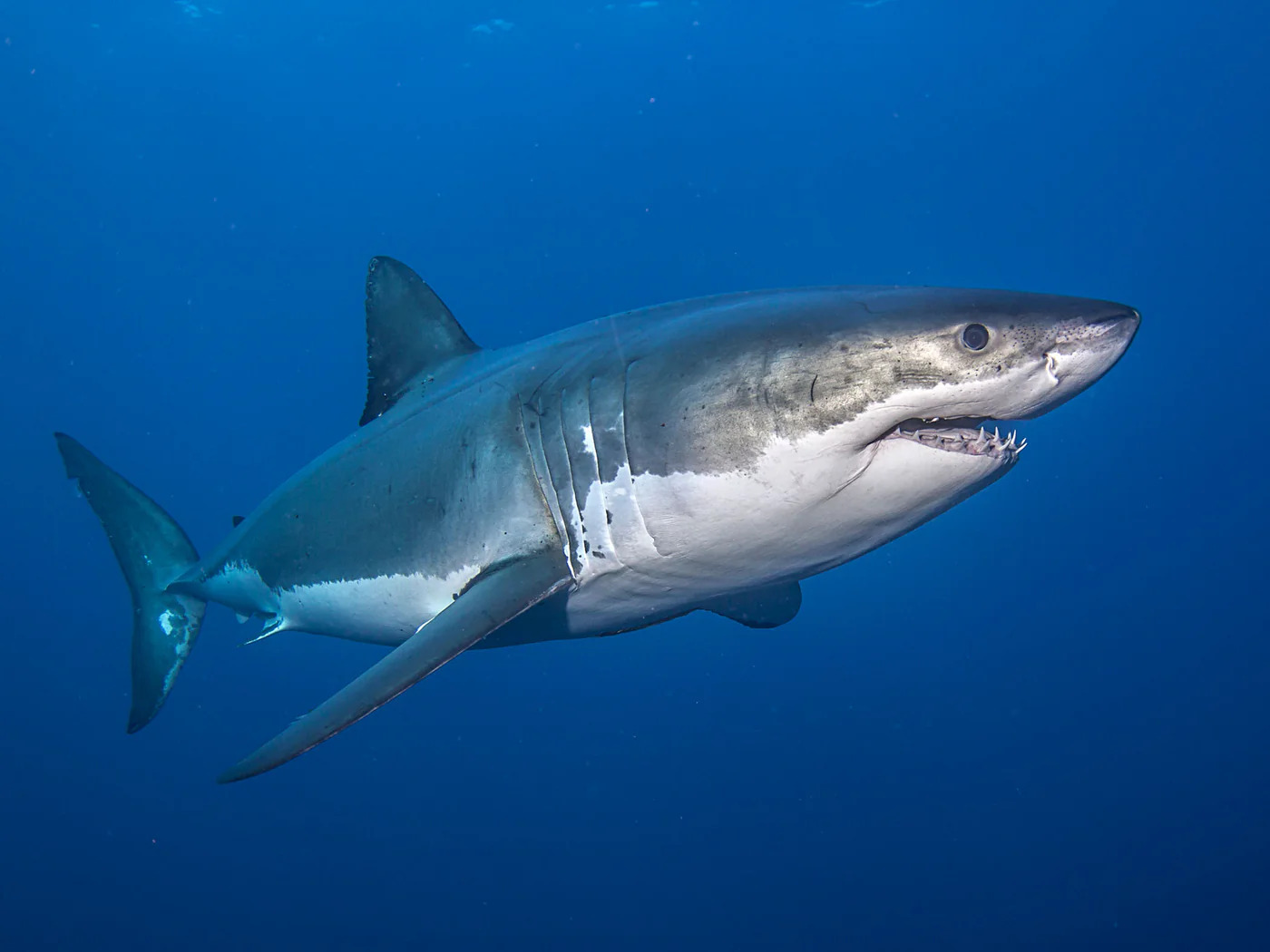
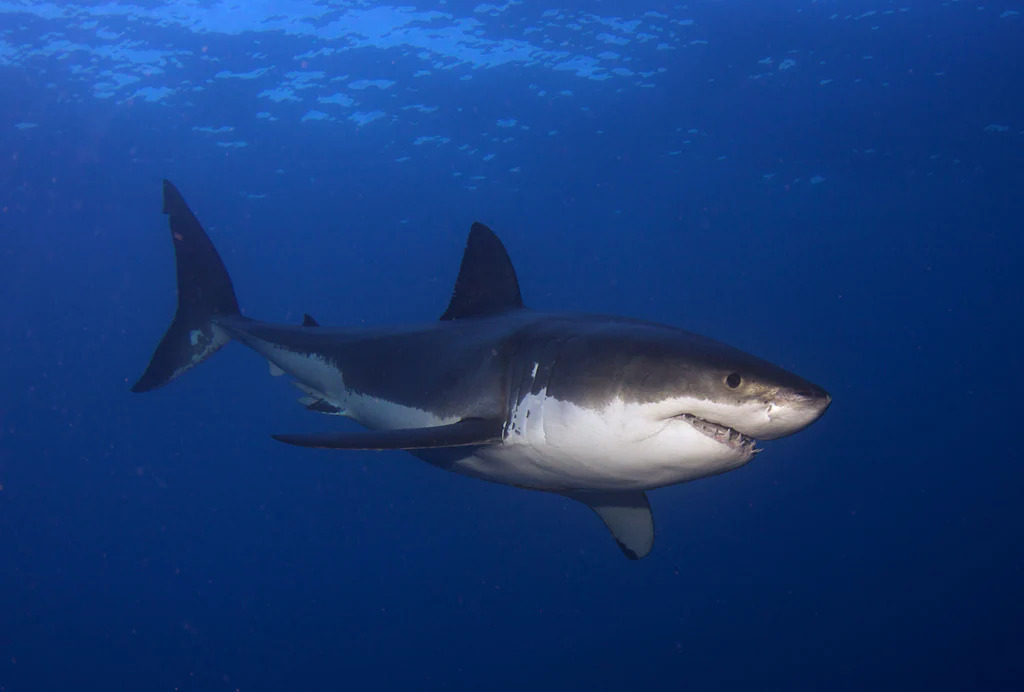
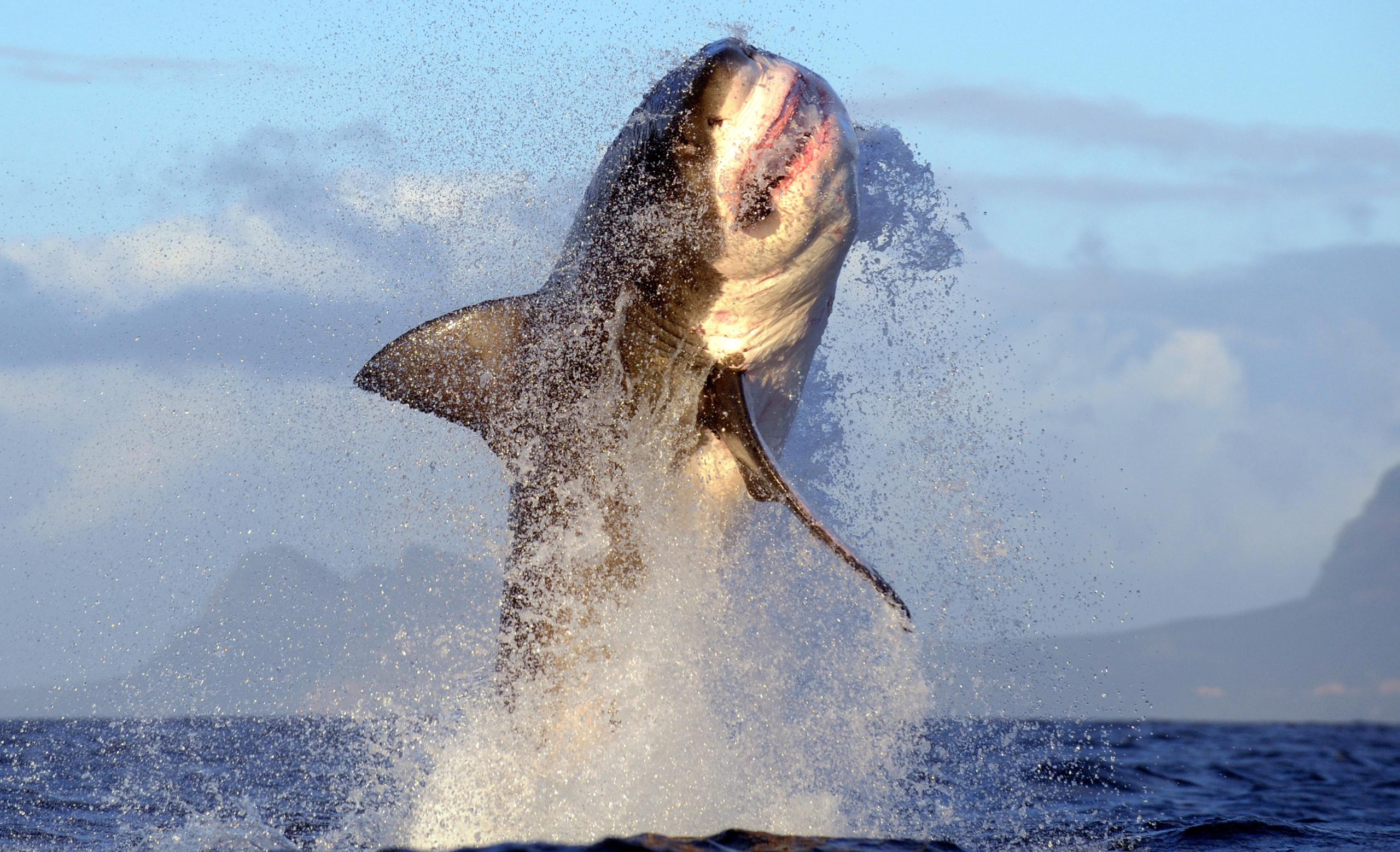
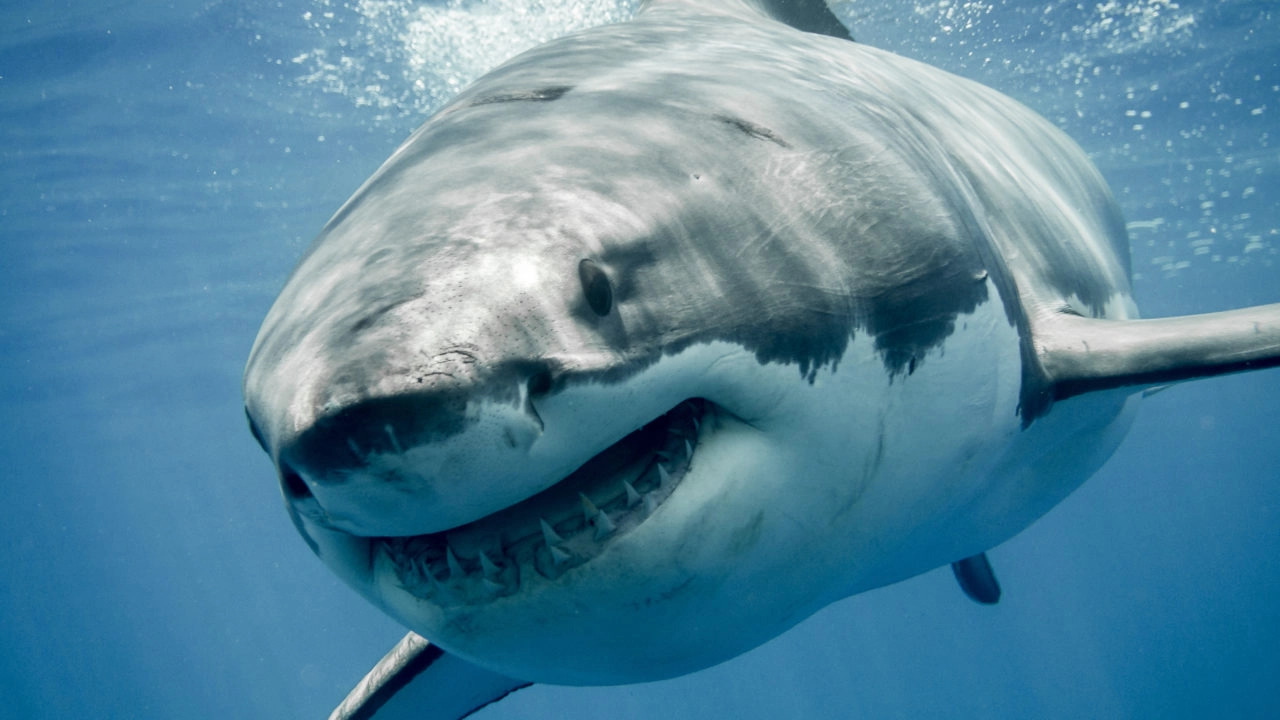
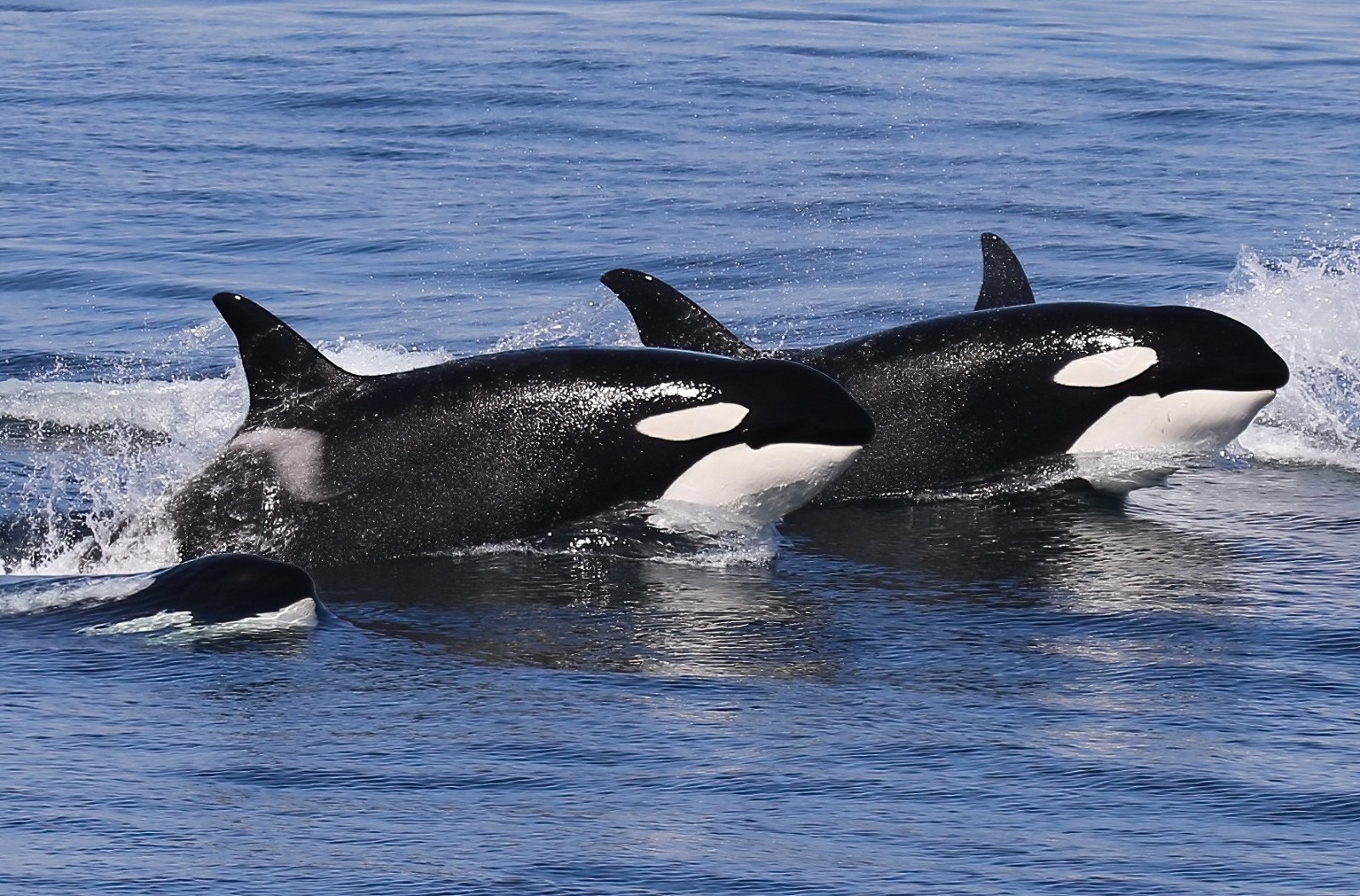
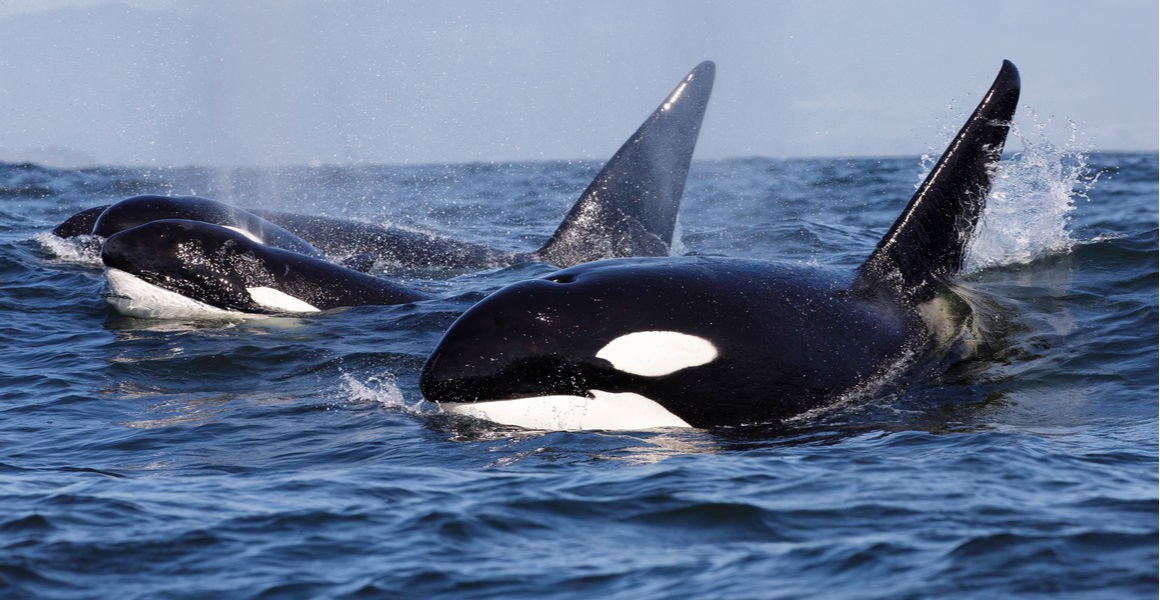
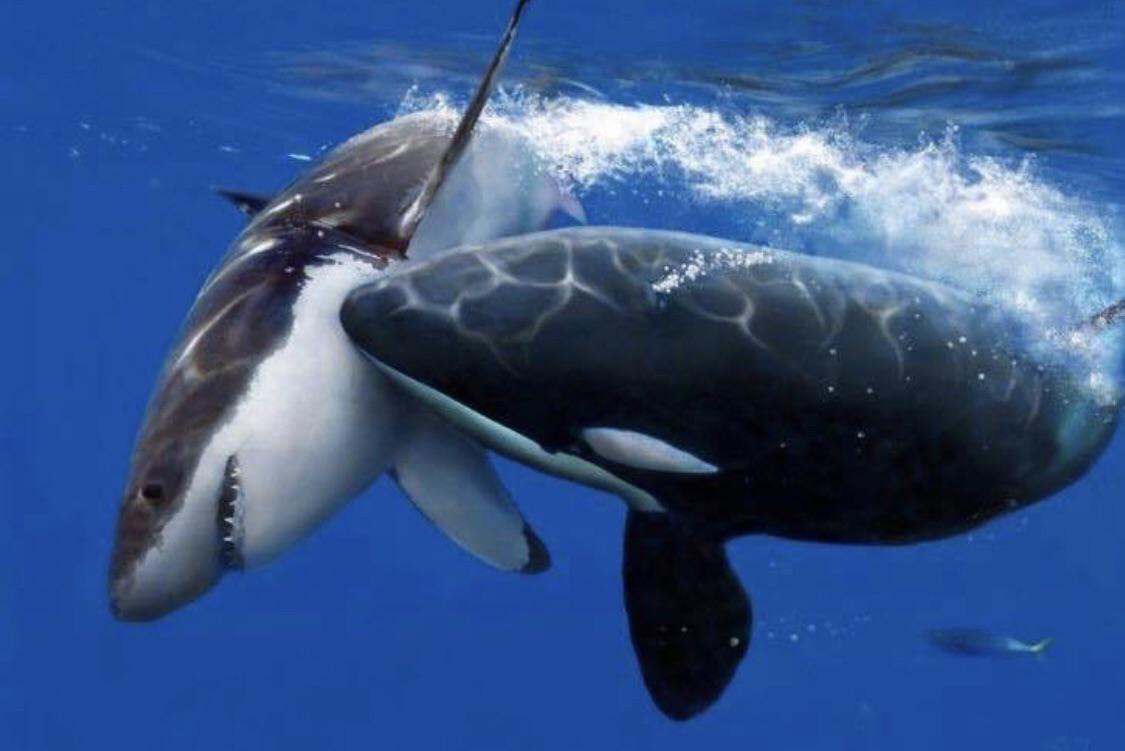
- Wildlife: Home to the “Big Seven” – elephant, lion, leopard, rhinoceros, buffalo, southern right whale, and great white shark. Elephants are the star attraction, often seen in large herds at waterholes.
- Landscape: The park’s vegetation is dominated by dense, thorny Addo thicket, interspersed with open plains, mountains, and coastal areas.
- Accessibility: Located about 70 km northeast of Gqeberha (Port Elizabeth), it is one of South Africa’s most accessible national parks and is well suited to self-drive safaris.
- Conservation success: Addo is regarded as a conservation success story, having grown from a small sanctuary of 11 elephants to a park protecting hundreds of elephants and many other species.
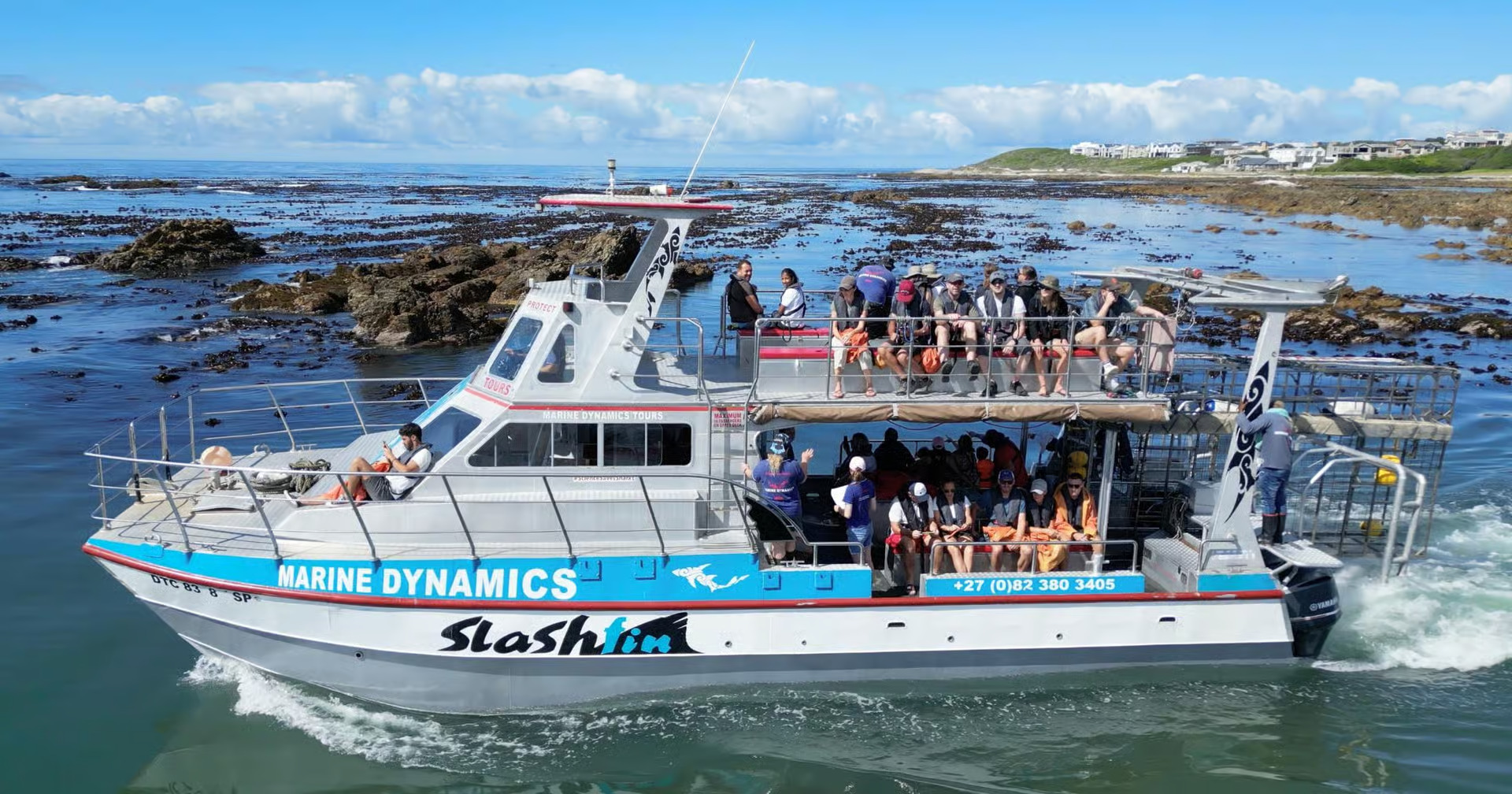
- Activities: Game drives, guided walks, overnight trails, birdwatching, and marine eco-tours in the park’s coastal section.
Addo Elephant National Park is celebrated for its strong conservation focus, scenic diversity, and excellent opportunities to see wildlife in a less commercialized setting than some of South Africa’s larger parks.
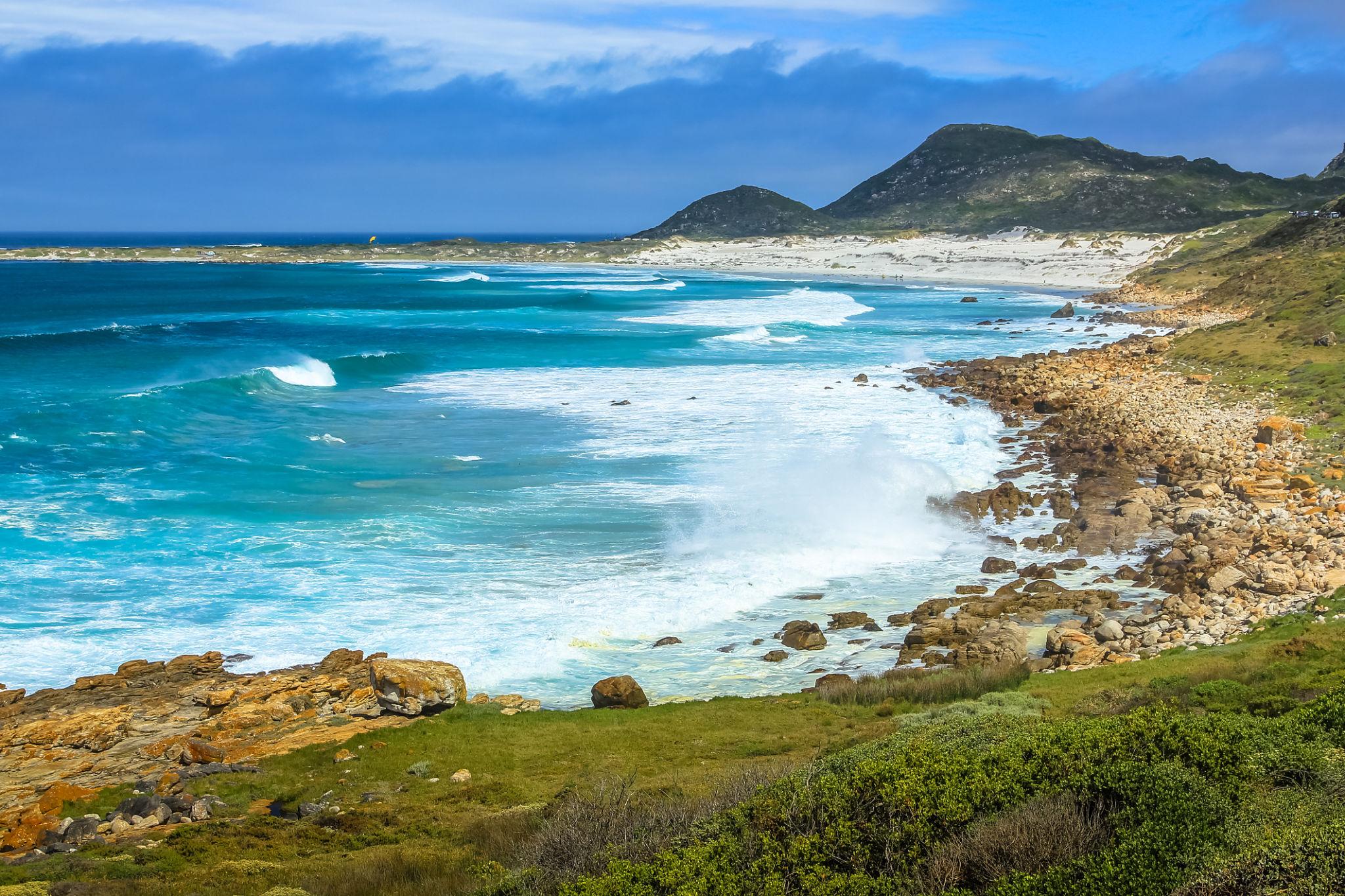
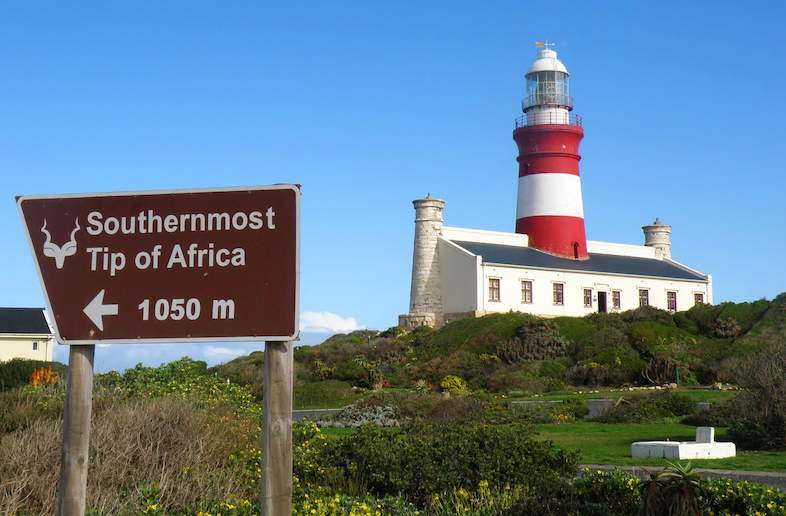
Agulhas National Park is a distinctive and scenic protected area at the southernmost tip of Africa, where the Atlantic and Indian Oceans meet. Located near the town of L’Agulhas in South Africa’s Western Cape, the park is known less for big game and more for its dramatic coastal landscapes, rich plant life, and cultural history.
The park protects a large stretch of fynbos, part of the Cape Floristic Region and a UNESCO World Heritage Site. This vegetation is exceptionally diverse, with many plant species found nowhere else on Earth. In spring, wildflowers transform the landscape into a colourful mosaic.
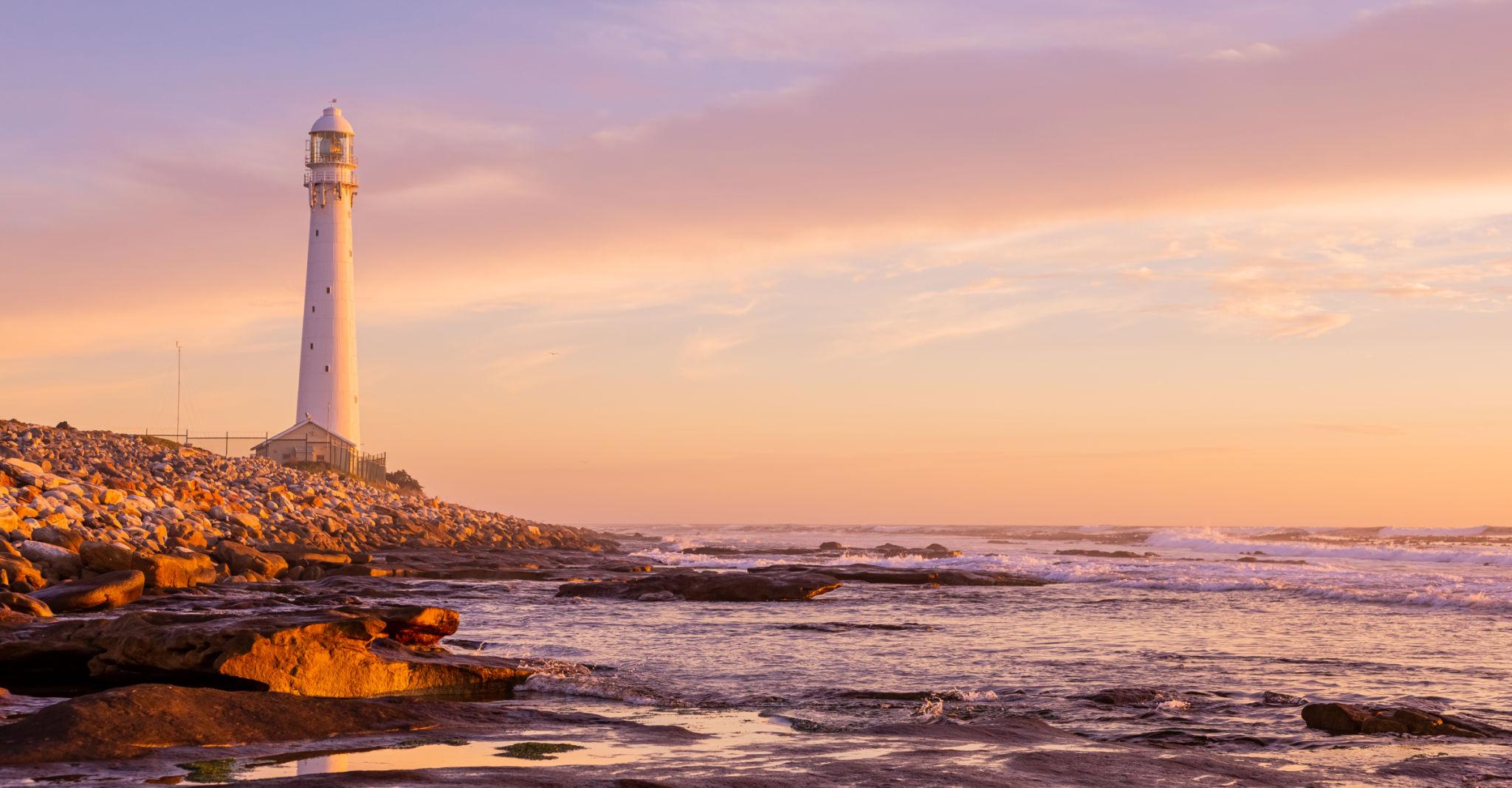
Agulhas National Park features a rugged coastline of rocky shores, tidal pools, wetlands, and sandy beaches. The waters offshore are treacherous, earning the area the nickname “the graveyard of ships” due to numerous historic shipwrecks. The iconic Cape Agulhas Lighthouse, South Africa’s second-oldest working lighthouse, is a central landmark and offers views over the meeting point of the two oceans.
Wildlife in the park includes bontebok, eland, ostrich, zebra, and various antelope, as well as rich birdlife, especially in the wetlands. The coastline supports marine life such as whales (seasonally), dolphins, and seabirds.
Visitors come to Agulhas National Park for hiking, birdwatching, photography, coastal exploration, and to experience the symbolic southern tip of the continent. It’s quiet, windswept beauty and ecological importance make it a unique contrast to South Africa’s more famous safari parks.
Augrabies Falls National Park (Northern Cape)
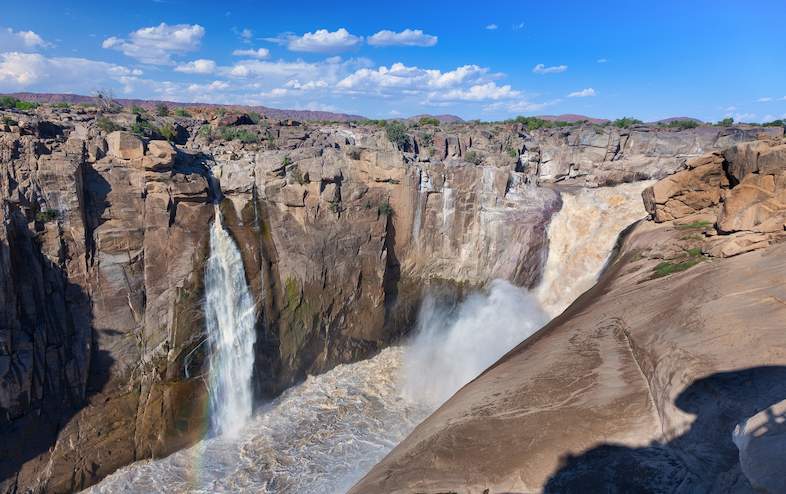
Augrabies Falls National Park is a dramatic and rugged protected area in South Africa’s Northern Cape, centred around one of the country’s most impressive waterfalls. It lies along the Orange River, near the town of Kakamas, in an otherwise arid desert landscape.
Augrabies Falls National Park’s main attraction is the Augrabies Falls, where the Orange River plunges about 56 metres into a deep granite gorge. During the summer rainy season, the river can swell enormously, creating a thunderous, mist-filled spectacle. The name “Augrabies” comes from the Khoisan word meaning “place of great noise,” which perfectly describes the falls in full flow.
Beyond the waterfall, the park features a harsh but beautiful semi-desert environment, with rocky koppies, deep gorges, and vast open plains. Vegetation is sparse and specially adapted to heat and drought, including hardy shrubs, aloes, and quiver trees.
Wildlife includes klipspringer, giraffe, springbok, zebra, and Hartmann’s mountain zebra, as well as predators like leopard (rarely seen). The park is especially rich in reptiles and birdlife, with species such as black eagles, fish eagles, and various raptors commonly spotted.
Augrabies Falls National Park is popular for viewpoints, hiking trails, game viewing, stargazing, and photography. Its stark landscapes, extreme temperatures, and powerful river make it a striking contrast to South Africa’s greener National Parks.
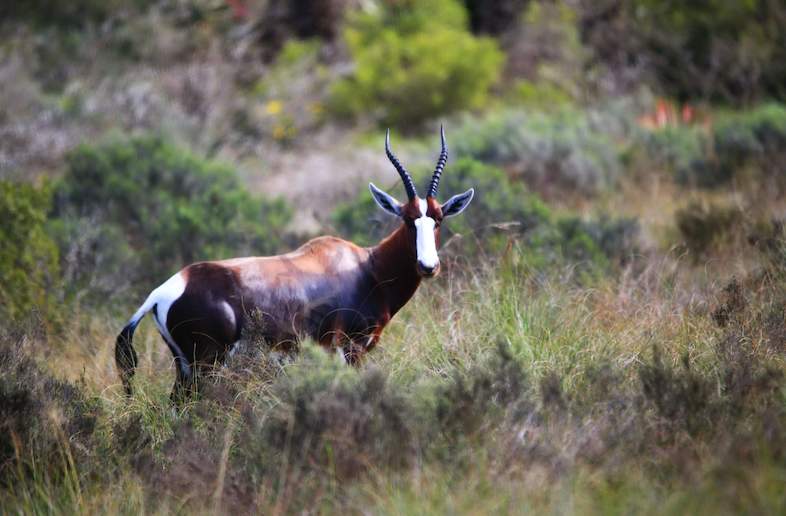
Bontebok National Park is the smallest National Park but a significant National Park in South Africa’s Western Cape, located near the town of Swellendam along the Breede River. It was originally established to protect the bontebok antelope, which was once on the brink of extinction.
The park lies within the Cape Floristic Region and is dominated by renosterveld and fynbos vegetation. This habitat is among the most threatened in South Africa, making the park especially important for plant conservation. In spring, wildflowers add colour to the rolling landscape.
Despite its modest size, Bontebok National Park supports a variety of wildlife, including bontebok, Cape mountain zebra, red hartebeest, grey rhebok, and smaller mammals. The Breede River attracts waterbirds and provides opportunities for fishing and canoeing.
The scenery is gentle rather than dramatic, with open plains backed by the Langeberg Mountains, creating a peaceful atmosphere. The park is well suited to walking, cycling, birdwatching, and relaxed game viewing rather than big-game safaris.
Bontebok National Park is valued for its conservation success story, tranquil setting, and accessibility, making it an ideal stop for visitors interested in biodiversity, landscapes, and the quieter side of South Africa’s national parks.
Camdeboo National Park is a striking national park in South Africa’s Eastern Cape, surrounding the historic town of Graaff-Reinet. Set within the semi-arid Karoo, the park is best known for its dramatic landscapes, geological features, and wide open vistas rather than dense wildlife.
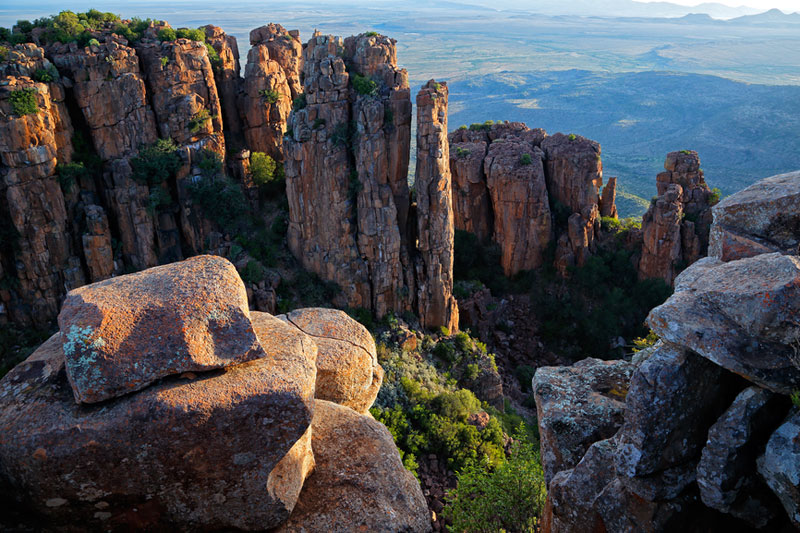
The park’s most famous feature is the Valley of Desolation, where towering dolerite columns rise steeply from the valley floor. Formed by volcanic activity and millions of years of erosion, these sheer cliffs offer breathtaking viewpoints, especially at sunrise and sunset.
Camdeboo National Park protects a variety of Karoo vegetation types, including dwarf shrubs and grasses adapted to dry conditions. Wildlife includes kudu, gemsbok, red hartebeest, springbok, Cape buffalo, and smaller mammals, along with reptiles well suited to the heat. Birdlife is notable, particularly raptors such as Verreaux’s eagles and falcons.
The park also has a strong cultural and historical connection to Graaff-Reinet, one of South Africa’s oldest towns. Several historical sites and old farmsteads are preserved within the park boundaries.
Visitors are drawn to Camdeboo for scenic drives, hiking trails, stargazing, photography, and the sense of space typical of the Karoo. Its combination of geological drama, history, and tranquil desert beauty makes it one of South Africa’s most visually distinctive national parks.
Garden Route National Park is a diverse and scenic protected area along South Africa’s southern Cape Coast, stretching from Wilderness to Tsitsikamma. Rather than being a single continuous park, it is made up of several sections that together protect forests, coastline, mountains, rivers, and marine environments.
Garden Route National Park is famous for its ancient indigenous forests, dominated by yellowwood trees, ferns, and towering canopy vegetation. These forests are remnants of once-vast woodlands and are rich in birdlife, including Knysna turaco (loerie) and forest raptors. Inland, rugged mountains and deep gorges are cut by clear rivers and waterfalls.
Along the coast, the park features dramatic rocky cliffs, sandy beaches, lagoons, and estuaries. The Tsitsikamma section is especially well known for its spectacular shoreline, suspension bridges, and the protected marine area offshore. Southern right whales and dolphins can often be seen from the coast during certain times of the year.
Wildlife is varied but generally shy, including bushbuck, caracal, baboon, and small mammals. The marine and bird life are major highlights, with seabirds, otters, and rich intertidal ecosystems.
Garden Route National Park is a major destination for hiking, kayaking, forest walks, birdwatching, coastal exploration, and adventure activities such as canopy tours. Its combination of lush forests, wild coastline, and accessible trails makes it one of South Africa’s most popular and ecologically important National Parks.
Golden Gate Highlands National Park is a scenic mountain park in South Africa’s Free State, near the town of Clarens, renowned for its dramatic sandstone cliffs and wide-open highland landscapes.
The park takes its name from the glowing golden and ochre-coloured sandstone formations that dominate the area. These cliffs, shaped by wind, rain, and time, appear especially striking at sunrise and sunset. Among the most famous rock formations are Brandwag (Sentinel Rock) and various natural arches and caves.
Set in the foothills of the Maluti Mountains, the park consists mainly of high-altitude grasslands, interspersed with valleys, streams, and patches of indigenous shrubs. In summer, the grasslands turn lush and green, while winter often brings frost and occasional snow, creating a very different but equally beautiful atmosphere.
Wildlife includes black wildebeest, blesbok, eland, red hartebeest, zebra, and small mammals such as jackal and rodents. The park is also rich in birdlife, with species like bearded vultures, bald ibises, and various raptors taking advantage of the cliffs and open spaces.
Golden Gate Highlands National Park is popular for hiking, scenic drives, photography, horse riding, and nature appreciation. Its combination of striking geology, seasonal beauty, and accessible mountain scenery makes it one of South Africa’s most visually distinctive National Parks.
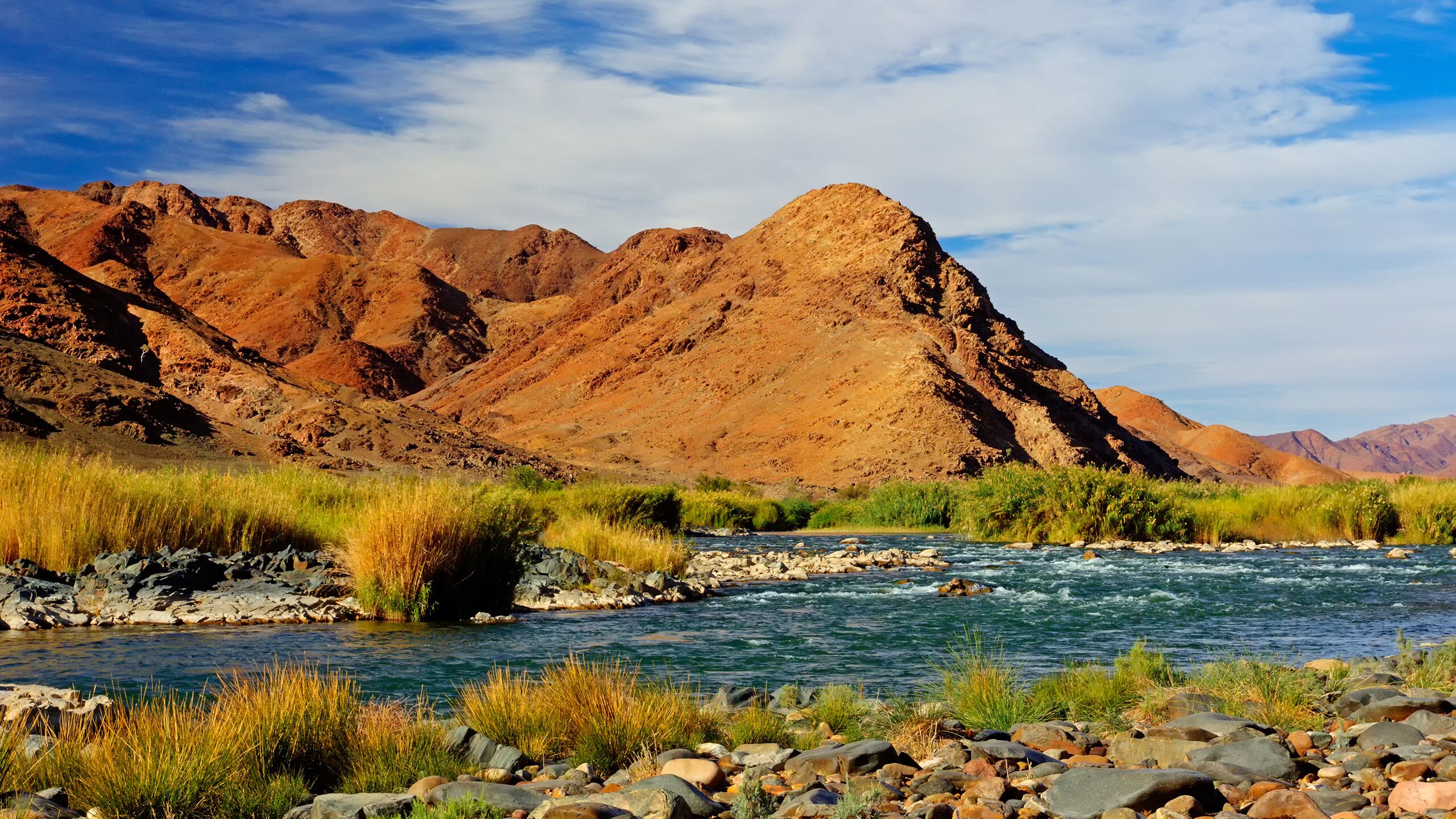
The Richtersveld Transfrontier Park is a remote and extraordinary conservation area straddling the border between South Africa’s Northern Cape and Southern Namibia, along the Orange River. It is one of the world’s most dramatic desert landscapes and a rare example of a living cultural landscape.
The Richtersveld Transfrontier Park protects part of the Succulent Karoo, a global biodiversity hotspot and UNESCO World Heritage Site. Despite the harsh, arid conditions, the area supports an astonishing variety of plant life, especially succulents, many of which are found nowhere else on Earth. Quiver trees, halfmens (Pachypodium namaquanum), and other drought-adapted plants give the landscape a surreal, sculpted appearance.
The terrain is rugged and mountainous, with jagged peaks, deep valleys, rocky plains, and vast open spaces. Temperatures can be extreme, and the environment feels raw and untouched. The Orange River forms a green ribbon through the desert, providing a striking contrast and supporting riverine vegetation and birdlife.
Wildlife is subtle rather than abundant, including mountain zebra, klipspringer, baboon, reptiles, and many small desert-adapted species. Birdlife is diverse, particularly along the river.
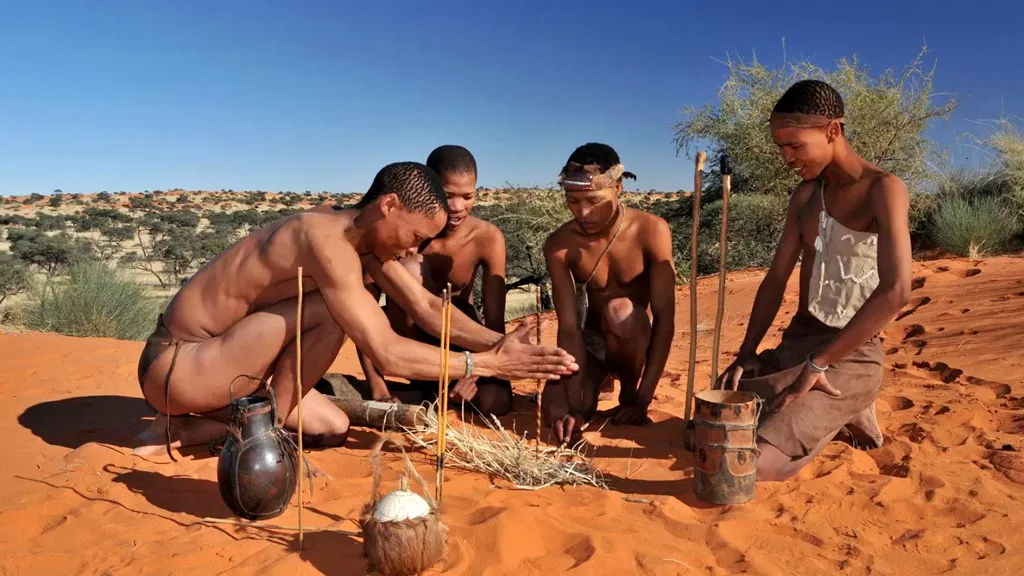
What makes the Richtersveld Transfrontier Park truly unique is its cultural significance. It is jointly managed with the Nama people, who have lived in the region for centuries and continue traditional semi-nomadic pastoral practices. Their knowledge and way of life are integral to the Richtersveld Transfrontier Park’s identity.
The Richtersveld Transfrontier Park appeals to adventurous visitors seeking 4×4 exploration, wilderness camping, hiking, stargazing, and solitude. Its stark beauty, botanical richness, and cultural depth make it one of Southern Africa’s most distinctive and unforgettable protected areas.
Karoo National Park is a vast and scenic national park in South Africa’s Western Cape, situated near the town of Beaufort West at the edge of the Great Karoo. It showcases the stark beauty, wide horizons, and unique biodiversity of South Africa’s semi-desert interior.
The park is dominated by rolling plains, flat-topped hills, and rugged mountain ridges of the Nuweveld Mountains. The landscape appears dry and austere at first glance, but it supports a surprisingly rich variety of life adapted to extreme temperatures and low rainfall.
Vegetation consists mainly of Karoo shrubs, grasses, and succulents, many of which flower spectacularly after rain. The park is also known for its fossil record, with important discoveries of prehistoric reptiles that once lived here millions of years ago.
Wildlife includes black rhino, Cape mountain zebra, gemsbok, eland, kudu, red hartebeest, and smaller mammals such as bat-eared foxes and aardvarks (rarely seen). Predators like black-backed jackal and caracal are present, and the park is rich in birdlife, including raptors and endemic Karoo species.
Karoo National Park is popular for scenic drives, hiking, birdwatching, stargazing, and experiencing the silence and space of the Karoo. Its blend of natural history, conservation importance, and dramatic open landscapes makes it a key destination for understanding South Africa’s arid heartland.
Kgalagadi Transfrontier Park is a vast, iconic conservation area spanning the border between South Africa and Botswana, forming one of Southern Africa’s largest transboundary parks. It lies in the Kalahari Desert region and is renowned for its red dunes, wide open spaces, and exceptional predator viewing.
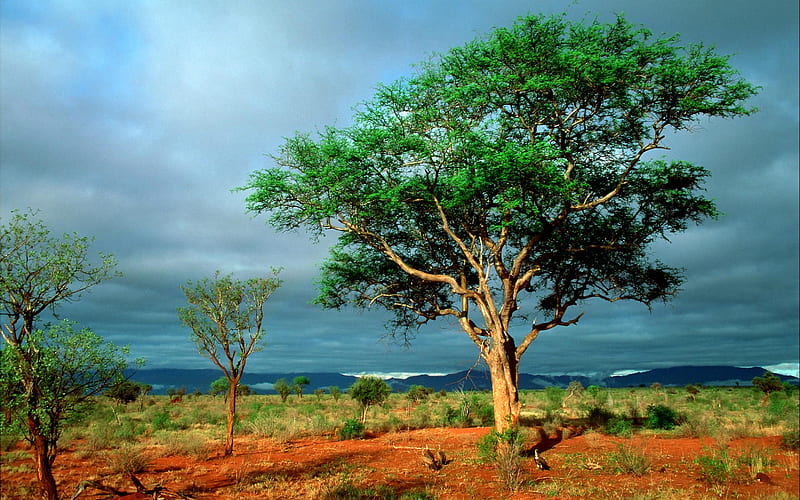
Kgalagadi Transfrontier Park is defined by the dry riverbeds of the Nossob and Auob Rivers, which only flow after rare heavy rains but still support rich wildlife along their courses. The surrounding landscape consists of rolling red sand dunes, sparse grasslands, and thorny acacia trees, creating a stark yet strikingly beautiful environment.
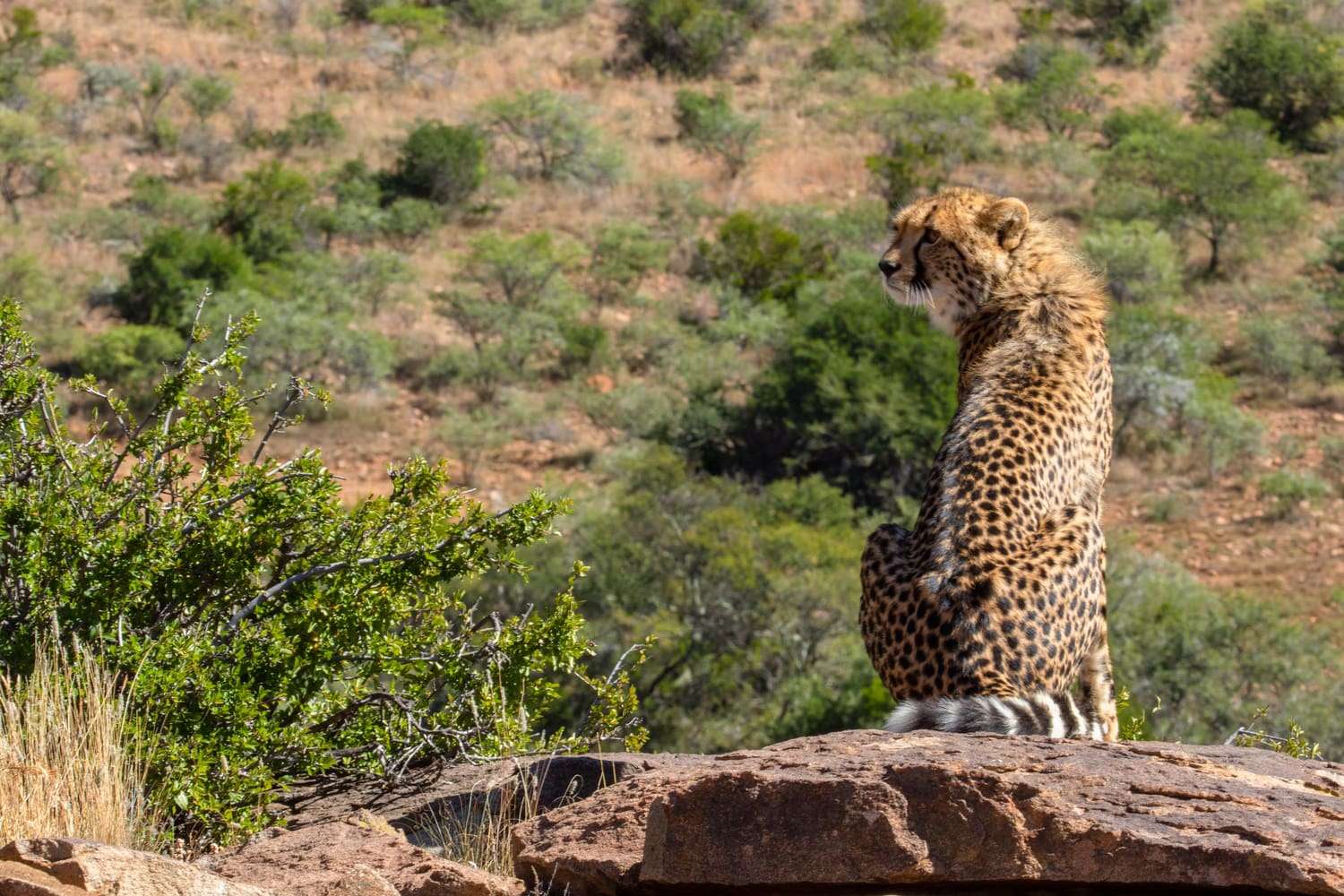
Kgalagadi is famous for its predators, particularly lions, including the distinctive black-maned Kalahari lions, as well as, leopard, cheetah, spotted hyena, and brown hyena. Large herbivores such as gemsbok, springbok, blue wildebeest, and eland are common, often seen moving across the open plains.
Birdlife is excellent, especially birds of prey, with species like martial eagles, pale chanting goshawks, and vultures frequently spotted. The open terrain makes wildlife viewing especially rewarding, as animals are often visible from a distance.
The park offers a strong sense of wilderness and isolation, with long distances between camps and minimal development. Activities focus on self-drive game viewing, guided walks in limited areas, photography, and stargazing under some of the clearest night skies in the world.
Kgalagadi Transfrontier Park is celebrated for its dramatic desert scenery, predator-rich ecosystem, and the rare experience of exploring a truly wild landscape that crosses international borders.
Kruger National Park is South Africa’s flagship National Park and one of Africa’s largest and most famous wildlife reserves. Stretching across the northeastern part of the country in Limpopo and Mpumalanga Provinces, it covers nearly 20,000 square kilometres and forms part of a larger transboundary conservation area with Mozambique and Zimbabwe.
Kruger National Park is best known for its exceptional biodiversity and classic African Safari Experience. It is home to the Big Five—lion, leopard, elephant, buffalo, and rhino, along with hundreds of other mammal species including giraffe, zebra, hippo, cheetah, wild dog, and numerous antelope. Kruger National Park also boasts outstanding birdlife, with over 500 recorded species, making it a top destination for birdwatchers.
Kruger National Park’s landscapes are varied, ranging from savanna grasslands and acacia woodlands in the south to mopane shrubveld in the north. Major rivers such as the Sabie, Olifants, Letaba, and Luvuvhu cut through the park, creating lush corridors that attract wildlife year-round.
Kruger National Park is well developed for visitors, offering a mix of rest camps, bush lodges, picnic sites, and extensive road networks. Visitors can explore the park on self-drive safaris or guided game drives, walks, and wilderness trails. Despite its size and popularity, large areas of Kruger remain remote and wild.
Kruger National Park is not only a premier wildlife destination but also a vital conservation and research area, playing a key role in protecting ecosystems and endangered species. Its scale, accessibility, and abundance of wildlife make it one of the most iconic national parks in the world.
Mapungubwe National Park is a unique and historically rich park located in the northernmost part of South Africa, in Limpopo Province, where the Limpopo and Shashe Rivers meet near the borders with Botswana and Zimbabwe. Mapungubwe National Park is renowned for both its archaeological significance and its natural beauty, making it a rare combination of cultural and ecological heritage.
Mapungubwe was once the centre of a powerful Iron Age kingdom (circa 1075–1220 AD), and Mapungubwe National Park protects the remnants of ancient settlements, burial sites, and artifacts, including the famous golden rhinoceros. This cultural legacy is preserved alongside the natural environment, providing a window into the lives of early African civilizations.
Mapungubwe National Park’s landscape is a mix of savanna, riverine forests, rocky outcrops, and koppies (small hills). This diversity creates excellent habitats for wildlife, including elephants, lions, leopards, cheetahs, giraffes, zebras, and various antelope species. The Limpopo River corridor supports rich birdlife, making it a prime spot for ornithologists.
Visitors to Mapungubwe National Park can enjoy game drives, guided walks, birdwatching, archaeological tours, and scenic viewpoints, particularly from Mapungubwe Hill, which offers panoramic views of the surrounding landscape and rivers.
Mapungubwe National Park is part of a transfrontier conservation area with Botswana and Zimbabwe, emphasizing its ecological and cultural importance on a regional scale. Its combination of history, wildlife, and striking landscapes makes it one of South Africa’s most distinctive and fascinating National Parks.
Marakele National Park is a scenic and ecologically diverse park located in Limpopo Province, South Africa, in the Waterberg Mountains. The name “Marakele” means “place of sanctuary,” reflecting its role in protecting both wildlife and landscapes. The park lies within a transition zone between bushveld and mountain ecosystems, offering remarkable biodiversity and dramatic scenery.
The landscape is dominated by rocky cliffs, rolling hills, and deep valleys, with the Waterberg massif providing impressive backdrops and natural viewpoints. The park features a mix of savanna, woodland, and riparian habitats, supporting a wide variety of plant and animal species.
Marakele National Park is particularly notable for its large herds of African buffalo, which roam freely alongside elephants, lions, leopards, cheetahs, white rhinos, giraffes, kudu, and sable antelope. Birdlife is also abundant, with species such as Verreaux’s eagles, African fish eagles, and other raptors commonly seen soaring above the cliffs.
Marakele National Park offers numerous visitor activities, including game drives, guided bush walks, hiking, birdwatching, and scenic viewpoints like those overlooking the Blyde River Valley. Its combination of mountain scenery, rich wildlife, and conservation of threatened species makes Marakele National Park a less crowded but highly rewarding safari destination in South Africa.
Mokala National Park is a relatively small but ecologically important park in the Northern Cape, South Africa, located near the town of Postmasburg. It was established to protect the Karoo bushveld ecosystem and several threatened and endemic species that are adapted to arid and semi-arid conditions.
The park’s landscape consists of semi-arid plains, rocky outcrops, sparse vegetation, and acacia-dominated shrubland, typical of the Nama-Karoo region. Despite its dry appearance, Mokala is home to a surprisingly diverse array of wildlife, particularly herbivores adapted to arid conditions.
Mokala is especially notable for conservation efforts for endangered species, including black rhino, roan and sable antelope, tsessebe, red hartebeest, kudu, and other antelope species. Smaller mammals and a rich variety of birds, including raptors and Karoo endemics, also thrive here.
The park offers game drives, birdwatching, and hiking trails, as well as accommodations that provide a quiet and intimate bush experience. Mokala’s focus on rehabilitation and protection of threatened species, combined with its relatively undisturbed environment, makes it a unique destination for visitors seeking less-crowded wildlife experiences in the Northern Cape.
Mountain Zebra National Park is a rugged and scenic park in the Eastern Cape, South Africa, near the town of Cradock. It was originally established in 1937 to protect the Cape mountain zebra, a species that was on the brink of extinction at the time, and today it remains a stronghold for these iconic animals.
The park’s landscape is dominated by rocky mountains, rolling grasslands, and deep valleys, creating dramatic scenery and excellent vantage points. The Winterberg Mountain Range provides a backdrop of cliffs, while the open plains support grazing wildlife.
Wildlife highlights include Cape mountain zebra, black wildebeest, red hartebeest, eland, springbok, and predators such as caracal and jackal. Birdlife is diverse, with species like Verreaux’s eagles, lanner falcons, and various endemic Karoo and grassland birds.
Visitors can enjoy self-drive safaris, hiking trails, birdwatching, and photography, as well as scenic viewpoints over valleys and mountains. Mountain Zebra National Park is particularly valued for its success in conserving endangered species and for offering a quieter, more intimate wildlife experience compared to larger parks.
Its combination of stunning landscapes, conservation importance, and relatively low visitor density makes it a gem of the Eastern Cape.
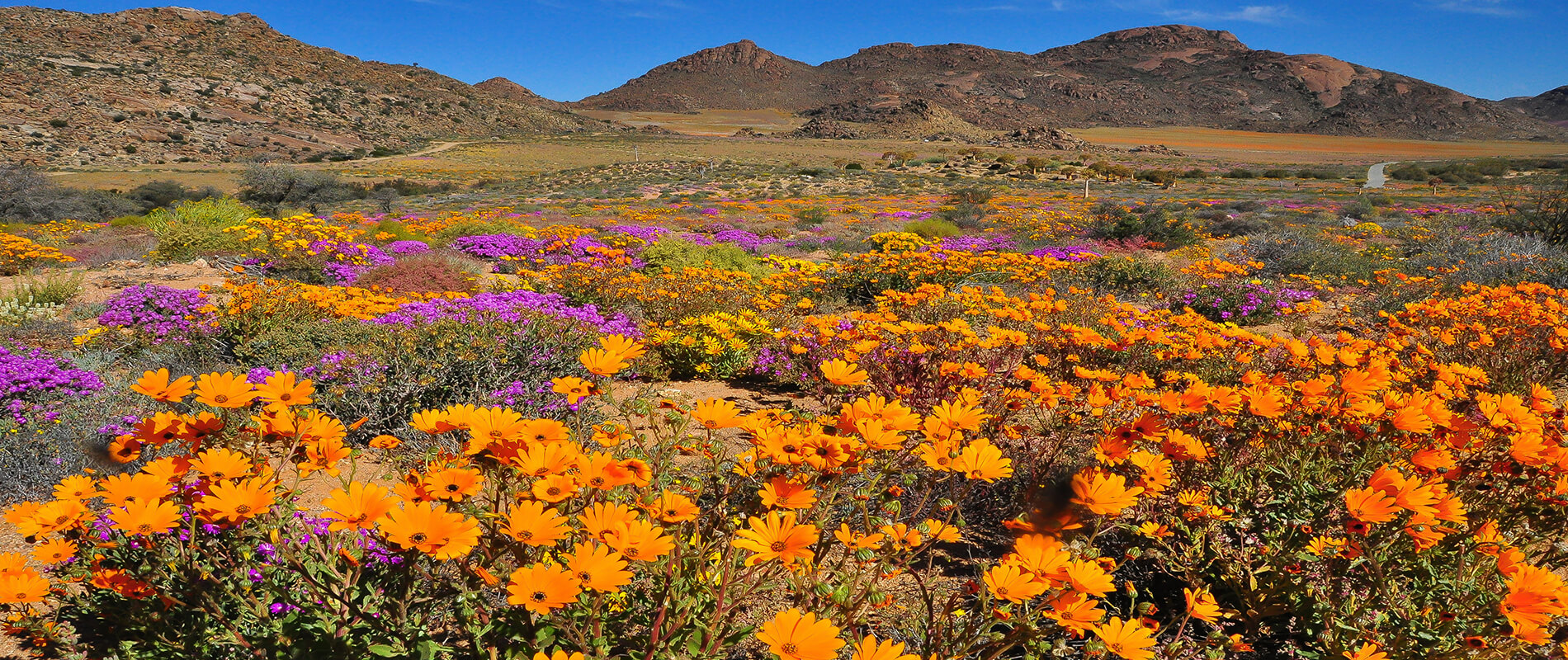
Namaqua National Park is a spectacular and unique park located in the Northern Cape, South Africa, near the town of Kamieskroon. It is world-famous for its spring wildflower displays, which attract visitors from across the globe, turning the arid Namaqualand landscape into a vibrant sea of colours.
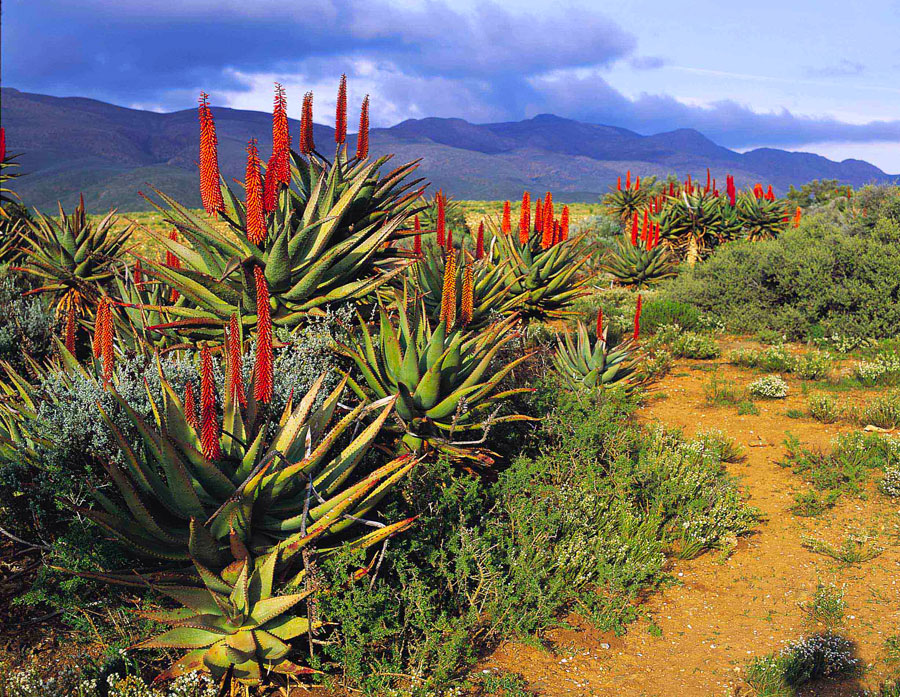
The park lies within the Succulent Karoo biome, a global biodiversity hotspot. Despite its semi-desert conditions, Namaqua National Park protects an extraordinary diversity of succulent plants, bulbs, and other endemic flora. Between August and September, after the winter rains, the plains and hills burst into a vivid palette of flowers, including daisies, lilies, and aloes.
The landscape features rolling hills, rocky outcrops, and vast open plains, offering breathtaking scenery and excellent opportunities for photography. Wildlife is present but less prominent than in other National Parks, including springbok, Hartmann’s mountain zebra, baboon, and small antelope. Birdlife is varied, with species adapted to the arid environment.
Visitors enjoy wildflower viewing, hiking trails, scenic drives, and photography, particularly during the peak bloom season. Namaqua National Park is celebrated for its botanical richness, seasonal spectacle, and quiet, remote beauty, making it one of South Africa’s most distinctive and visually stunning National Parks.
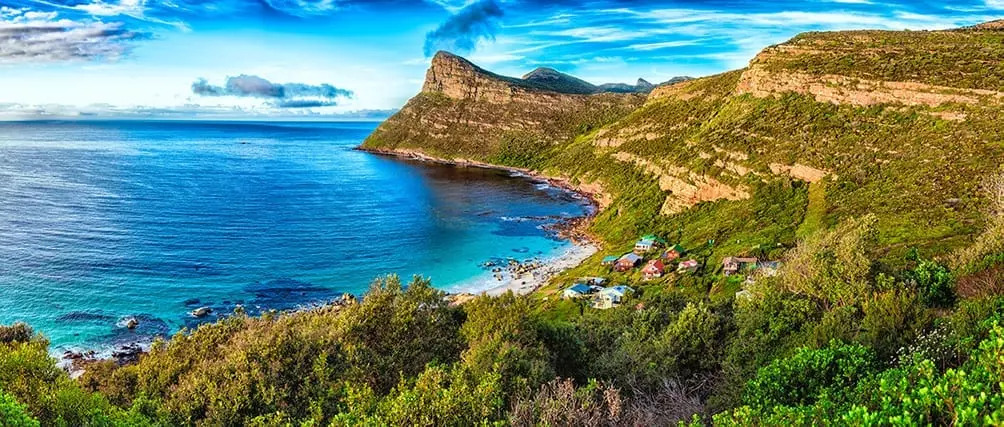
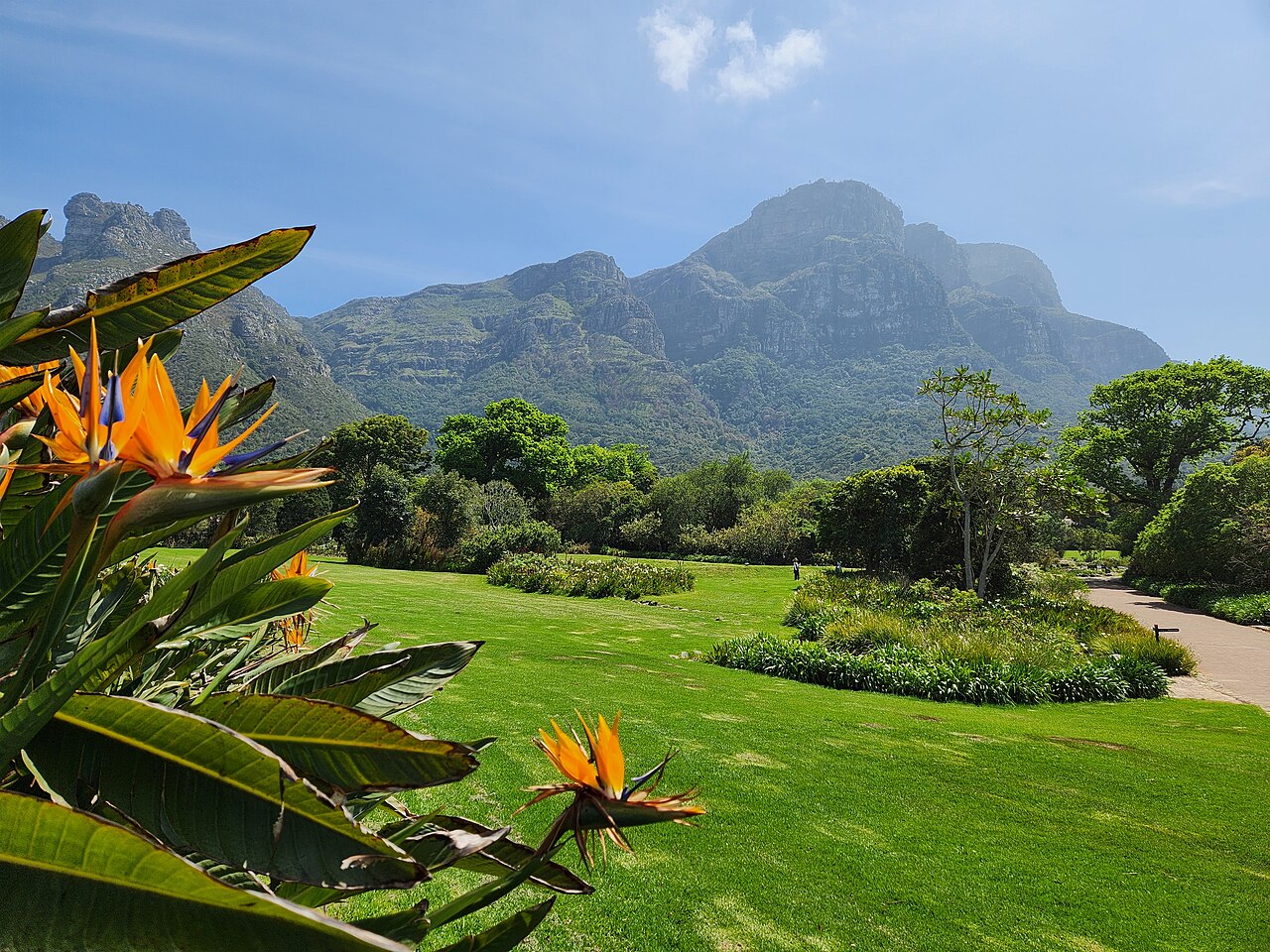
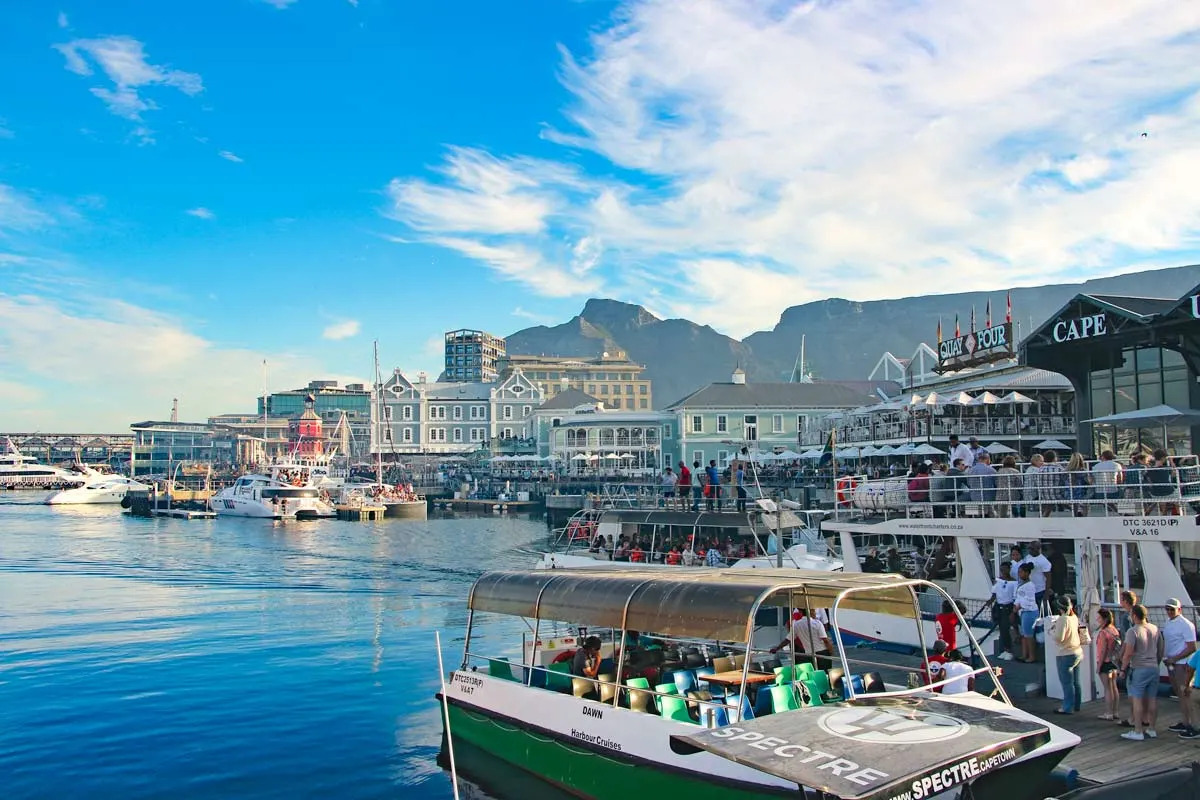
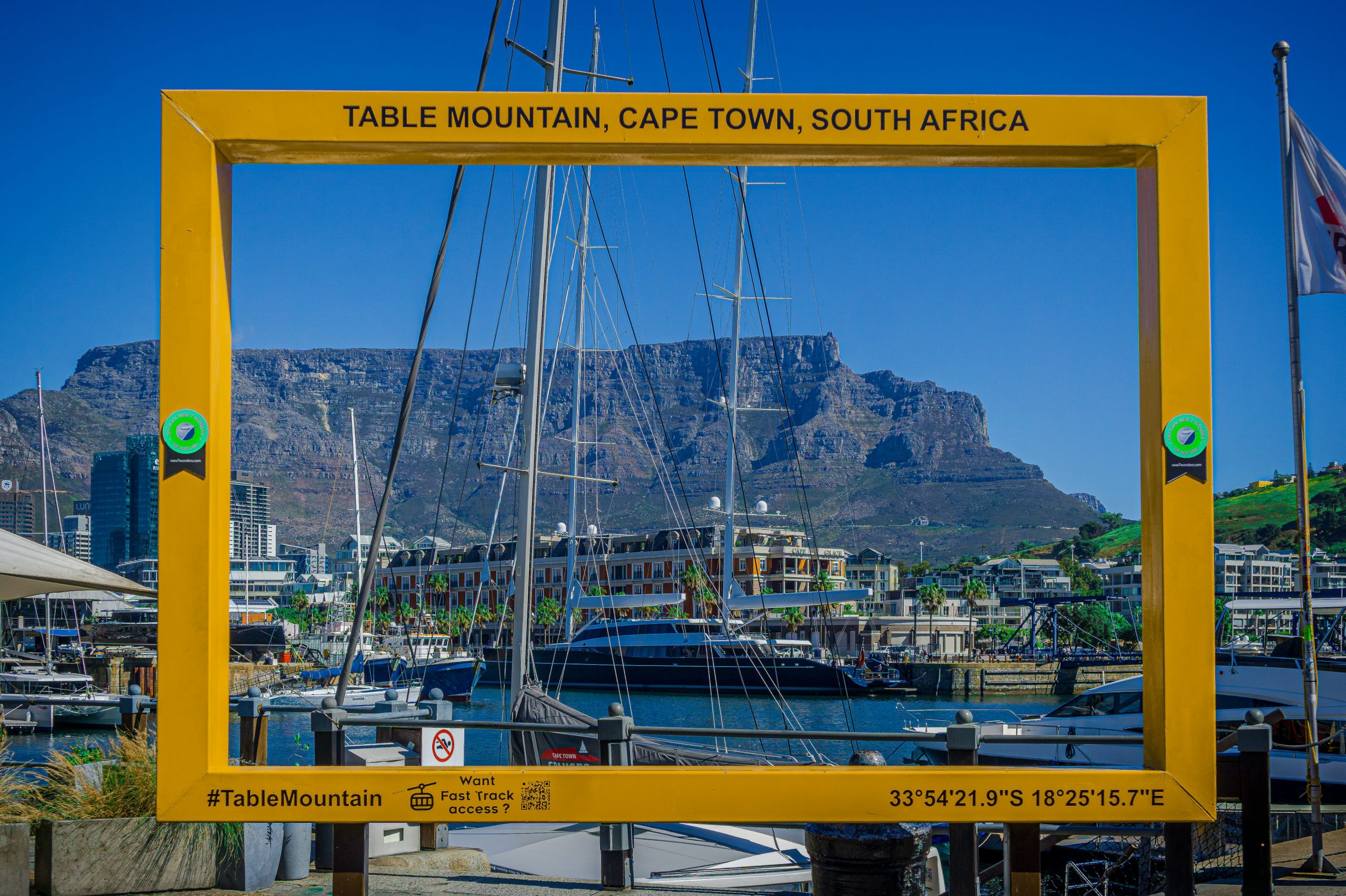
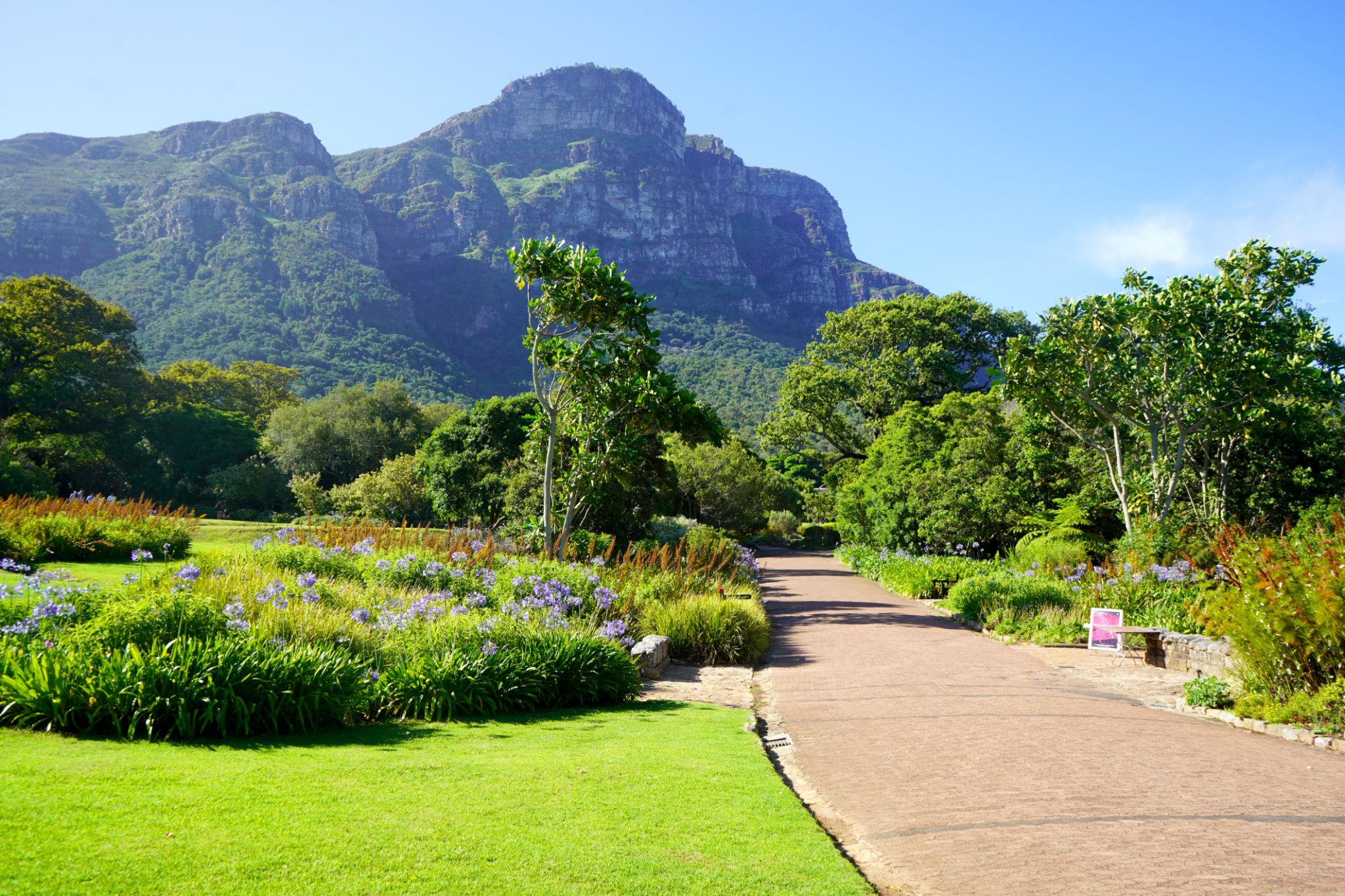
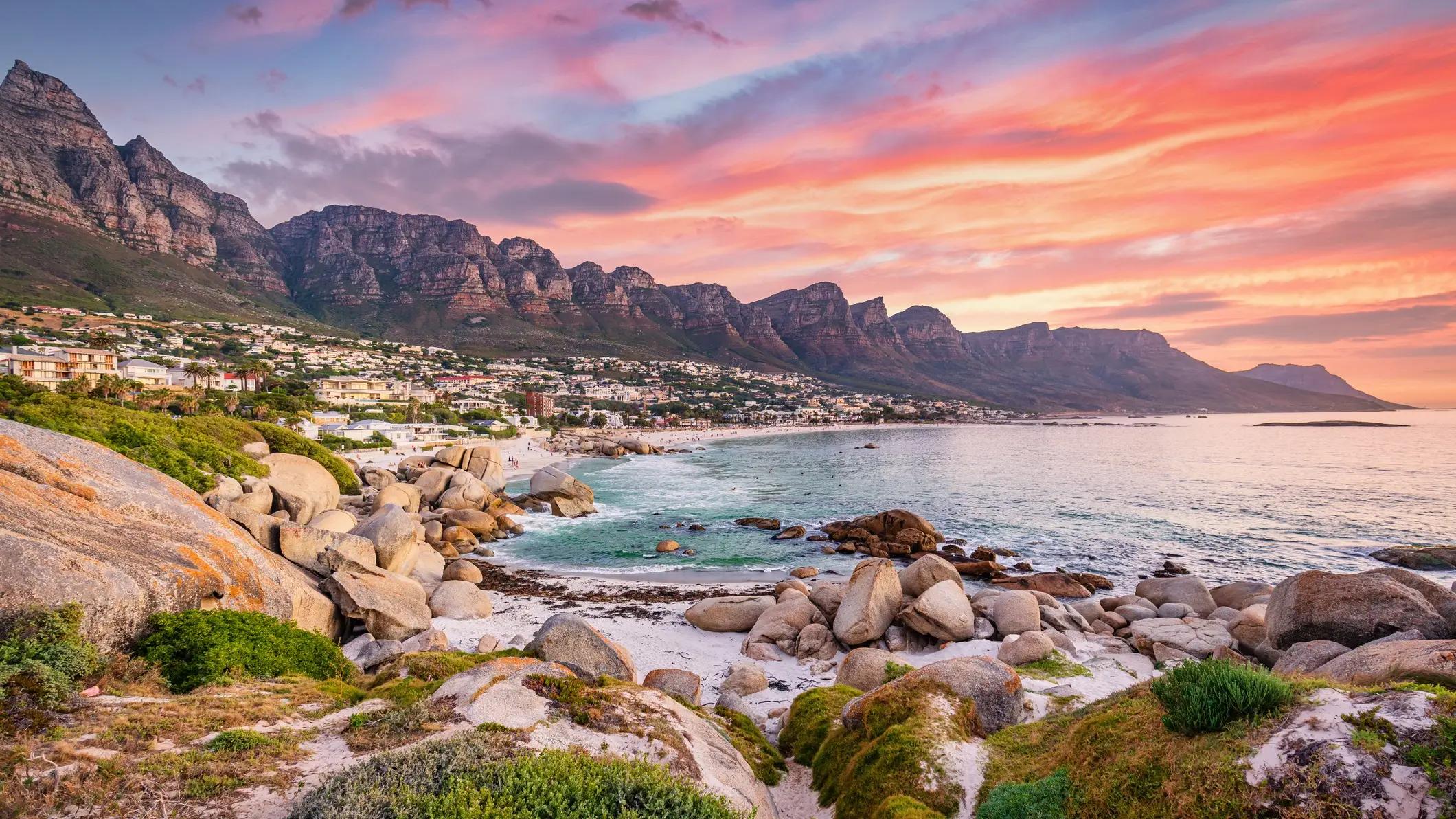
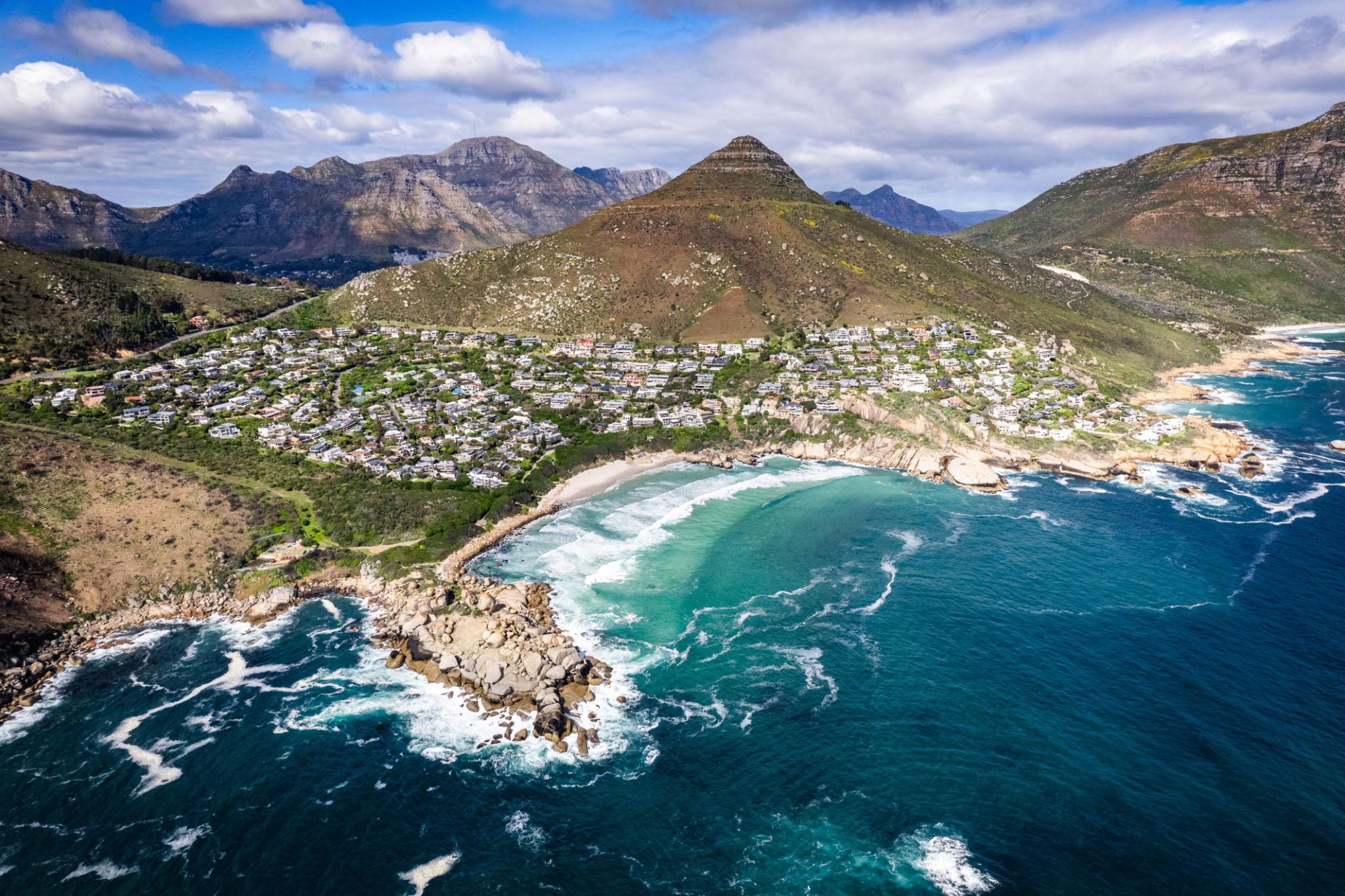
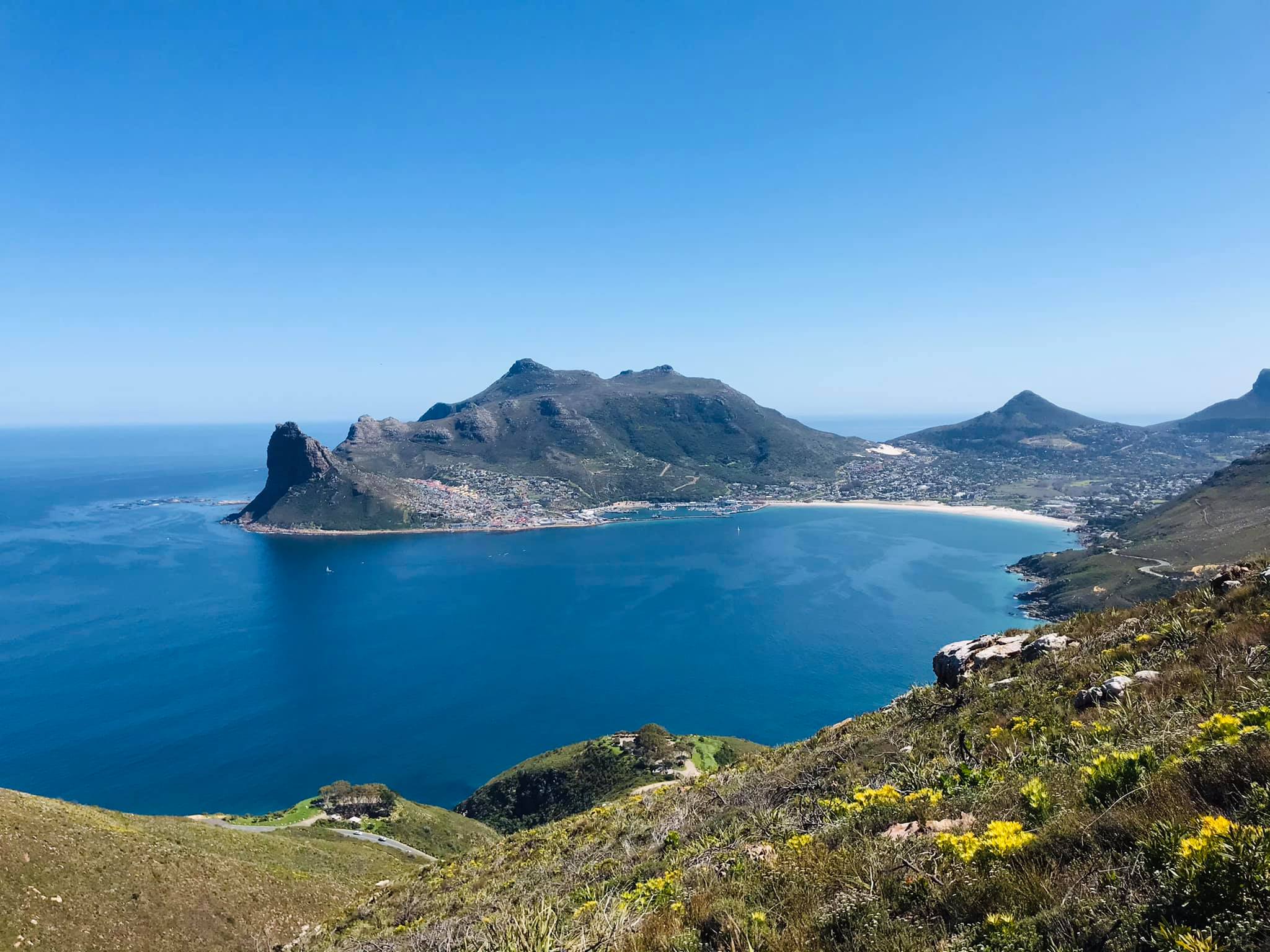
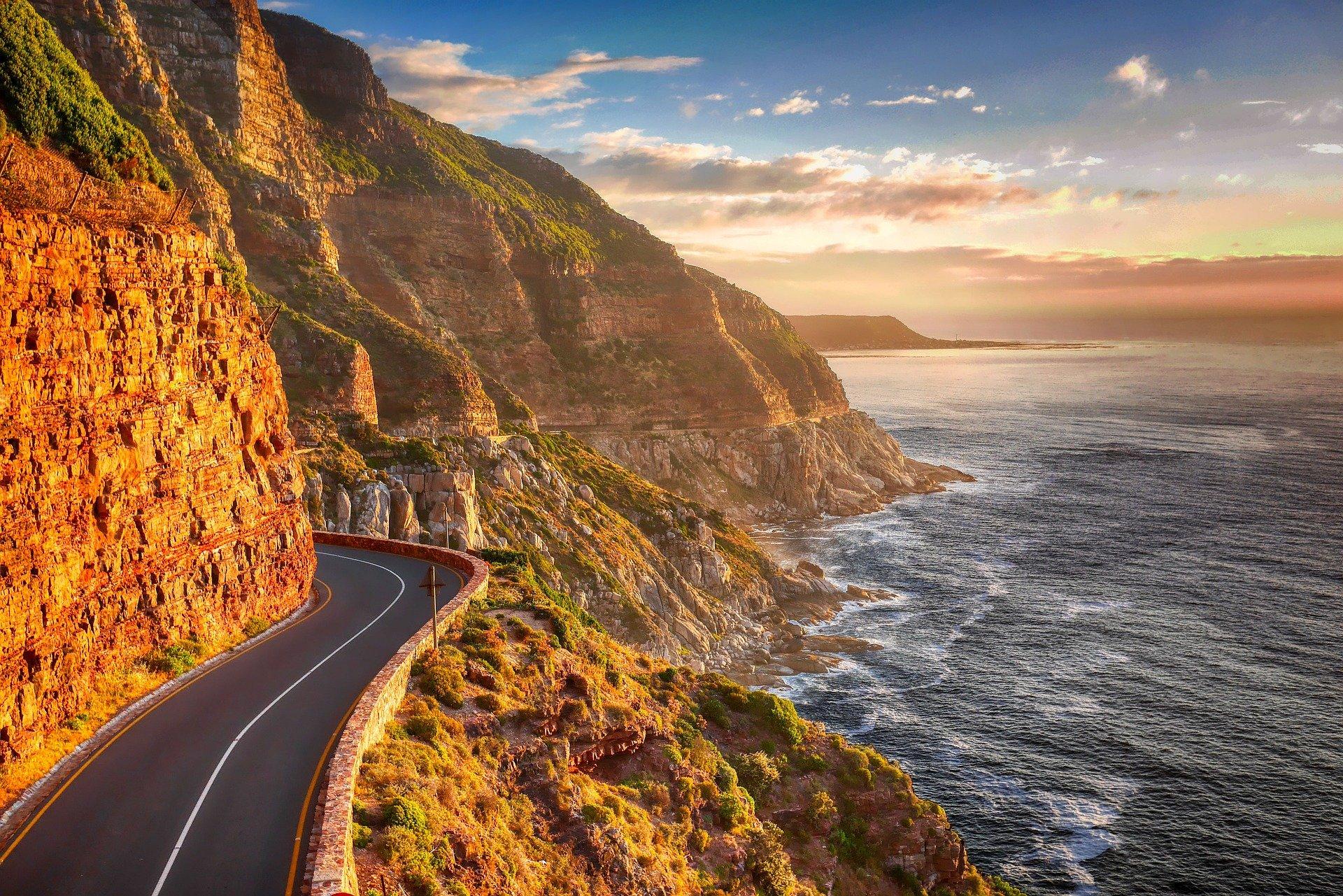
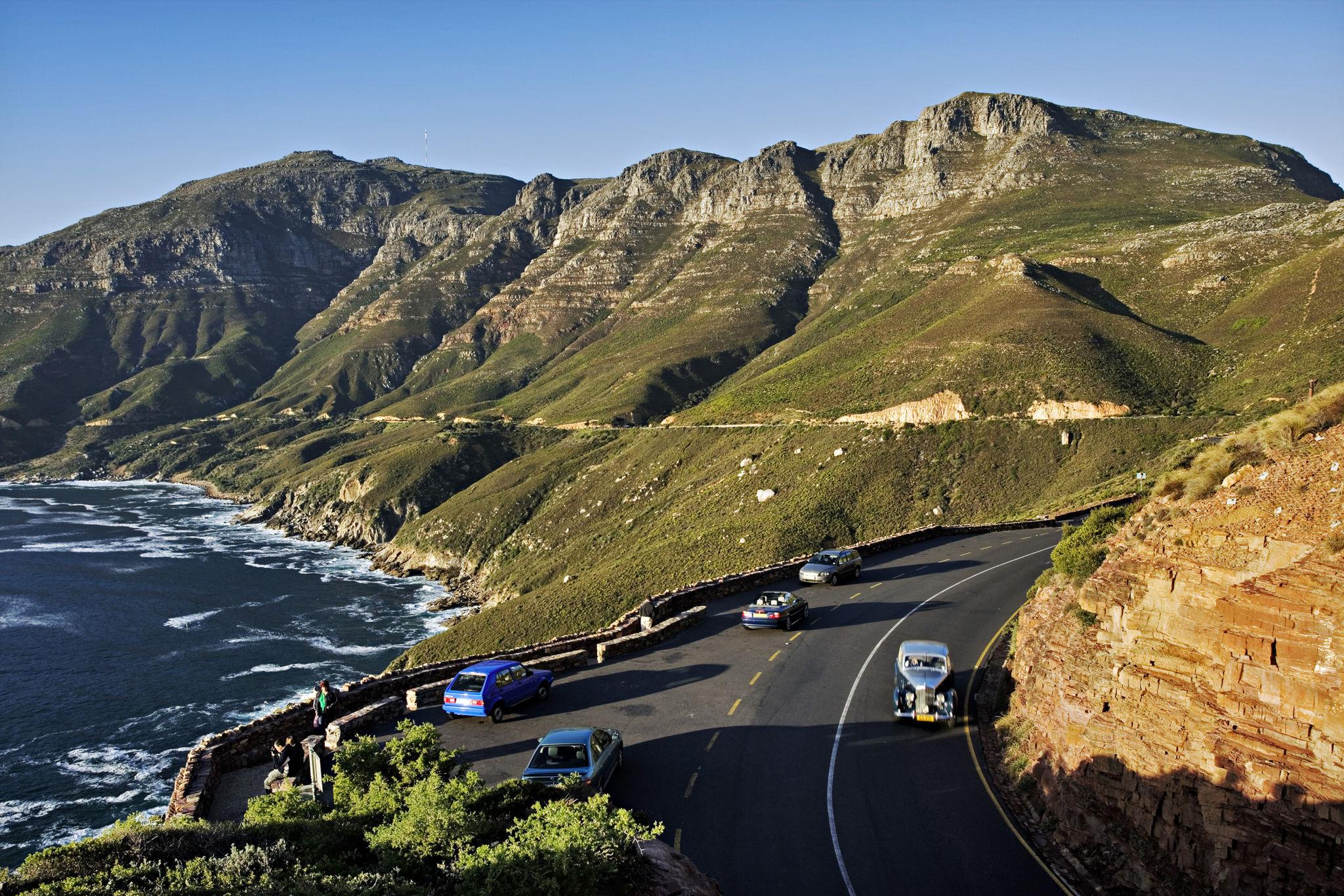
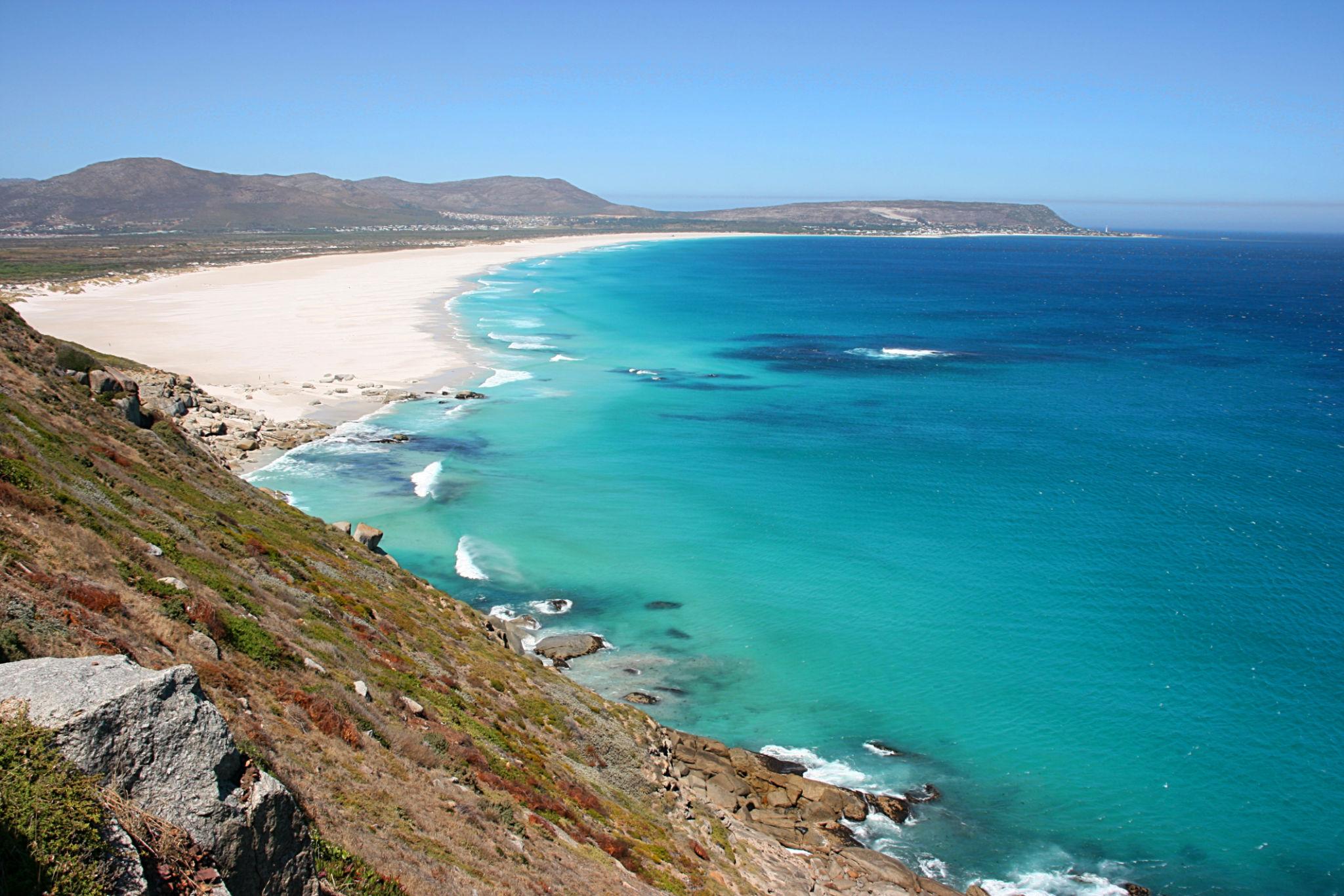
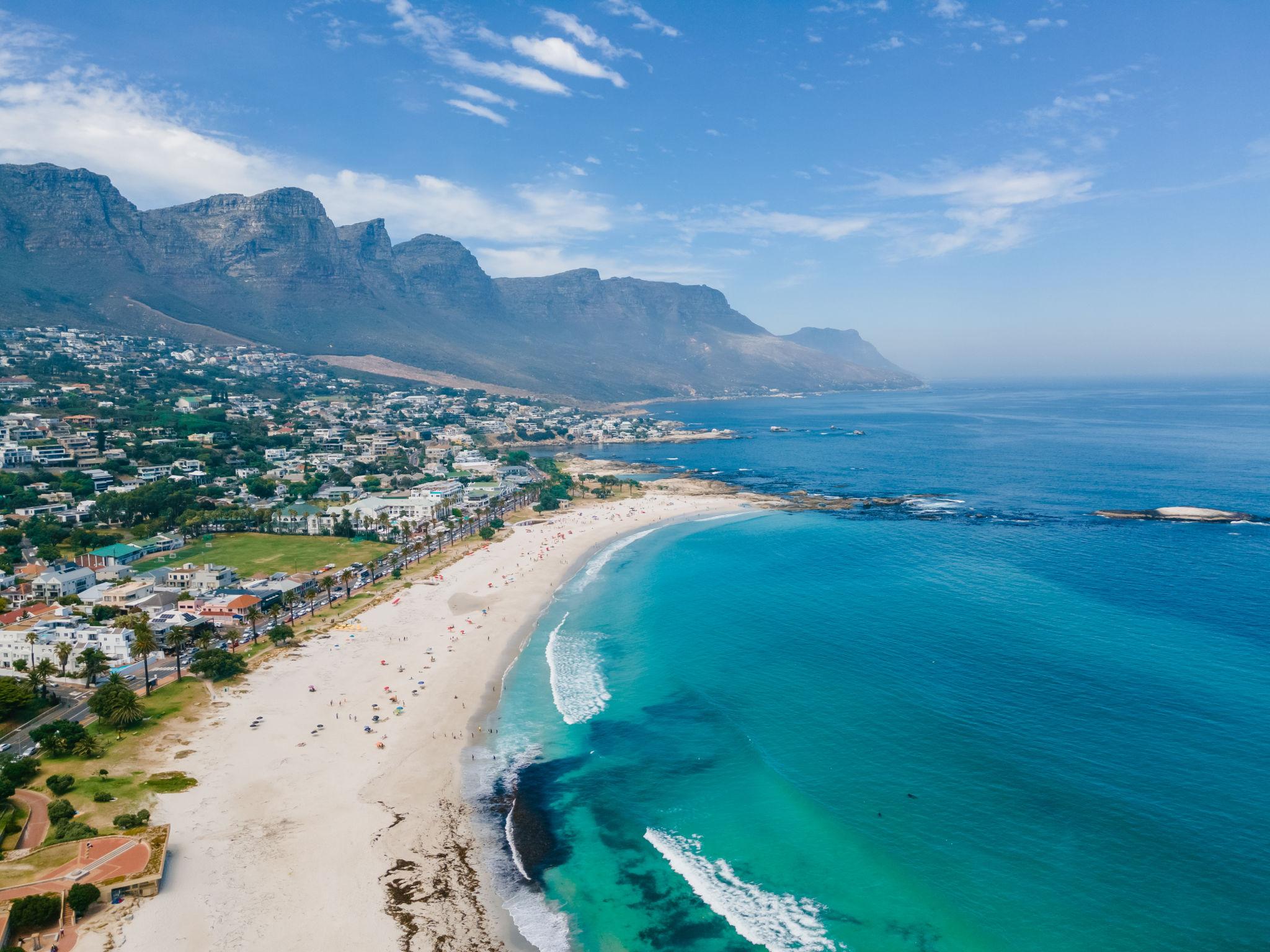
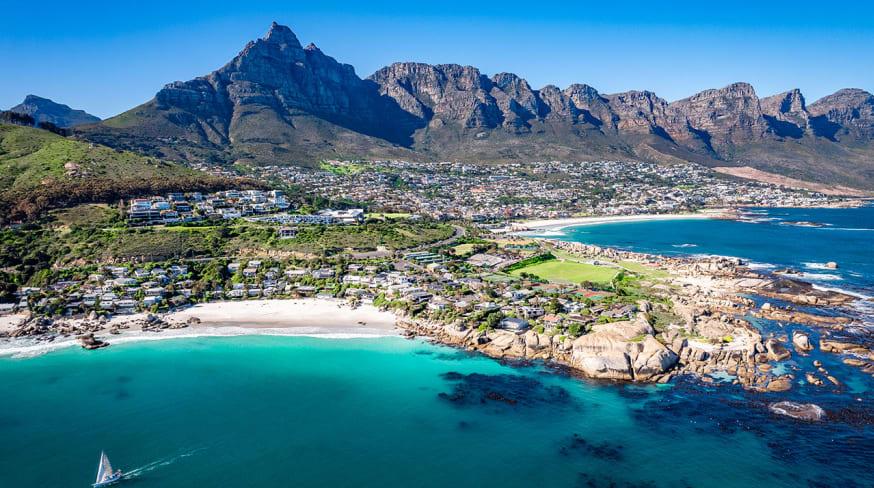
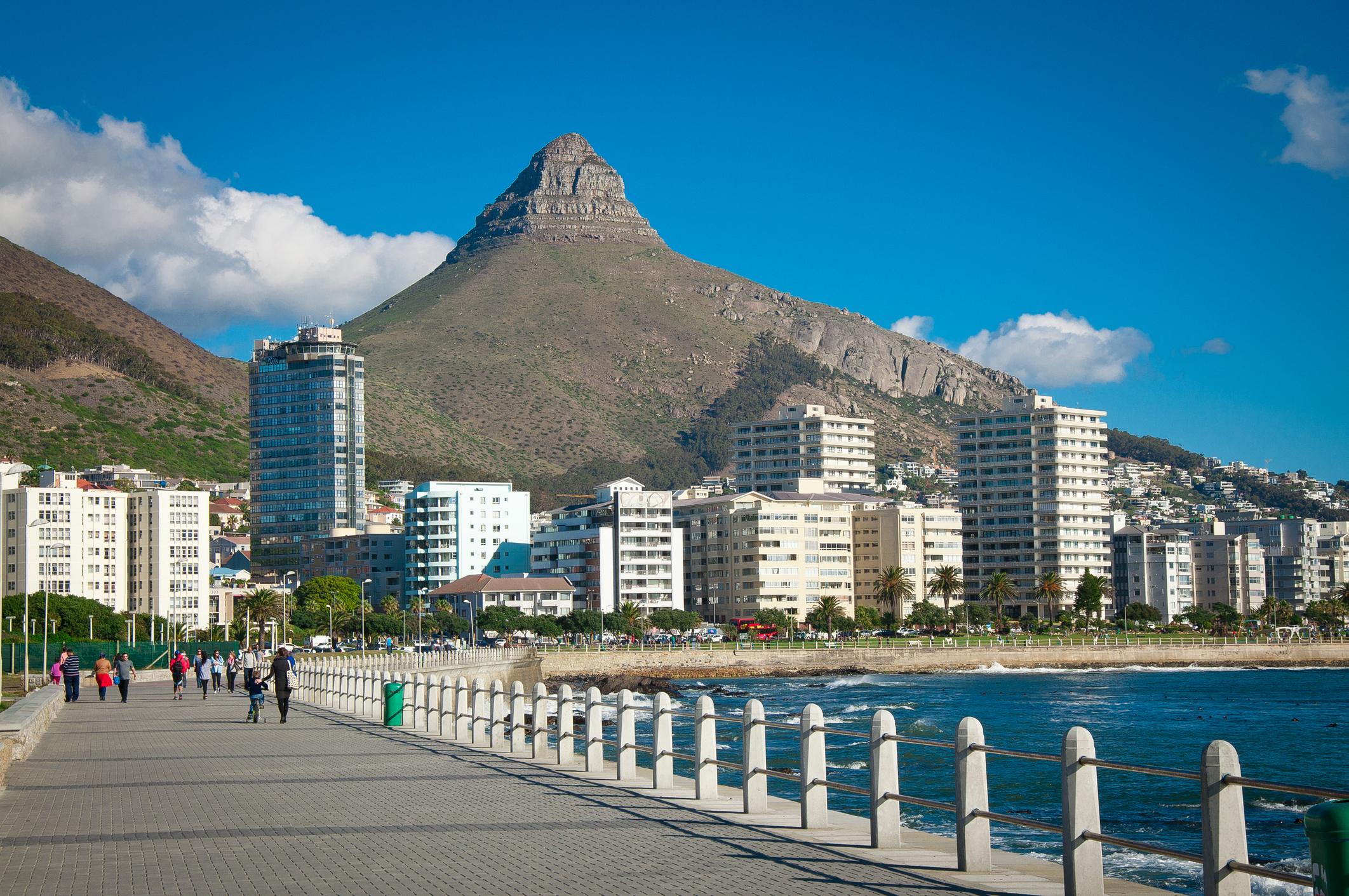
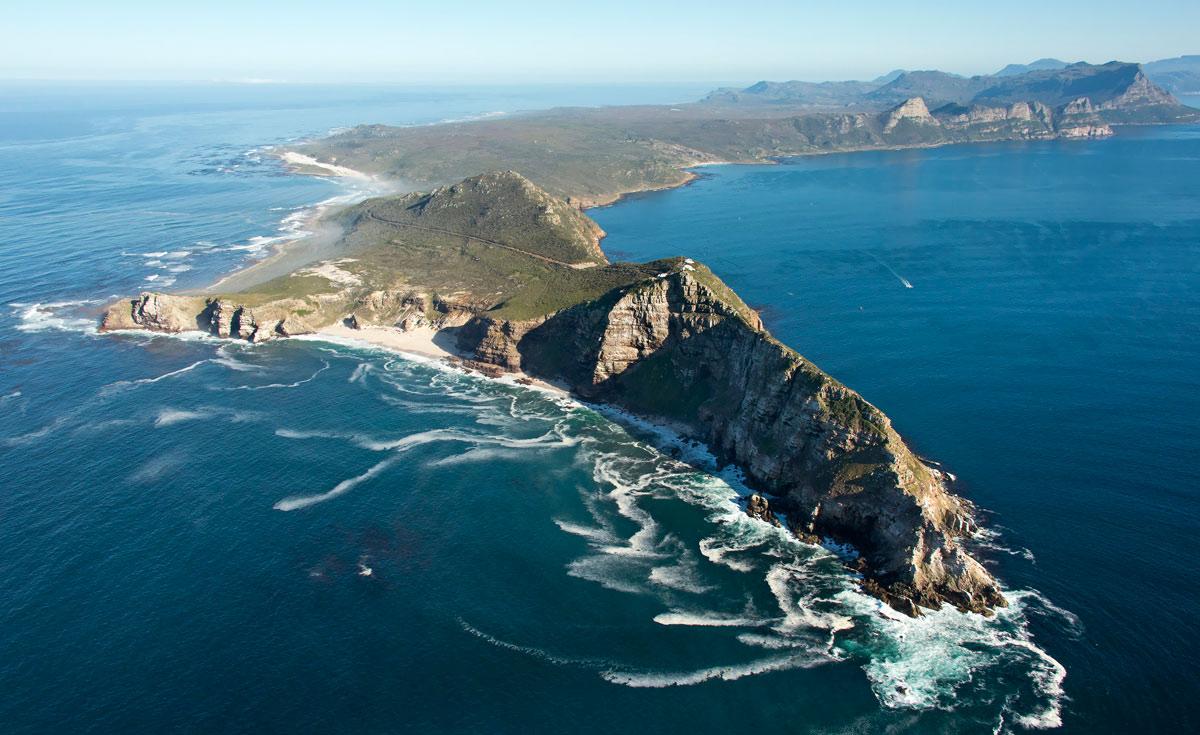
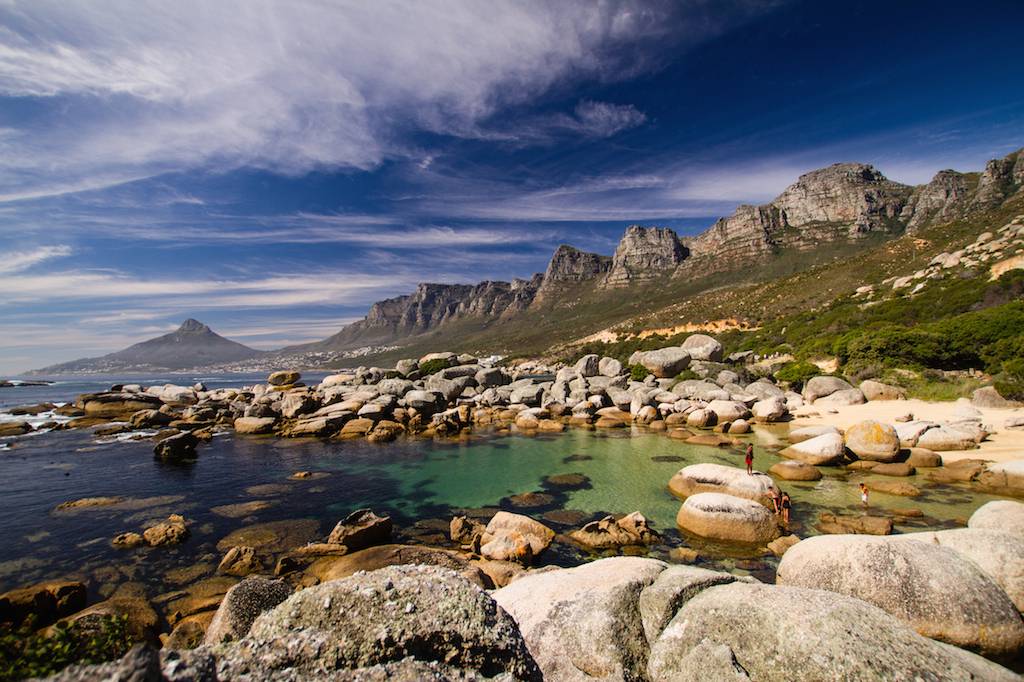
Table Mountain National Park is an iconic and diverse National Park located in Cape Town, Western Cape, South Africa, stretching from the city centre and Table Mountain itself, down to the Cape Point Peninsula at the southern tip of the Cape Peninsula. It combines mountains, coastline, and marine environments in one protected area, making it remarkably varied for its size.
Table Mountain National Park is best known for Table Mountain, whose flat-topped summit is a globally recognized landmark and offers sweeping views of Cape Town, the Atlantic Ocean, and surrounding peaks. Table Mountain National Park protects fynbos vegetation, part of the Cape Floristic Region, which is a UNESCO World Heritage Site. This biome contains thousands of plant species, many of which are endemic.
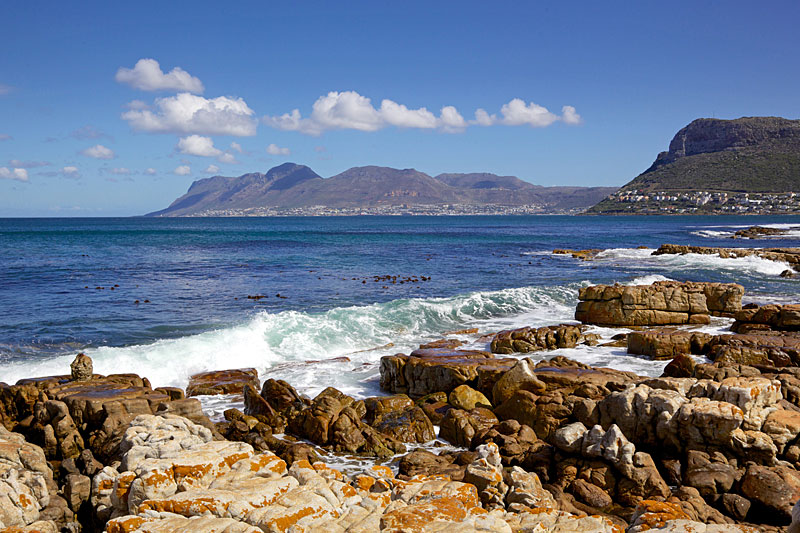
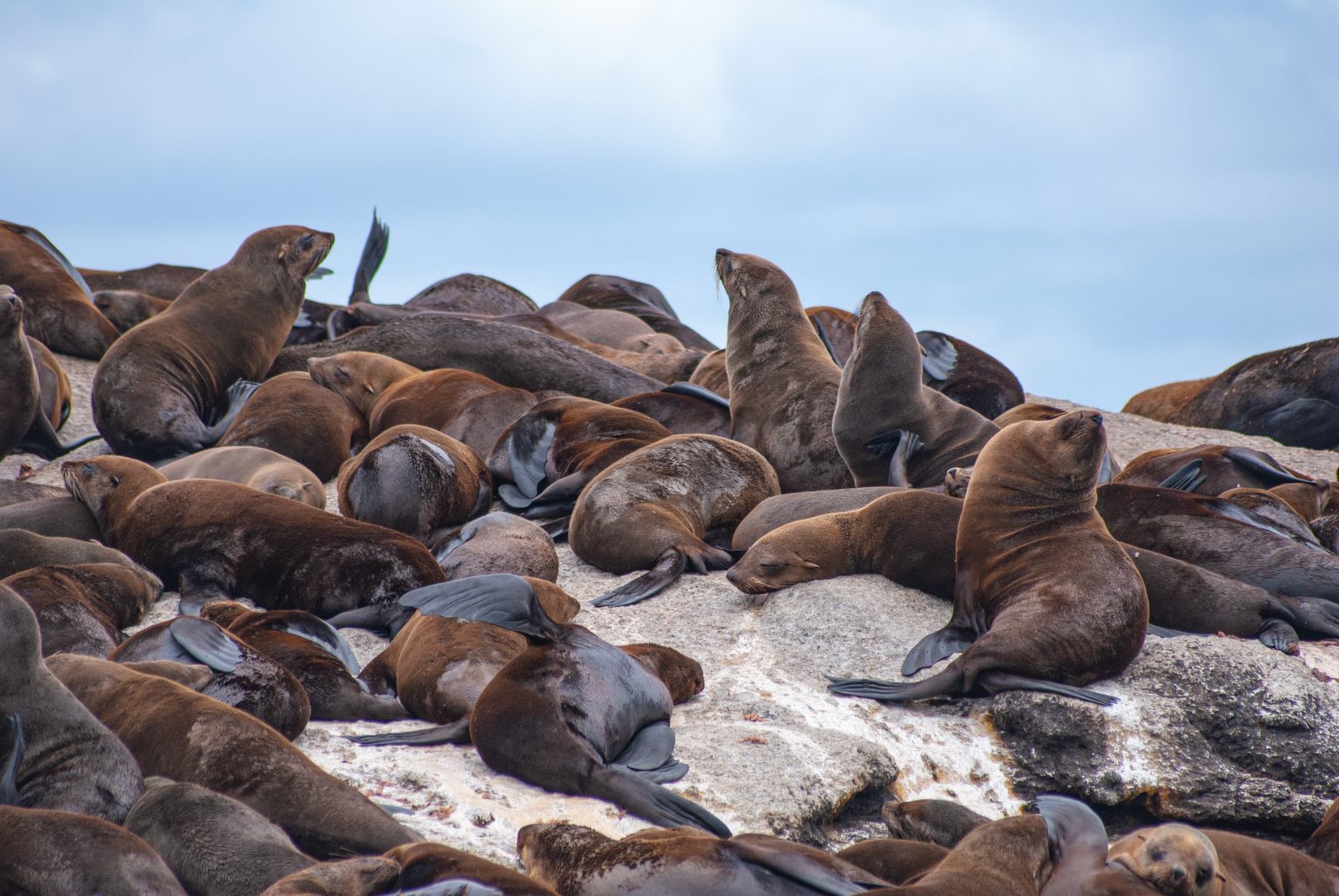
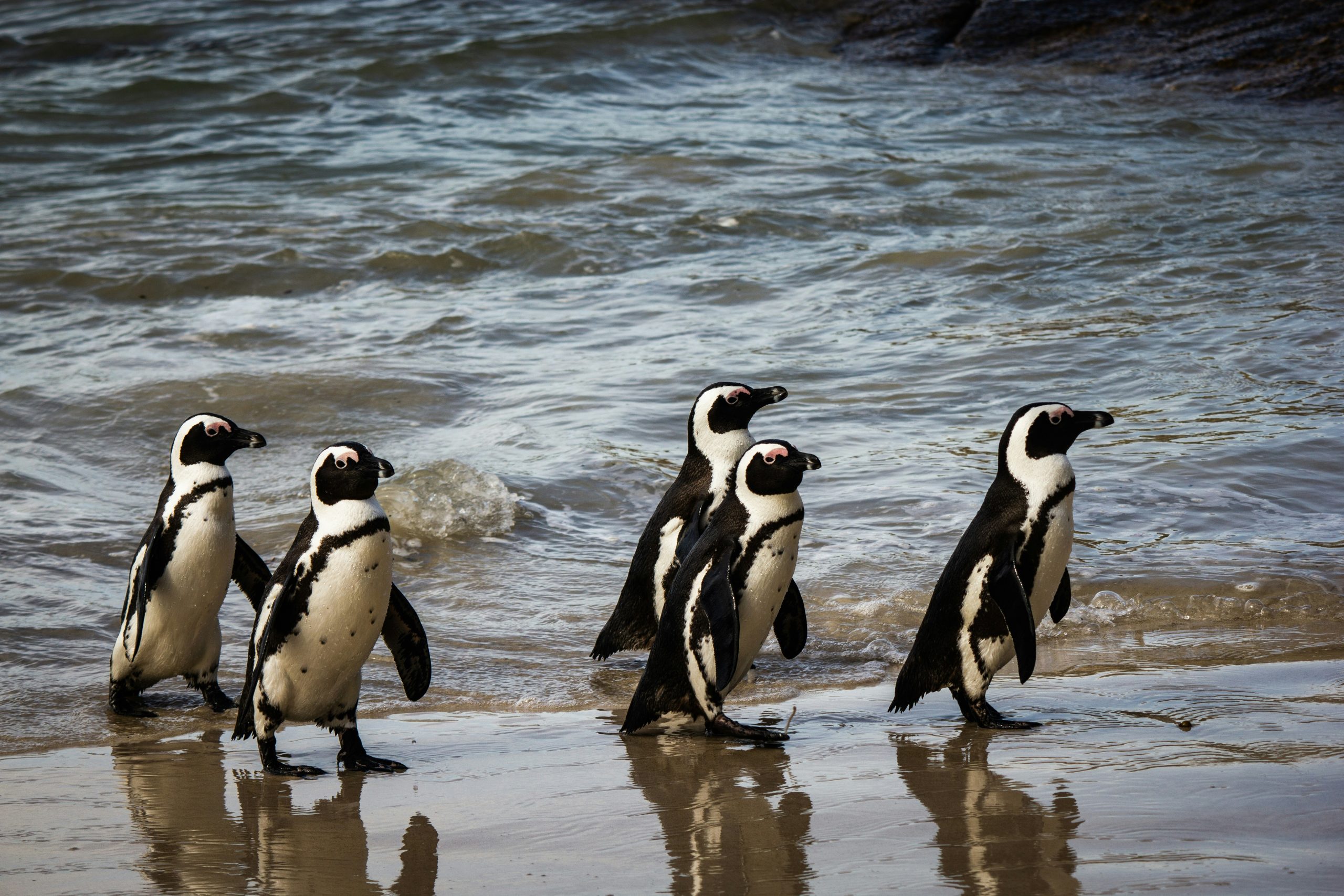
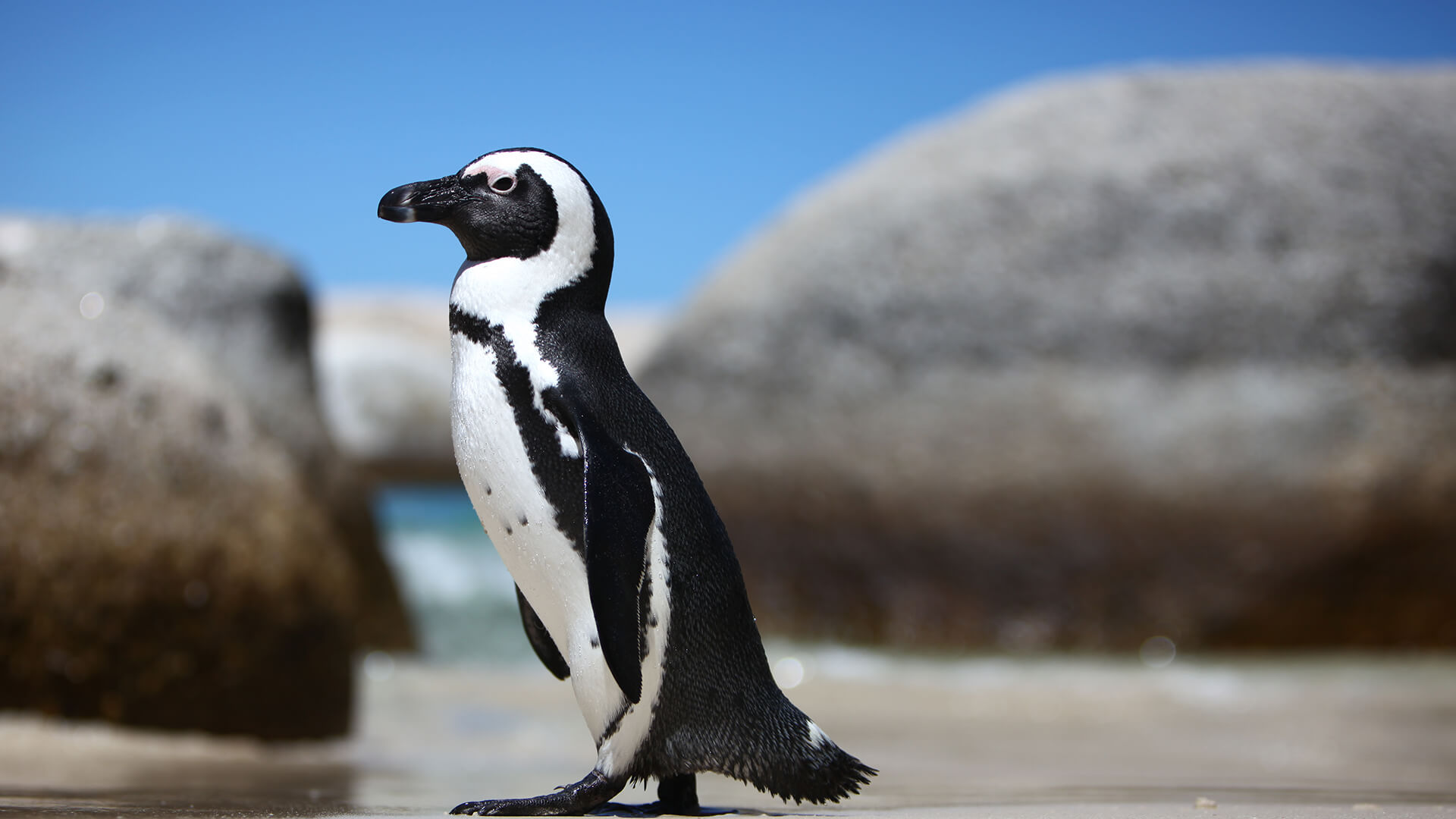
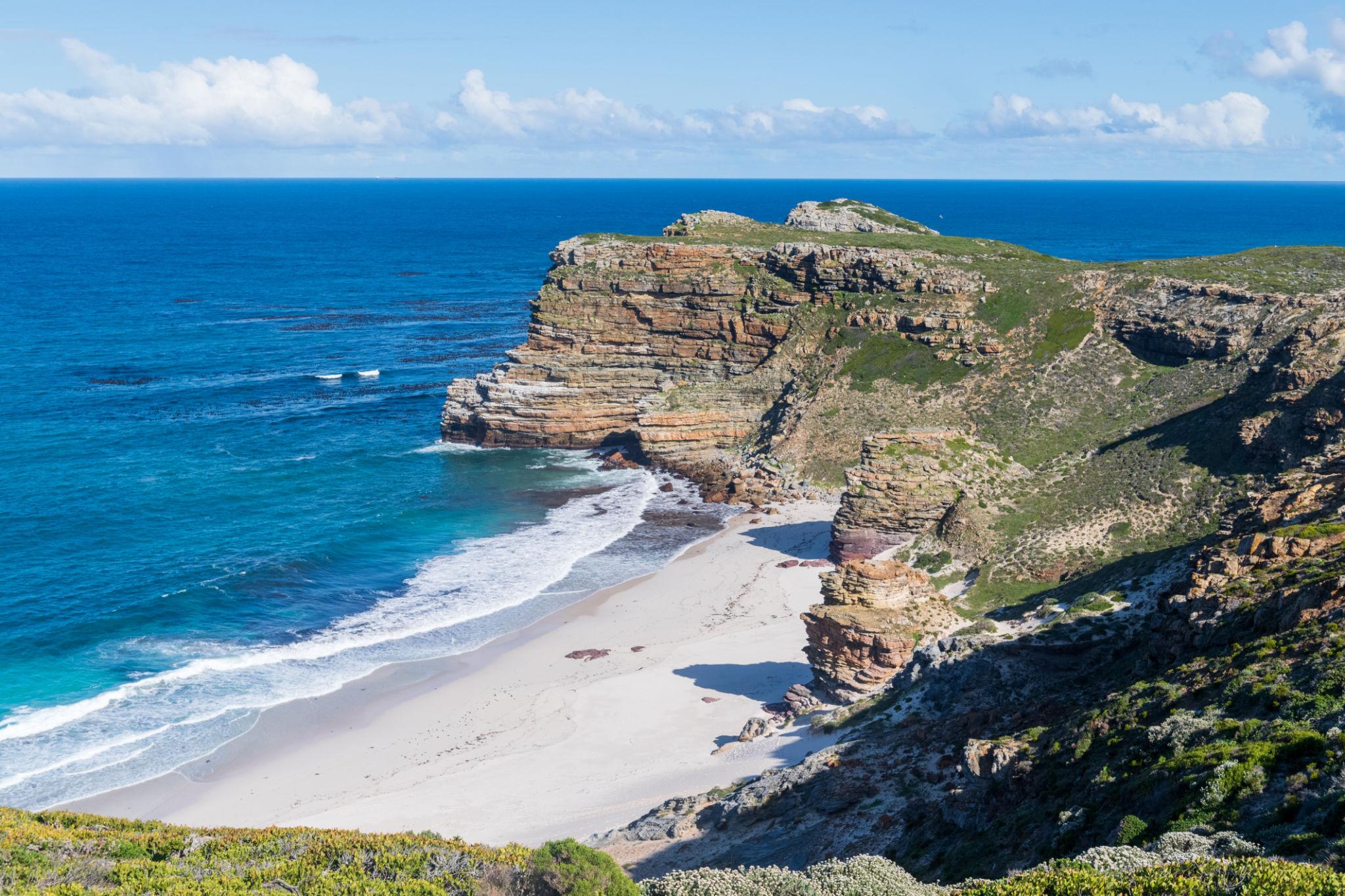
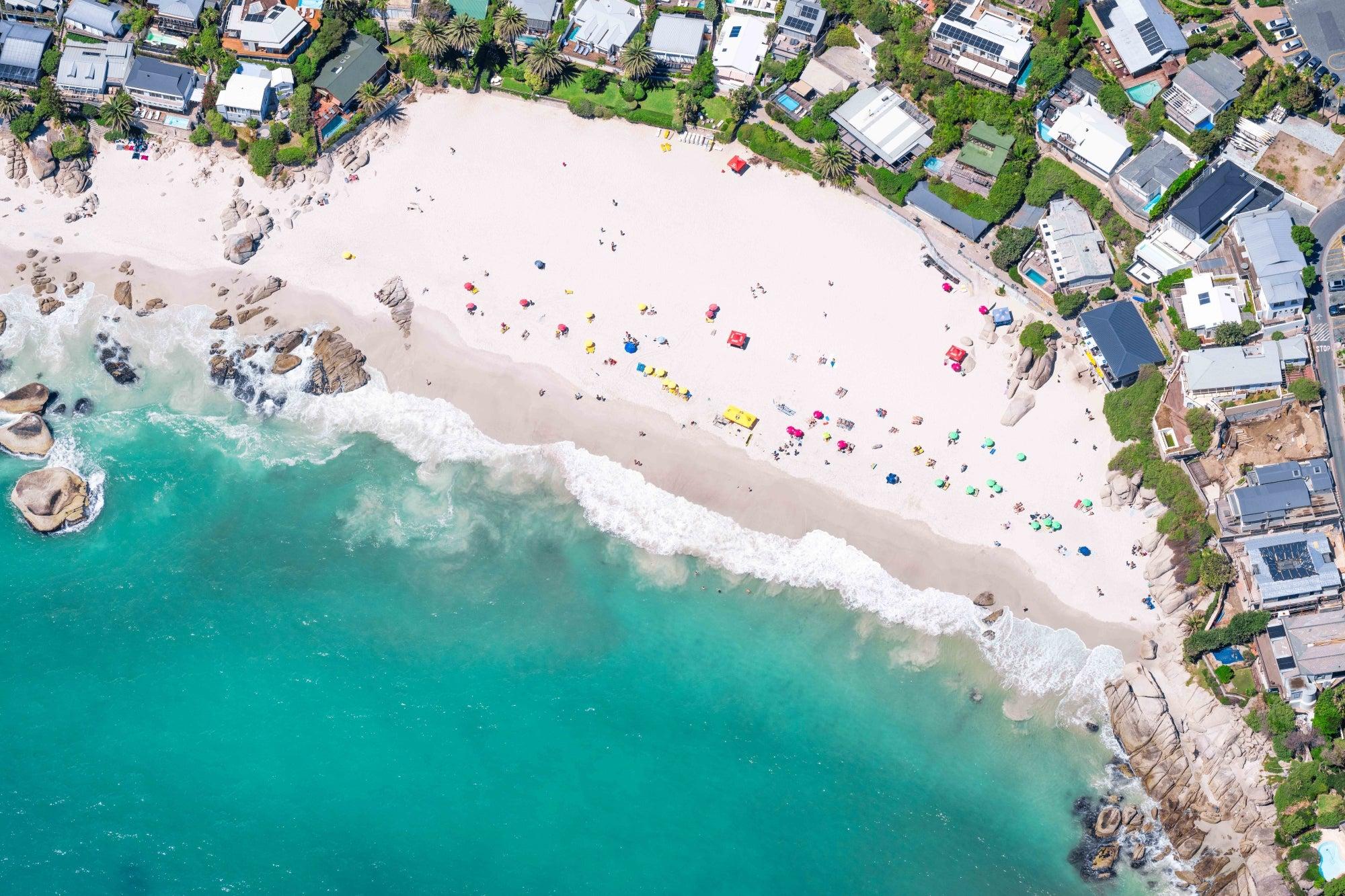
The coastline within the park is rugged and dramatic, with cliffs, beaches, coves, and the Cape of Good Hope, the Southwestern most tip of Africa. The marine environment supports seals, penguins, whales (seasonally), and diverse intertidal life, making it important for both terrestrial and marine conservation.
Wildlife includes small antelope such as klipspringer and grey rhebok, baboons, chacma monkeys, and a rich diversity of birds including sunbirds, raptors, and endemic Cape species. Table Mountain National Park also preserves historical and cultural sites, including old forts and shipwrecks.
Visitors are drawn to hiking, cableway trips, rock climbing, mountain biking, birdwatching, and scenic drives. Its combination of iconic landscapes, biodiversity, and accessibility from a major city makes Table Mountain National Park one of South Africa’s most visited and visually striking parks.
Tankwa Karoo National Park is a remote and striking park in the Northern Cape, South Africa, situated between the Roggeveld and Ceres mountains. It is part of the vast Karoo semi-desert region and is known for its arid landscapes, open plains, and clear skies, offering a true sense of wilderness.
The terrain consists of flat plains, low hills, rocky outcrops, and seasonal riverbeds, with sparse vegetation adapted to the harsh climate, including hardy shrubs, succulents, and endemic Karoo plants. In spring, after winter rains, the park transforms with vivid wildflower blooms, though this is highly dependent on rainfall.
Wildlife is adapted to the arid environment, including springbok, gemsbok, red hartebeest, bat-eared fox, aardvark, and smaller antelope. The park is also a haven for birds of prey, larks, and other desert-adapted species. Large predators are mostly absent, making wildlife sightings peaceful but more subtle than in larger National Parks.
Tankwa Karoo National Park is ideal for stargazing, as its remote location ensures some of the clearest night skies in South Africa. Visitors also enjoy 4×4 routes, hiking, photography, and wildflower viewing.
Tankwa Karoo National Park’s main appeal lies in its tranquil, open spaces, dramatic desert scenery, and sense of isolation, making it a unique destination for visitors seeking solitude and the raw beauty of South Africa’s arid interior.
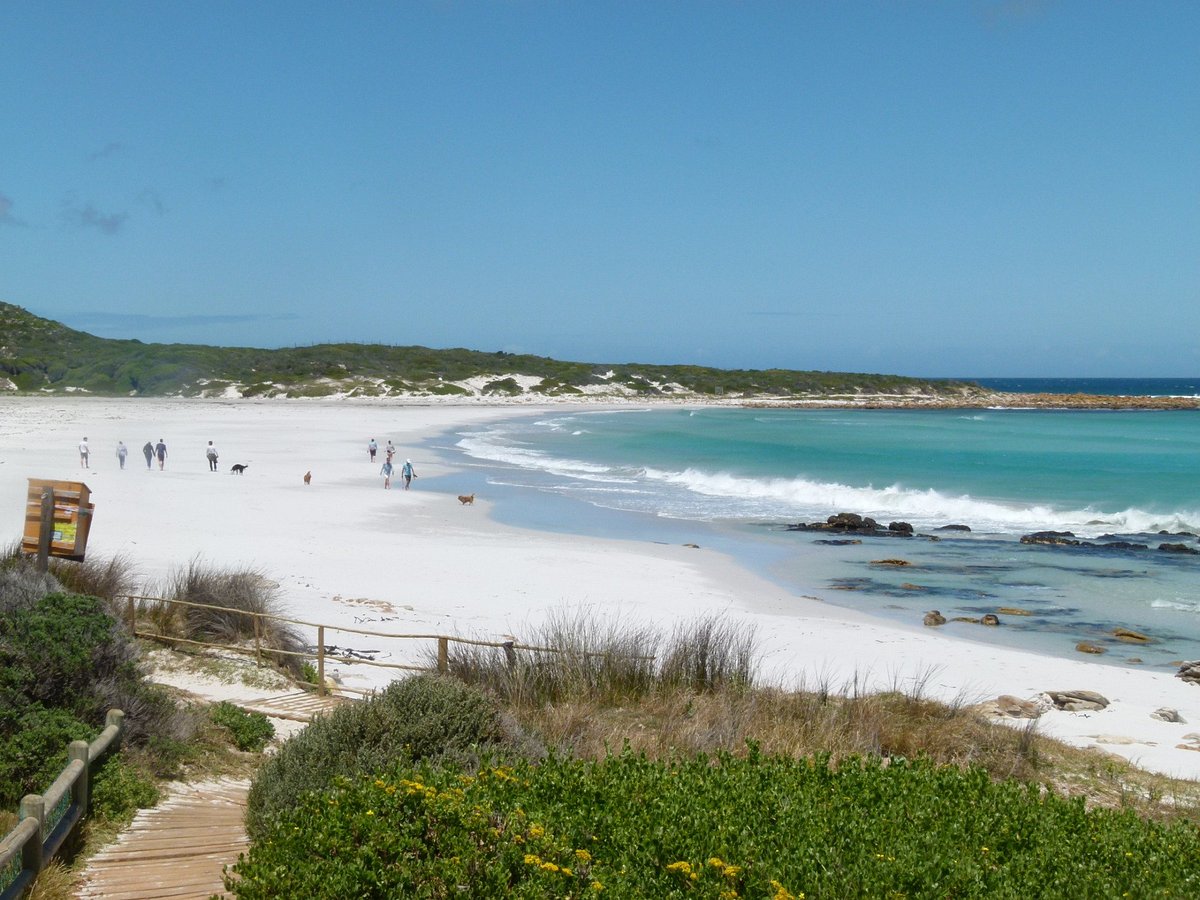
West Coast National Park is a coastal and wetland Park located in the Western Cape, South Africa, near the town of Saldanha Bay and about 90 km north of Cape Town. It is renowned for its spring wildflower displays, rich birdlife, and coastal landscapes.
West Coast National Park encompasses the Langebaan Lagoon, a shallow coastal lagoon protected from the Atlantic Ocean by a sandbar, as well as salt marshes, coastal dunes, and wetlands. This variety of habitats makes it ecologically significant, particularly for migratory and coastal birds.
Wildlife includes zebra, eland, bontebok, springbok, and smaller mammals, along with rich birdlife such as flamingos, pelicans, African oystercatchers, and numerous waterfowl and waders that frequent the lagoon. The park is also important for the conservation of coastal and wetland ecosystems.
During spring (August – September), the surrounding veld transforms with vivid wildflower blooms, creating a spectacular visual display against the backdrop of the lagoon and Atlantic Ocean.
Visitors enjoy birdwatching, hiking, cycling, scenic drives, photography, and exploring the lagoon by boat or kayak. Its combination of coastal beauty, biodiversity, and seasonal wildflowers makes West Coast National Park a unique and accessible destination for both nature enthusiasts and casual visitors.
Why South Africa’s National Parks Matter
Beyond their beauty, South Africa’s National Parks play a vital role in conservation, education, and community upliftment. They protect endangered species, preserve cultural heritage, and offer sustainable tourism that benefits surrounding communities.
Each park tells a different story, yet together they form a powerful narrative of resilience and respect for the natural world.
Final Thoughts
Travelling through South Africa’s National Parks is more than ticking destinations off a list. It’s about reconnecting with something ancient and essential. It’s the silence before dawn on safari, the smell of rain on dry earth, and the humbling realization that we are visitors in a much older world.
Whether you seek adventure, reflection, or wonder, South Africa’s National Parks are waiting: wild, welcoming, and unforgettable.
Ready to Explore the Wild Side of South Africa?
Experiencing the vast beauty of South Africa’s National Parks is a bucket-list journey, but navigating these diverse landscapes requires local expertise and refined comfort. At Cape Ability Tours, we specialize in luxury private experiences that bring you closer to the heart of the wilderness.
Whether you want to witness the “Big Seven” in Addo, explore the floral kingdom of Table Mountain National Park, or discover the hidden gems along the West Coast, our expert guides handle every detail.
Don’t just visit the wild—experience it in luxury.
👉 Book Your Private National Park Adventure with Cape Ability Tours Today!