The Brindle Southern Right Whales of Hermanus: A Rare and Magical Tale
- Hermanus and Walker Bay: Whale-Watching Capital
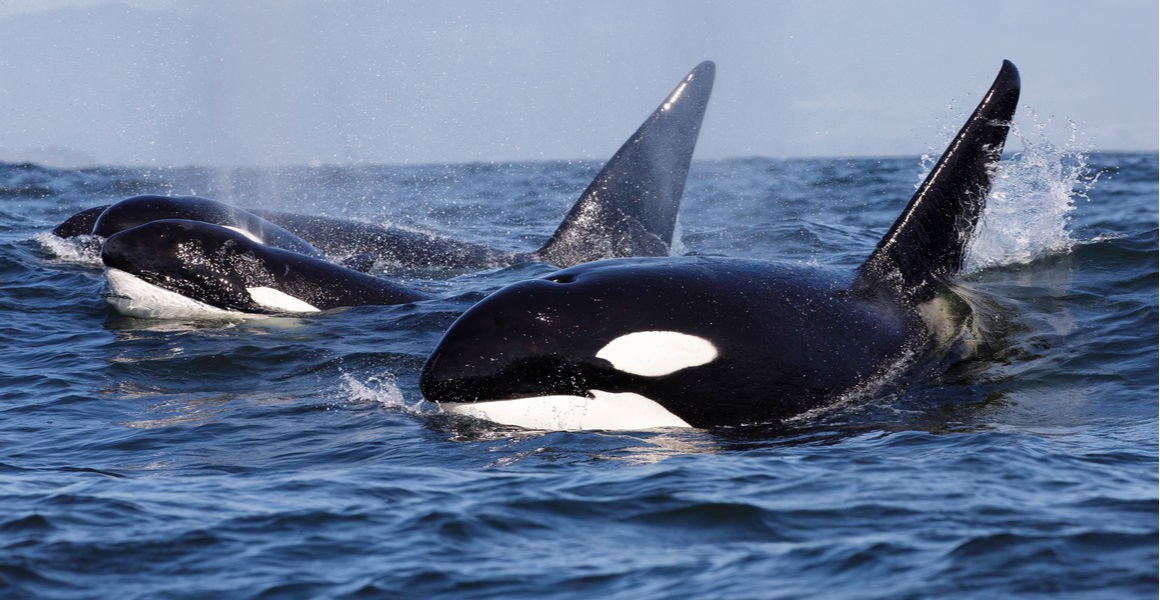
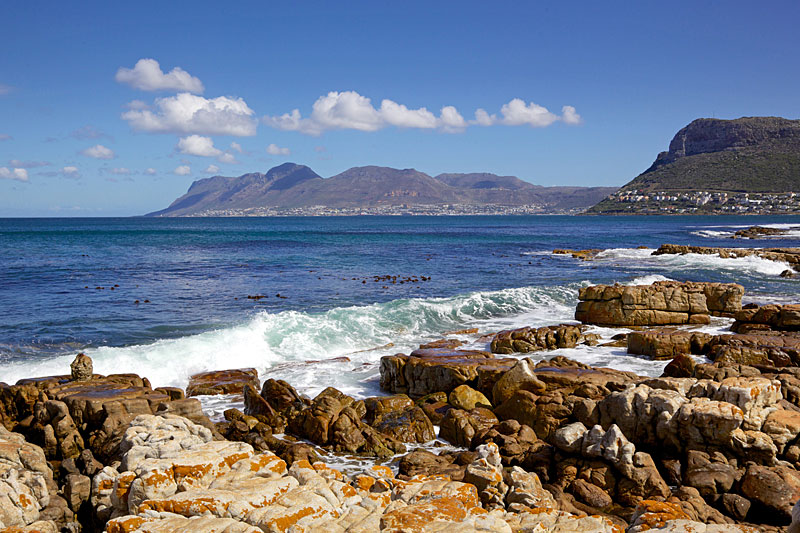
Nestled in the Western Cape, Hermanus commands a prime spot on Walker Bay, celebrated as one of the world’s best whale-watching locations. From June to December, Southern Right whales migrate from Antarctica to this sheltered bay for calving.
- What Makes the Southern Right Whale Stand Out
These whales are recognized by their:
- Broad, dorsal-fin-free backs
- V-shaped spout
- Distinctive white callosities (colonies of whale lice and barnacles) on their head.
They are mighty in size—typically 14–17 m long, weighing up to 60 tonnes, with their heads accounting for roughly 30% of body length.
- The Enigmatic Brindle Calf
One of the most remarkable phenomena is the brindle pigmentation pattern—rare and enthralling:
- Brindle calves are born almost entirely white with a dark, speckled “collar” and spots across their backs.
- Over time, this pattern fades to grey as they mature.
- This colouration stems from a specific genetic combination (recessive allele on the X chromosome): calves with xx or xy gene combinations display brindling.
- Only 4% of calves are born brindle, and about 94% of those are male.
- Calving Season and Life on the Bay
- Peak calving occurs in August, when calves measuring around 5 m and 1 tonne at birth make their debut.
- Mother-calf bonds are profound: calves nurse for 4–8 months, consuming up to 600 litres of milk per day, fuelled by the mother’s stored blubber.
- A Heritage of Hope
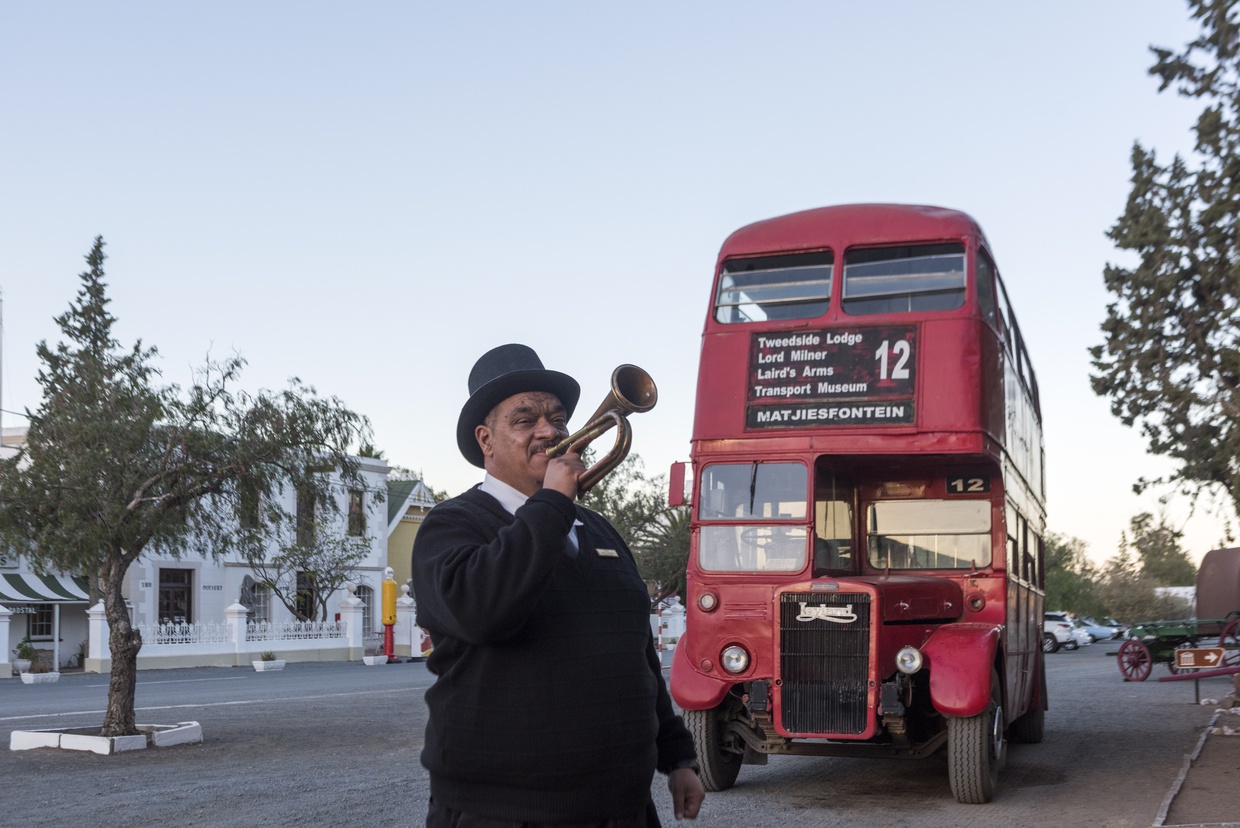
Southern Right whales were hunted to near extinction, with just a few hundred left by the early 20th century. Thankfully, strong protection brought them back, with populations growing by approximately 7% annually. Hermanus today is not just a viewing point—it’s a symbol of recovery and conservation. The town even employs a storied “whale crier” who warns visitors of whale sightings.
6. Walker Bay’s Other Wonders: Beyond the Whales
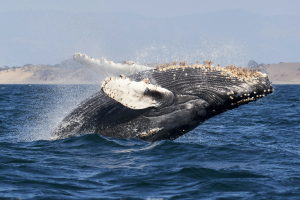
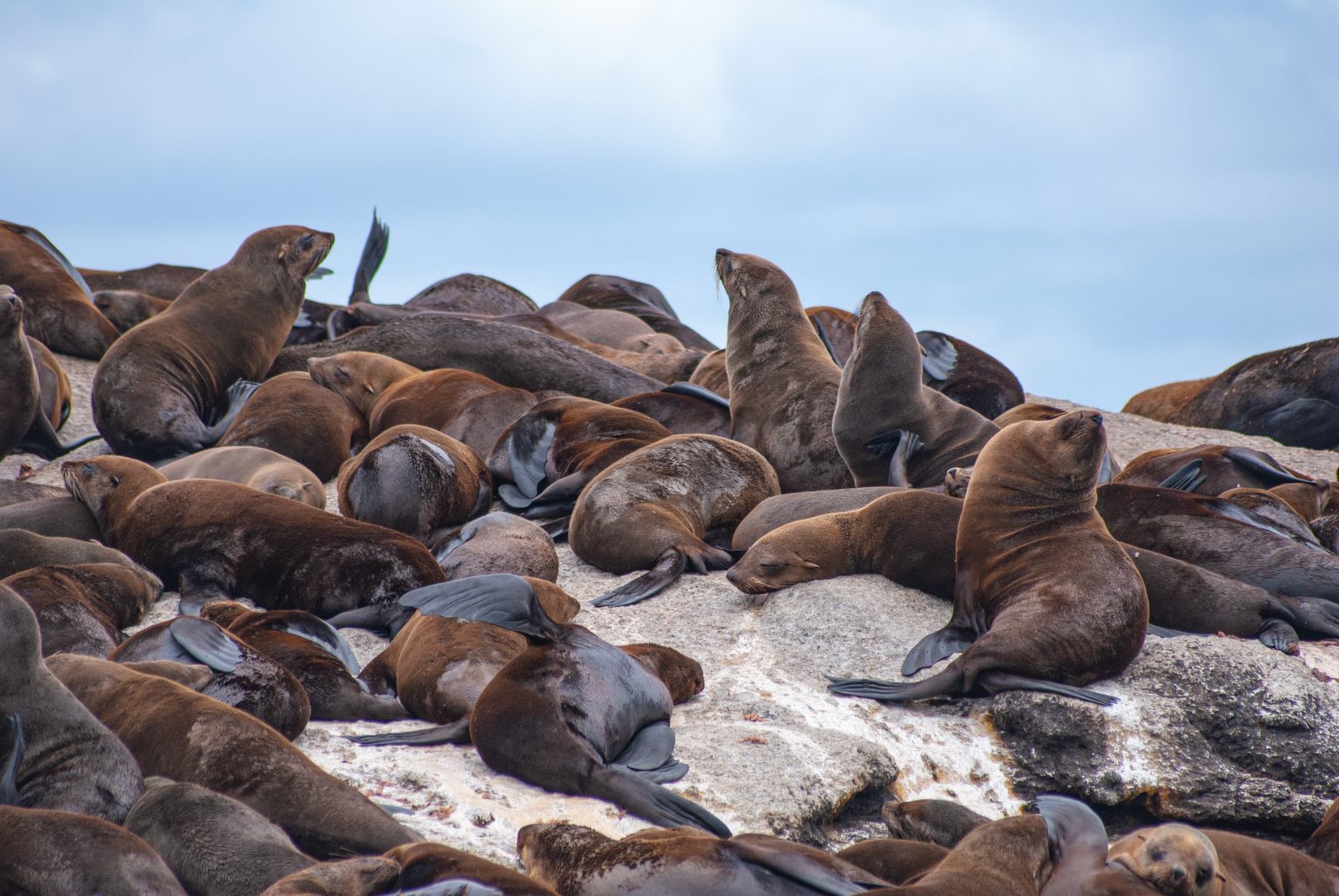
While the Southern Right whales are the main stars, Walker Bay’s marine life is a complete ecosystem waiting to be explored. During your visit, you might also spot Humpback whales and the elusive Bryde’s whales. The bay is also a playground for other creatures, including pods of playful Common and Bottlenose dolphins, and lively colonies of Cape Fur seals. The cliffs and shores are home to a variety of marine birds, making a walk along the famous Cliff Path a birdwatcher’s delight, too. This rich biodiversity makes Hermanus a true marine safari destination.
7. Whale-Watching with the “Whale Crier”
Hermanus is home to the world’s only official “whale crier.” This unique tradition dates back to the 1990s when the town wanted to give land-based whale watchers a way to know when and where to spot whales. The whale crier walks the Cliff Path, blowing a kelp horn to signal that whales have been sighted. The number of blows indicates the location of the whales, adding a charming, old-world touch to your modern whale-watching adventure. Keep an ear out for his distinctive call—it’s a sound you won’t hear anywhere else! whale season Hermanus.
8. The Conservation Work Behind the Scenes
The return of the Southern Right whale to Walker Bay is a triumph of conservation, but the work is far from over. Organizations like the Mammal Research Institute (MRI) Whale Unit at the University of Pretoria play a crucial role. They conduct annual aerial surveys to monitor whale populations and use satellite tags to track migration patterns and feeding behavior. These efforts help scientists understand the challenges whales face, from climate change affecting their food sources to threats from human activities like shipping and coastal development. Your visit to Hermanus supports a community dedicated to protecting these magnificent animals for generations to come.

Our Private Hermanus Whale and Wine Tour awaits you. If you’re truly fortunate, you might just see a pale, brindled newborn Southern Right Whale—a tiny herald of hope and resilience in our oceans.