The Vanishing Giants of False Bay
The Mystery Behind the Disappearance of Great White Sharks in False Bay
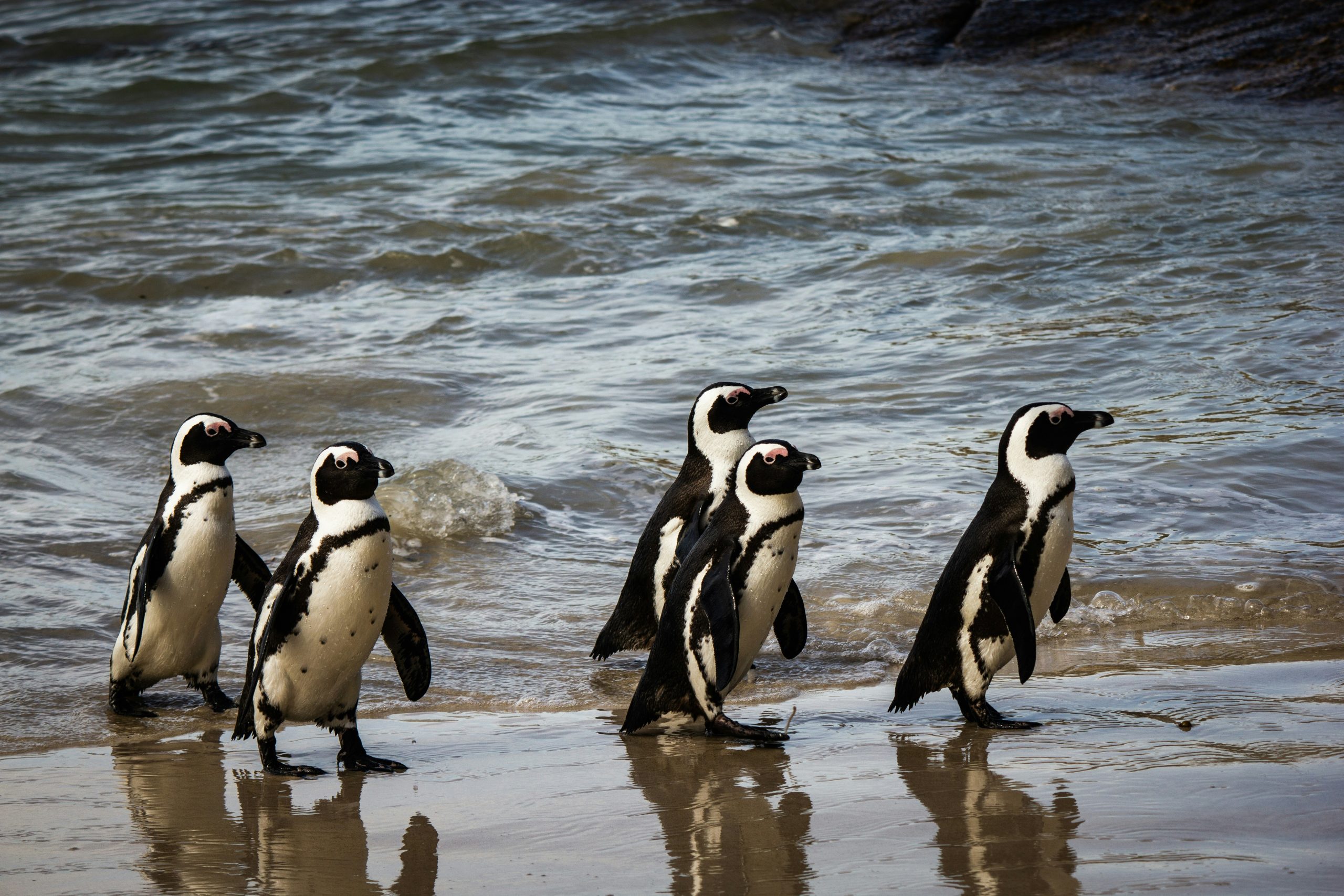
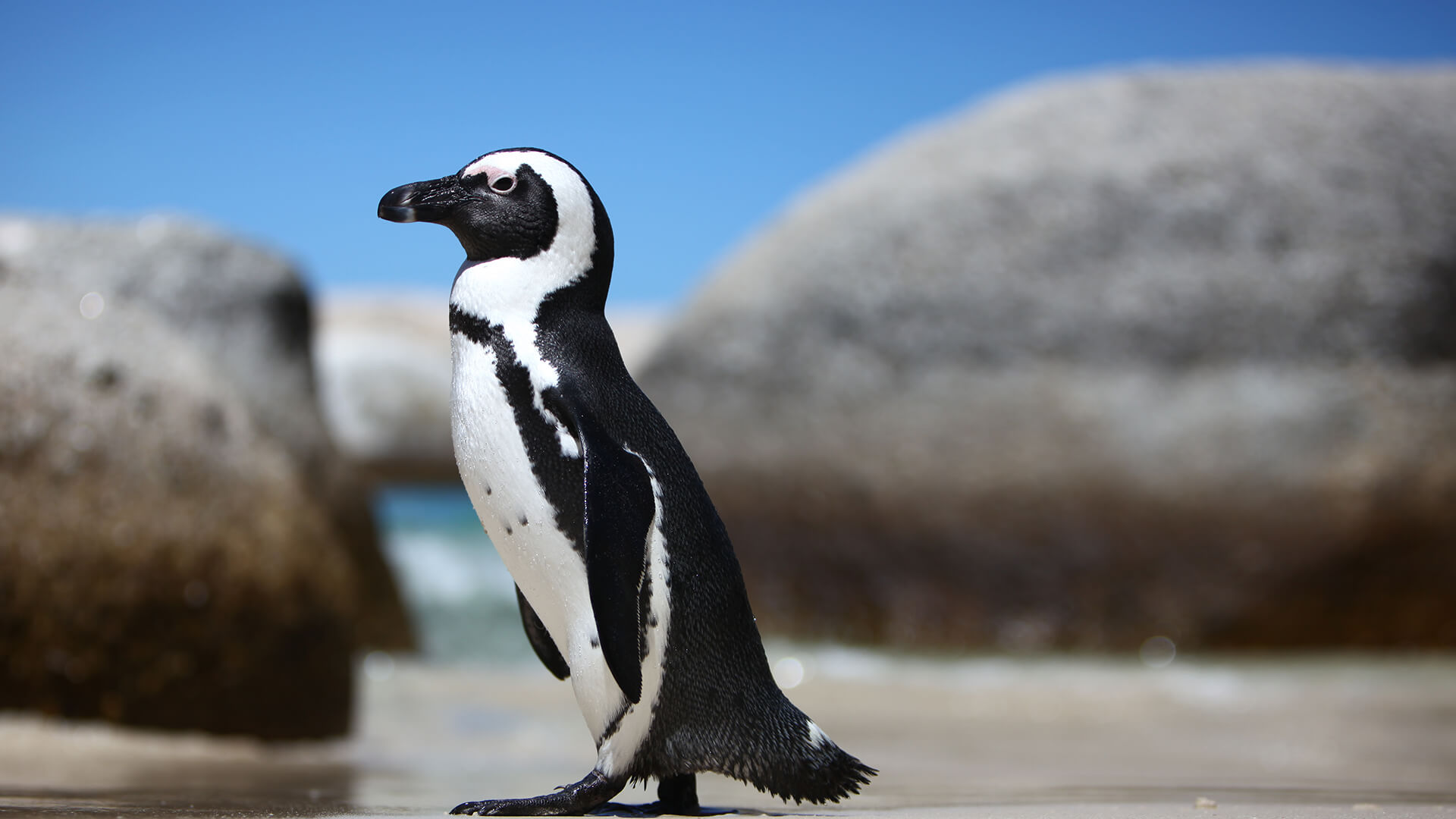
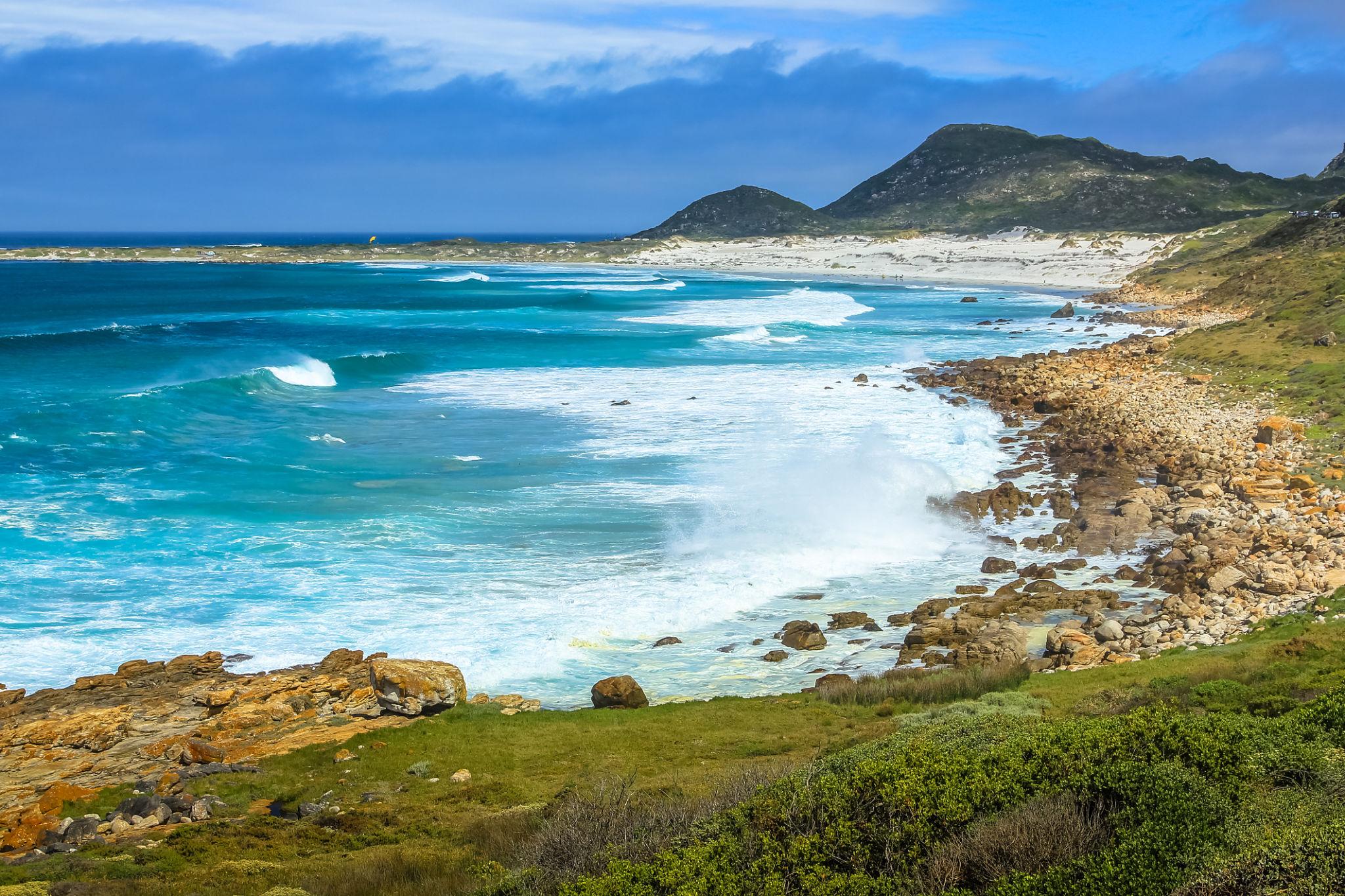
By the time the sun rises over False Bay, the ocean appears unchanged. The mountains still cast long shadows across the water. African penguins shuffle along nearby beaches, Cape fur seals bark from rocky outcrops, and fishing boats trace familiar routes through the bay. Yet beneath the surface, something extraordinary has happened. One of the world’s most celebrated marine predators, the great white shark, has all but vanished from waters it once ruled.
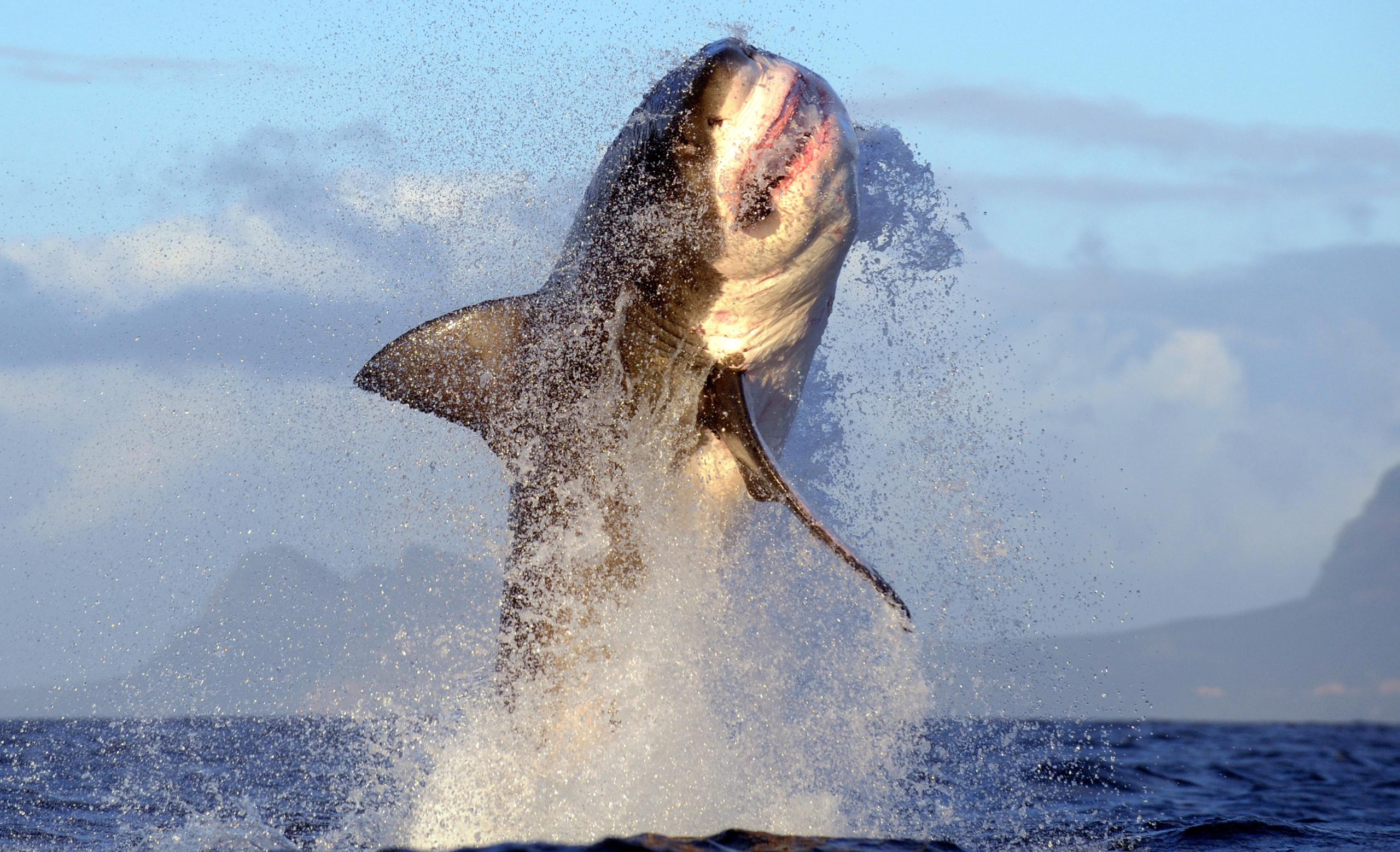
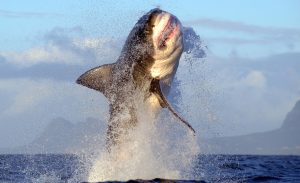
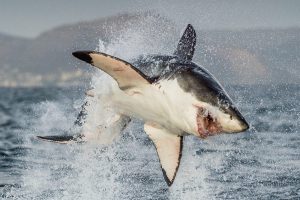
For more than three decades, False Bay, east of Cape Town, South Africa, was synonymous with the great white shark (Carcharodon carcharias). It was here that filmmakers captured breathtaking images of massive sharks exploding from the sea in pursuit of Cape fur seals. Marine biologists identified hundreds of individual sharks, documenting their movements, behaviour, and life histories. Tourists from around the world came to witness one of nature’s greatest spectacles: a predator so powerful that it could launch its two-ton body entirely clear of the water.
Today, those breaches are exceptionally rare.
The disappearance of great white sharks from False Bay has become one of the most intriguing marine mysteries of the twenty-first century. While two male killer whales named Port and Starboard have become the public face of the story, researchers increasingly believe the answer lies not in a single cause but in the convergence of several powerful ecological forces.
Great White Sharks: Masters of the Marine World
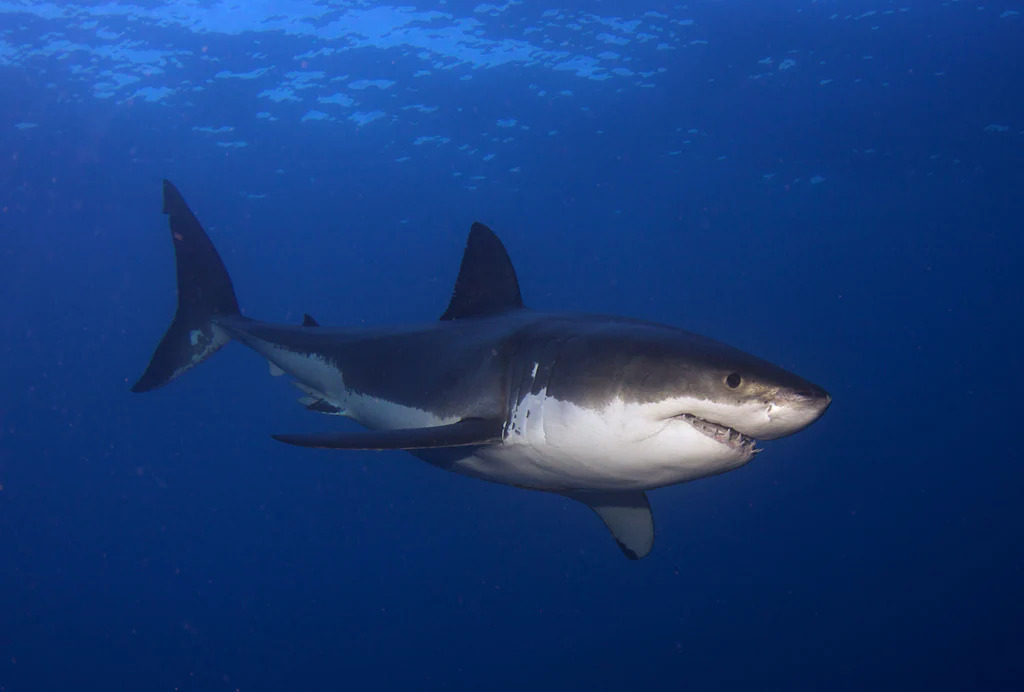
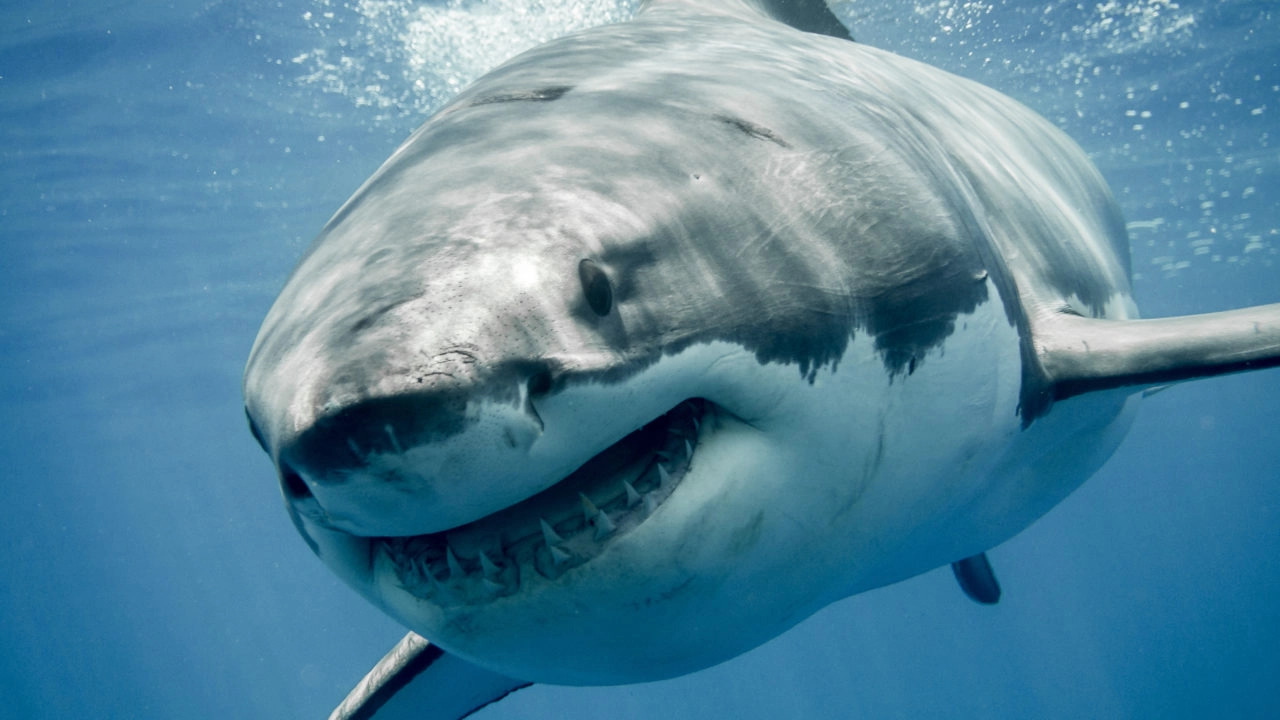
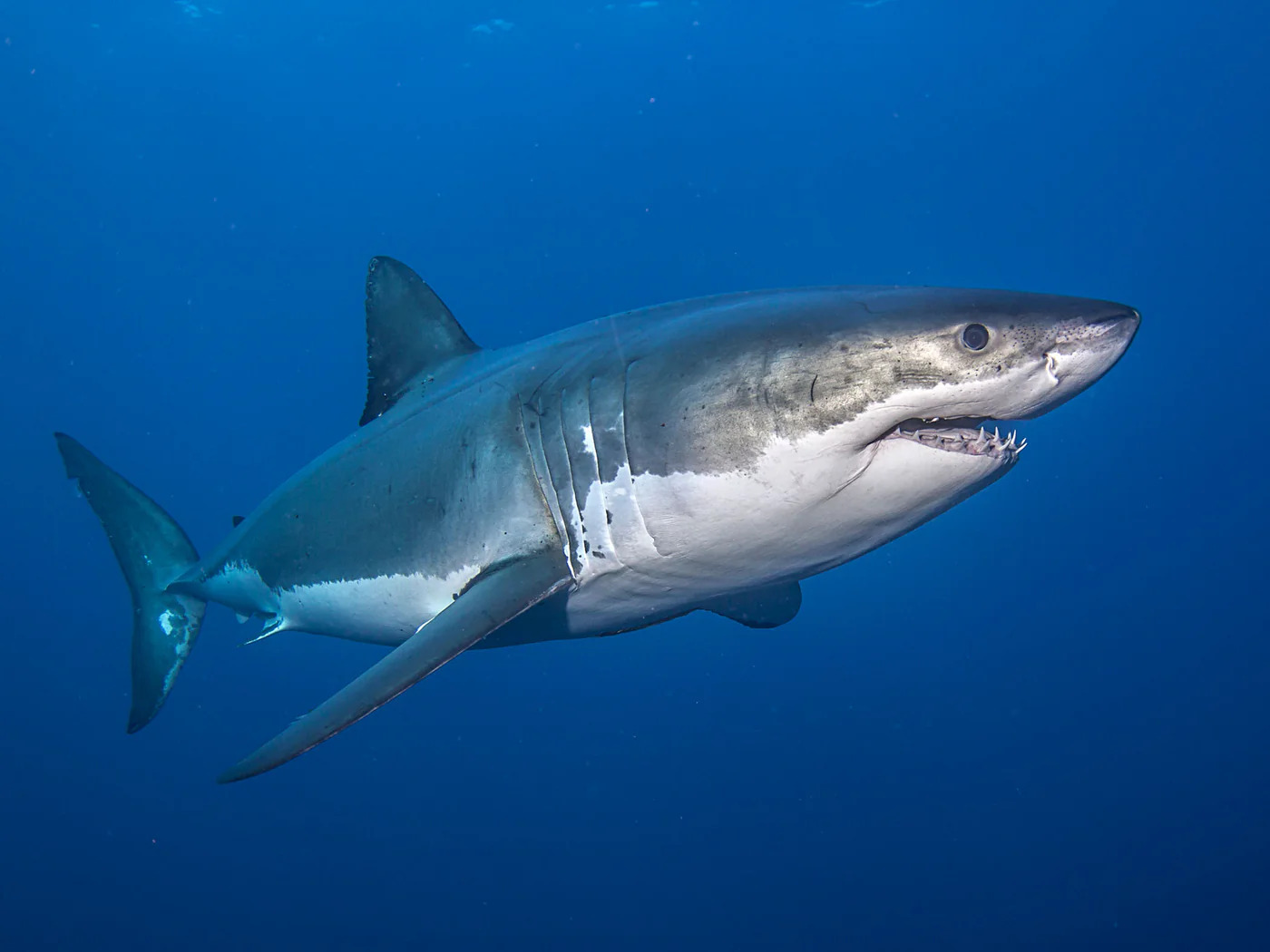
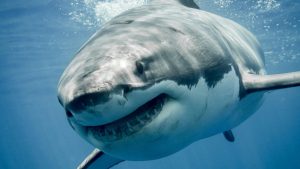
The great white shark is one of the ocean’s most iconic and misunderstood predators. Instantly recognizable by its powerful, torpedo-shaped body, slate gray back, and brilliant white underside, the great white has evolved over millions of years into one of nature’s most efficient hunters. Found in temperate and subtropical oceans around the world, these remarkable fish play a vital role in maintaining the health and balance of marine ecosystems.
An adult great white shark is an impressive sight. Most mature individuals measure between 4 and 5 meters (13–16 feet) in length, although exceptionally large specimens can exceed 6 meters (20 feet) and weigh more than 2,000 kilograms (4,400 pounds). Females are generally larger than males, a common trait among many shark species.
Built for speed and endurance, the great white’s streamlined body allows it to cruise effortlessly through the water while conserving energy. Its stiff, crescent-shaped tail generates tremendous propulsion, enabling sudden bursts of speed exceeding 40 km per hour (25 miles per hour) when chasing prey. Beneath its skin lies a unique network of blood vessels that helps retain body heat, allowing the shark to hunt efficiently in cooler waters where many other fish become sluggish.
Perhaps the shark’s most famous feature is its mouth. Lined with up to 300 large, triangular, serrated teeth arranged in several rows, it is perfectly adapted for gripping and slicing through flesh. Unlike human teeth, shark teeth are continuously replaced throughout life. As older teeth are lost or damaged, new ones move forward from behind, ensuring the shark always has a razor-sharp set of tools for feeding.
The great white’s senses are among the most sophisticated in the animal kingdom. Its sense of smell is extraordinarily acute, capable of detecting tiny traces of blood or other chemicals dissolved in seawater over great distances. Its eyesight is well suited to low-light conditions, helping it hunt during dawn, dusk, and in deeper water. A sensory system called the lateral line detects subtle vibrations and water movements produced by swimming animals, while specialized organs known as, the ampullae of Lorenzini, allow the shark to detect the faint electrical fields generated by the muscles and nervous systems of living prey. Together, these senses create an exceptionally effective predator capable of locating prey even when visibility is poor.
Great white sharks are opportunistic hunters whose diet changes with age. Juveniles feed primarily on fish, rays, and smaller sharks. As they mature, they begin targeting larger prey such as seals, sea lions, dolphins, porpoises, and occasionally small whales or the carcasses of large marine mammals. Around South Africa’s False Bay, great whites became famous for hunting Cape fur seals in spectacular high-speed ambushes, launching themselves completely out of the water in dramatic breaches that have fascinated scientists and filmmakers alike.
Despite their formidable reputation, great white sharks do not spend their lives relentlessly hunting. They often travel vast distances across the oceans, covering thousands of kilometres during seasonal migrations. Satellite tracking has revealed that some individuals regularly cross entire ocean basins, moving between feeding grounds and offshore habitats. Much of their lives remains a mystery, including where many populations mate and give birth.
Great whites are solitary for much of the year, although they sometimes gather in areas with abundant food. Researchers have observed complex social interactions, with larger individuals often dominating feeding opportunities while smaller sharks maintain respectful distances. Although not social in the same way as dolphins or killer whales, they display behaviours suggesting a degree of communication and recognition among individuals.
Unlike most fish, great white sharks reproduce through a form of live birth known as ovoviviparity. Eggs hatch inside the mother’s body, and the pups continue developing until they are born fully formed and ready to survive independently. Newborn pups typically measure around 1.2 to 1.5 meters (4–5 feet) in length and receive no parental care after birth. Because females produce relatively few young and reproduce only every few years, great white populations recover slowly from declines.
As apex predators, great white sharks play a crucial ecological role. By influencing the behaviour and abundance of seals, large fish, and other marine animals, they help maintain healthy and balanced ecosystems. Their presence can affect where prey species feed and travel, creating what ecologists call a “landscape of fear” that shapes the entire marine food web.
Despite their fearsome image, attacks on humans are exceedingly rare. Most encounters are believed to result from mistaken identity, curiosity, or investigative bites rather than deliberate attempts to prey upon people. Millions of people enter the ocean each year, yet serious shark attacks remain uncommon compared with many other natural hazards.
Today, great white sharks face numerous threats. Accidental capture in commercial fishing gear, depletion of prey species, habitat degradation, climate change, and illegal fishing have contributed to population declines in several regions. Their slow growth, late maturity, and low reproductive rate make them especially vulnerable to human impacts.
Protected in many countries, the great white shark has become a powerful symbol of marine conservation. Once feared almost exclusively, it is now increasingly appreciated as an essential component of healthy oceans. Scientists continue to study its behaviour, migration, and ecology, seeking to better understand one of the sea’s most extraordinary predators.
Far from being the ruthless monster of popular imagination, the great white shark is a highly evolved, intelligent, and ecologically important species: a magnificent survivor whose future is closely tied to the health of the world’s oceans.
Orcas: The Ocean’s Intelligent Apex Predators
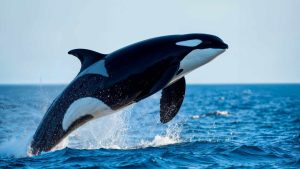
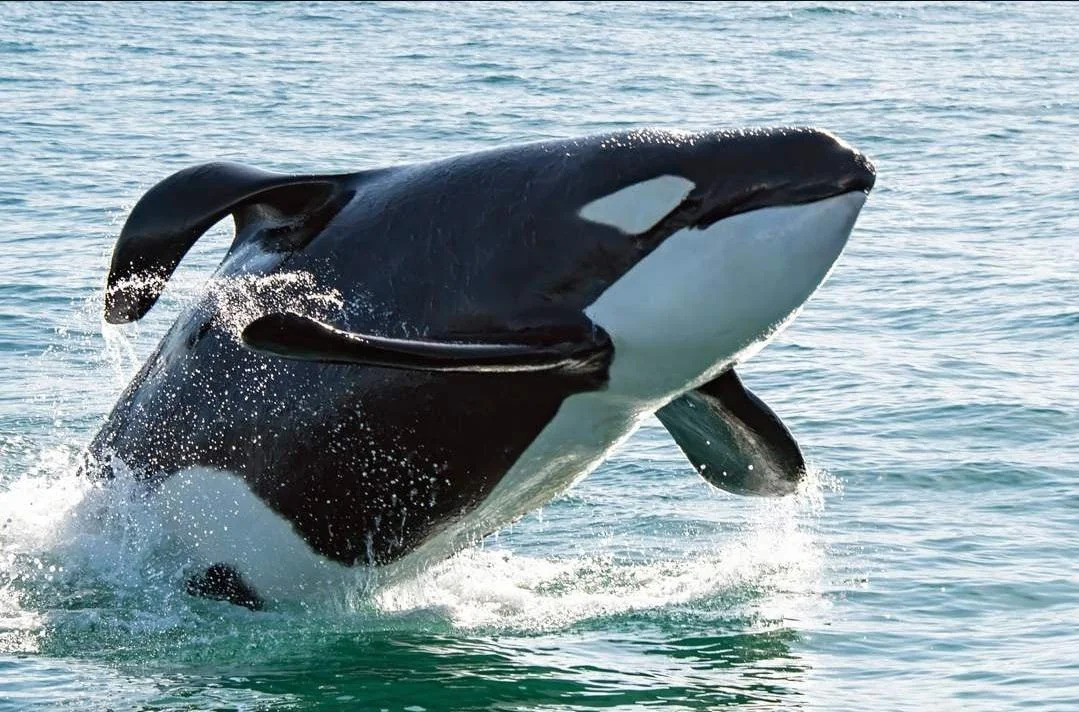
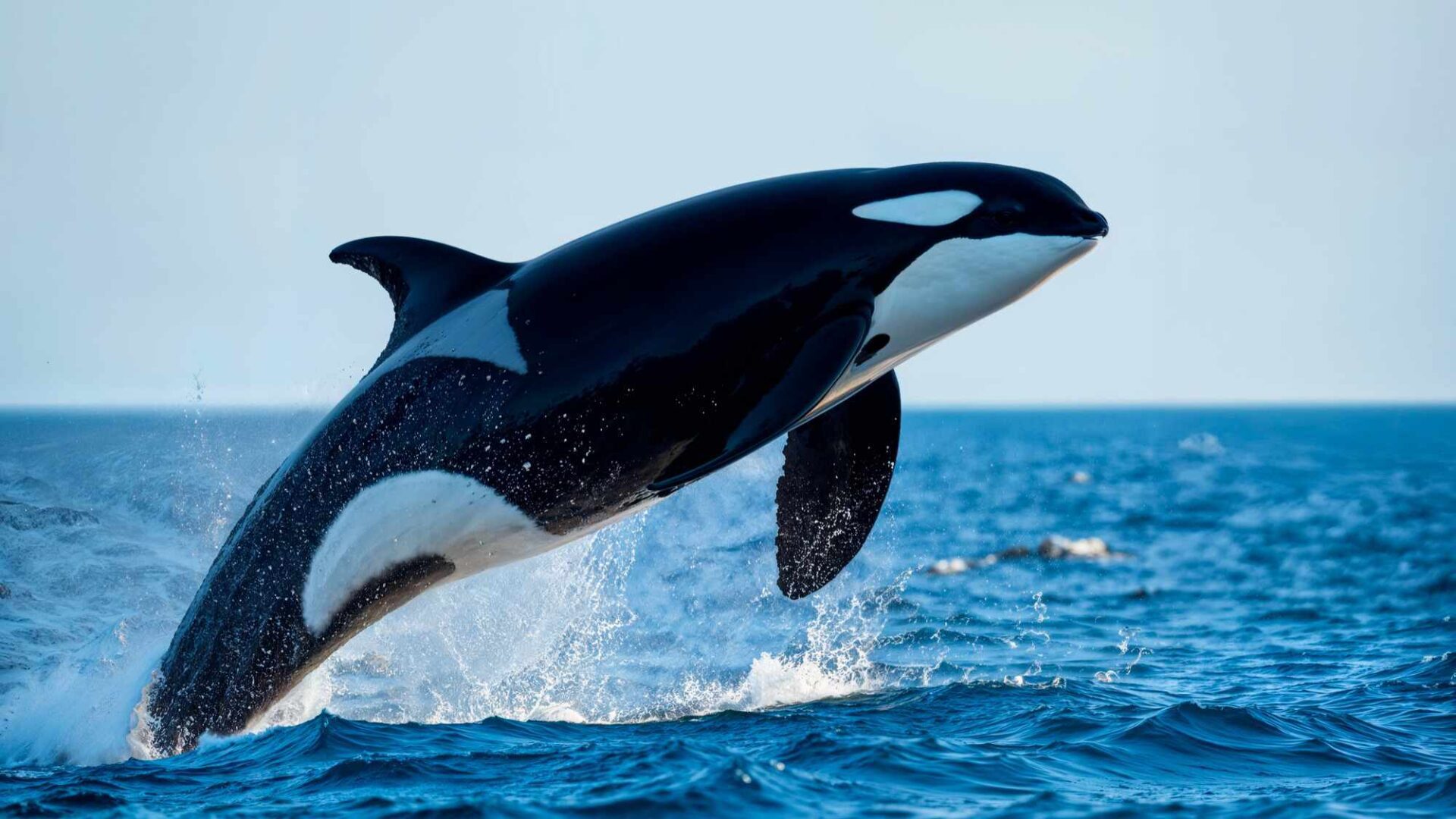
Few animals command as much awe and respect as the orca (Orcinus orca), commonly known as the killer whale. Instantly recognizable by its striking black-and-white coloration and towering dorsal fin, the orca is not a whale at all, but the largest member of the dolphin family (Delphinidae). Found in every ocean on Earth, from the frozen waters of Antarctica to the tropical seas of the Pacific, orca populations have evolved into some of the most intelligent, adaptable, and formidable predators in the natural world.
Adult male orcas are among the largest marine mammals, reaching lengths of 8 to 9.5 meters (26–31 feet) and weighing up to 6 tonnes. Females are slightly smaller, typically growing to 7–8 meters (23–26 feet) and weighing around 3 to 4 tonnes. Their bodies are muscular and streamlined, built for both speed and endurance. A powerful tail fluke propels them through the water at speeds approaching 56 km per hour (35 miles per hour), making them among the fastest marine mammals.
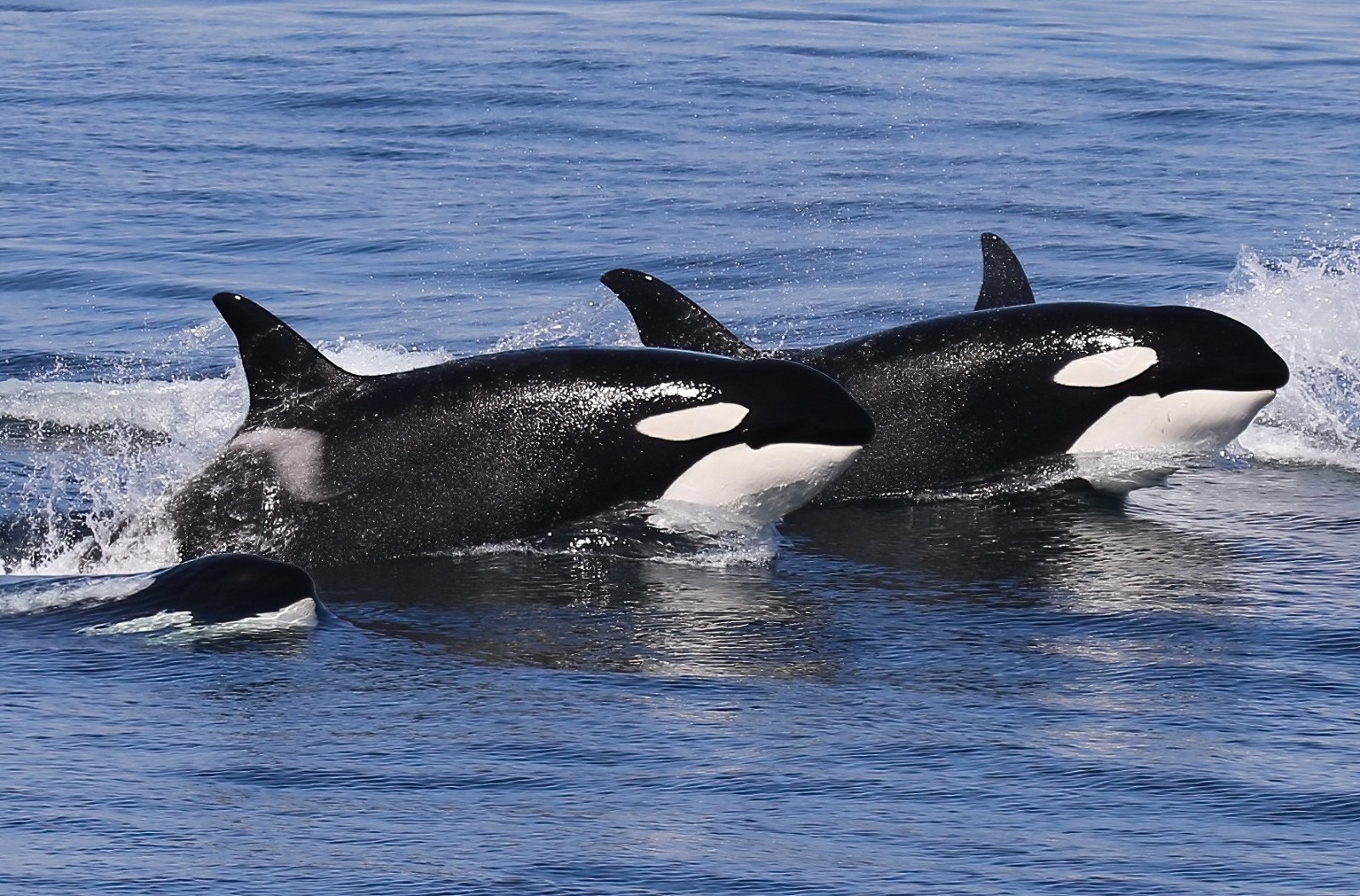
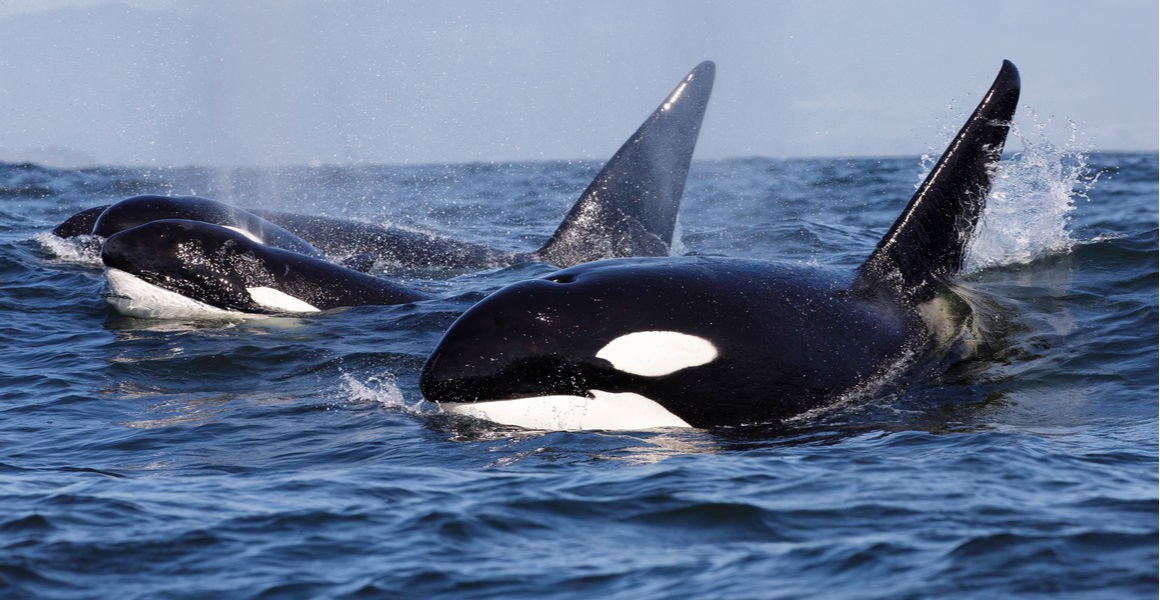
One of the orca’s most distinctive features is its dorsal fin. Adult males possess an impressive, triangular fin that can reach 1.8 meters (6 feet) in height. It is the tallest dorsal fin of any marine mammal. Females and younger males have shorter, curved fins. These fins serve as visual identifiers, allowing researchers to recognize individual animals over decades of study. Some orcas, such as the famous South African males Port and Starboard, have partially collapsed dorsal fins that bend to one side, making them instantly recognizable.
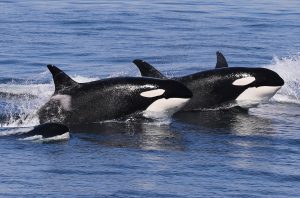
Beneath their striking appearance lies one of the most sophisticated brains in the animal kingdom. Orcas possess exceptionally large brains with highly developed regions associated with memory, learning, communication, emotional processing, and problem-solving. Their intelligence is reflected in their remarkable ability to cooperate, innovate, and adapt to changing environments.
Unlike many predators that rely solely on instinct, orcas learn from one another. Hunting techniques are passed from one generation to the next through observation and practice, creating distinct cultural traditions within different populations. Scientists now recognize that orcas belonging to different regions often exhibit unique dialects, hunting methods, diets, and social behaviours, much like human cultures.
Orcas live in close-knit family groups known as pods. These pods are often matrilineal, meaning they are led by older females whose knowledge helps guide the group through seasonal migrations and hunting grounds. Both sons and daughters typically remain with their mothers throughout their lives, forming some of the strongest family bonds known among mammals. Grandmothers play an especially important role, sharing knowledge about food sources and helping younger generations survive during times of scarcity.
Communication is central to orca society. Pods constantly exchange whistles, clicks, and pulsed calls, each serving different purposes. Echolocation clicks allow them to navigate dark waters and locate prey by interpreting echoes that bounce back from surrounding objects. Distinct vocal dialects also help maintain pod identity, with neighbouring groups often speaking noticeably different “languages.”
One of the most extraordinary characteristics of orcas is their dietary specialization. Although they all belong to the same species, different populations have evolved highly specialized feeding habits. Some prey almost exclusively on fish, particularly salmon. Others hunt seals, sea lions, dolphins, penguins, squid, seabirds, or even large whales. These dietary preferences are learned rather than inherited genetically, reinforcing the importance of culture within orca societies.
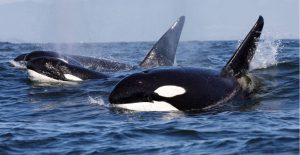
Their hunting strategies are among the most sophisticated in the animal kingdom. Working together with remarkable precision, pods coordinate attacks that would be impossible for a single individual. In Antarctica, groups create powerful waves to wash seals from floating ice. Off the coast of Patagonia, Argentina, some orcas intentionally strand themselves on beaches to capture sea lion pups before wriggling back into the surf. Elsewhere, they cooperate to exhaust large whales over many hours before making a kill.
Despite being apex predators with virtually no natural enemies, orcas face growing threats from human activity. Pollution, declining fish stocks, underwater noise from shipping, entanglement in fishing gear, and climate change all affect different populations in different ways. Some groups, particularly those that rely heavily on salmon or other declining prey species, have experienced significant population declines.
Because orcas mature slowly and produce relatively few calves, recovery from population losses can take decades. Females typically give birth to a single calf every three to ten years after a pregnancy lasting approximately 17 months. Calves remain closely dependent on their mothers for several years, learning the social and hunting skills necessary for survival.
Orcas are also among the few species known to experience menopause. Older females may live for decades after their reproductive years have ended, continuing to play vital roles within their pods by sharing ecological knowledge and guiding younger generations. Scientists believe this post-reproductive lifespan contributes significantly to the survival and success of their families.
Although the name “killer whale” evokes fear, attacks on humans in the wild are extraordinarily rare. There are no confirmed records of fatal attacks by wild orcas on humans. Instead, these animals generally display curiosity toward boats, divers, and swimmers while maintaining a respectful distance. Their fearsome reputation stems not from aggression toward people but from their effectiveness as hunters capable of preying upon some of the ocean’s largest animals.
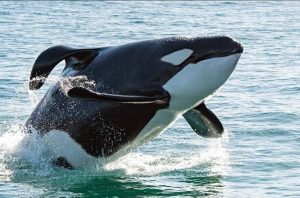
Today, orcas symbolize both the power and complexity of marine ecosystems. They are not merely powerful predators but highly intelligent, socially sophisticated mammals whose lives are shaped by family, culture, communication, and learning. Every pod carries generations of accumulated knowledge, passing survival skills from elders to calves in traditions that may persist for centuries.
Whether patrolling icy polar seas, chasing salmon through winding rivers, or hunting sharks along the coast of South Africa, orcas embody the remarkable adaptability of life in the oceans. Their intelligence, cooperation, and ecological importance continue to fascinate scientists, reminding us that beneath the waves lives a species whose social complexity rivals that of many terrestrial mammals.
Far more than simply “killer whales,” orcas are master strategists, devoted family members, and among the most extraordinary animals ever to inhabit the world’s oceans.
A Global Icon Beneath Table Mountain
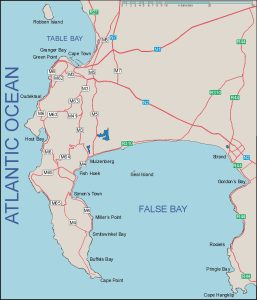
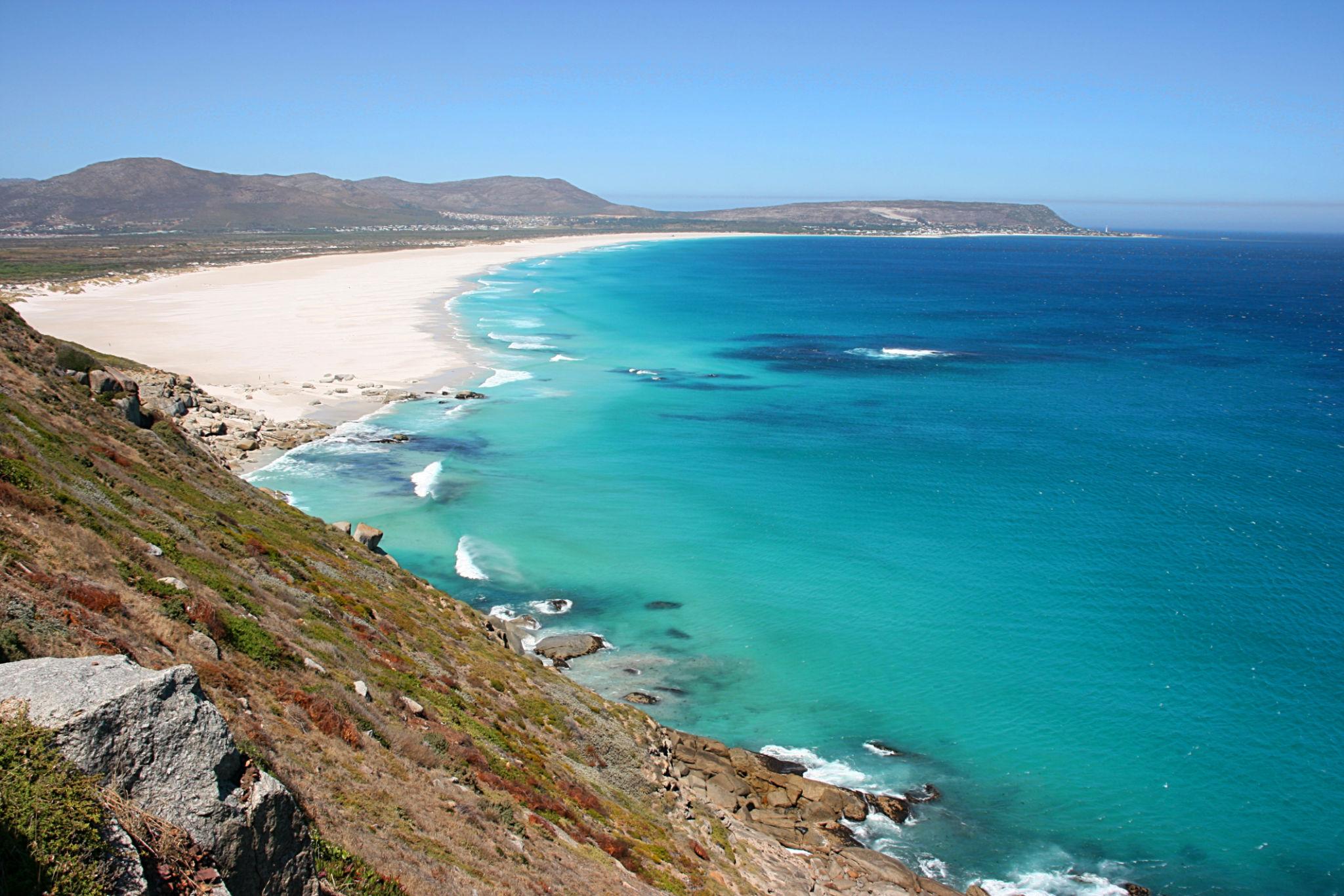
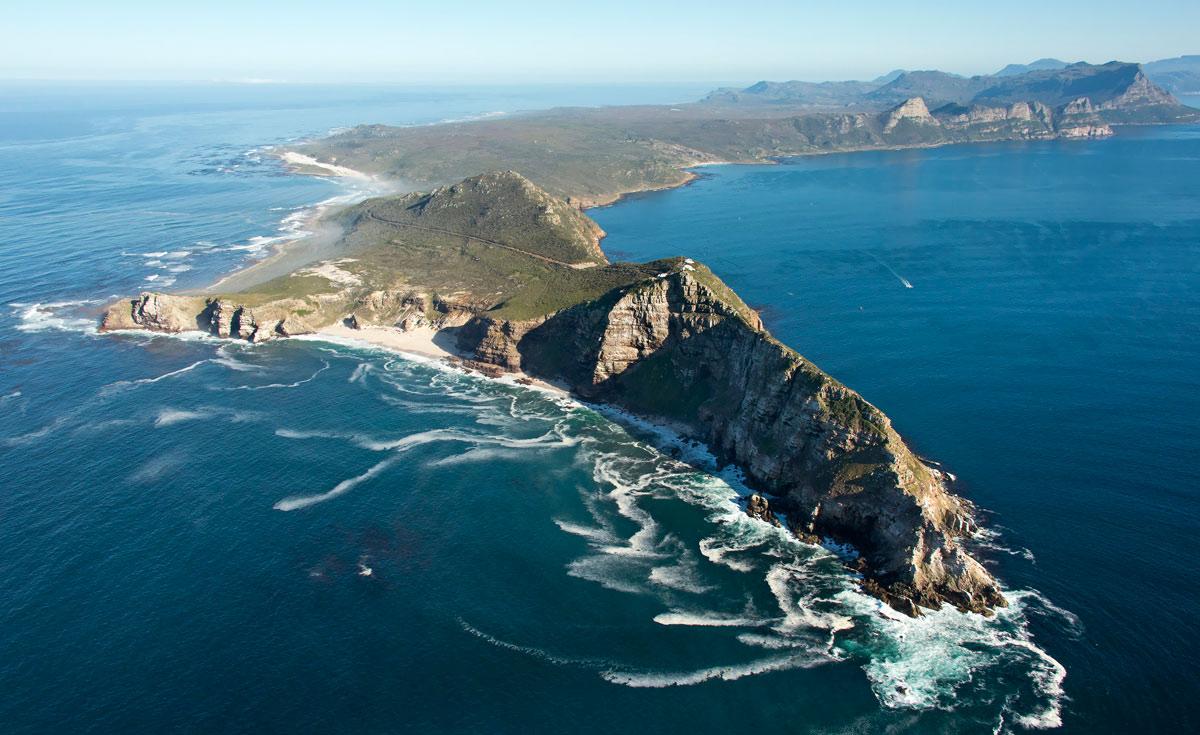
Few places offer scientists a better natural laboratory than False Bay, in Cape Town. Stretching more than 30 kilometres across South Africa’s southwestern coast, False Bay combines cold, nutrient-rich Atlantic waters with warmer currents from the Indian Ocean. This mixing creates one of the country’s richest marine ecosystems, supporting everything from sardines and squid to whales, dolphins, seals, and sharks.
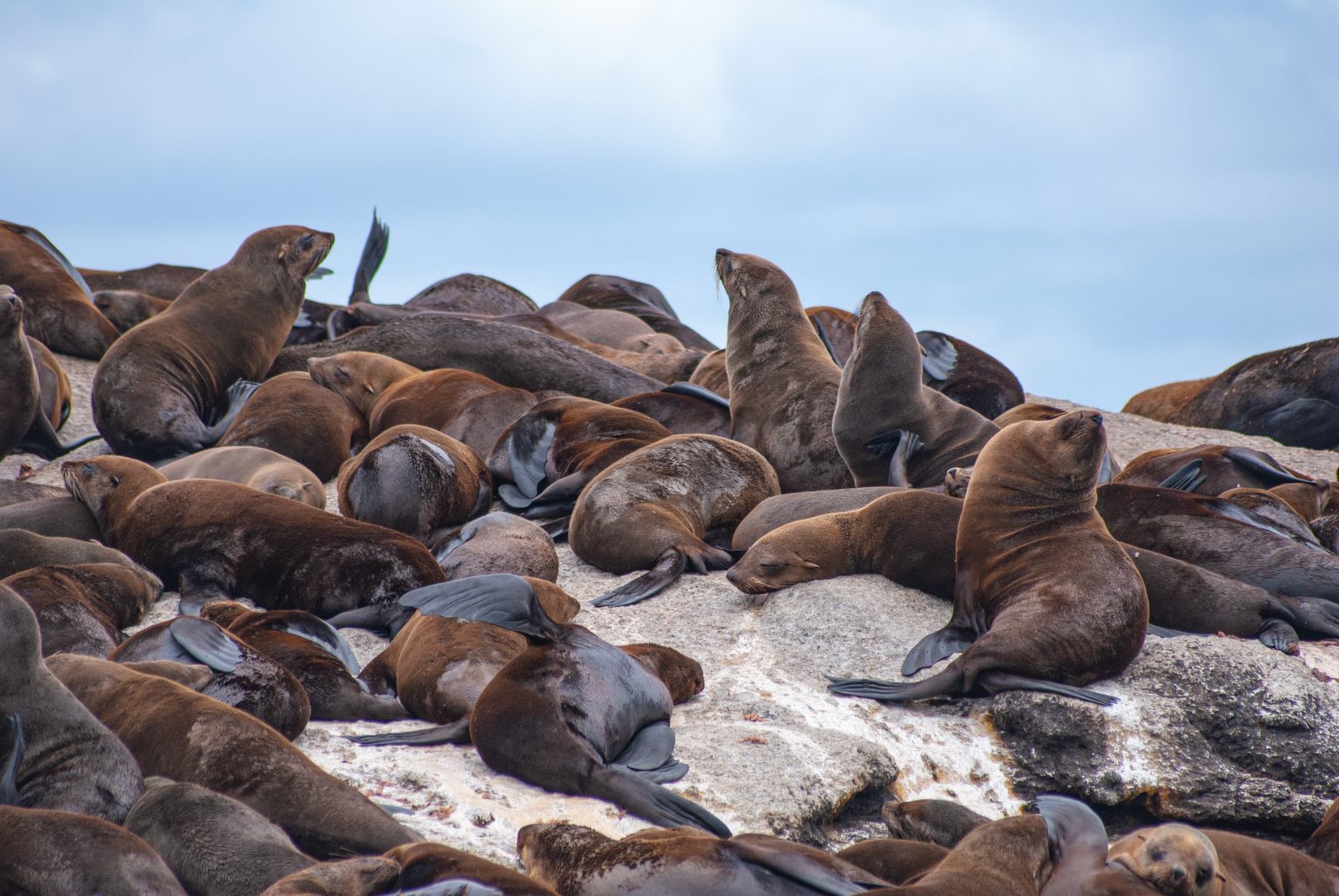
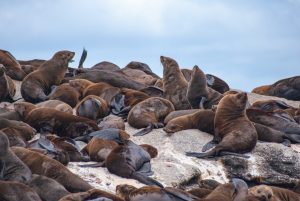
At the centre of this ecosystem lies Seal Island, a rocky outcrop occupied by tens of thousands of Cape fur seals. For juvenile seals learning to forage, every trip into open water carries risk. Waiting below are great white sharks, perfectly adapted ambush predators capable of accelerating from the depths with astonishing speed.
Researchers discovered that many attacks occurred shortly after sunrise, when low light reduced the seals’ ability to detect predators approaching from below. The sharks rely on surprise rather than prolonged pursuit, using explosive bursts of power to overwhelm prey in seconds.
These spectacular breaches became iconic images of the natural world, inspiring countless documentaries, including those produced by the BBC, Discovery Channel, and National Geographic. Yet beyond the dramatic photographs lay decades of invaluable scientific work. Individual sharks were identified by unique markings and dorsal fins, allowing scientists to monitor population trends and better understand one of the ocean’s least understood apex predators.
Warning Signs Beneath the Surface

Long before the disappearance of great white sharks became obvious to tourists, scientists had begun noticing subtle changes. Shark sightings fluctuated naturally from year to year, but records suggested that fewer animals were returning consistently to False Bay. Similar declines were reported elsewhere along South Africa’s coastline.
Several factors appeared to be placing increasing pressure on great white shark populations. Commercial fishing had reduced numbers of important prey species. Sharks were occasionally caught unintentionally in fishing gear. Protective beach nets and drumlines, although designed to reduce shark-human encounters, sometimes resulted in shark mortality. Climate variability influenced ocean temperatures and prey distribution, potentially altering migration patterns. These pressures were significant but gradual.
Then came an event that captured international attention.
The Arrival of Port and Starboard
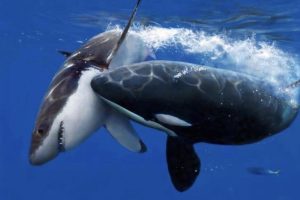
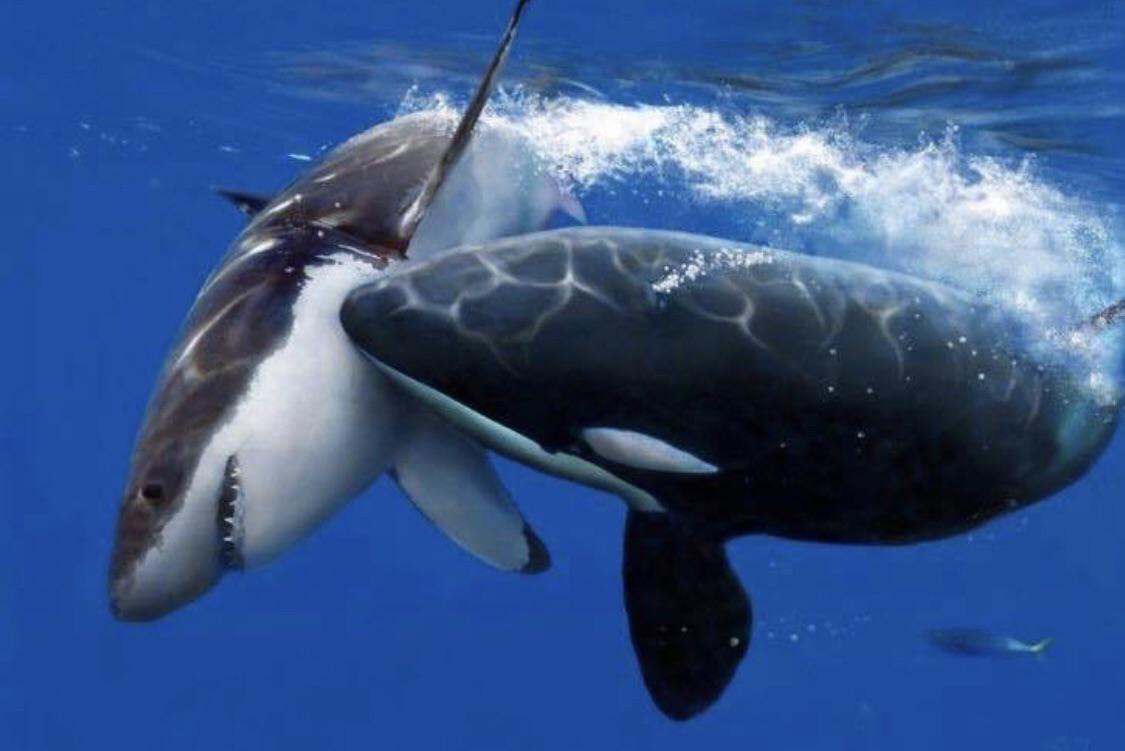
In 2017, marine biologists investigating several dead great white sharks encountered something extraordinary. Each carcass displayed an almost identical wound: a precise opening behind the pectoral fins. The liver was gone. Little else had been consumed.
The evidence pointed toward killer whales, or orcas: highly intelligent marine mammals known for their remarkable hunting specialization.
Soon researchers identified two adult orca males repeatedly associated with these events. Nicknamed Port and Starboard, the whales were easily recognized by their distinctive collapsed dorsal fins, bent in opposite directions. Unlike many orca populations that specialize in fish or marine mammals, this pair appeared to have developed remarkable expertise in hunting great white sharks. The liver of a shark is an exceptionally valuable prize. Rich in oils and nutrients, it provides an enormous energy reward compared with muscle tissue.
Researchers believe the orcas used sophisticated hunting techniques, possibly rolling sharks upside down to induce tonic immobility, a temporary state of paralysis, before delivering fatal bites and extracting the liver with astonishing precision.
Fear Travels Faster Than Death
Perhaps the most remarkable discovery was not the sharks that died. It was the sharks that fled. Acoustic tracking revealed that whenever Port and Starboard entered False Bay, tagged great white sharks rapidly abandoned the area. Some travelled hundreds of kilometres along South Africa’s coast within days. Others remained absent for weeks or even months.
The behavioural response was immediate. Marine ecologists describe this as a “landscape of fear” or, in this case, a seascape of fear, where the presence of a superior predator alters the behaviour of other species, even when direct attacks are rare. Great white sharks occupy the top of most marine food webs, yet even apex predators must weigh the risks of remaining in dangerous territory. Avoidance proved a far safer strategy than confrontation.
A Changing Ecosystem

Nature rarely tolerates empty ecological niches. As great white sharks became scarce, bronze whaler sharks (Carcharhinus brachyurus) began appearing in greater numbers within False Bay. Researchers suspect that great whites had previously suppressed these medium-sized predators through competition and occasional predation. Without dominant great white sharks, bronze whalers expanded into newly available habitat.
The ecological consequences extended beyond sharks. Cape fur seals experienced altered predation pressure, while scientists continue investigating how changing predator dynamics influence fish populations and broader food-web interactions. These cascading effects illustrate one of ecology’s central principles: altering the behaviour or abundance of a top predator can reshape an entire ecosystem.
Was It Really Just Two Orcas?
Popular media often portrays Port and Starboard as single-handedly driving great white sharks from False Bay. Reality is more nuanced.
Scientists caution that the decline began before the orcas became widely documented hunting great white sharks. Great white populations were already facing multiple pressures, including historical overfishing, incidental capture, habitat changes, and shifts in prey availability. The arrival of specialized shark-hunting orcas may have accelerated an ongoing trend rather than initiated it.
Moreover, additional shark-hunting orcas have since been documented along South Africa’s coastline, suggesting that this hunting behaviour may be spreading through social learning: a hallmark of killer whale culture. Rather than searching for a single explanation, researchers increasingly view the disappearance as the result of interacting ecological pressures.
Conservation Challenges
The great white shark has long occupied an uneasy place in the human imagination. Popular culture often portrays it as a ruthless predator, yet biologically it is surprisingly vulnerable. Great whites mature slowly, produce relatively few offspring, and may live for decades. These life-history traits make populations slow to recover from declines.
South Africa has protected great white sharks for many years, but conservation increasingly requires safeguarding entire ecosystems rather than individual species.
Protecting prey populations, reducing accidental fishing mortality, monitoring climate-driven habitat changes, and improving understanding of predator interactions all form part of the challenge. The story unfolding in False Bay demonstrates that conservation is rarely straightforward. Protecting one apex predator does not eliminate natural ecological competition with another.
What Happened to Shark Tourism?

For years, shark cage diving was synonymous with False Bay. Tour operators could often locate great white sharks with remarkable consistency. Photographers from around the globe travelled specifically to capture the famous breaching behaviour.
Today, sightings are far less predictable than they once were, and many operators have adapted by offering broader marine wildlife experiences featuring seals, dolphins, whales, seabirds, and, on rare occasions, sharks. The decline in regular great white sightings has significantly affected local tourism businesses and marine research programs that once relied on frequent encounters.

A Different Bay
Visitors arriving in False Bay today, encounter a coastline every bit as beautiful as the one celebrated in documentaries decades ago. Southern right whales migrate annually, through nearby waters, during winter and spring months. Pods of common and bottlenose dolphins patrol the coastline. African penguins continue nesting among granite boulders. Bronze whaler sharks have become increasingly common. The ecosystem remains vibrant. It is simply different.
Scientists continue monitoring shark movements using acoustic receivers, satellite tags, drones, and long-term ecological surveys. Each season brings new data, refining our understanding of how predator communities respond to environmental change. Whether great white sharks will eventually reclaim False Bay in significant numbers remains uncertain.
Marine ecosystems are dynamic, shaped by shifting prey distributions, ocean conditions, predator interactions, and human influence.
Lessons from an Ocean in Motion

False Bay’s story challenges one of humanity’s oldest assumptions that the natural world exists in stable balance. Ecosystems are constantly changing. Predators adapt. Prey responds. Species expand, retreat, and sometimes return.
The appearance of the orcas, Port and Starboard, offered a dramatic reminder that even Earth’s most iconic predators exist within a hierarchy of survival. Yet their story also highlights the importance of resisting simple narratives. The disappearance of great white sharks, from False Bay, cannot be explained by two killer whales alone. It reflects the cumulative effects of ecological change unfolding across decades.
Standing above the cliffs overlooking Seal Island, the ocean reveals little of these hidden dramas. Waves roll across False Bay as they always have, concealing an intricate web of relationships beneath the surface.
The great white sharks may no longer dominate these waters as they once did, but their absence tells a story every bit as compelling as their famous breaches.
It is a story of adaptation, resilience, and the ever-changing nature of life in the sea. It is a reminder that even the world’s most iconic ecosystems are not fixed in time, but living systems shaped by forces both seen and unseen.