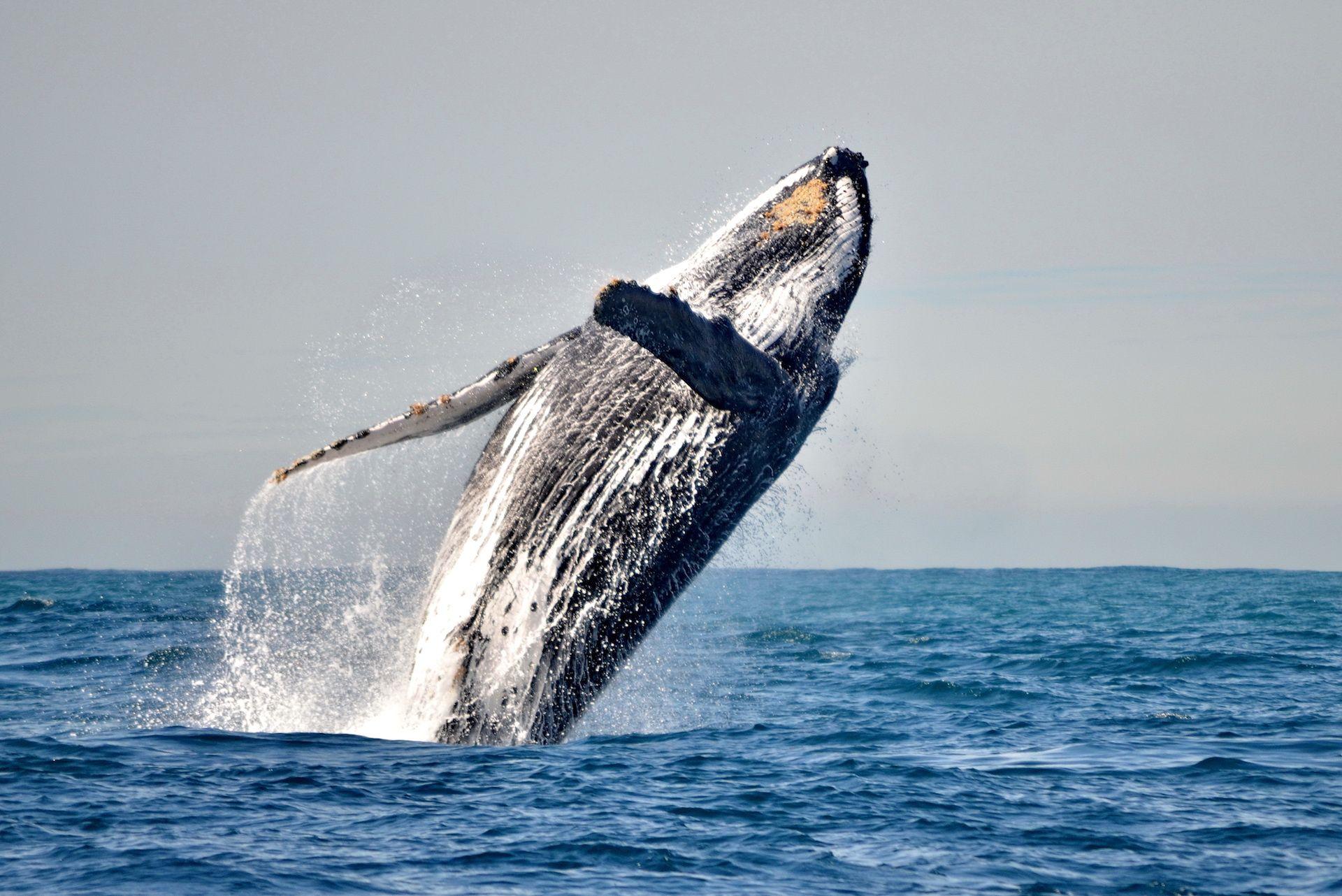
The Best Whale Watching Spots along the Western Cape Coastline
The arrival of Southern right whales along the Cape Coast is one of the great seasonal wildlife spectacles of the southern hemisphere.
As the Southern Hemisphere winter approaches, Southern right whales begin leaving their feeding grounds in the cold Southern Ocean around Antarctica and head north towards the relatively sheltered waters of the South African coast. The first arrivals typically appear around June, with numbers building steadily through July and reaching their greatest concentrations during August to October.
They aren’t coming to the Cape to feed. Instead, this annual migration is driven by breeding and raising their young. Pregnant females arrive to find the calm, shallow coastal waters where they can give birth and nurse their calves. The Cape’s sheltered bays are exceptionally well suited to this purpose.
In June, you might look across an apparently empty sea and suddenly notice a distant blow: a brief plume of condensation rising above the surface. Then another. The whale may remain underwater for several minutes before appearing again.
As the weeks pass, the sightings become more frequent. More whales arrive, and the character of the coastline changes. A solitary whale becomes a mother and calf close to shore; groups of adults begin gathering and the quiet winter sea starts revealing signs of enormous animals moving beneath its surface.
By the height of the season, the Cape Coast becomes a nursery. Southern right whale calves are generally born between mid-June and mid-October, with births peaking around August. Mother and calf pairs favour exceptionally shallow water close to the shoreline, often less than a kilometre offshore.
This is perhaps the most beautiful part of the arrival. The enormous mother moves slowly beside her tiny, newly born calf. The youngster learns to surface, breathe and swim while staying close to its mother. From cliffs around places such as Hermanus, De Hoop and False Bay, people can sometimes watch this intimate behaviour without ever stepping onto a boat.
As the season progresses, there is also movement along the coastline. The result is that the “arrival” isn’t really a single event. It is a slow, rolling migration, with whales appearing in different bays at different times.
And that is what makes seeing the first whale of the season so special: it is the visible beginning of an ancient journey that has brought these enormous animals back to the Cape coast once again.
Cape Town:
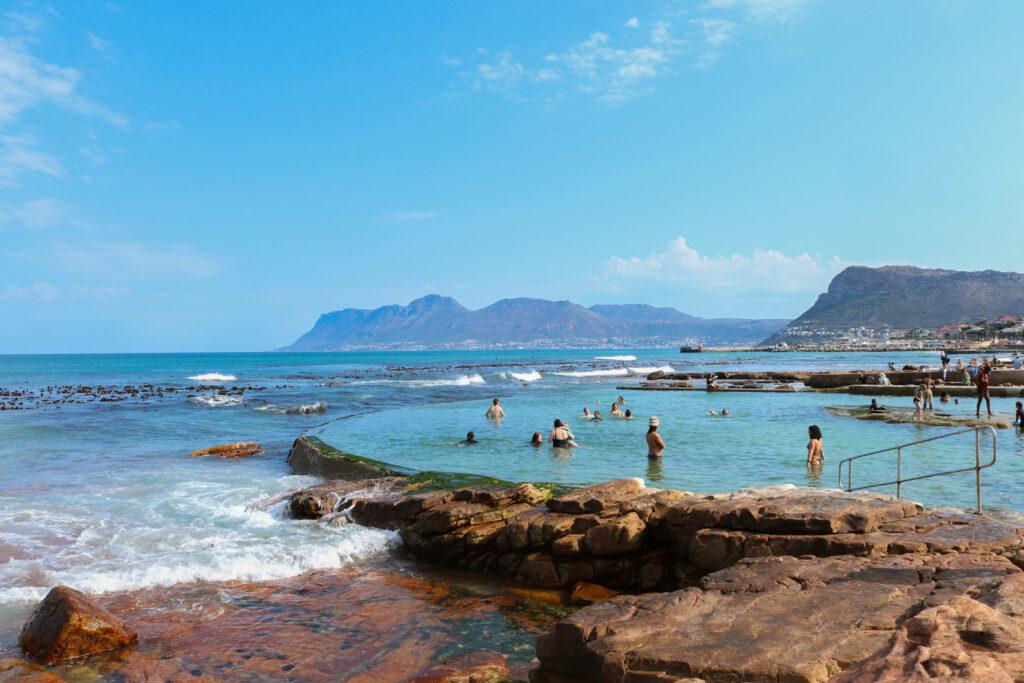
False Bay Coast
Whale watching in False Bay is one of the best wildlife experiences you can have without travelling far from Cape Town. False Bay’s sheltered, relatively shallow waters attract Southern right whales each winter and spring, when they come up from Antarctic waters to mate, calve and raise their calves.
The Southern right whale is the star of False Bay. They’re enormous, often around 15 m long and can be surprisingly close to shore. You may see:
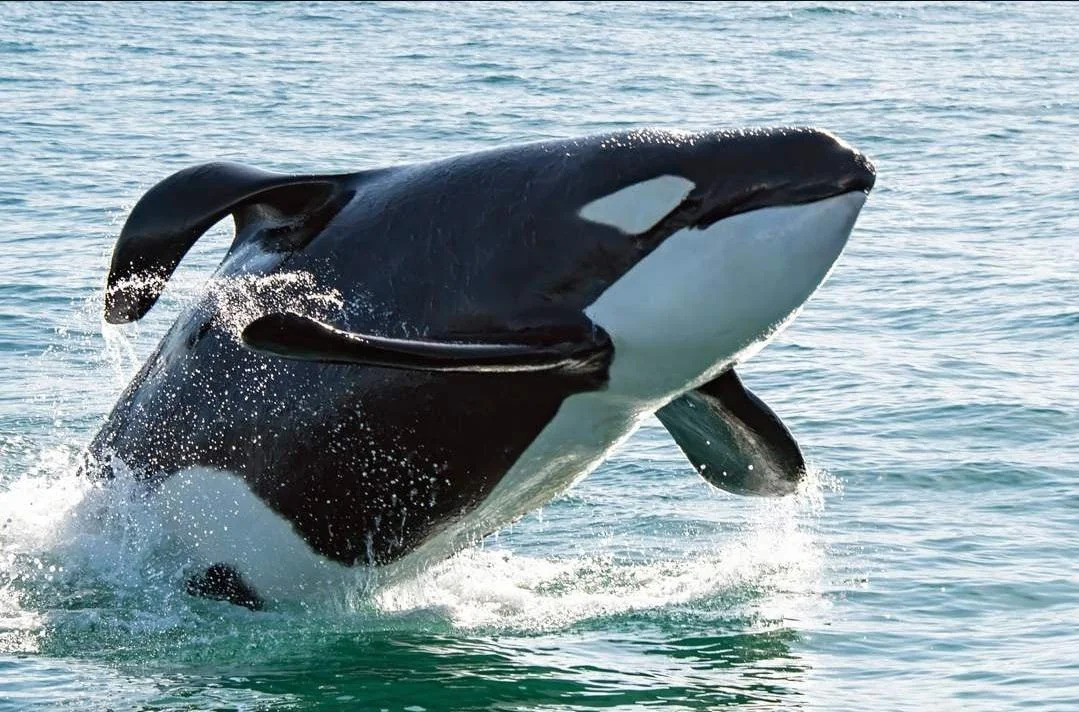
- Breaching: launching much of the body out of the water
- Lobtailing: repeatedly slapping the tail on the surface
- Spyhopping: raising the head vertically to look around
- Blowing: the characteristic double plume from the blowholes
- Mothers swimming with young calves
- Occasionally humpback and Bryde’s whales, dolphins and, much more rarely, orcas.
One of the great things about False Bay is that you don’t necessarily need a boat. Whales can come remarkably close to the coastline.
Good viewpoints include:
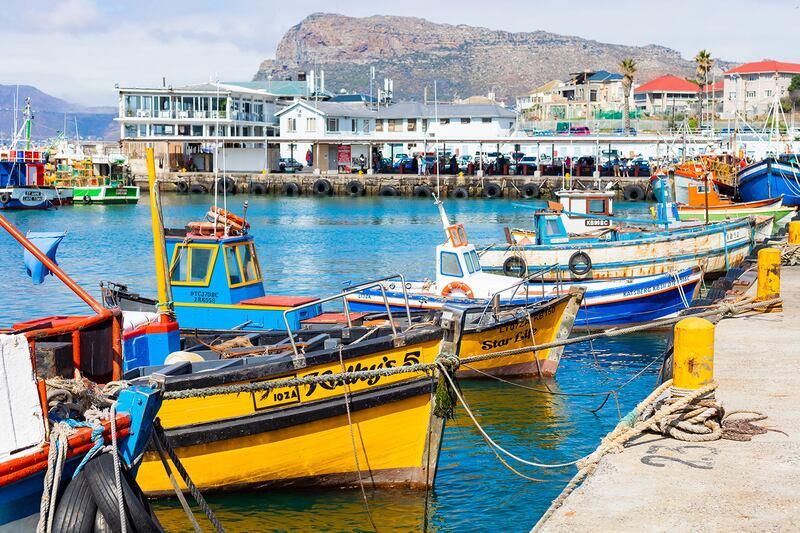
- Boyes Drive / St James & Kalk Bay
Probably my favourite combination of scenery and accessibility. You’re high above the bay with a huge panorama, making it easier to spot whale blows and movement. - Fish Hoek / Clovelly
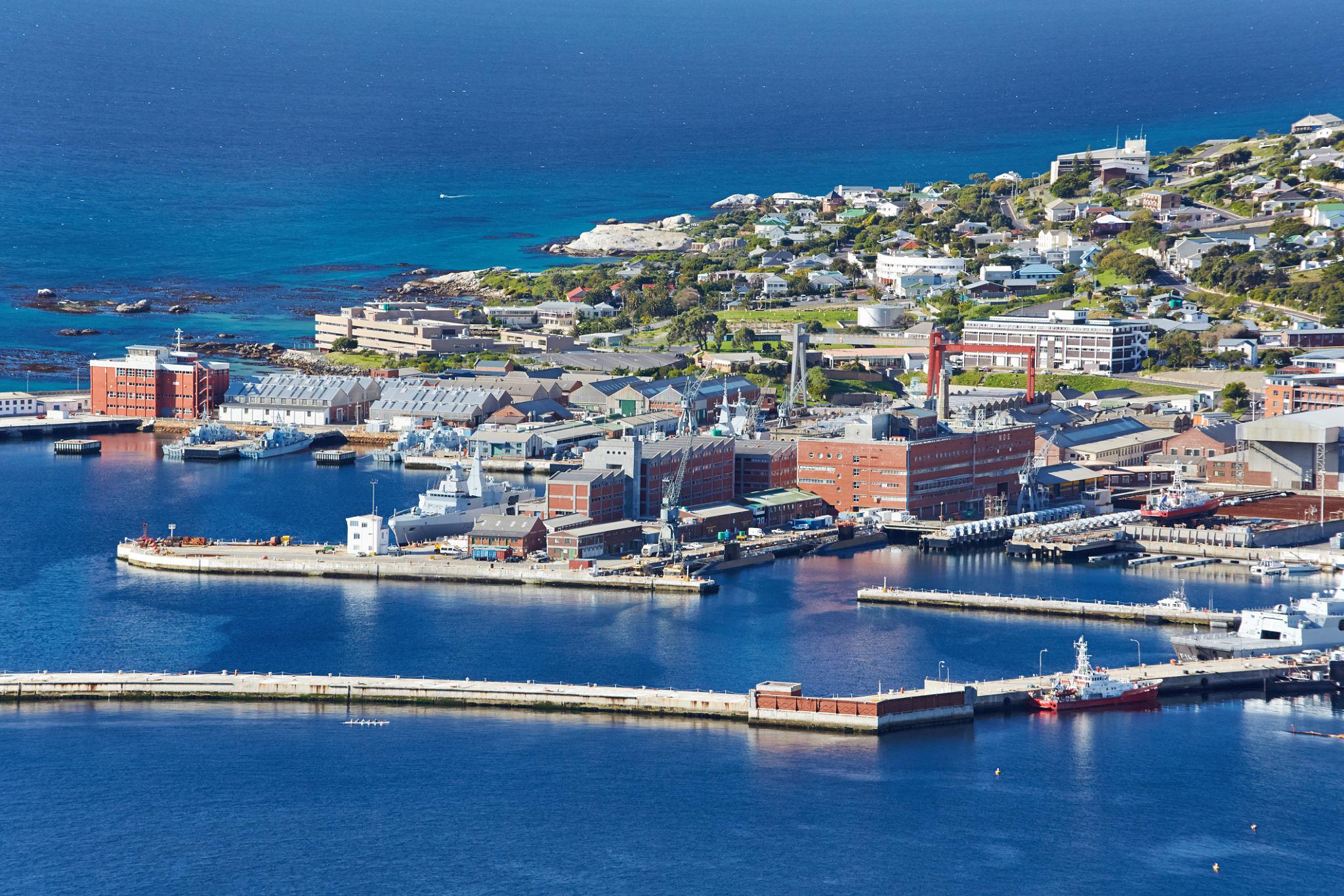
The coastline between Fish Hoek and Simon’s Town can produce excellent sightings, sometimes surprisingly close to shore. - Simon’s Town
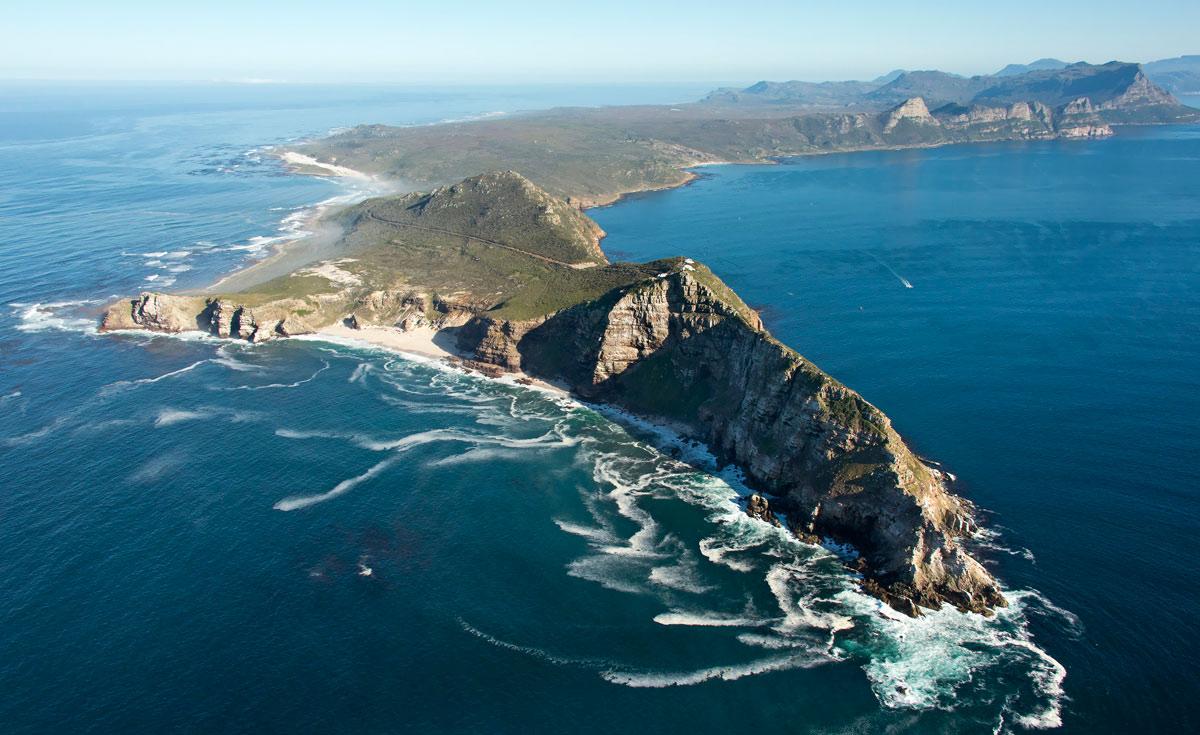
A particularly good base because you can combine land-based watching with a boat trip. - Cape Point
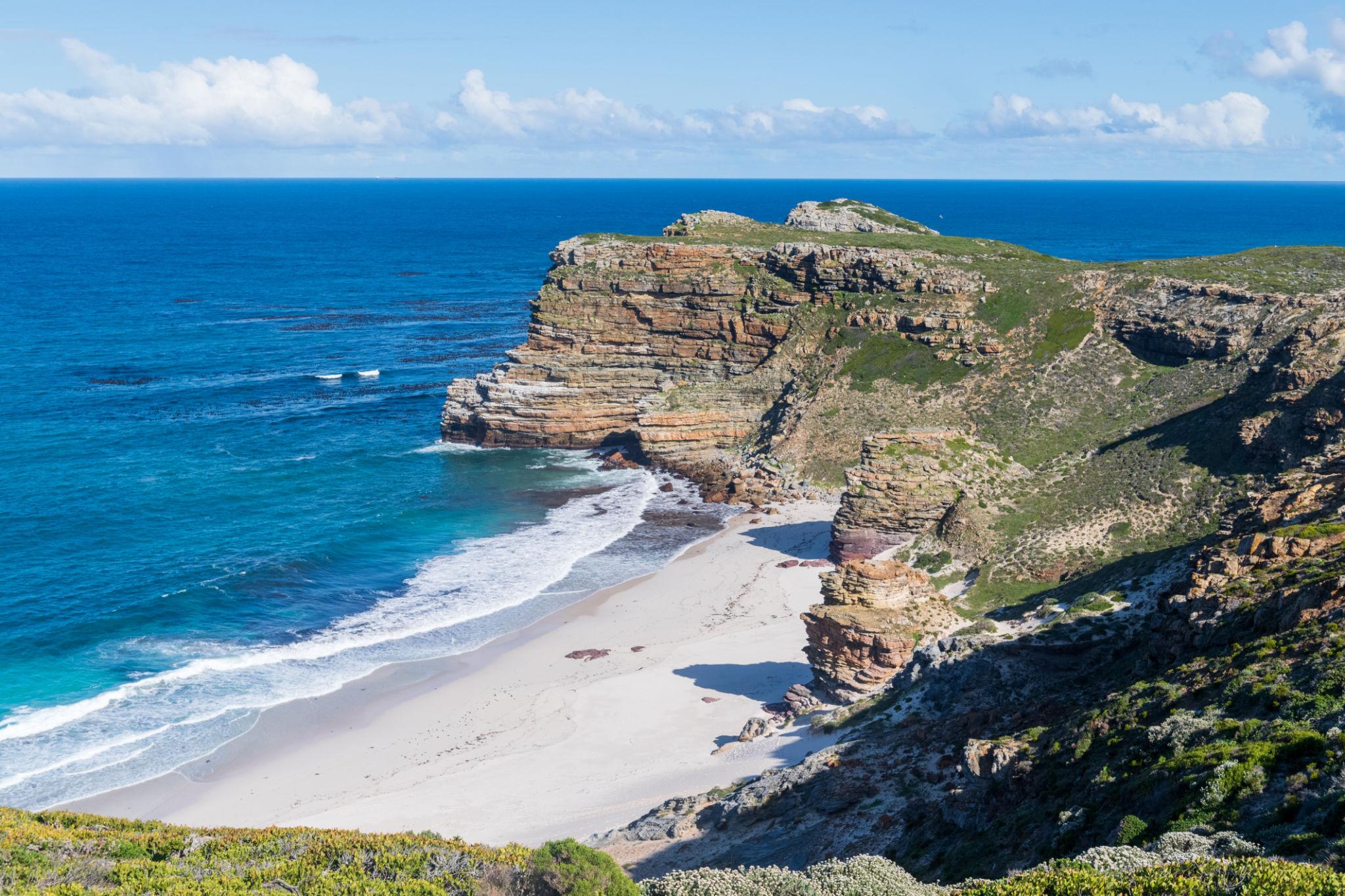
The elevated cliffs give you an enormous field of view over the False Bay side of the peninsula.
A boat trip is a completely different experience. Instead of scanning the horizon for a blow, you can potentially have a whale surface right alongside the boat.
Boat Companies operate from Simon’s Town and offer dedicated whale and dolphin trips during the June to November season. Southern right whales, humpbacks and Bryde’s whales are often encountered in False Bay.
The advantage of a boat is that you can reach whales that are too far offshore to see well from land, while the land-based option is free and wonderfully relaxed. And there’s something particularly special about sitting at a café in Kalk Bay, looking across False Bay and suddenly seeing a 50-tonne whale breach in the distance.
West Coast:
Yzerfontein
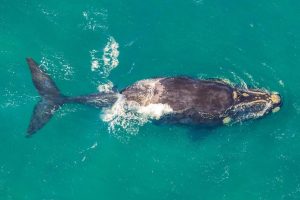
Yzerfontein offers a rather different whale watching experience from Hermanus or False Bay. It sits on the Cape West Coast, facing the nutrient-rich Benguela Current, and is increasingly known for remarkable humpback whale gatherings offshore.
There are two whale seasons worth knowing about.
Winter to Spring: Southern right whales
From approximately June to November/December, Southern right whales visit the West Coast. They can be seen from the shoreline around Yzerfontein, including from the main beach, above the harbour and along the Schaapen Island walking route.
These sightings tend to be quieter and more intimate than the spectacular concentrations around Hermanus. You may see a whale’s blow offshore, a mother with a calf, or occasionally a whale approaching remarkably close to shore.
Summer: the extraordinary Humpback supergroups
This is where Yzerfontein becomes particularly special.
From roughly November to March, large numbers of humpback whales gather offshore. In favourable conditions, these can form enormous feeding aggregations or “supergroups”, sometimes involving dozens or even hundreds of whales.
The reason is the Benguela upwelling system. Cold, nutrient-rich water rises towards the surface, supporting huge quantities of marine life and creating exceptionally productive feeding grounds. The humpbacks arrive to exploit this abundance.
Seeing this from a boat can be spectacular: rather than looking for one whale, you can find yourself surrounded by multiple blows, enormous bodies surfacing, whales diving and feeding together, and seabirds working the same patches of ocean.
Lambert’s Bay
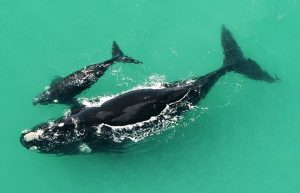
Lambert’s Bay is one of the lesser-known places to watch Southern right whales on the Cape West Coast. It doesn’t have the famous cliff-top spectacle of Hermanus, but that is part of its appeal. Whale watching here feels quieter, more natural and closely tied to the rugged West Coast landscape.
The whales arrive after their migration from the cold waters around Antarctica to Lambert’s Bay in June to November. They can sometimes be seen remarkably close to the shore.
Unlike the better-known nursery areas farther south, the West Coast is not primarily a Southern right whale calving destination. Research at Saldanha Bay, for example, found that Southern rights use the West Coast extensively close to shore, but that area appeared to be more important for feeding and socialising than for calving and nursing.
That gives the Lambert’s Bay experience a slightly different character.
Rather than necessarily seeing mother and calf pairs tucked into a sheltered bay, you may encounter whales travelling along the coastline, resting, socialising or moving in small groups. A whale can appear as a distant blow and then, with a little patience, surface again considerably closer.
A particularly good starting point is Lambert’s Bay Bird Island Nature Reserve. The scenic coastal drive towards Bird Island is a place where Southern right whales may be seen close to shore.
The surrounding coastline also gives you opportunities for informal, land-based whale watching. Binoculars are worthwhile, because the West Coast is open and exposed and whales may be some distance away.
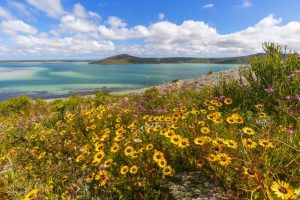
Lambert’s Bay is also a beautiful southern gateway to the West Coast flower region, where the normally dry, muted landscape can suddenly erupt into colour after the winter rains. The flowering season generally runs from July to October, although the timing and intensity vary considerably with rainfall and weather.
What makes Lambert’s Bay particularly appealing is that you don’t have to travel into a formal flower reserve to experience the display. Flowers occur in and around the town and across the surrounding open fields.
Strandfontein
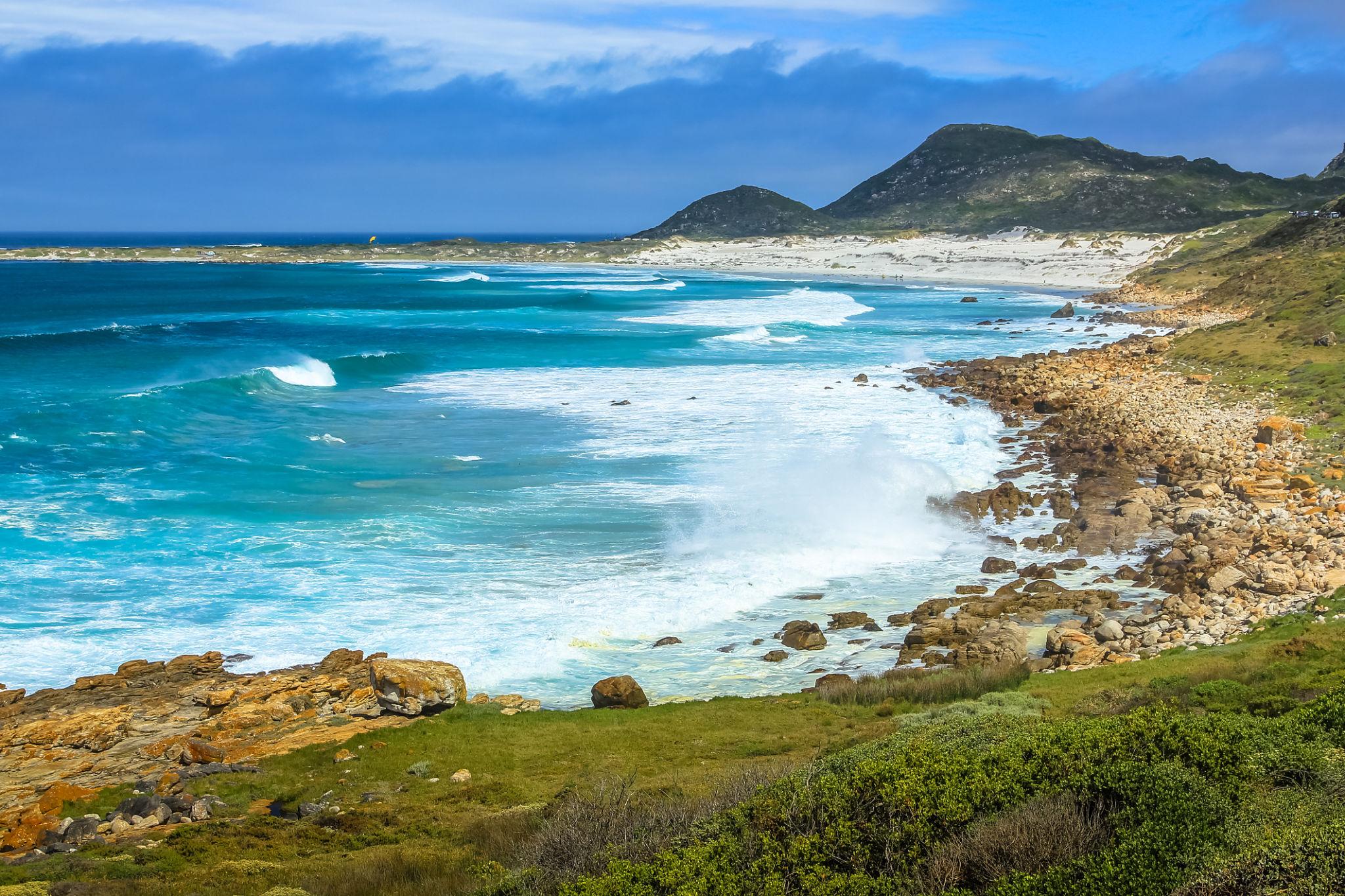
Strandfontein on the Matzikama West Coast is a quiet and particularly atmospheric place for Southern right whale watching. It is very different from the better-known Strandfontein in False Bay. This Strandfontein lies between Doringbaai and Papendorp, on a remote stretch of Atlantic coastline.
During late winter and early spring, the town’s sandy cliffs become excellent natural viewpoints for whales.
Southern right whales migrate north from their Antarctic feeding grounds during the Cape winter and spring. Along this section of the West Coast, they are joined by humpback whales, and historical regional tourism information records Southern rights and humpbacks passing Strandfontein in small groups, generally up to 10 animals, from June into December.
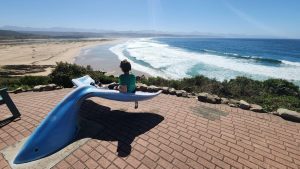
The whales can travel surprisingly close to the coastline, making this principally a land-based whale-watching experience. Rather than heading out on a dedicated whale boat, you find a good position above the Atlantic and watch the sea.
The sandy cliffs are the great advantage. From above, you have a broad field of view and can scan for the tell-tale white plume of a blow, followed by the whale’s dark back or tail.
One of the most distinctive places is the Wandering Whale Labyrinth, just south of the village. It sits on a clifftop overlooking the ocean, with a path made from blue mussel shells and a pink rose-quartz centre. The surrounding cliffs are specifically promoted as whale-watching viewpoints.
There is also a whale lookout on the hill south of town, with seating and an information board.
The experience is one of patient observation rather than guaranteed spectacle. Look for:
- Southern right whales travelling along the coast
- Small groups of whales
- Mother and calf pairs
- Blows appearing and disappearing along the horizon
- Breaching and tail-slapping
- Humpback whales
- Common, Heaviside and dusky dolphins
- Occasionally Bryde’s whales
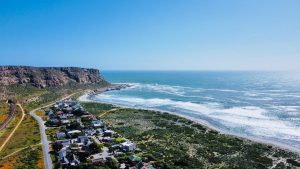
The West Coast’s cold, nutrient-rich Benguela waters support a surprisingly diverse cetacean population, and Strandfontein is part of a wider whale-watching corridor extending towards Lambert’s Bay, Elands Bay, St Helena Bay, Saldanha and Yzerfontein.
The local tourism authority describes late winter and early spring as the prime period for watching from Strandfontein’s cliffs.
The appeal of Strandfontein isn’t that it has the greatest concentration of whales. It’s the setting. This is a small, sparsely populated West Coast village, with dramatic sandy cliffs, a long beach and an enormous expanse of Atlantic Ocean. There are no big city crowds and no commercial whale watching infrastructure dominating the experience. You can simply sit above the ocean with binoculars and wait. That makes Strandfontein particularly appealing as part of a slow West Coast Road Trip. Combine the whales with the Wandering Whale Labyrinth, Doringbaai, Papendorp and the Olifants River area rather than making the journey solely for a guaranteed whale sighting.
Strandfontein is best described as a remote, contemplative Southern right whale watching destination that is wonderfully wild and authentic.
The Overberg:
Hermanus
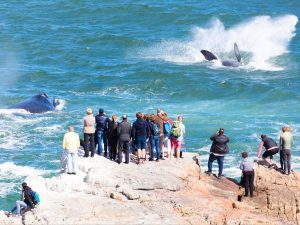
Hermanus is arguably the classic Southern right whale destination in South Africa, because it offers something unusual: you can have an exceptional whale encounter without getting on a boat and then experience the same whales from the water if you want a closer perspective.
Southern right whales arrive along the Cape Whale Coast from around June to November, coming from their Antarctic feeding grounds to mate, calve and raise their young in the relatively warm, sheltered waters of Walker Bay.
Hermanus has the best land-based whale watching in the world.
The town has an extensive cliff path running for roughly 12 km, with numerous viewpoints overlooking Walker Bay. During the peak season, whales can come astonishingly close to the rocky shoreline, sometimes only a few metres offshore.
One of the best-known spots is Gearing’s Point, but the real pleasure is walking the cliff path and stopping wherever whales appear.
You might see:
- A huge adult whale resting just offshore
- Mother and calf pairs
- Courtship and mating groups
- Breaching
- Tail slapping and flipper slapping
- Spyhopping
- Whales rolling and exposing their pale bellies
- The distinctive double blow of a Southern right whale
The experience can be remarkably intimate. You are standing above the ocean, sometimes with nothing between you and a 50–80 tonne whale except a few metres of water.
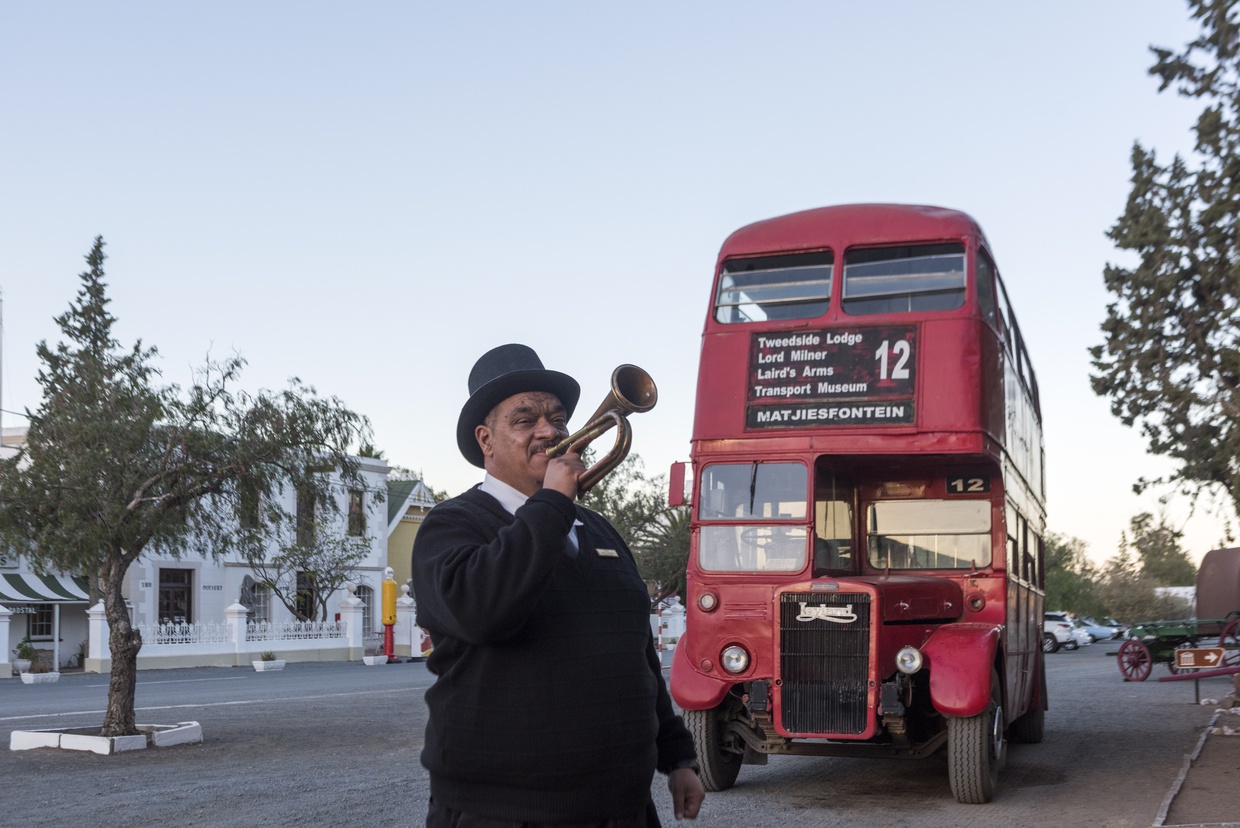
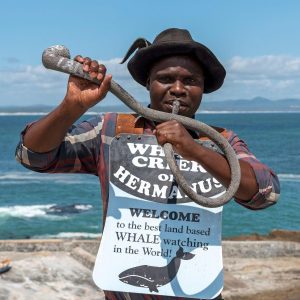
Hermanus even has its famous Whale Crier, whose kelp horn traditionally announces whale sightings along the town’s coastline. Whale watching from a Boat gives you an entirely different perspective.
Hermanus Whale Watchers offers an excellent boat-based Southern right whale experience from Hermanus New Harbour, taking you into Walker Bay during the main whale season from June to November. The standard trip lasts about 2 hours, weather and sea conditions permitting.
From the boat, the scale of the animals becomes much more apparent. A whale that looks like a dark shape from the cliff suddenly becomes an enormous three-dimensional animal surfacing beside you.
You can potentially watch whales:
- Swimming alongside the boat
- Diving beneath it
- Breaching
- Spyhopping
- Lobtailing
- Socialising in groups
- Mothers swimming with calves
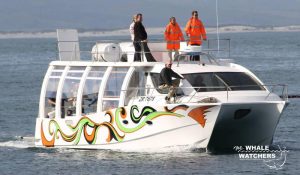
Boat trips can also encounter Humpback and Bryde’s whales, dolphins, seals and seabirds, so there is an element of marine safari about the experience.
The beauty of Hermanus is that you don’t really have to choose.
Start with a walk along the cliff path in the morning. Take binoculars, find a good viewpoint and watch the bay. If whales are active, you can spend hours simply following them along the coast.
Then take a boat trip from New Harbour. Seeing the same Southern right whales from the water gives you a completely different appreciation of their size and behaviour.
The two experiences complement each other: land gives you the perspective of watching the whales in their environment; the boat gives you the feeling of entering that environment yourself.
And that’s why Hermanus remains such a compelling destination for Southern right whales: the whales come to you.
The advantage of Hermanus Whale Watchers is the perspective from the water. Hermanus is already famous for its land-based whale watching, where you look down on whales from the cliffs. From the boat, you are at sea level with them.
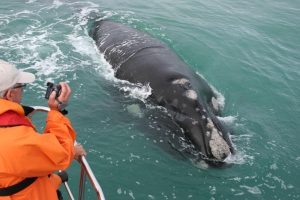
A whale that looks relatively small from the cliff can suddenly appear enormous when its back rises beside the boat. A mother and calf moving together are particularly memorable, because you can observe their movements at close range while the guide explains what you’re seeing.
Hermanus Whale Watchers crew includes a SAMSA-qualified skipper, SATOUR-qualified guides and local marine-wildlife crew, with a focus on both interpretation and safety.
The core season is June to November, with the peak Southern right whale period generally falling in the late winter and spring months. Because these are wild animals, sightings and behaviour vary from day to day, and trips are dependent on weather and sea conditions.
It’s worth allowing some flexibility in your itinerary rather than treating the boat trip as a guaranteed timed wildlife show. If weather causes a cancellation, the operator says passengers can be offered a rescheduled trip or refund.
Hermanus Whale Watchers is a family-friendly, guided marine safari that puts you right into the Southern right whales’ Walker Bay nursery. The combination of a stable catamaran, elevated viewing deck, knowledgeable local crew and the possibility of seeing mothers, calves and other marine wildlife makes Hermanus Whale Watchers a particularly good complement to Hermanus’s famous cliff-path viewing.
De Kelders and Gansbaai
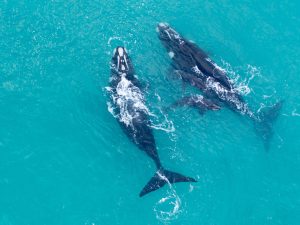
De Kelders and Gansbaai offer one of the most intimate Southern right whale-watching experiences on the Cape coast. The great attraction is the combination of exceptional land-based viewing from the cliffs at De Kelders and boat trips from Gansbaai that take you onto Walker Bay.
Southern right whales arrive during the Cape winter and spring, generally from June through November or December, to mate, calve and nurse their young. Numbers are typically strongest around August and September.
De Kelders occupies the eastern side of Walker Bay, with high cliffs overlooking relatively deep, sheltered water. Southern right whales regularly come exceptionally close to shore, sometimes within only a few metres. The cliffs give you a wonderful, elevated perspective, allowing you to look down onto whales rather than simply seeing them on the horizon.
The De Kelders cliff path is the natural place to explore. You can walk along the coastline, stopping whenever whales appear. The views extend across Walker Bay towards Hermanus and, on clear days, far along the coast.
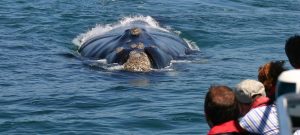
Typical sightings include:
- Mother and calf pairs resting in the shallows
- Whales travelling along the coastline
- Groups of adults during courtship
- Breaching
- Lobtailing and flipper slapping
- Spyhopping
- Whales lying quietly at the surface
The extraordinary thing is that there is no need to book a tour. You can simply walk to the cliffs with binoculars and watch the whales at your own pace. There are spectacular views of Southern right whales from the De Kelders cliffs and the coast towards Pearly Beach.
Gansbaai provides the more immersive experience. Boat trips head out into Walker Bay to find whales and observe them from water level.
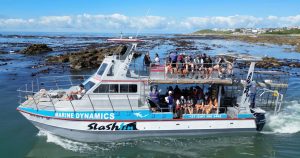
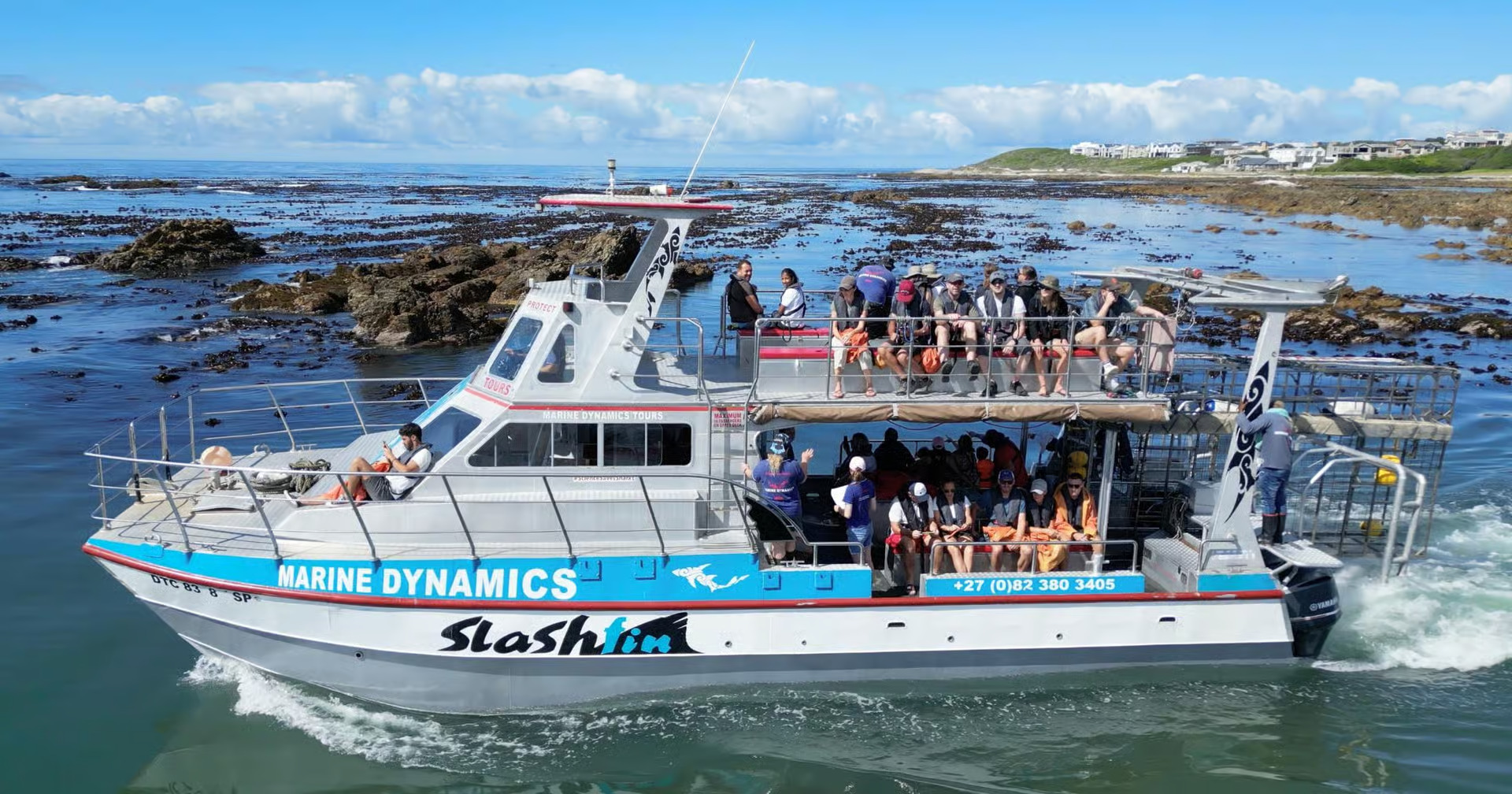
Marine Dynamics offers a boat-based marine wildlife experience from Kleinbaai near Gansbaai, with Southern right whales as one of its major seasonal attractions.
From a boat, the scale of a Southern right whale becomes much more apparent. A whale that looks almost tranquil from the cliffs can suddenly surface beside the boat as an enormous black, barnacle-covered body, sometimes accompanied by a calf.
The boat experience can reveal behaviours that are harder to appreciate from land: whales moving beneath the boat, diving and resurfacing, interacting with one another or approaching the vessel.
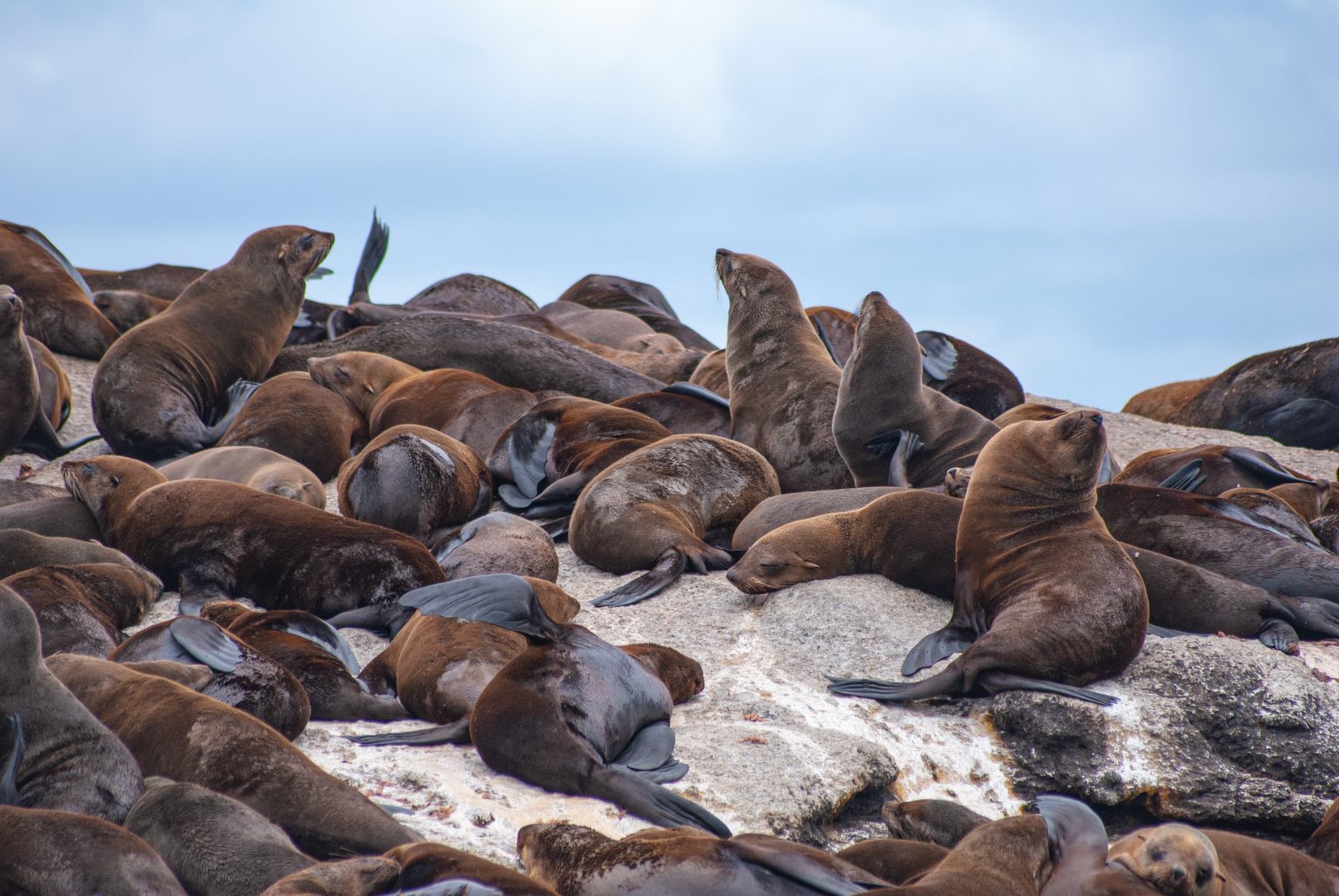
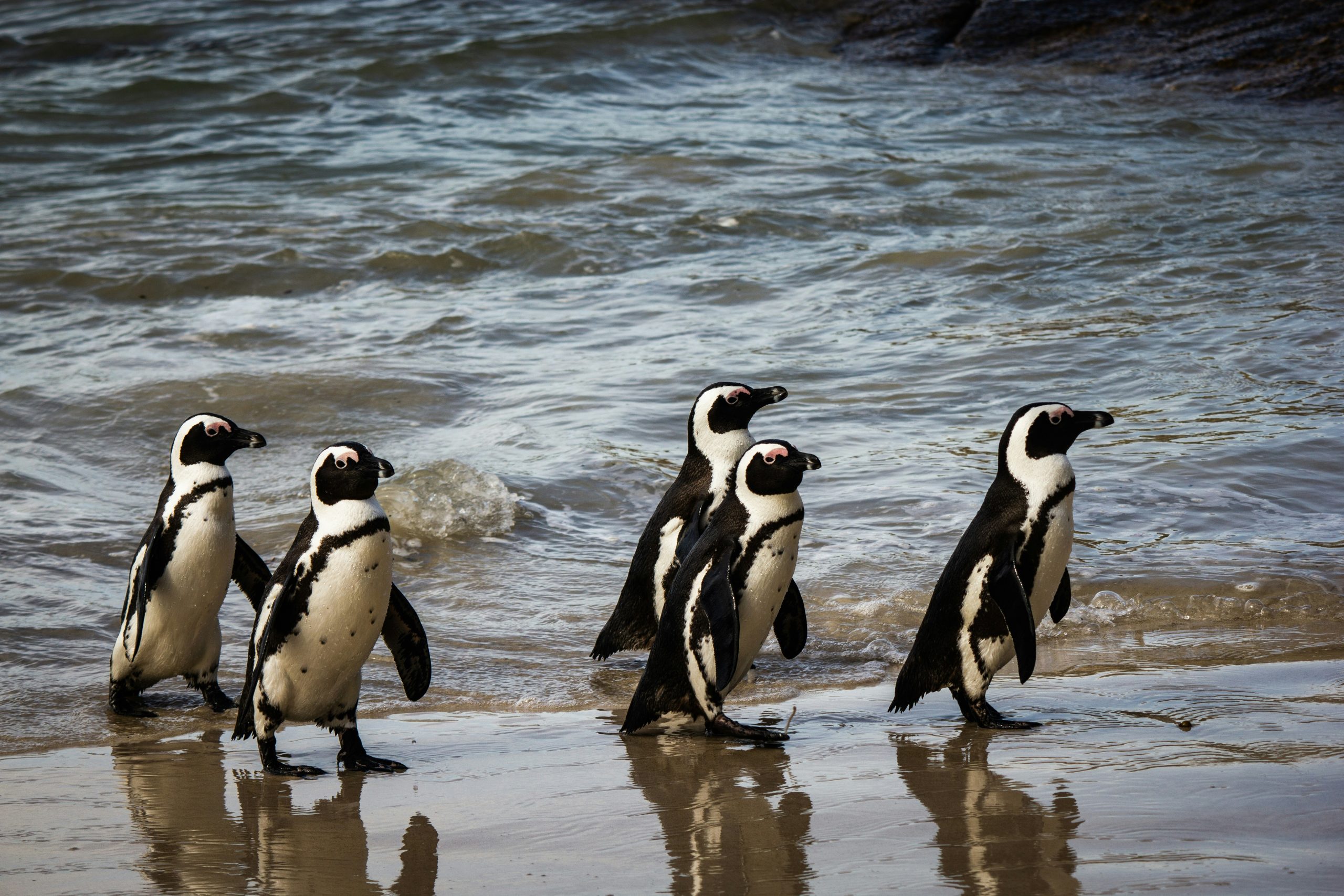
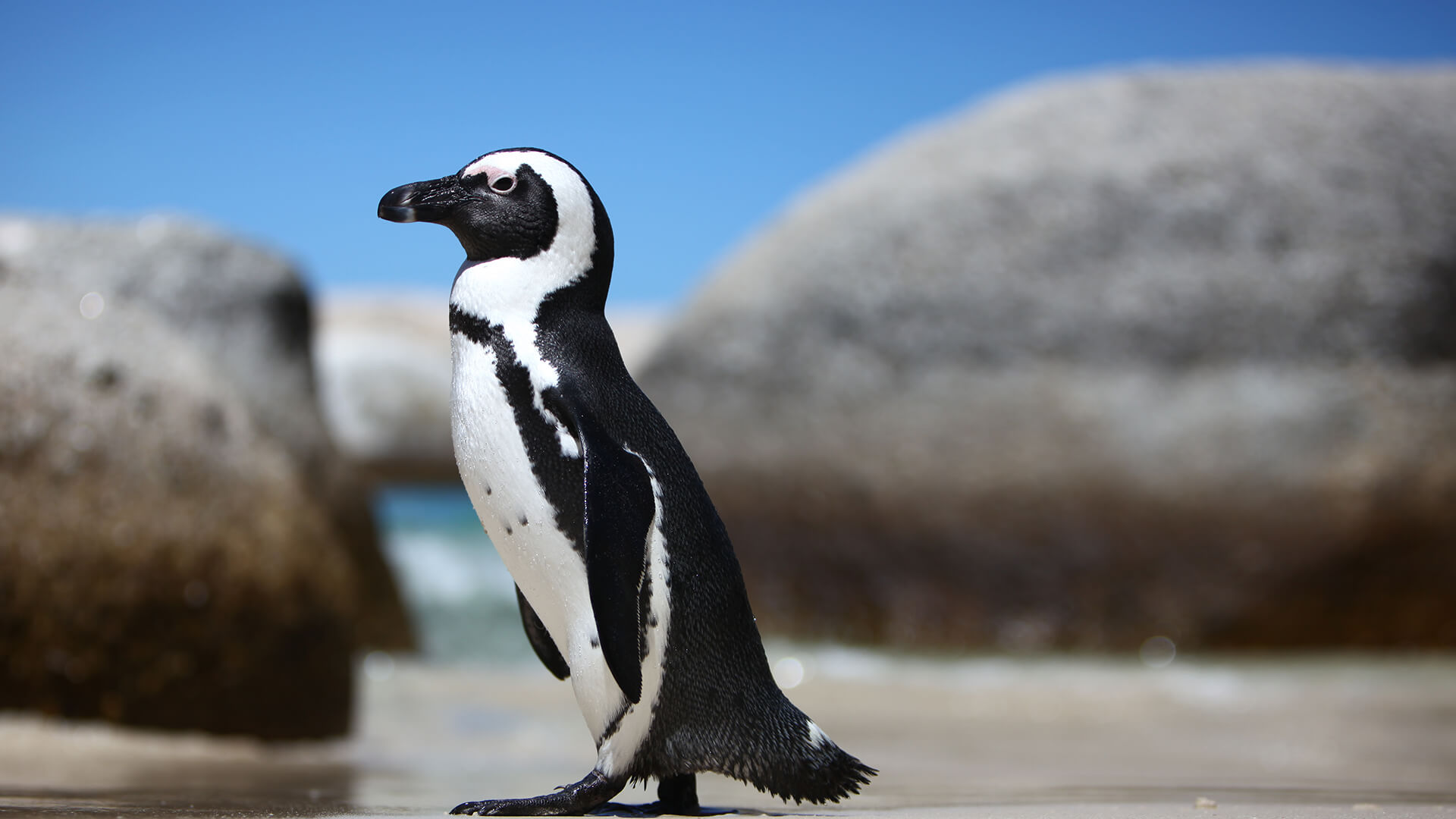
Boat-based watching also opens up the possibility of seeing other marine wildlife, including dolphins, Cape fur seals, African penguins and seabirds. Gansbaai’s wider marine environment around Dyer Island and Geyser Rock is exceptionally productive.
Perhaps the most remarkable feature about De Kelders is the casualness of the encounters. In many whale-watching destinations, you have to organise a boat trip and hope the animals cooperate. In De Kelders, you can be walking along the cliffs and suddenly realise that a Southern right whale is directly below you.
The whales are attracted to Walker Bay’s sheltered waters, and the area is particularly important for mating, calving, nursing and socialising.
That makes De Kelders particularly rewarding for watching natural behaviour over an extended period. You can spend an hour watching a mother and calf without the constraints of a boat schedule.
For a first visit, I’d recommend doing both.
Start with the De Kelders cliffs, preferably early enough to give yourself time to walk the coastline and find active whales. Then take a boat from Gansbaai. The contrast is extraordinary:
From the cliffs, you watch the whales in their world. From the boat, you enter their world. Together, De Kelders and Gansbaai arguably provide a more complete Southern right whale experience than either location alone.
De Hoop Nature Reserve
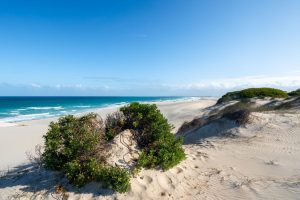
De Hoop Nature Reserve is one of the most exceptional land-based Southern right whale-watching destinations in South Africa. Unlike Hermanus, which is a developed coastal town built around whale watching, De Hoop offers the experience in a much more remote, protected wilderness setting.
De Hoop’s marine protected area is an important breeding ground for Southern right whales. Around 120 whales return to these waters each year to mate and calve. The main season is June to November, when whales migrate from their Antarctic feeding grounds to the sheltered coastal waters of the Overberg.
The combination of sheltered bays, shallow coastal waters and strict marine protection makes De Hoop particularly valuable to mothers and calves. The whales can spend considerable periods close to the coastline, making them visible from the high dunes.
The heart of De Hoop’s whale watching is Koppie Alleen, where high coastal dunes provide an elevated view across the Indian Ocean and an excellent vantage point for whale watching.
This is a wonderfully natural whale-watching platform. There are no urban buildings, harbour infrastructure or busy promenade: just fynbos, white sand, limestone cliffs and a vast stretch of ocean.
From the dunes, look for the characteristic plume of a whale’s blow. With patience, you may see the whale surface repeatedly, roll at the surface, raise its tail or suddenly breach.
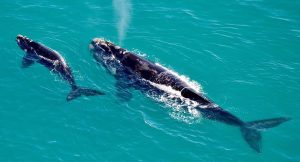
During the peak season, the coastline can become a nursery for Southern right whales. Possible sightings include:
- Mothers with young calves
- Whales resting close to shore
- Pairs and small groups
- Courtship and mating behaviour
- Breaching
- Lobtailing and flipper slapping
- Spyhopping
- Whales travelling along the coastline
The great advantage of watching from De Hoop is that you can observe behaviour over a long period. You’re not restricted to the duration of a boat trip. You can sit on the dunes and watch a particular whale or mother and calf pair as they move through the bay.
De Hoop’s most famous whale-watching experience is the Whale Trail, a roughly 55 km, five-day hike from Potberg to Koppie Alleen. It crosses mountain, fynbos, beach and coastal terrain, finishing at the spectacular whale-watching coastline.
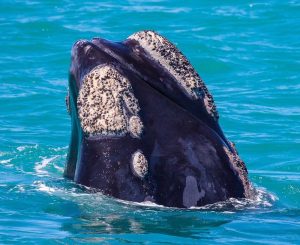
The trail is particularly special because whale watching becomes part of a wilderness journey rather than the sole purpose of the trip.
Over several days you move from the inland mountains towards the sea. By the time you reach the coast, the landscape has completely changed, and Southern right whales can be seen below the cliffs.
De Hoop Nature Reserve is one of the world’s best land-based whale-watching areas, with the whales present from approximately June to November.
De Hoop’s marine protected area extends roughly 5 km offshore, creating a protected marine environment alongside the reserve that is one of Africa’s largest marine protected areas.
That protection is an important part of the story. You’re not simply visiting a place where whales happen to pass through. The coastline is part of a protected breeding and calving environment.
And this makes the experience wonderfully quiet. Standing on the dunes at Koppie Alleen, with the fynbos behind you and Southern right whales moving through the blue water below, feels much more like watching wildlife in a wilderness sanctuary than visiting a conventional whale-watching attraction.
De Hoop Nature Reserve is South Africa’s great wilderness whale watching experience: Southern right whales, mothers and calves, viewed from high coastal dunes in one of the country’s most spectacular protected landscapes.
Witsand
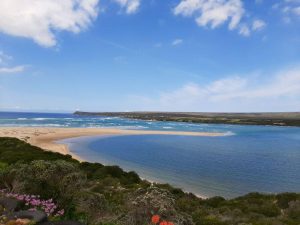
Witsand is one of the most rewarding places on the Cape coast for watching Southern right whales from land. The small coastal village sits beside St Sebastian Bay, a sheltered stretch of ocean that is particularly important to Southern right whales during their winter breeding season.
Witsand is widely known as the “Whale Nursery of South Africa” because large numbers of Southern right whales come into St Sebastian Bay to give birth, nurse their calves and raise them before beginning the return journey south. The main season is June to November, with August to October generally offering the most consistent sightings of mothers and calves.
The Bay’s calm sheltered waters are particularly valuable to newborn calves. The mothers can remain relatively close to shore while the young whales develop their strength and learn the basics of being a whale.
At times, dozens of mothers may be present in the bay simultaneously. Local sources cite figures of around 60 to 70 mothers, although numbers naturally vary between years and surveys.
One of Witsand’s greatest advantages is that you don’t need a boat.
The whales can approach remarkably close to the shoreline, particularly mothers with calves. The best experience is simply to find a good vantage point overlooking St Sebastian Bay and spend some time scanning the water.
You may first notice a blow rising above the surface, followed by the whale’s back. With patience, you can watch the animal repeatedly surface, dive and reappear.
And because the whales are often close to shore, Witsand is particularly good for watching behaviour rather than simply ticking off a whale sighting.
There is something special about Witsand at the height of the season.
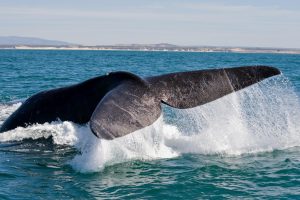
A mother and calf may remain in the sheltered bay for an extended period. You can watch the calf repeatedly surface beside its mother, gradually becoming more confident and coordinated.
On quiet nights, whales can sometimes be heard calling to one another: mothers and calves closer to shore communicating with animals farther out in the bay. That gives Witsand a wonderfully intimate quality. It isn’t just about seeing whales; you’re experiencing a working whale nursery.
Witsand’s whale watching is shore-based. No licences have been granted for boat-based whale watching in the bay, specifically because boat activity could disturb or potentially injure mothers and calves.
So, the absence of whale boats is part of the attraction. The whales have the bay largely to themselves, while people watch from land.
What makes Witsand particularly appealing is its quiet, uncommercial character. You can spend an afternoon walking the shoreline, sitting above the bay or simply watching from accommodation with an ocean view. There is no need for a dramatic excursion. The drama comes from the animals themselves.
A calm bay, a mother and calf just offshore, a sudden breach, and perhaps another whale surfacing farther out. The experience feels slow, intimate and remarkably close to the natural life cycle of the Southern right whale. Witsand is one of the Cape’s finest places for quiet, shore-based Southern right whale watching, with the sheltered waters of St Sebastian Bay functioning as a remarkable nursery for mothers and their calves.
The Garden Route:
Mossel Bay
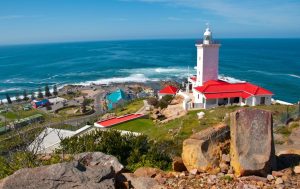
Mossel Bay is one of the Garden Route’s best Southern right whale watching destinations, combining good land-based viewing with boat trips from the harbour. The protected bay attracts Southern right whales during the Cape winter and spring, when they come north from Antarctic waters to mate, calve and raise their young. The International Whaling Commission lists Mossel Bay as both a land and boat-based Southern right whale watching destination, with a principal season of June to October.
Mossel Bay has an important advantage: high ground surrounds much of the bay, making it possible to look down onto the ocean and scan for whales.
The Cape St Blaize area is particularly rewarding. The coastal trail and viewpoints around the lighthouse and St Blaize Cave provide sweeping views across the bay. The St Blaize Trail and the cave are excellent vantage points, where whales can be seen breaching, waving their flukes and swimming along the surface.
The experience is wonderfully flexible. You can walk the coastline with binoculars, stop at a viewpoint or simply watch from somewhere overlooking the bay. Whales have historically been reported close enough to shore to be visible from elevated positions around Mossel Bay.
The boat experience adds another dimension. Trips depart from Mossel Bay Harbour, taking you quickly out into the areas where whales are being sighted. Current operators describe trips of roughly 60–90 minutes, with the exact route depending on sea conditions and wildlife activity.
Mossel Bay Boat Adventures is one of the current operators offering whale-watching safaris from the harbour.
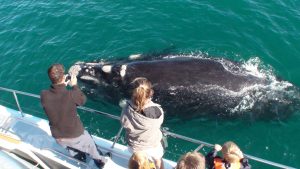
The boat trips also look for other marine wildlife, including dolphins, Cape fur seals, Bryde’s whales and humpback whales, and operators may incorporate Seal Island into the excursion.
Mossel Bay’s location is also a major advantage. If you’re travelling the Garden Route, you don’t have to make a special detour to experience Southern right whales. The whales are part of the coastal landscape.
Mossel Bay is an accessible, active whale watching destination rather than a specialist whale sanctuary.
You can start with the Cape St Blaize coastal viewpoints, watching whales from above against the cliffs and open Indian Ocean. Then, if you want a closer encounter, head down to the harbour for a boat safari.
The combination makes Mossel Bay particularly good for visitors who want both the freedom of land-based watching and the excitement of being on the water.
And there is something wonderfully dramatic about watching a Southern right whale breach against the backdrop of the Cape St Blaize cliffs and Garden Route coastline. Cape St Blaize Lighthouse Complex is a natural starting point for exploring the elevated coastline and viewpoints.
Wilderness to Knysna
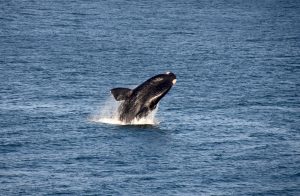
The coastline between Wilderness and Knysna offers a beautiful, more dispersed form of Southern right whale watching. Rather than being a single concentrated whale destination like Hermanus, it is a long stretch of Garden Route coastline where whales can be encountered from beaches, cliffs and selected viewpoints, with boat-based viewing available from Knysna.
Southern right whales generally appear along this coast from June to November, with the International Whaling Commission identifying July to October as the main Knysna boat-based season.
Wilderness
The long beaches and elevated viewpoints give you wide views across the Indian Ocean. One of the traditional viewing points is Dolphin’s Point, near the N2, while beaches such as Leentjies Klip, Kleinkrans and Flat Rock also provide opportunities to scan the sea for whales.
The experience here is quiet and spontaneous. You might be walking the beach and suddenly notice a blow beyond the breakers, followed by the dark back of a Southern right whale. Wilderness is best thought of as a scenic whale-watching stop rather than a dedicated whale destination.
Sedgefield and Buffalo Bay
Moving east, the coastline becomes a succession of attractive bays and viewpoints.
Gericke’s Point and Swartvlei Beach near Sedgefield have traditionally been recognised as whale and dolphin watching locations.
Then comes Buffalo Bay, just west of Knysna. Its broad beach and elevated surroundings make it another pleasant place to watch the migration. Southern right whales have been known to spend time in the sheltered waters here, including mothers with calves.
This stretch is particularly enjoyable because the whale watching can be combined with beach walks, coastal scenery and the Garden Route’s fynbos and forest landscapes.
Knysna
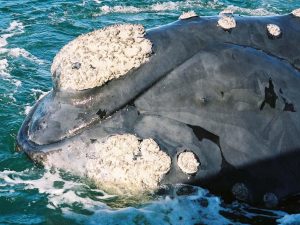
Knysna provides the strongest organised whale watching experience on this part of the coast. The dramatic Knysna Heads form a natural gateway between the lagoon and the Indian Ocean, with elevated viewpoints looking out across the whales’ migration route. Brenton-on-Sea, the Heads and Noetzie are among the recognised land-based viewing points.
The really exciting option, however, is to go out onto the ocean.
Ocean Odyssey is Knysna’s dedicated close-encounter whale-watching operator. Its permitted operating area extends from the western side of Robberg Peninsula to Gericke’s Point near Sedgefield. The operator says Southern right and humpback whales are regularly encountered in season, along with dolphins and other marine life.
From the boat, you can potentially see whales blowing, breaching, spyhopping, tail-slapping and travelling along the coast. The operator’s permit allows close approaches under regulated conditions, with boats able to get within 50 metres of a whale.
What makes this section of the coast different? The key difference from Hermanus, De Kelders or Witsand is scale and atmosphere.
Here, you’re following a migration corridor rather than visiting one famous whale nursery. The whales are moving along the Garden Route coastline, with some lingering in sheltered bays.
That makes the experience feel more like a coastal wildlife safari. You might see a Southern right whale one day, dolphins the next, and perhaps a humpback further offshore. The wider Knysna area also supports Bryde’s whales and dolphins, and occasional orca sightings are possible.
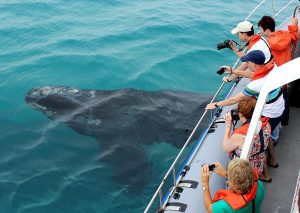
The progression is important: the further east you travel, the more the experience shifts from informal land-based viewing towards organised marine wildlife excursions. It doesn’t necessarily offer the concentration of whales found in Walker Bay, but it combines whale watching with some of the most beautiful coastal scenery in South Africa. You can stop at a beach, walk a headland, look out from the Knysna Heads and, if conditions are right, finish with a boat trip into the Indian Ocean.
And because the whales can be seen from land, you don’t have to make whale watching the sole purpose of the journey. The whales become part of the Garden Route landscape.
Plettenberg Bay
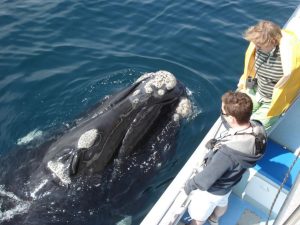
Plettenberg Bay is one of the Garden Route’s most rewarding whale-watching destinations, combining excellent land-based viewing with permitted boat trips. Southern right whales typically occur in the bay from June to October, with July to October being the strongest period for sightings.
What makes Plettenberg Bay particularly attractive is the combination of whales, dramatic coastline and abundant other marine life. It was designated a Whale Heritage Site in 2023, recognising its whale watching culture, conservation and responsible tourism.
The great advantage of Plettenberg Bay is that you don’t need a boat to have an excellent whale encounter. Southern right whales can come close to the beaches and rocky coastline, and elevated viewpoints provide the best perspective. Robberg Peninsula and Robberg Nature Reserve are particularly impressive, with wide views across the bay. Other recognised viewing points include the Beacon Island area, Lookout Rocks and Keurboomstrand.
From a high point, you can scan the bay for the characteristic blow, then follow the whale as it surfaces, dives and reappears. Mothers and calves are particularly rewarding sightings.
The land-based experience is wonderfully flexible. You can spend ten minutes looking from a viewpoint or several hours walking the Robberg coastline.
For a closer encounter, Ocean Blue Adventures is a permitted whale-watching boat operator from Central Beach.
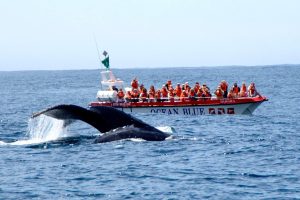
Ocean Blue Adventures offers 1 hour 30-minute whale watching expeditions during the June to November whale season, using a cat-style boat launched directly through the surf.
The beach launch is part of the adventure. Rather than quietly departing from a harbour, the boat heads directly through the waves from Plett’s main beach before moving along the Garden Route coastline in search of whales.
From the water, you get a completely different sense of scale. A whale that appears small from the cliffs can suddenly surface as a huge, three-dimensional animal, sometimes accompanied by a calf.
The boat trips can also encounter Humpback and Bryde’s whales, bottlenose, common and humpback dolphins, and Cape fur seals.
One of the most interesting aspects of Plettenberg Bay’s whale watching is Robberg Peninsula. The peninsula extends into the bay and provides elevated viewpoints over the surrounding waters. It is also home to a large Cape fur seal colony, so a visit can combine whales, seals, seabirds and spectacular coastal scenery.
From the land, you can look down into the bay. From a boat, you can pass along the peninsula and see its cliffs and seal colony from sea level.
When to visit:
June: Southern rights begin arriving.
July: sightings become increasingly reliable and calving is underway.
August to September: excellent period for mothers and calves.
October: still very good, with whales preparing for their migration south.
November: Southern rights are departing, although other whales, particularly Humpbacks become increasingly relevant.
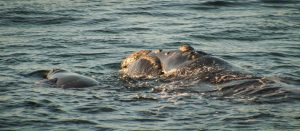
Plettenberg Bay is a Garden Route marine-wildlife experience in which Southern right whales are one of several highlights. Plett gives you a particularly attractive combination of whales, Robberg Peninsula, golden beaches, dolphins, seals and dramatic scenery. And because you can watch from land or take a boat, you can choose between a relaxed observation experience and something much more adventurous. Plettenberg Bay feels like a beautiful coastal wilderness where whales happen to be part of the landscape.
The most rewarding approach is to combine the two perspectives: walk or drive to a high point around Robberg and scan the bay first, then take a boat if you want to experience the whales at sea level.