Private Cape Peninsula Tour with Cape Ability Tours
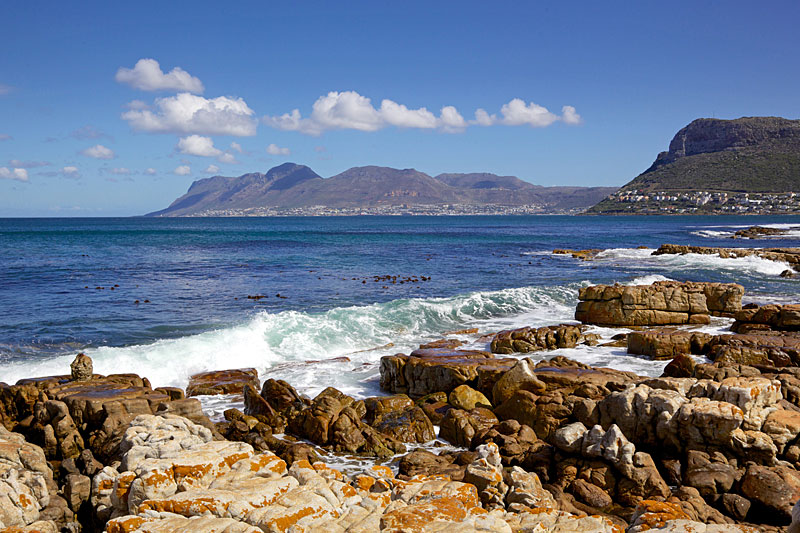
There are few better ways to experience Cape Town than by leaving the city behind for a day and following the spectacular coastline of the Cape Peninsula.
Within a single day, you can travel from Cape Town’s Atlantic seaboard along dramatic coastal roads, stop at windswept viewpoints, meet African penguins on a sheltered beach, explore historic seaside towns, stand at the southwestern tip of Africa, and finish the afternoon watching the sun descend over the Atlantic.
A Private Cape Peninsula Tour with Cape Ability Tours is arguably the best way to experience it. Rather than following a rigid group-tour timetable, your Private Guide can adjust the day to the weather, your interests and your pace. You can linger when the scenery demands it, stop for photographs whenever something catches your eye, and turn a sightseeing itinerary into a genuinely memorable Cape Town experience.
Here is how a perfect Full Day Private Cape Peninsula Tour unfolds.
Morning: Leaving Cape Town Behind
The day begins with a private pickup from your hotel or accommodation in Cape Town.
There is something wonderfully effortless about being collected from your accommodation and simply settling into the vehicle while your guide takes care of the logistics.
No navigating unfamiliar roads.
No worrying about parking.
No trying to work out whether you have enough time to squeeze another attraction into the day.
Instead, the Cape Peninsula gradually unfolds outside the window. This is one of the great pleasures of the Private Cape Peninsula Tour: the sightseeing begins almost immediately.
The journey towards the Cape Peninsula takes you through some of the city’s most desirable coastal neighbourhoods, where mountains meet beaches and the road seems to hover between the ocean and the slopes.
Along the Atlantic Seaboard
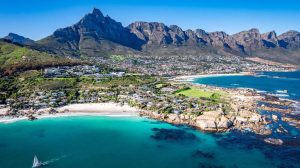
The journey initially follows Cape Town’s famous Atlantic Seaboard where the Atlantic Ocean stretches towards the horizon on one side, while the mountains rise steeply on the other.
Clifton is one of Cape Town’s most prestigious and picturesque coastal suburbs, renowned for its white-sand beaches, dramatic granite boulders, clear Atlantic waters and spectacular mountain scenery. Situated between Camps Bay and Bantry Bay, it occupies a sheltered stretch of coastline beneath the slopes of Lion’s Head.
The suburb is best known for its four beaches: Clifton 1st, 2nd, 3rd and 4th. Each beach is separated by large granite boulders. Clifton 4th is generally the most popular and has become an iconic Cape Town beach, particularly during the summer months. The sheltered position provides protection from the prevailing south-easterly wind, making Clifton a favourite destination for sunbathing, swimming and watching the sunset.
Clifton itself is largely residential, with luxury apartments, contemporary villas and some of Cape Town’s most expensive homes, many enjoying uninterrupted views across the Atlantic Ocean. There is relatively little commercial development within the suburb, which contributes to its exclusive and tranquil character.
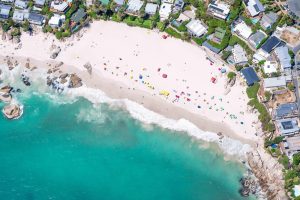
Despite its secluded atmosphere, Clifton is conveniently located close to the attractions and restaurants of Camps Bay and the City Bowl. The scenic Victoria Road provides access to the surrounding Atlantic Seaboard, while nearby Lion’s Head and Signal Hill offer excellent opportunities for hiking and panoramic views.
Clifton combines natural beauty, exclusivity and a relaxed beach lifestyle, making it one of Cape Town’s most desirable neighbourhoods and a must-visit destination for travellers looking to experience the city’s spectacular Atlantic coastline.
Camps Bay is one of Cape Town’s most glamorous and sought-after coastal suburbs, famous for its white-sand beach, palm-lined promenade, dramatic mountain backdrop and vibrant seaside atmosphere. Nestled between the Atlantic Ocean and the Twelve Apostles mountain range, it offers one of the city’s most spectacular settings.
The suburb centres around Camps Bay Beach and Victoria Road, where visitors will find a lively collection of restaurants, cafés, cocktail bars, boutique shops and luxury accommodation. The beachfront is particularly popular at sunset, when the mountains and ocean create an impressive backdrop.
Behind the busy beachfront, Camps Bay becomes considerably quieter, with upmarket homes and villas climbing the slopes towards the Twelve Apostles. Many properties enjoy sweeping views across the Atlantic, while the elevated streets provide some of Cape Town’s most dramatic residential scenery.
Camps Bay is also well positioned for exploring the surrounding attractions. Table Mountain, Lion’s Head, Clifton’s beaches and the Atlantic Seaboard are all close by, while the city centre is only a short drive away.
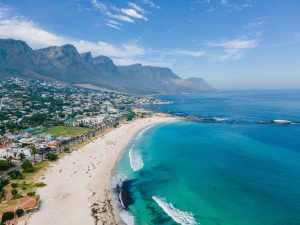
Although the suburb has a distinctly upmarket, cosmopolitan character, it retains the relaxed feel of a beach destination. During summer, Camps Bay can become particularly lively, attracting both international visitors and Cape Town residents.
Camps Bay combines a spectacular natural setting with sophisticated dining, nightlife, luxury accommodation and a quintessential Cape Town beach lifestyle. It is an excellent base for visitors looking for a combination of scenery, entertainment and easy access to the city’s major attractions.
The Twelve Apostles is one of Cape Town’s most spectacular natural landmarks, forming the western flank of the Table Mountain range along the Atlantic Seaboard. The rugged peaks stretch from the southern slopes of Table Mountain towards Hout Bay, rising dramatically above Camps Bay and the ocean.
Despite its name, the Twelve Apostles does not consist of exactly twelve peaks. The name refers broadly to the series of distinctive buttresses and ridges that form the mountain skyline. Their steep, weathered cliffs and rocky summits create an impressive backdrop to the suburbs of Camps Bay, Bakoven and Hout Bay.
The mountains form part of Table Mountain National Park and are characterised by rugged sandstone cliffs, deep ravines and surprisingly rich indigenous vegetation. The slopes are covered largely by fynbos, the unique vegetation of the Cape Floristic Region, which supports an extraordinary diversity of plant species.

One of the most memorable aspects of the Twelve Apostles is the contrast between mountain and ocean. From the coastal road, beaches and viewpoints below, the mountains rise almost vertically from the Atlantic, creating some of Cape Town’s most iconic scenery. In the late afternoon, the cliffs often take on warm golden and orange tones as the sun sets over the ocean.
The range is also popular with hikers, with trails leading through the surrounding mountains and connecting with routes around Table Mountain and Lion’s Head. The Pipe Track hiking trail provides spectacular views across Camps Bay and the Atlantic while following the contours of the Twelve Apostles.
For visitors to Cape Town, the Twelve Apostles are more than simply a mountain backdrop. They are an important part of the city’s identity and one of the defining features of the Atlantic Seaboard landscape.
Llandudno is a beautiful, secluded coastal suburb on Cape Town’s Atlantic Seaboard, situated between Hout Bay and Sandy Bay. Surrounded by mountains and overlooking the Atlantic Ocean, it is renowned for its spectacular scenery, peaceful atmosphere and exclusive residential character.
At the heart of the suburb is Llandudno Beach, a pristine crescent of white sand framed by granite boulders and rugged mountains. The beach has a wonderfully unspoilt character, with no commercial beachfront lined with restaurants or shops. Instead, its natural setting provides a tranquil escape from the busier coastal suburbs.
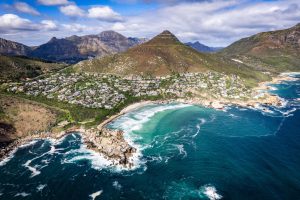
The surrounding residential area is characterised by luxury homes and villas, many built into the slopes overlooking the ocean. Winding roads and steep hills give the neighbourhood a secluded feel, while elevated properties enjoy magnificent views across the Atlantic and towards the Sentinel and Hout Bay.
Llandudno’s location makes it particularly attractive to visitors seeking a quieter alternative to Camps Bay and Clifton. It is close enough to Cape Town’s major attractions to be convenient yet feels distinctly removed from the city. Hout Bay is just a short drive away, while the scenic Victoria Road connects Llandudno with Camps Bay and the rest of the Atlantic Seaboard.
The surrounding mountains are part of the Table Mountain National Park, providing opportunities for hiking and enjoying the area’s natural beauty. The rugged coastline, indigenous fynbos and dramatic mountain scenery make the area especially appealing to photographers, nature lovers and outdoor enthusiasts.
Llandudno is best described as tranquil, exclusive and naturally beautiful: a secluded seaside neighbourhood where mountain and ocean dominate the landscape. Its combination of an exceptional beach, luxury homes and peaceful atmosphere makes it one of Cape Town’s most desirable coastal suburbs.
Hout Bay is a scenic coastal suburb on Cape Town’s Atlantic Seaboard, surrounded by dramatic mountains and opening onto a broad bay on the Atlantic Ocean. Often described as a village within the city, Hout Bay has a more relaxed and diverse character than the glamorous suburbs further north, combining natural beauty, fishing heritage, residential neighbourhoods and a lively local community.

The centrepiece is Hout Bay Beach, a long stretch of sandy coastline backed by mountains. At the western end of the bay lies Hout Bay Harbour, where fishing boats and pleasure craft add to the area’s maritime character. The harbour is also a popular place to experience the local fishing culture and sample fresh seafood.
One of Hout Bay’s greatest attractions is its spectacular setting. The suburb is enclosed by Table Mountain National Park, with the Twelve Apostles to the north and the imposing Sentinel mountain overlooking the western side of the bay. The surrounding mountains create a dramatic natural amphitheatre and provide numerous opportunities for hiking and exploring.
The suburb has a distinctly mixed and characterful atmosphere. Alongside established residential areas and upmarket homes are older fishing communities, local businesses, cafés, restaurants and a busy village centre. This gives Hout Bay a less polished and more authentic feel than places such as Camps Bay, while still offering plenty of visitor attractions.
Its location is another major advantage. Hout Bay provides relatively easy access to Camps Bay, Llandudno, Constantia, Noordhoek and the Cape Peninsula, making it a popular base for exploring the southern part of Cape Town.
Hout Bay combines spectacular mountain and ocean scenery with a genuine village atmosphere and strong maritime character. It is particularly appealing to visitors who want to experience Cape Town’s natural beauty while staying somewhere with more local character and a slower pace than the city’s busier coastal suburbs.
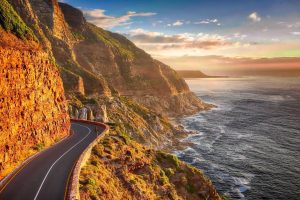
Hout Bay is also the gateway to Chapman’s Peak Drive, one of Cape Town’s most spectacular coastal roads, winding for approximately 9 kilometres along the cliffs between Hout Bay and Noordhoek. Known affectionately as “Chappies,” the route is famous for its dramatic combination of sheer mountain cliffs, rugged coastline and sweeping views across the Atlantic Ocean.
The road was constructed along the steep western slopes of Chapman’s Peak, creating a remarkable series of curves, tunnels and rock-cut sections. In places, the cliffs rise dramatically above the road on one side while the Atlantic drops away on the other, producing an exhilarating driving experience.
One of the highlights is the series of lookout points along the route. These provide opportunities to stop and take in panoramic views of Hout Bay, the Twelve Apostles, Chapman’s Peak and the rugged Atlantic coastline. Looking south towards Noordhoek, the scenery opens dramatically onto Noordhoek Beach, with its long sweep of white sand.
The drive is particularly impressive in the late afternoon, when the changing light illuminates the mountains and coastline. It is also a favourite route for photographers, cyclists and motorists simply enjoying one of Cape Town’s great scenic experiences.
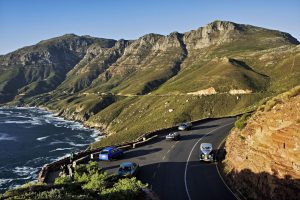
Chapman’s Peak Drive forms an important part of the route between Cape Town and the Cape Peninsula, connecting Hout Bay with Noordhoek and providing access towards Cape Point. Rather than simply being a means of getting from one place to another, the road is itself a major attraction. Because the route is built into steep mountain terrain, rockfalls and adverse weather can occasionally result in closures, so visitors should check the current road status before setting out.
Chapman’s Peak Drive is a spectacular coastal experience where dramatic mountains, open ocean and an extraordinary engineering achievement come together to create one of Cape Town’s most memorable drives.
And then, almost suddenly, the landscape opens into Noordhoek and the atmosphere changes completely.
Noordhoek and the Southern Peninsula
Noordhoek Village is a relaxed, village-style destination on Cape Town’s Cape Peninsula, situated between the mountains of the Table Mountain National Park and the expansive Atlantic coastline. It is known for its laid-back atmosphere, independent businesses, cafés, restaurants and strong sense of community.
At the centre of the area is a collection of small shops, cafés, restaurants, galleries, wellness businesses and local services, giving Noordhoek a distinctly independent character. Rather than feeling like a conventional shopping centre, it has the atmosphere of a country village where locals and visitors gather for coffee, meals, shopping and leisurely afternoons.
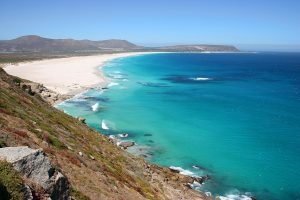
One of Noordhoek’s greatest attractions is its proximity to Noordhoek Beach, an extraordinary stretch of white sand extending for several kilometres beneath the surrounding mountains. The beach is particularly beautiful around sunset, when the coastline becomes a spectacular setting for walking, photography and horse riding.
The surrounding landscape gives Noordhoek much of its appeal. The village sits beneath the Chapman’s Peak and Table Mountain National Park mountains, while the open spaces and rural-looking properties create a sense of being far removed from the city despite being within metropolitan Cape Town.
Noordhoek is also known for its equestrian and semi-rural character. Horses, smallholdings, vineyards and open land contribute to an atmosphere that is quite different from the densely developed Atlantic Seaboard suburbs. This combination of countryside and coast is one of the area’s defining qualities.
The village is particularly well placed for exploring the Southern Peninsula. Chapman’s Peak Drive connects Noordhoek with Hout Bay, while Kommetjie, Ocean View, Scarborough and Cape Point are all within easy reach.
Noordhoek Village is relaxed, creative and community-oriented, offering a slower-paced alternative to central Cape Town. For visitors, it is an excellent place to combine good food and independent shopping with spectacular beaches, mountain scenery and the natural beauty of the Cape Peninsula.

Kommetjie is a laid-back coastal village on the Atlantic side of the Cape Peninsula, south of Noordhoek and close to Cape Point. Known for its wide beaches, rugged coastline, surfing culture and relaxed village atmosphere, it feels distinctly removed from the bustle of central Cape Town.
The village is centred around Long Beach, a broad, windswept stretch of sand that extends along the Atlantic coastline. The beach is popular with walkers, surfers and horse riders, while the powerful Atlantic swell and exposed coastline give Kommetjie a wild, natural character.
Kommetjie has a strong connection with the ocean. Surfing is an important part of local life, with the area’s reefs and beach breaks attracting surfers throughout the year. The coastline is also home to the historic Slangkop Lighthouse, one of the most recognisable landmarks in the area and the tallest cast-iron lighthouse on the South African coast.
Unlike the more developed suburbs closer to the city, Kommetjie retains a small-village, residential character. There are local cafés, restaurants, shops and small businesses, but the emphasis is very much on outdoor living and the surrounding natural environment.
The area is bordered by the spectacular landscapes of the Table Mountain National Park, with fynbos-covered mountains and rugged coastline providing opportunities for hiking, cycling and nature exploration. Its position also makes it a convenient stop on a journey towards Cape Point and the Cape of Good Hope.
Kommetjie is particularly attractive to travellers looking for space, nature and a slower pace of life. It has a more bohemian and outdoors-oriented personality than Camps Bay or Hout Bay, with a strong sense of community and an appealing connection to the sea.
Kommetjie is a relaxed Atlantic coastal village where surfing, beaches, nature and village life come together. It is an ideal destination for visitors wanting to experience the wilder, more peaceful side of the Cape Peninsula while remaining within easy reach of Noordhoek, Cape Point and other major attractions.
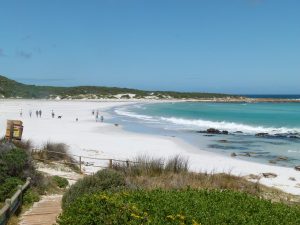
Scarborough is a small, peaceful coastal village on the southern Cape Peninsula, situated between Kommetjie and Cape Point. Surrounded by mountains, fynbos and the Atlantic Ocean, it is known for its unspoilt natural setting, relaxed atmosphere and strong sense of community.
The heart of Scarborough is its beautiful crescent-shaped beach, backed by dunes and rugged mountain slopes. Unlike many of Cape Town’s more developed beaches, there is very little commercial development around it, giving the coastline a wonderfully wild and tranquil character. The beach is popular with surfers, swimmers, walkers and families, although the Atlantic water remains famously cold.
The village itself has a distinctly small-scale, bohemian character. Homes are generally low-rise and spread across the slopes and valley, while a handful of local businesses provide cafés, restaurants and essential services. There is no large commercial centre, which contributes to Scarborough’s secluded, village-like atmosphere.
Nature is central to the experience. Much of the surrounding landscape forms part of the Table Mountain National Park, with extensive areas of indigenous fynbos and spectacular coastal scenery. The area is excellent for walking, birdwatching, photography and simply enjoying the tranquillity of the Southern Peninsula.
Scarborough is also exceptionally well positioned for exploring the region. Cape Point and the Cape of Good Hope are nearby, while Kommetjie, Noordhoek and Simon’s Town are within easy driving distance. The journey to Scarborough itself is scenic, with dramatic mountain and ocean views along the way.

One of Scarborough’s defining qualities is its commitment to conservation and a low-impact lifestyle. The village has a strong environmental ethos, and its residents have historically been active in protecting the surrounding natural landscape.
Scarborough is one of Cape Town’s most peaceful coastal communities—a secluded village where pristine beaches, indigenous fynbos, mountains and the Atlantic Ocean dominate the landscape. It is particularly appealing to visitors looking for an authentic, nature-focused experience away from the busier tourist areas of the city.
Table Mountain National Park is one of Cape Town’s defining natural treasures, stretching across much of the mountainous Cape Peninsula from the slopes of Table Mountain in the north to Cape Point and the Cape of Good Hope in the south. The park combines dramatic mountains, rugged coastline, indigenous fynbos, forests, beaches and extraordinary ocean views within a remarkably compact area.
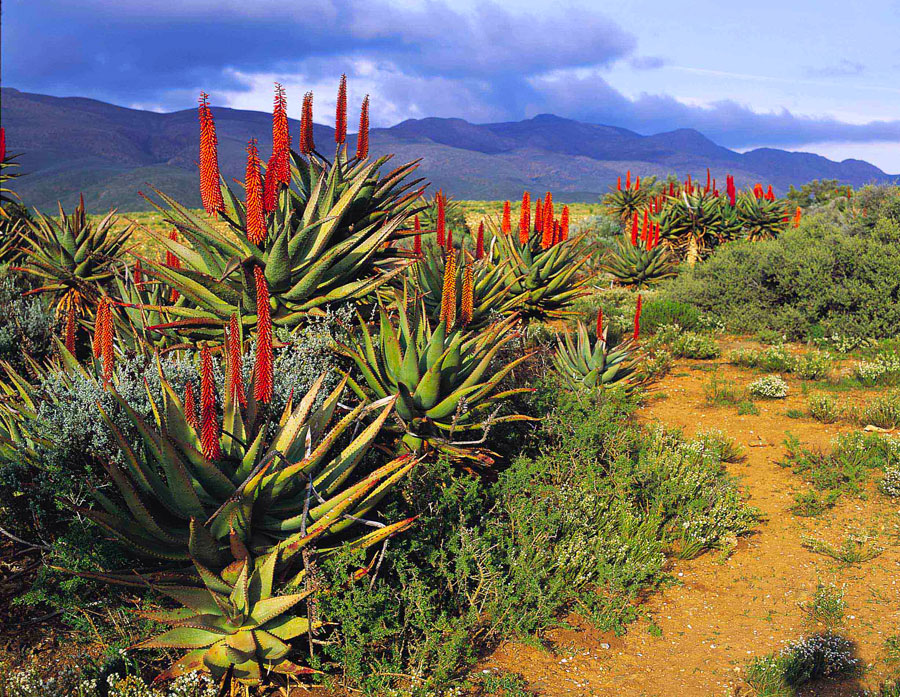
One of the Park’s most remarkable features is its fynbos vegetation. Table Mountain National Park lies within the Cape Floristic Region, one of the world’s most botanically diverse areas. Thousands of plant species occur here, many of them found nowhere else on Earth. The changing seasons can transform the landscape with spectacular displays of flowering proteas and other indigenous plants.
The southern section culminates at Cape Point and the Cape of Good Hope, where steep cliffs plunge into the Atlantic Ocean. Visitors may encounter baboons, ostriches, a variety of antelope, Cape mountain zebra, dassies and over 250 bird species, while whales can sometimes be seen offshore during the appropriate season.

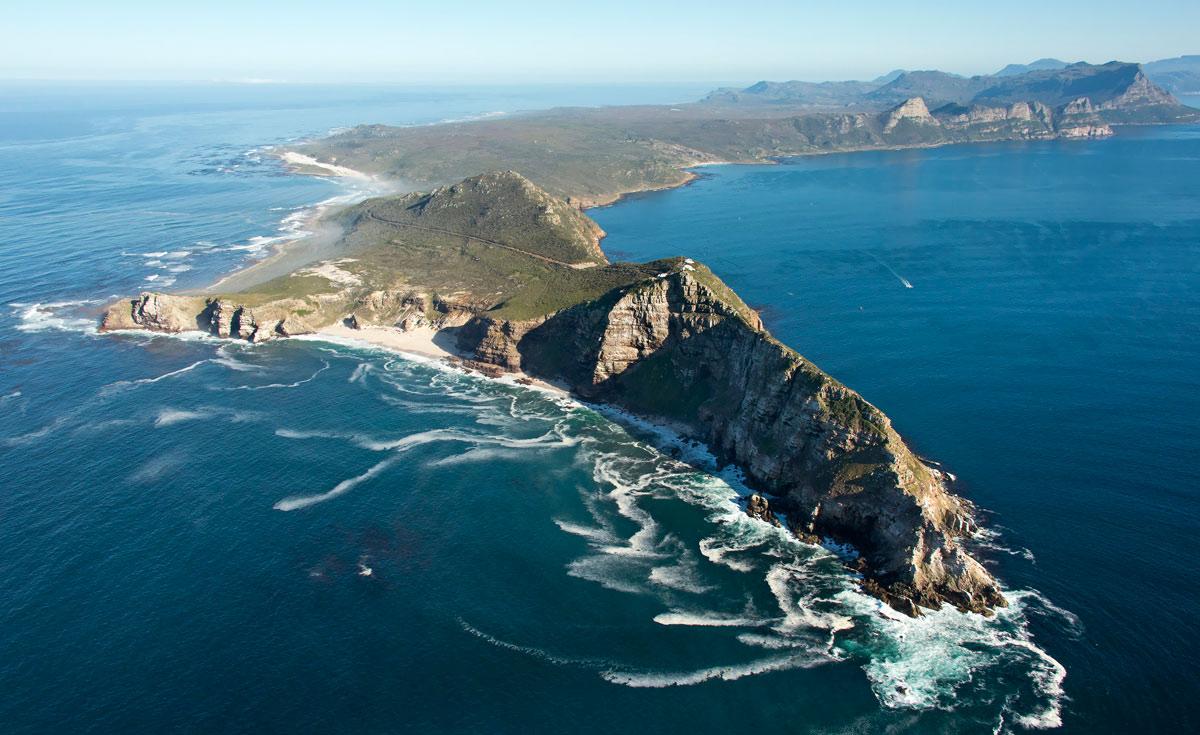
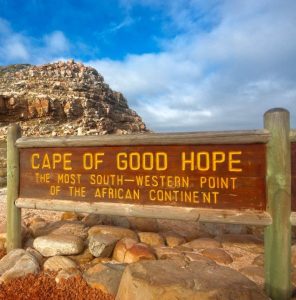
The Cape of Good Hope is one of the most iconic natural landmarks on the Cape Peninsula, situated within Table Mountain National Park at the southwestern most tip of Africa. Famous for its rugged cliffs, wild coastline, abundant fynbos and dramatic ocean scenery, it is one of the essential destinations on a Cape Peninsula Tour.
Cape Point is famous for its towering cliffs, sweeping ocean views and wild natural surroundings and it is one of the highlights of any Cape Peninsula Tour. One of the main attractions of Cape Point is the Cape Point Lighthouse, dramatically positioned high above the coastline. Visitors can reach the upper viewpoint by following the steep walking path or taking the Flying Dutchman Funicular, a short ride that climbs through the fynbos to the lighthouse area. The wind, the sound of the ocean and the sheer vertical drop of the cliffs make Cape Point something you experience with all your senses.
Table Mountain National Park is the natural backbone of Cape Town: a spectacular landscape of mountains, ocean, fynbos and wildlife that defines the character of the Cape Peninsula and provides an extraordinary setting for exploring the region.
Boulders Beach and the African Penguins
From Cape Point, the route turns north towards Simon’s Town and Boulders Beach. Here, the landscape changes once again.
Simon’s Town is a historic seaside town on the eastern side of the Cape Peninsula, overlooking the sheltered waters of False Bay. With its charming Victorian architecture, naval heritage, harbour, beaches and close connection to the ocean, it is one of the most distinctive towns on the Cape Peninsula.
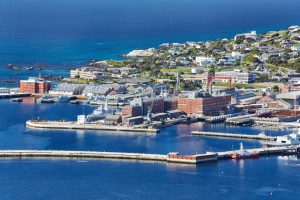
The town is built along the slopes of the mountains above False Bay, creating a picturesque setting where mountains meet the sea. Its historic centre is characterised by attractive old buildings, narrow streets, cafés, restaurants, galleries and small shops, giving Simon’s Town a relaxed maritime atmosphere.
A major part of the town’s identity comes from its long association with the South African Navy. Simon’s Town has served as an important naval base for centuries, and naval buildings, monuments and maritime traditions remain an integral part of the town’s character.
Simon’s Town is surrounded by beautiful coastal scenery. The False Bay coastline stretches south towards Cape Point, while the mountains behind the town provide a dramatic backdrop. During the winter and spring whale season, southern right whales can often be spotted in False Bay.
The town also has a strong connection with maritime history. The harbour remains active, while the South African Naval Museum provides an insight into the country’s naval heritage. A well-known local landmark is Able Seaman Just Nuisance, the Great Dane who became the only dog officially enlisted in the Royal Navy and whose statue can be found in Simon’s Town.
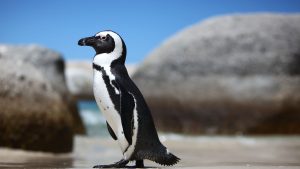
One of Simon’s Town’s best-known attractions is Boulders Beach, home to a protected colony of African Penguin, allowing visitors to see these charismatic birds in a spectacular coastal setting. The sheltered beaches and granite boulders provide an ideal environment for a colony of these distinctive coastal birds.
The African Penguins are particularly appealing because visitors can observe them in a natural environment rather than behind bars or in a conventional zoo. Boardwalks lead through the protected area, allowing visitors to watch the penguins resting among the vegetation, waddling across the sand or diving into the clear waters of False Bay.
African penguins are easily recognised by their black-and-white plumage, pink patches above their eyes and distinctive calls. Their pink facial patches help regulate body temperature: the more blood flows to these areas, the more heat the penguins can release in warm conditions.
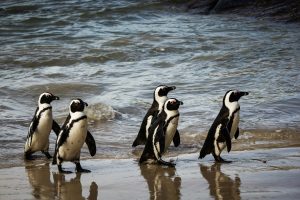
The African penguin is unfortunately a threatened species, with populations having declined significantly over the decades. Conservation efforts at Boulders Beach therefore play an important role in protecting the birds and their habitat.
The Return Along False Bay
After Simon’s Town, the journey continues along the False Bay coastline. This side of the Peninsula provides a wonderful contrast to the Atlantic Seaboard. The towns are more relaxed, the beaches broader and the mountains seem to recede from the ocean.
Kalk Bay is one of the most charming and characterful coastal villages on the Cape Peninsula, situated along the shores of False Bay between Muizenberg and Simon’s Town. Famous for its historic fishing harbour, colourful shops, independent restaurants and bohemian atmosphere, Kalk Bay has a distinctive personality that sets it apart from Cape Town’s more polished coastal suburbs.
The heart of Kalk Bay is Main Road, a lively strip lined with antique shops, boutiques, galleries, cafés, restaurants and independent businesses. Many of the buildings retain their historic character, creating a colourful streetscape that is particularly enjoyable to explore on foot.
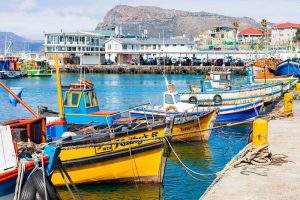
At the seafront, Kalk Bay Harbour remains an active working fishing harbour. Fishing boats come and go throughout the day, and the harbour provides a wonderful glimpse into the area’s long-standing connection with the sea. Visitors can watch fishermen returning with their catch, explore the harbour area and enjoy fresh seafood at nearby restaurants.
Kalk Bay is also known for its creative and bohemian character. Its independent shops and galleries give the village an artistic atmosphere, while the cafés and restaurants make it a popular destination for a leisurely lunch, coffee or afternoon stroll.
The coastline around Kalk Bay is rugged and beautiful, with waves breaking against rocks and the mountains rising steeply behind the village. The Dalebrook tidal pool is a popular spot for swimming, while nearby coastal paths provide opportunities to enjoy views across False Bay.

Another attraction is the historic Kalk Bay Theatre, which contributes to the village’s reputation as a centre for local arts and entertainment.
Kalk Bay is a place where fishing heritage, creativity, food and seaside charm come together. Rather than feeling like a conventional tourist destination, it has the atmosphere of a genuine coastal village: colourful, slightly quirky, relaxed and full of character. For many visitors, simply wandering along Main Road, browsing the independent shops and watching the fishing boats in the harbour is part of the experience.
Muizenberg is a vibrant seaside suburb on the eastern side of the Cape Peninsula, stretching along the shores of False Bay. Famous for its long sandy beach, colourful Victorian-style beach huts and strong surfing culture, Muizenberg has a youthful, relaxed and distinctly bohemian character.
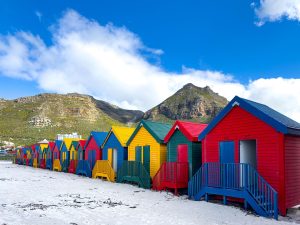
The suburb is best known for Muizenberg Beach, one of Cape Town’s most popular surfing beaches. The long, gently curving shoreline and relatively consistent waves have made Muizenberg an important centre for surfing in South Africa. It is particularly well suited to beginners, with several surf schools offering lessons and equipment hire.
The iconic colourful changing huts along the beachfront have become one of Cape Town’s most photographed coastal scenes. Their bright colours and Victorian-era design provide a distinctive backdrop to the broad sweep of golden sand and the mountains surrounding False Bay.
Muizenberg has a strong creative and alternative culture. Around the beachfront and nearby Main Road, visitors will find cafés, restaurants, surf shops, galleries, independent businesses and community projects. The atmosphere is generally more casual and eclectic than that of the upmarket Atlantic Seaboard suburbs.
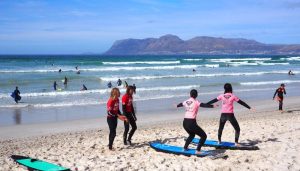
For nature lovers, the surrounding mountains and wetlands offer opportunities for walking, birdwatching and exploring the diverse landscapes of the Cape Peninsula. The warmer waters of False Bay also make Muizenberg’s beach particularly attractive to swimmers compared with the much colder Atlantic beaches.
Muizenberg is Cape Town’s laid-back surf town: colourful, creative and welcoming, with a long sandy beach, beginner-friendly waves and a distinctive community spirit. It offers a very different experience from glamorous Camps Bay, making it an interesting and authentic stop on a Cape Peninsula itinerary.
The Journey Home
Your Private Cape Peninsula Tour would not be complete without visiting Kirstenbosch National Botanical Garden.
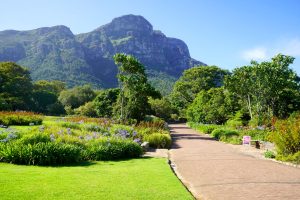
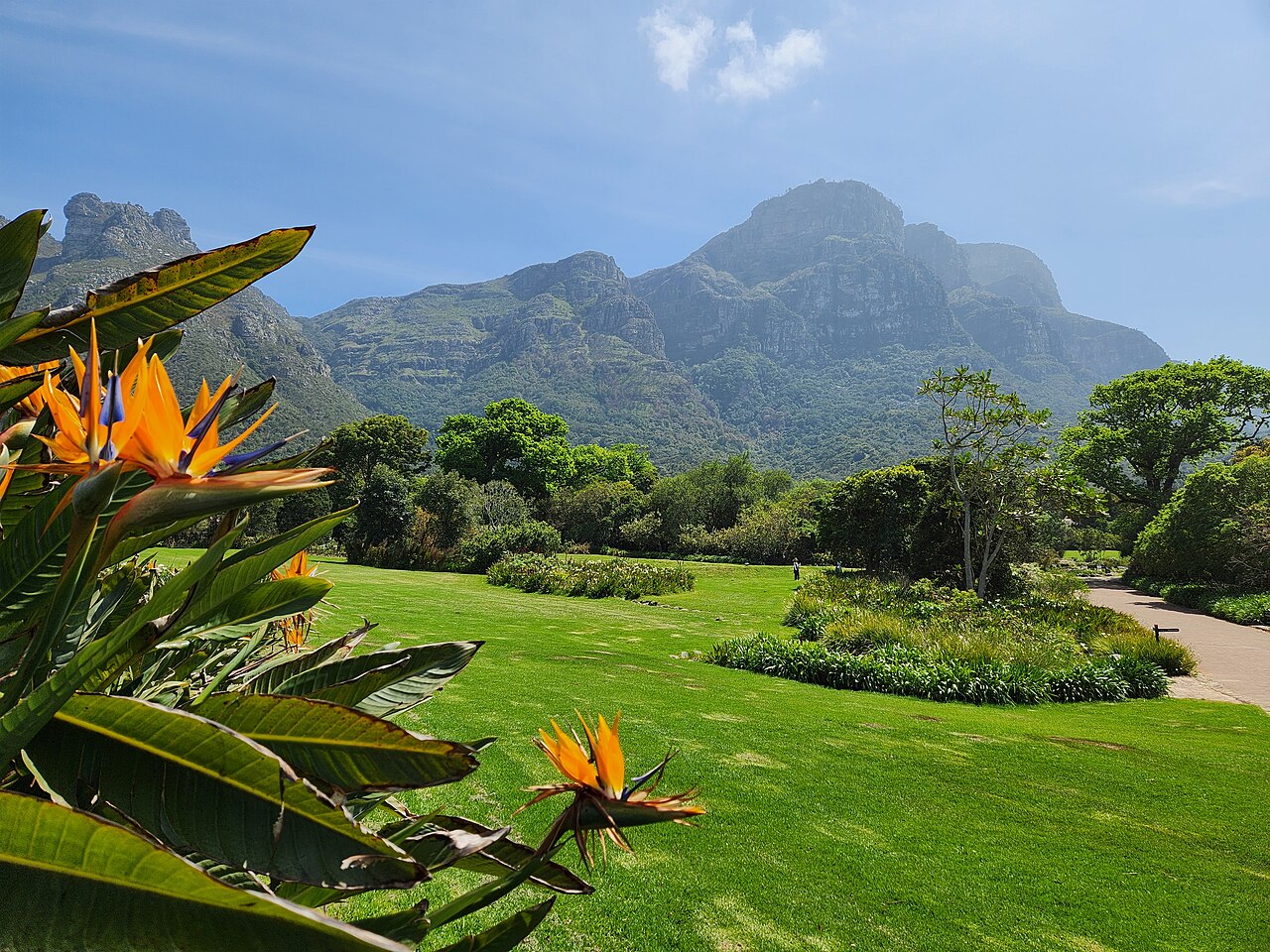
Kirstenbosch National Botanical Garden is one of Cape Town’s most beautiful attractions and is widely regarded as one of the world’s great botanical gardens. Set against the eastern slopes of Table Mountain, it combines spectacular mountain scenery with an extraordinary collection of South Africa’s indigenous plants.
The garden forms part of the Table Mountain National Park and is located in the leafy suburb of Newlands. Its dramatic setting is one of its greatest attractions. Walking through the gardens, visitors are surrounded by lush vegetation while the steep slopes of Table Mountain rise immediately behind them.
A showcase of South African flora
Kirstenbosch is particularly important because it focuses heavily on indigenous South African plants, with many species from the Cape Floristic Region represented throughout the gardens. Visitors can discover magnificent proteas, cycads, ericas, restios and other fynbos species, as well as indigenous trees and flowering plants.
The garden changes considerably with the seasons, making it worthwhile to visit at different times of the year. Spring is particularly spectacular when many of the fynbos species burst into flower.
The Boomslang Canopy Walkway
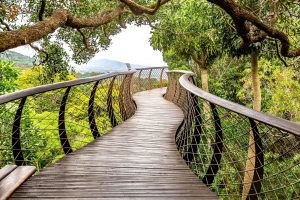
One of the garden’s most memorable features is the Boomslang Canopy Walkway, an elevated curved walkway that winds through the treetops. From the walkway, visitors get unusual perspectives over the gardens and surrounding forest, with panoramic views towards the mountains and Cape Town.
Kirstenbosch is also an important cultural and recreational destination. Its lawns and gardens provide beautiful spaces for picnics and leisurely walks, while the estate hosts exhibitions, educational activities and outdoor events.
During the summer months, the garden becomes particularly lively with the famous Kirstenbosch Summer Concerts, where live music is performed against the extraordinary backdrop of Table Mountain.

There are also cafés and restaurants within the garden, making it easy to spend several hours exploring without needing to leave.
What makes Kirstenbosch especially special is the combination of botany, scenery and outdoor experience. Unlike a conventional formal garden, much of Kirstenbosch feels integrated into the natural landscape of the mountain.
Visitors can stroll through carefully cultivated gardens, explore indigenous forest, admire flowering fynbos and simply relax beneath the trees: all while surrounded by one of Cape Town’s most dramatic mountain landscapes.
Kirstenbosch is a celebration of South Africa’s extraordinary plant heritage in one of the country’s most beautiful natural settings. For visitors to Cape Town, it offers a peaceful and visually spectacular experience and is an ideal complement to exploring Table Mountain and the wider Cape Peninsula.
Why Choose Cape Ability Tours?
For travellers looking for a more personal alternative to a conventional group excursion, the appeal is straightforward.
Private from beginning to end.
The experience is designed around your group rather than a coach full of strangers.
Experienced local guiding.
Founder and guide Richard Denny has more than 15 years of experience creating private travel experiences in South Africa.
Flexible and personalised.
The company specifically offers tailor-made itineraries based on guests’ interests.
Luxury private transport.
The experience combines private transportation with guided sightseeing.
The classic Cape Peninsula highlights.
Chapman’s Peak Drive, Cape Point, the Cape of Good Hope, Boulders Beach and Kirstenbosch National Botanical Garden are all central to your Private Cape Peninsula experience.
The Cape Peninsula in One Day

A Private Cape Peninsula Tour is one of those Cape Town experiences where the journey is every bit as important as the destinations. The road from Cape Town to Cape Point is spectacular. The penguins at Boulders are unforgettable. The cliffs around Cape Point are extraordinary. Chapman’s Peak Drive is breathtaking. And the little coastal towns provide the human character that connects everything together.
With Cape Ability Tours, the idea is not simply to tick those places off a list. It is to turn them into a personal Cape Town experience: one shaped around your interests, your pace and the things you want to remember.
For a first visit to Cape Town, it is difficult to imagine a better introduction to the landscapes that make the southwestern Cape so special.
A city, the Atlantic Ocean, dramatic mountains, wildlife, history and some of the world’s most spectacular coastal scenery, all in one unforgettable Private Day.